
 Save
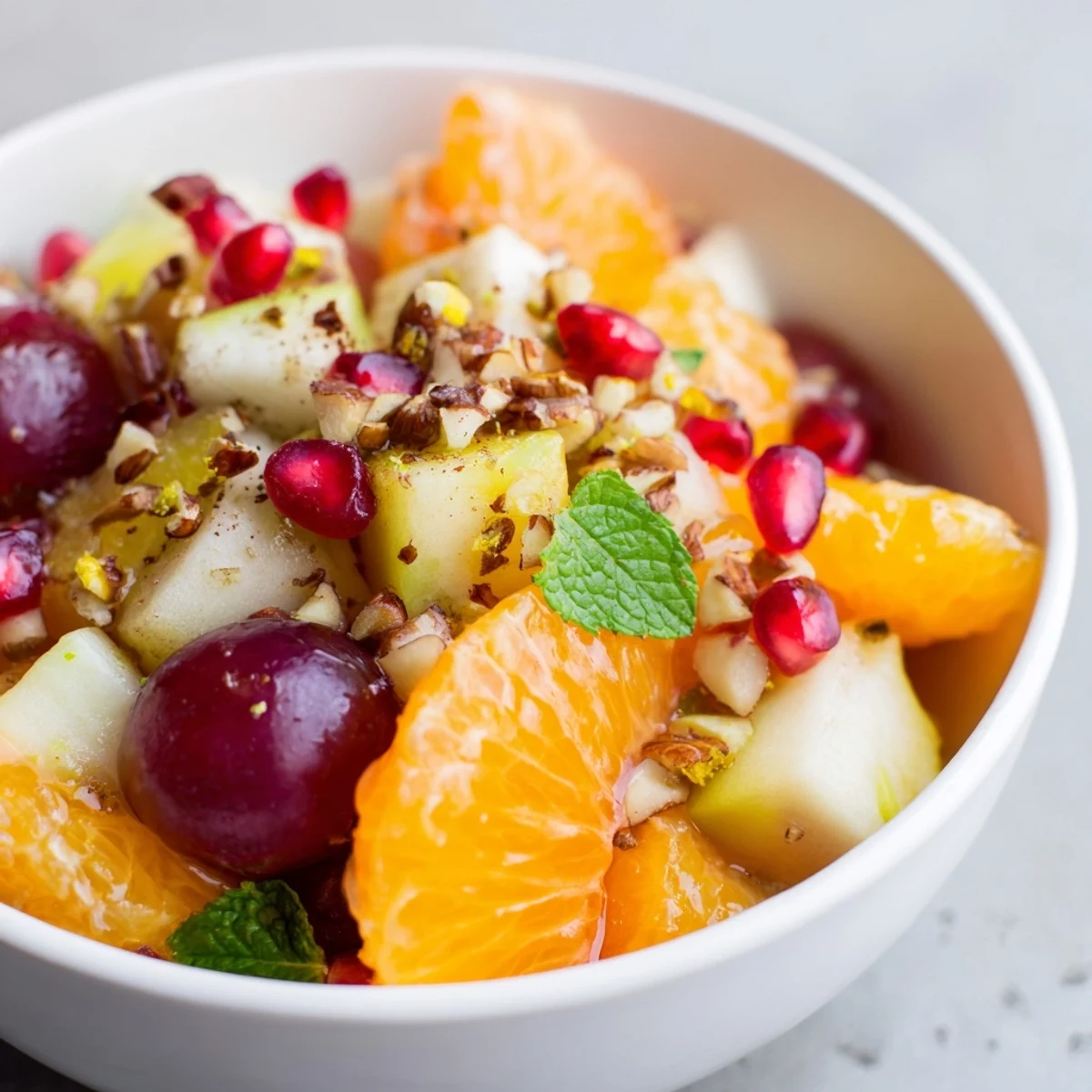
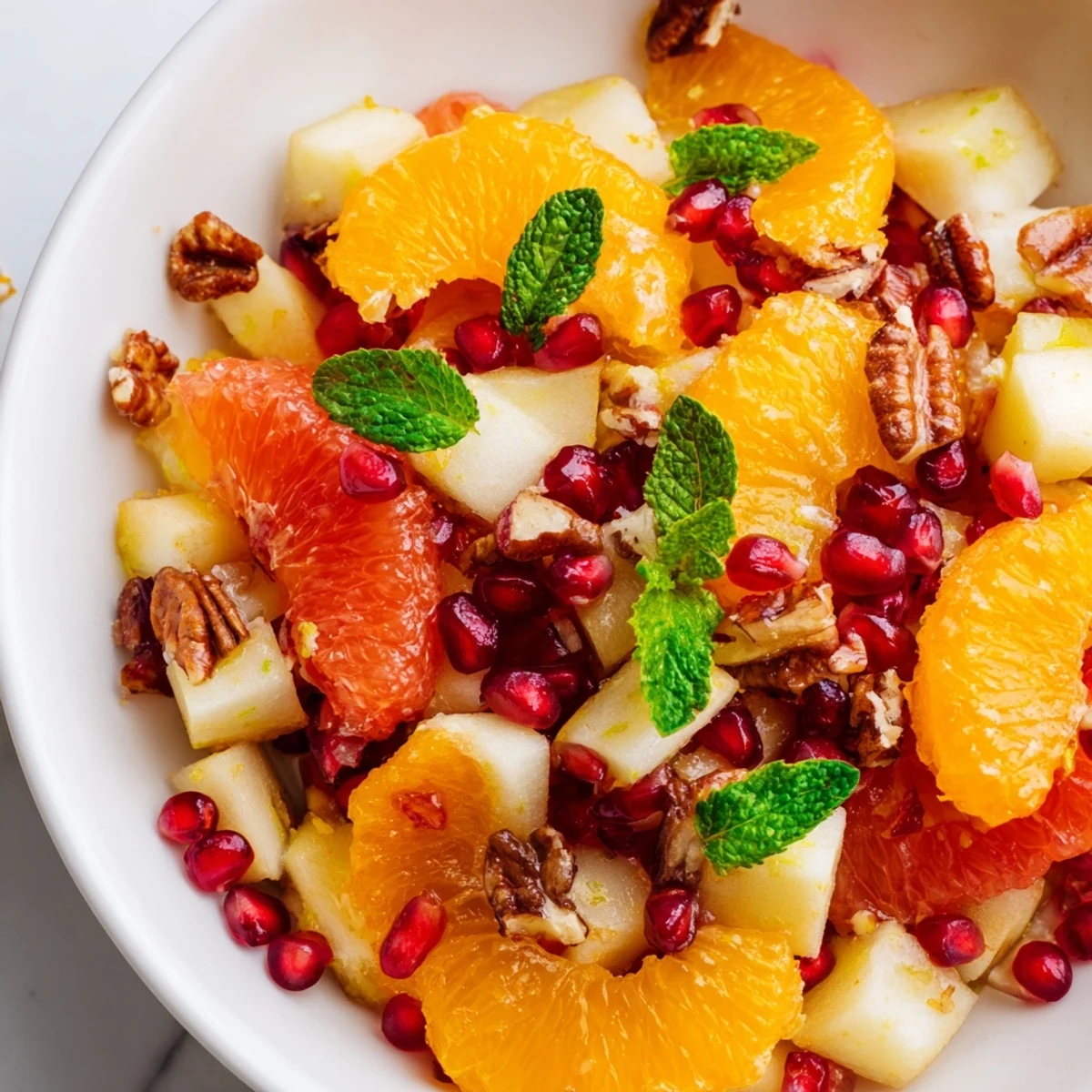
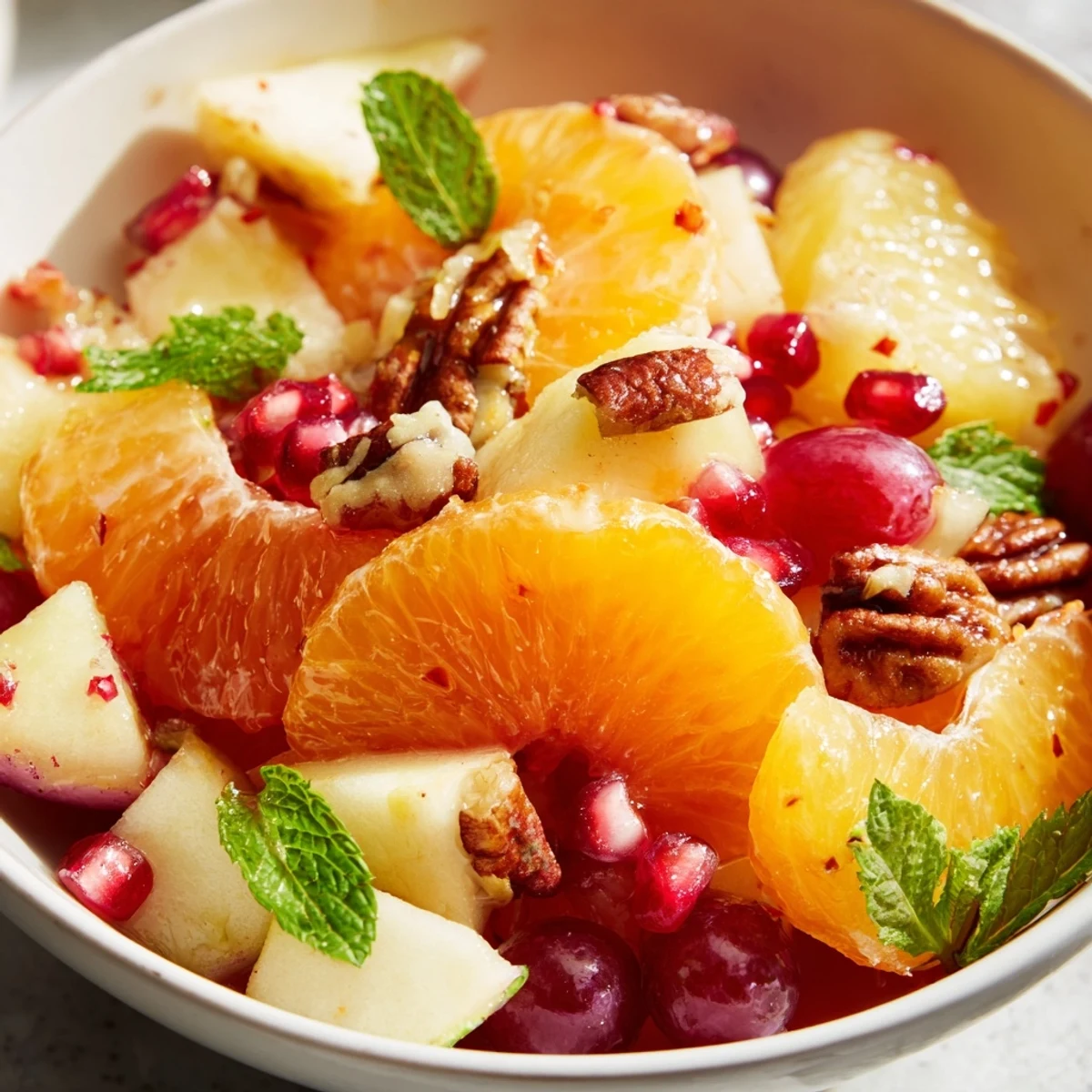
Save This vibrant winter fruit salad combines juicy segments of orange and grapefruit with diced apples, pear, and crisp pomegranate seeds. A zesty lemon and honey dressing brings a sweet-spiced touch with ground cinnamon and orange zest. Fresh mint and toasted nuts add texture and aroma, making it a refreshing choice to enliven cold days. Perfectly chilled, it offers an easy, colorful way to enjoy seasonal fruits in minutes.
There's something almost defiant about making a fruit salad in the middle of winter, when the farmers market is sparse and the season feels like it calls for something warm and heavy. But then I'd catch sight of those blood oranges and pomegranates, their jewel tones practically glowing under the fluorescent lights, and I'd remember that winter fruit has its own quiet magic. My sister sent me a photo of snow falling outside her kitchen window while she was making this salad, and that image stuck with me—the contrast of bright citrus against gray skies felt like exactly what we all needed. Now whenever January feels too long, I reach for these fruits.
I made this for a dinner party last February when everyone showed up looking exhausted from the weather, and watching their faces light up when they tasted it was one of those small kitchen victories that stays with you. The pomegranate arils caught the candlelight in a way that made the whole bowl shimmer, and my friend Mark actually paused mid-conversation to compliment it—and Mark is not someone who compliments food lightly. That moment made me realize this salad isn't just healthy; it's genuinely celebratory.
Ingredients
- Oranges and grapefruit: The citrus is your backbone here, and segments are infinitely better than slices because they shed their bitter pith and actually feel luxurious on your fork.
- Apples and pear: Choose ones that are firm but give slightly to pressure; soft ones turn to mush and lose their bright crunch.
- Pomegranate seeds: Yes, they're fussy to extract, but their bright tartness is non-negotiable—it's what makes this salad sing instead of just sitting there.
- Grapes: The red ones add both sweetness and color, and halving them makes the whole thing feel less chunky and more cohesive.
- Lemon juice and honey: The dressing is minimal on purpose; you want to taste the fruit, not dress it into submission.
- Cinnamon and orange zest: These two together create this subtle warmth that feels intentional without being obvious.
- Mint and nuts: Both are optional, but the mint actually brightens everything and the nuts add a textural contrast that makes each bite interesting.
Instructions
- Prep your fruit with intention:
- Take your time segmenting the citrus so you get clean pieces without all that white pith clinging to them—run your knife carefully between the membrane and the flesh. Dice your apples and pear right before mixing so they don't oxidize and turn gray.
- Make the dressing while your hands are clean:
- Whisk the lemon juice, honey, cinnamon, and orange zest in a small bowl until the honey dissolves completely; you'll feel the slight grit of the zest between the tines of the whisk, and that's exactly what you want.
- Combine with a gentle hand:
- Toss the fruit in that large bowl, but do it gently—you're not making juice, you're arranging a celebration. The fruit should glisten but still hold its shape.
- Finish just before serving:
- Scatter the mint and nuts on top only when you're ready to eat; they get soggy if they sit in the juice, and you want them to stay bright and crisp.
 Save
Save This salad has become my go-to thing to bring when a friend's been having a rough winter, because there's something about receiving bright, fresh food during dark months that feels like actual care. It's simple enough that it doesn't make anyone feel obligated to fuss over you, but thoughtful enough that they know you were thinking of them.
The Citrus Question
Winter citrus is genuinely better than summer citrus, even though it sounds backwards—the cold temperatures make the fruit sweeter and juicier because the tree sends everything it has into the existing fruit instead of making new blossoms. This is why January grapefruits taste like candy compared to the dry ones you find in June. When you're buying citrus for this, look for fruit that feels heavy for its size, which means it's full of juice and not just a thick rind waiting to disappoint you.
Pomegranates and the Seed Situation
I spent years avoiding pomegranates because I thought extracting the seeds was impossibly tedious and messy, until my neighbor showed me the underwater method—score the pomegranate and soak it in a bowl of water, then pop the seeds out under the water where the pith sinks and the arils float. It takes maybe five minutes, your hands don't get stained purple, and you actually feel like you've learned something. The juice stains are kind of a badge of honor anyway, so maybe don't stress about that part.
Timing and Storage
This salad is best served within two hours of assembly because the fruit releases its juices and the texture becomes softer the longer it sits, though honestly that pooled juice becomes a syrup that's delicious over morning yogurt. You can prep everything separately and store it in the fridge for up to eight hours, then assemble and dress it right before serving if you want maximum crunch.
- Don't add the banana until you're ready to serve, or it'll turn into sad brown mush.
- The dressing can be made a full day ahead and actually tastes better because the flavors meld.
- If you're bringing this somewhere, transport the dressing separately and dress it on arrival for the crispest result.
 Save
Save Winter fruit salad sounds simple because it is, but simplicity is only beautiful when every ingredient is at its best. This one tastes like you understand seasons and care about feeding people well.
Recipe FAQs
- → What fruits are best for this salad?
-
Oranges, grapefruit, apples, pears, pomegranate seeds, grapes, and optionally banana provide a refreshing blend of flavors and textures.
- → Can I substitute the nuts in the salad?
-
Yes, toasted walnuts or pecans add crunch, but pumpkin seeds work well as a nut-free alternative.
- → How is the dressing prepared?
-
A simple mix of fresh lemon juice, honey or maple syrup, ground cinnamon, and grated orange zest creates a zesty, sweet-spiced dressing.
- → Is this dish served chilled or room temperature?
-
It's best served chilled to keep the fruit fresh and the flavors vibrant, though it can be enjoyed at room temperature soon after preparation.
- → Can the salad be made vegan?
-
Yes, use maple syrup instead of honey in the dressing to keep it vegan-friendly.