
 Save
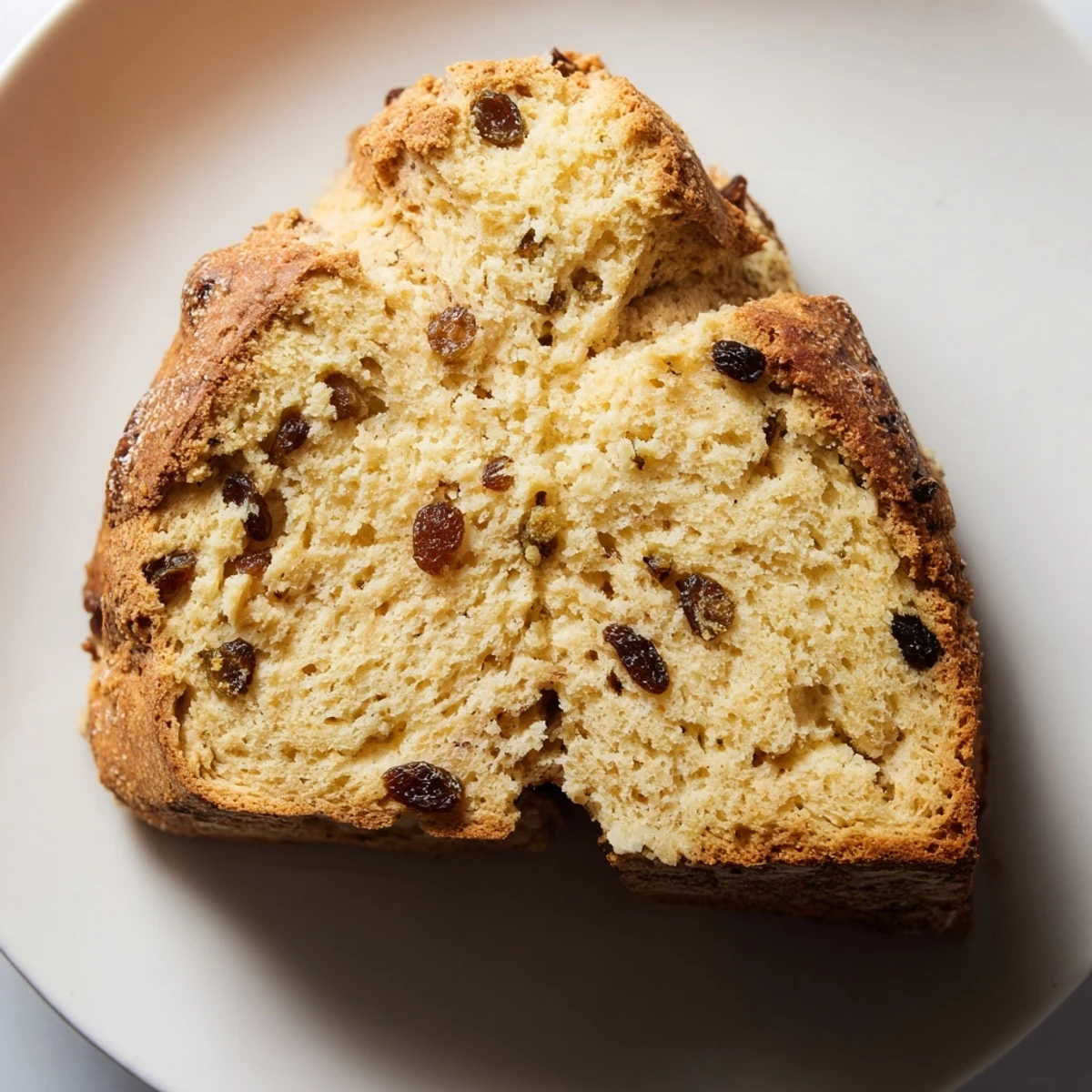
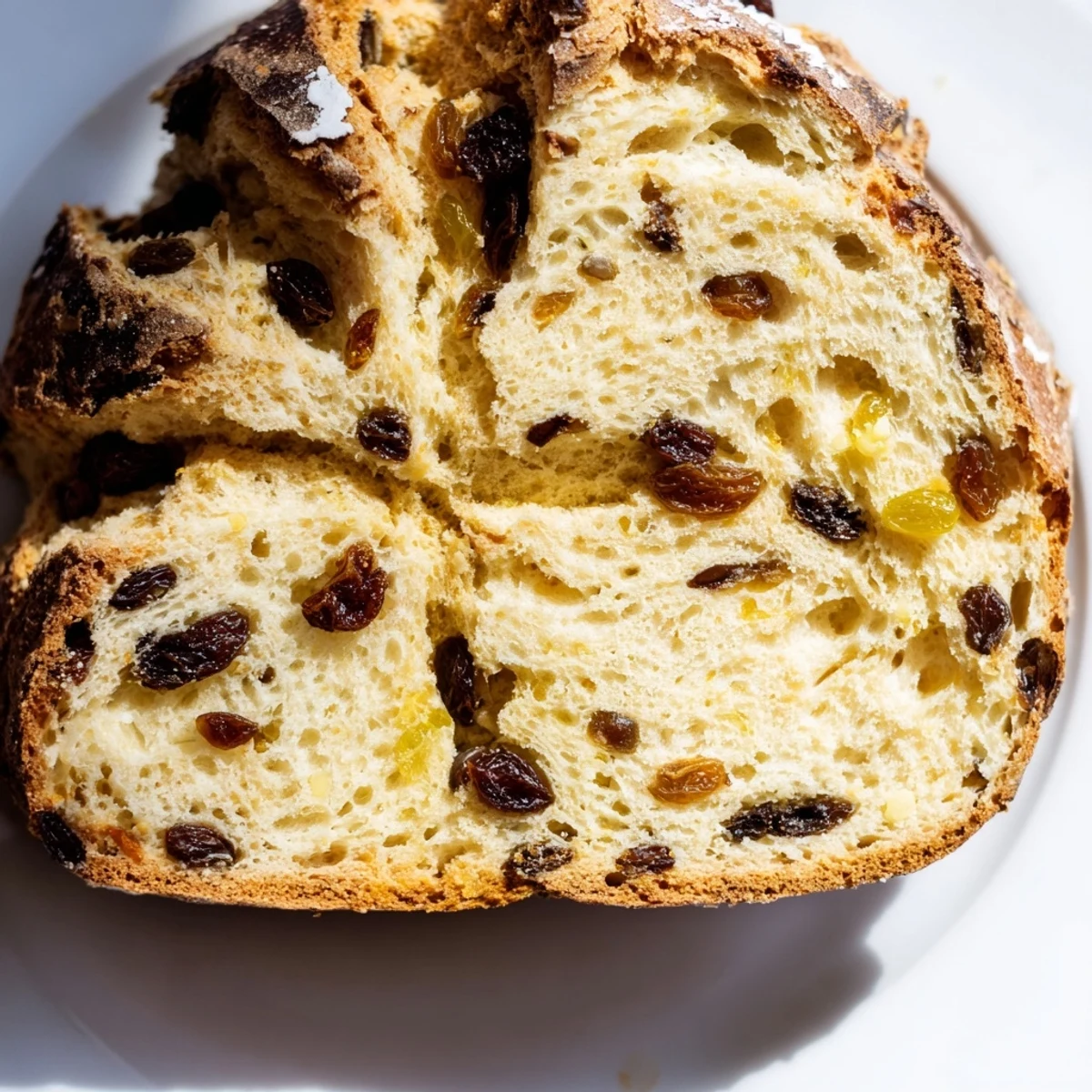
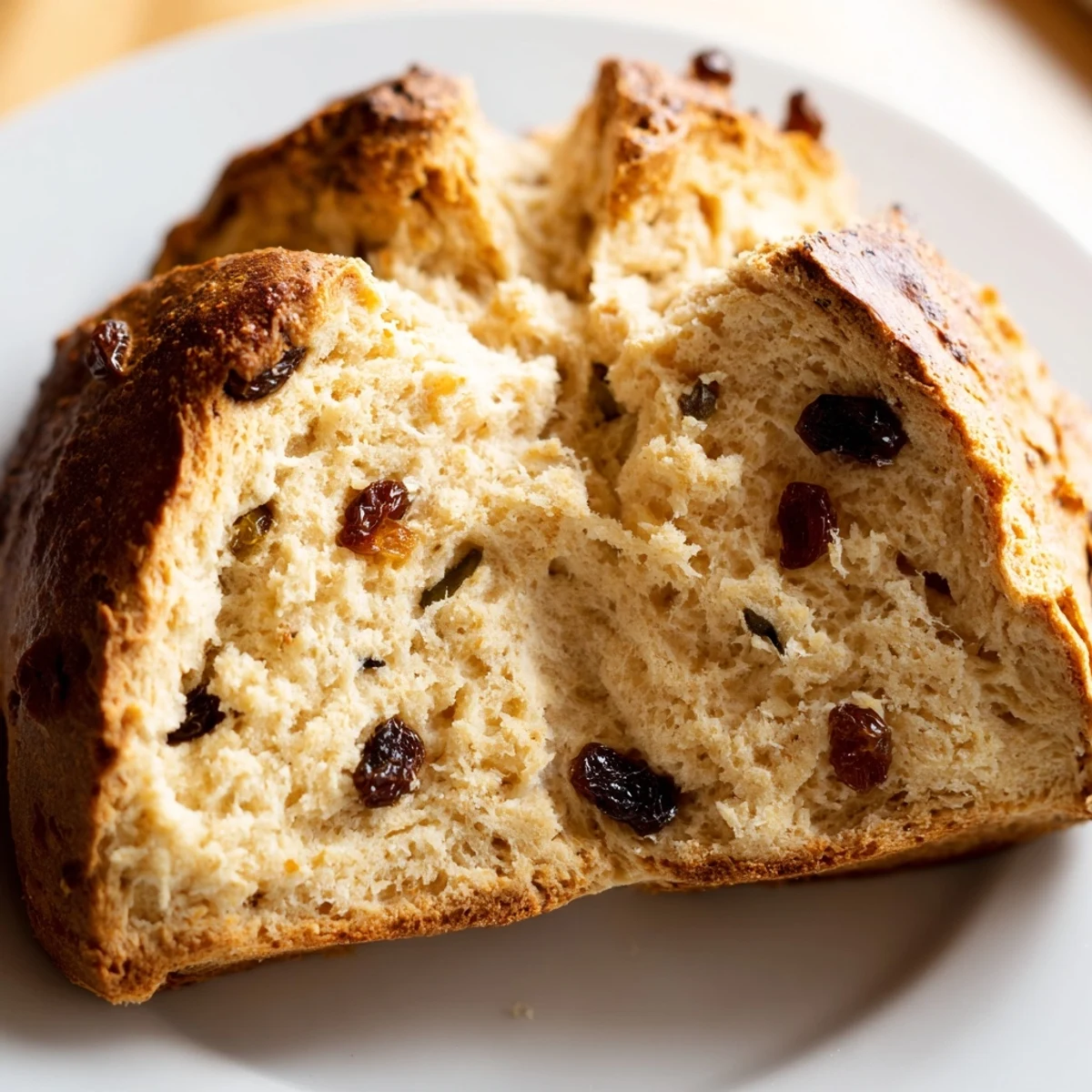
Save This Irish soda bread blends tender crumb and golden crust with sweet raisins and flavorful caraway seeds. Prepared quickly, it combines dry ingredients like flour and baking soda with buttermilk and melted butter, creating a shaggy dough gently kneaded and baked to golden perfection. The bread features a distinctive cross cut on top and cools on a wire rack before slicing. Great warm with melted butter or toasted the next day, this loaf offers a comforting, fragrant experience that highlights traditional Irish baking flavors.
The smell of caraway seeds always transports me to a tiny bakery in Dingle where the owner insisted soda bread should feel like eating clouds. I stood there watching her work flour through her fingers like she was greeting an old friend, explaining how the magic happens in the silence between mixing and baking. That afternoon changed everything I thought I knew about quick breads.
Last St. Patricks Day, I made three loaves back to back because my neighbors kept drifting over asking what smelled so incredible. We ended up slicing the second loaf warm right off the cutting board, slathering it with salted butter, and standing around the kitchen island talking until sunset. Sometimes bread does that brings people together without anyone planning it.
Ingredients
- 4 cups all purpose flour: This creates the structure and I learned weighing it makes for consistent results every single time
- 1/4 cup granulated sugar: Just enough to highlight the natural sweetness without making it feel like dessert bread
- 1 1/2 teaspoons baking soda: The leavening agent that gives this bread its signature rise and tender texture
- 1 1/2 teaspoons kosher salt: Crucial for balancing the sweetness and making all flavors sing together
- 1 tablespoon caraway seeds: These earthy little seeds are what give traditional Irish soda bread its distinctive soulful flavor
- 1 cup raisins: They plump up beautifully during baking creating pockets of natural sweetness throughout
- 1 3/4 cups buttermilk: The acidity here is what activates the baking soda and creates that lovely tender crumb
- 1 large egg: Adds richness and helps bind everything together into a cohesive dough
- 4 tablespoons unsalted butter: Melted into the buttermilk it brings a subtle richness that elevates the whole loaf
Instructions
- Get your oven ready:
- Preheat to 400°F and line your baking sheet so you can move quickly once the dough comes together
- Whisk the dry team:
- Combine flour, sugar, baking soda, salt and those fragrant caraway seeds until they are one happy family
- Coat the raisins:
- Toss them through the flour mixture which keeps them from sinking to the bottom while baking
- Mix the wet ingredients:
- Whisk buttermilk, egg and melted butter until completely blended and smooth
- Bring it together:
- Make a well in the center pour in the wet mixture and stir with a wooden spoon just until a shaggy dough forms
- Gentle kneading:
- Turn onto a floured surface and knead just 5 to 8 times enough to shape it into a round about 7 or 8 inches across
- The signature cross:
- Place on your prepared sheet and cut a deep X across the top with a sharp knife to help it bake evenly
- Bake to golden perfection:
- 35 to 40 minutes until beautifully browned and a skewer comes out clean tenting with foil after 25 minutes if needed
- Patience pays off:
- Let it cool on a wire rack for at least 20 minutes because slicing warm bread is worth the wait
 Save
Save My aunt Sarah taught me that soda bread is about trusting simplicity. She would say the less you fuss with it the better it turns out and after watching her make countless loaves I finally understand that some magic happens when you step back and let ingredients do their work.
Getting The Perfect Texture
The key is handling the dough as little as possible once the wet ingredients hit the flour. I used to keep working it trying to make it smooth but learned that shaggy and rough is exactly what creates those beautiful tender crumb pockets that make soda bread so special.
Making It Your Own
Sometimes I swap currants for raisins or add a handful of chopped fresh rosemary when I want something more savory. The recipe is wonderfully forgiving and welcomes experimentation while staying true to its Irish roots.
Serving Ideas
Nothing beats a thick slice warm from the oven with salted butter melting into every crumb. The next day try toasting leftovers and serving alongside a hearty soup or stew.
- Brush the warm loaf with extra melted butter right after baking for a beautiful shine
- Wrap tightly and it will stay fresh for two days though it rarely lasts that long
- Day old bread makes incredible French toast or bread pudding
 Save
Save There is something deeply satisfying about a bread that requires no waiting no rising no proofing just simple ingredients transformed into something nourishing and delicious.
Recipe FAQs
- → What gives this bread its rise without yeast?
-
Baking soda reacts with the buttermilk’s acidity, producing carbon dioxide bubbles that help the dough rise and create a light crumb.
- → Can I substitute raisins with other dried fruits?
-
Yes, currants or dried cranberries are excellent alternatives that complement the bread's flavors.
- → Why is the dough only gently kneaded?
-
Gentle kneading prevents overdeveloping gluten, keeping the bread tender rather than tough.
- → What is the purpose of the cross cut on the loaf?
-
Cutting a deep X helps the bread expand evenly during baking and creates its iconic appearance.
- → How should I store leftovers to maintain freshness?
-
Wrap the cooled bread tightly and store at room temperature. It also makes excellent toasted slices the next day.