
 Save
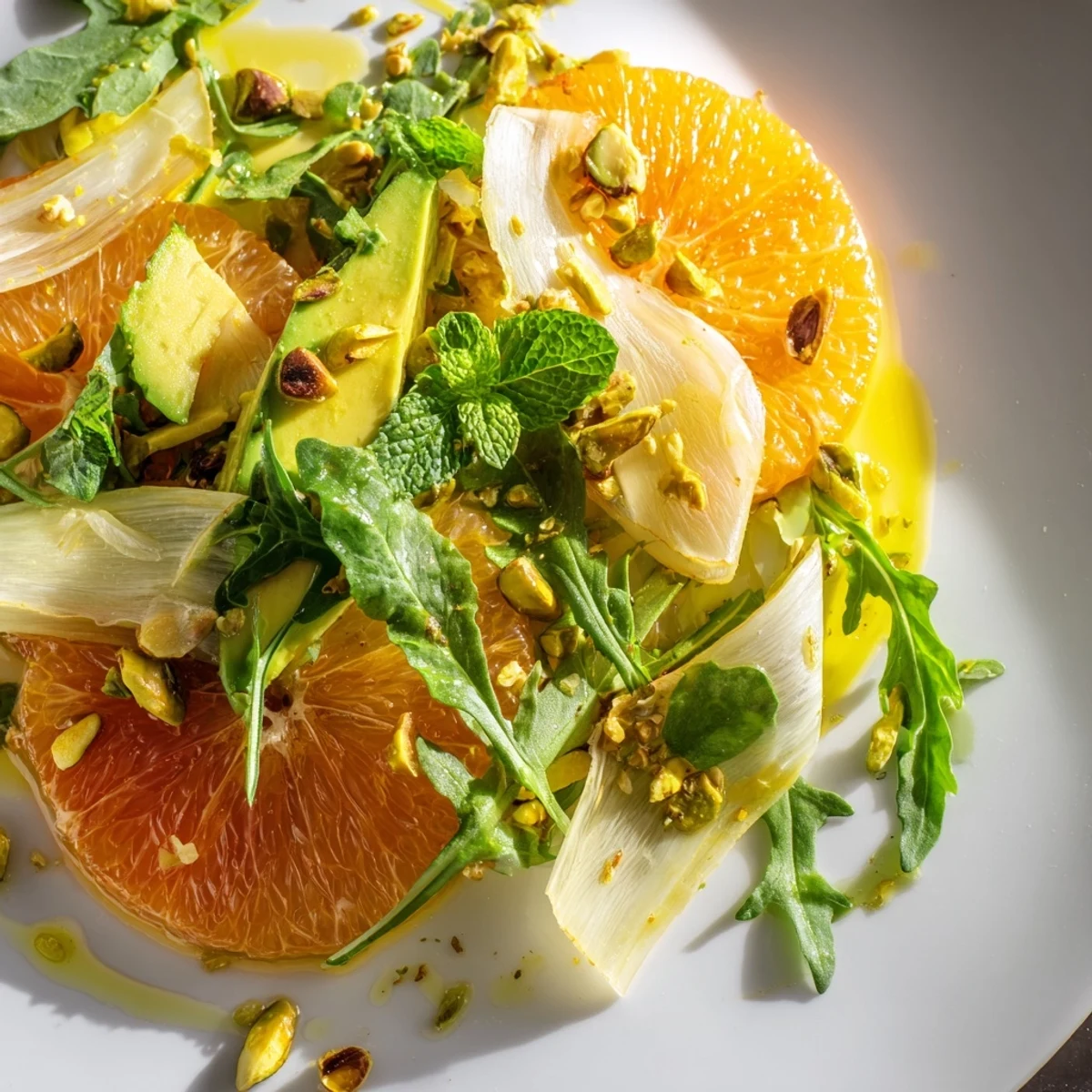
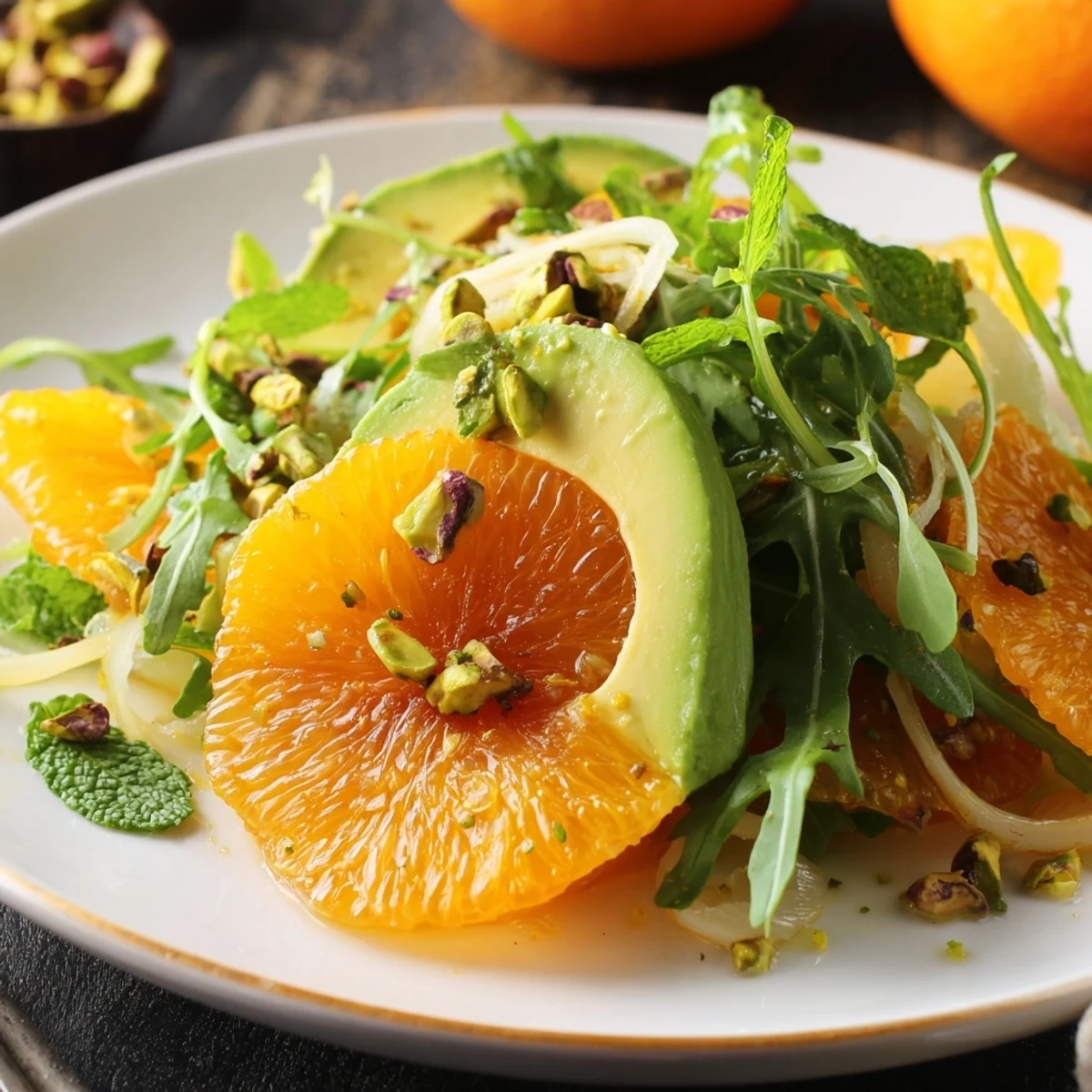
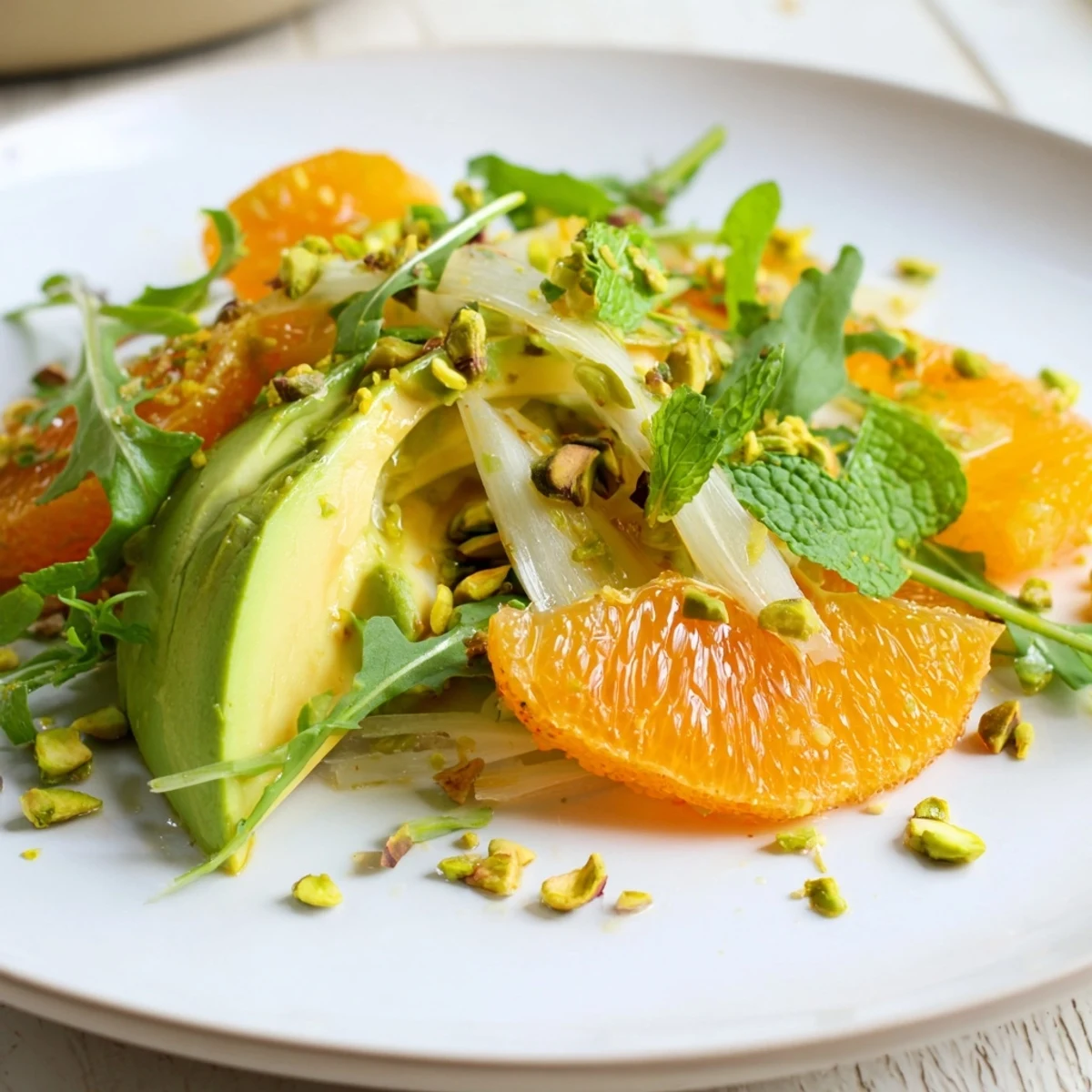
Save This vibrant salad combines juicy winter oranges and grapefruit with thinly sliced fennel and ripe avocado for a refreshing contrast of flavors and textures. Tossed with a light dressing of olive oil, lemon juice, and a hint of sweetness, it’s topped with toasted nuts and fresh mint to add crunch and aroma. Quick to prepare and naturally gluten-free and vegan-friendly, this salad brings a fresh, bright note to cooler days.
There's something about those first cold mornings of the year that makes me crave bright, unexpected flavors. I was standing in my kitchen one January, feeling genuinely tired of heavy foods, when I spotted those blood oranges gleaming in the fruit bowl like little jewels. That's when the idea struck—why not pile them into a salad with that fennel bulb I'd been meaning to use, some creamy avocado, and just enough greens to make it feel intentional? Twenty minutes later, I had something that tasted like winter was finally admitting spring might come.
I made this for friends on a gray Saturday in February, and someone actually said it was the first time she'd tasted something that made winter feel less inevitable. The avocado had just reached that perfect creamy point, the nuts were still warm from toasting, and when the light hit the platter just right, even the kitchen felt less cold.
Ingredients
- Blood or Cara Cara oranges (2 large): These varieties have a deeper sweetness and almost burgundy flesh that looks stunning on the plate, though regular oranges work fine if that's what you have.
- Grapefruit (1 large): Choose one that feels heavy for its size, a sign it's full of juice and will contrast beautifully with the sweeter citrus.
- Fennel bulb (1 small): Slice it paper-thin with a sharp knife or mandoline, and you'll unlock its delicate anise flavor without any harshness.
- Avocado (1 ripe): Add this just before serving, since it browns quickly once exposed to air.
- Arugula or mixed baby greens (2 cups): These provide a peppery base that grounds the sweetness of the fruit.
- Fresh mint (2 tablespoons): Tear it by hand just before serving to preserve its fragrance and prevent bruising.
- Extra-virgin olive oil (2 tablespoons): Use one you actually like drinking, because you'll taste every drop in this simple dressing.
- Fresh lemon juice (1 tablespoon): Freshly squeezed is non-negotiable here; bottled won't give you the same brightness.
- Honey or maple syrup (1 teaspoon, optional): Just a whisper of sweetness to round out the dressing, though the salad is delicious without it.
- Sea salt and black pepper: Don't skip the freshly ground pepper; pre-ground tastes flat by comparison.
- Toasted pistachios or almonds (2 tablespoons): Toast them yourself if you can, even in a dry skillet for just a few minutes, and the whole salad suddenly feels more intentional.
- Orange zest (optional): A microplane makes this easy and adds a sophisticated finish.
Instructions
- Make the dressing first:
- Whisk together the olive oil, lemon juice, honey or maple syrup, salt, and pepper in a small bowl, tasting as you go. This is where the whole salad's flavor really lives, so take a second to make sure it tastes good to you.
- Build your base:
- Arrange the arugula or mixed greens on a large serving platter, spreading them out so they form a loose, inviting bed. Don't pack them down or you'll bruise the delicate leaves.
- Layer the citrus:
- Arrange the orange and grapefruit slices over the greens in slightly overlapping rows, like you're painting with fruit. The visual contrast between the two citrus colors is half the appeal here.
- Add texture and creaminess:
- Scatter the thinly sliced fennel across the citrus, then arrange the avocado slices in the gaps. The fennel's crunch against the avocado's softness is a small moment of kitchen joy.
- Dress the salad:
- Drizzle the dressing evenly over everything, letting it settle into the crevices between the fruit and greens. Don't be timid; a properly dressed salad tastes like you meant it.
- Final touches:
- Tear the mint leaves by hand and scatter them across the top, then finish with the toasted nuts and orange zest if you're using it. Serve immediately, because avocado waits for no one.
 Save
Save What strikes me most about this salad is how it manages to feel both light and satisfying, like you've eaten something real but your afternoon isn't weighed down by it. There's something honest about a salad built on just-cut fruit and a whisper of dressing, the kind of thing you'd make for yourself on a quiet day or for guests you genuinely want to impress.
Why Fennel Changes Everything
The fennel is honestly what transforms this from a standard fruit salad into something that feels intentional and surprising. Its subtle anise flavor creates this beautiful moment where the sweetness of the citrus suddenly feels more complex, less straightforward. You get that delicate crunch too, which keeps the whole thing from feeling soft or muddled together. Slice it thin enough and it becomes almost silky, never tough or overwhelming.
Timing and Preparation
The beauty of this salad is its speed, but that only works if you set yourself up right. Peel and slice your citrus first and let it sit on paper towels so it doesn't pool with excess juice on your platter. Next, slice the fennel and avocado just before assembly, keeping the avocado in its skin until the very last moment. This way, you're not scrambling when friends arrive, and everything tastes as fresh as it should.
Making It Your Own
There's real freedom in how adaptable this salad is, depending on what you have and what season you're in. Some days I add a handful of pomegranate seeds for tartness and texture, other times I'll slip in thin slices of red onion for a quiet bite. If you're not vegan, crumbled feta or goat cheese brings a salty creaminess that plays beautifully against the citrus, though the salad is absolutely complete without it.
- Try pomegranate seeds or thinly sliced red onion to shift the flavor and texture in a new direction.
- If you add cheese, use it sparingly so the fruit and fennel stay the main event.
- A splash of pomegranate molasses in the dressing takes everything to another level if you happen to have it on hand.
 Save
Save This salad has become my reliable answer when I want something that feels both nourishing and joyful, the kind of dish that makes January feel less like a punishment and more like an opportunity. Make it for yourself first, and then you'll know exactly why to make it for the people you care about.
Recipe FAQs
- → What citrus fruits work best in this salad?
-
Blood oranges or Cara Cara oranges paired with grapefruit offer a juicy, sweet, and tangy balance ideal for this mix.
- → How should the fennel be prepared?
-
Thinly slice the fennel bulb to add a crisp, mildly licorice flavor that complements the citrus and avocado.
- → Can I substitute the nuts in the topping?
-
Toasted pistachios or sliced almonds provide crunch but feel free to use other nuts or seeds based on preference or allergies.
- → What dressing ingredients enhance the flavors?
-
A simple dressing of extra-virgin olive oil, fresh lemon juice, and a touch of honey or maple syrup balances acidity and sweetness.
- → Is this salad suitable for special diets?
-
Yes, it’s naturally vegan and gluten-free as prepared, making it a good choice for many dietary preferences.