
 Save
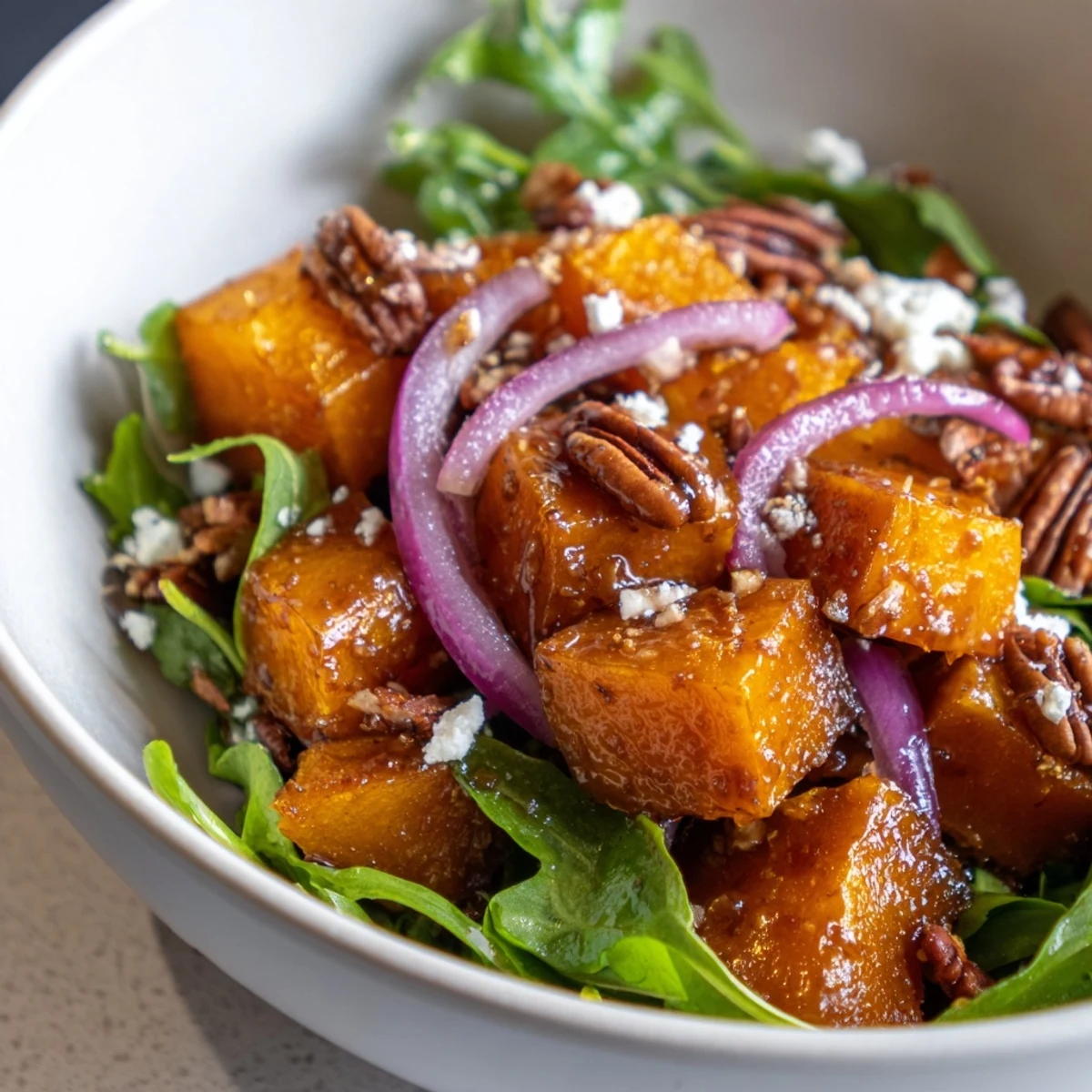
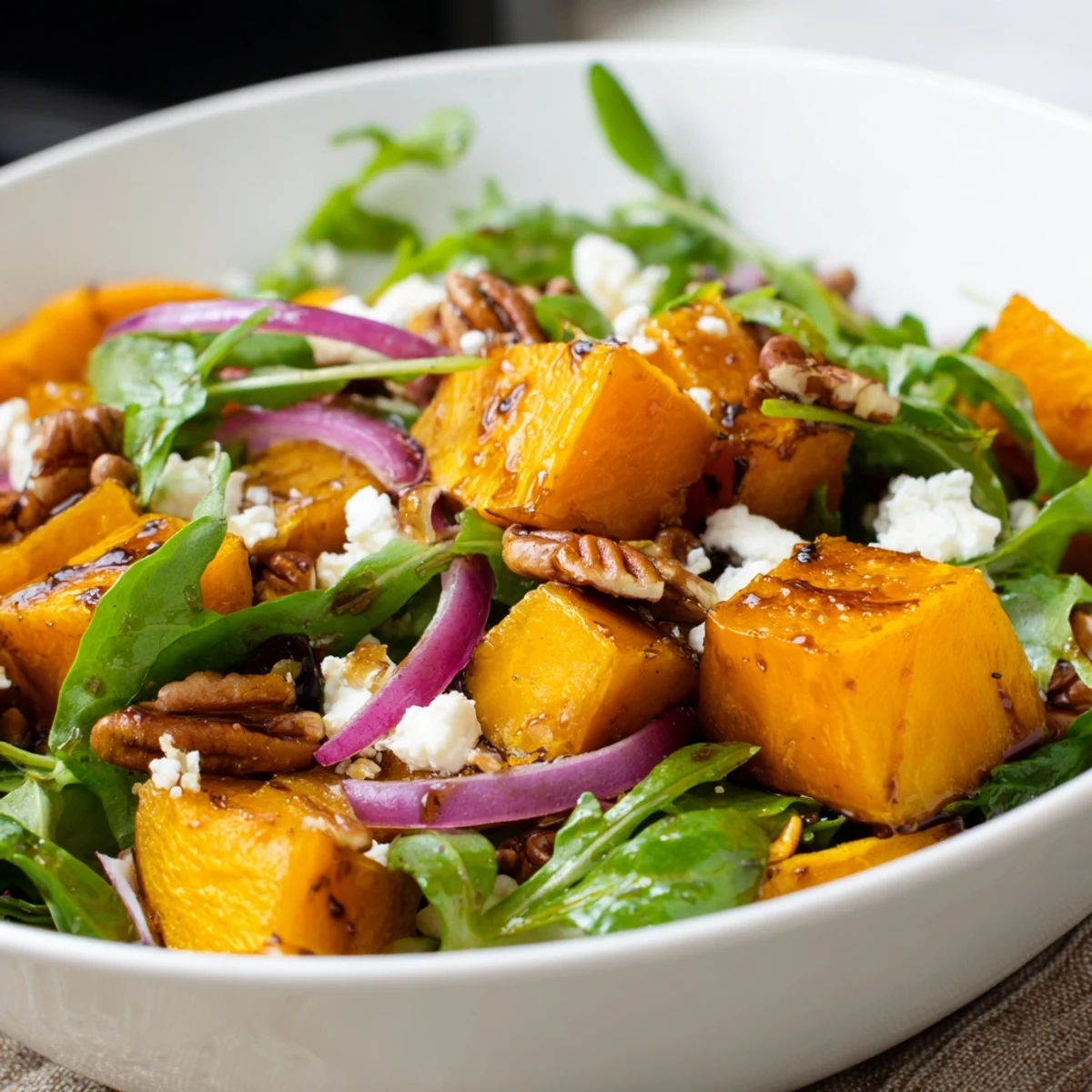
Save This vibrant dish showcases roasted butternut squash caramelized to a tender golden finish, paired with crunchy toasted pecans and a medley of fresh mixed greens. A tangy maple-balsamic vinaigrette ties the flavors together, offering a perfect balance of sweet and savory notes. Simple preparation and roasting techniques highlight seasonal produce while delivering a nourishing and flavorful green bowl option.
There's something about autumn that makes me crave salads with substance, the kind that doesn't leave you thinking about dessert twenty minutes later. I discovered this combination by accident one October afternoon when I had roasted butternut squash cooling on the counter and a handful of pecans from last year's harvest still tucked in the pantry. The maple-balsamic dressing came together almost without thinking, and suddenly I had created something that felt both nourishing and indulgent at the same time.
I made this for a potluck where everyone else brought heavy casseroles, and I watched people come back for thirds of something that felt almost too simple. One friend asked for the recipe right there at the table, and I realized how often we underestimate the power of doing basic things really well instead of chasing complexity.
Ingredients
- Butternut squash: Buy one that feels heavy for its size and has a tan, unblemished skin; this means it's ripe and will have natural sweetness that deepens when roasted.
- Mixed salad greens: A combination gives you different textures and tastes, but use whatever is freshest at your market because quality greens make the whole dish sing.
- Red onion: Slicing it thin means it won't overpower everything else, and the slight sharpness becomes a crucial contrast to the sweetness of the squash.
- Pecan halves: Toasting them yourself makes such a difference that it's worth the three minutes it takes; they become almost buttery and won't taste stale.
- Feta cheese: Optional but recommended because the tanginess is what prevents this from becoming one-note sweet, though crumbled goat cheese works beautifully too.
- Extra virgin olive oil: Don't use your cooking oil here; a good one you actually enjoy tasting matters because you'll notice it in every bite.
- Balsamic vinegar: The maple syrup needs an acidic partner, and balsamic is both sweet and sharp in a way that feels natural to the dish.
- Pure maple syrup: Check the label because pancake syrup is mostly corn syrup, and that changes the entire flavor profile of your dressing.
- Dijon mustard: This acts as an emulsifier to help the dressing come together smoothly, plus it adds a subtle sophistication without tasting spicy.
Instructions
- Get your oven ready and prep the squash:
- Set the oven to 400°F and line your baking sheet with parchment paper so nothing sticks. While it preheats, peel and cube your squash, which is easier than it sounds if you use a sharp knife and work methodically rather than rushing.
- Season and spread:
- Toss the cubes with olive oil, salt, and pepper until every piece is glossy, then spread them in a single layer so they can get golden and caramelized rather than steamed. This is the moment that determines whether your salad will taste like roasted vegetables or like something that was cooked without intention.
- Roast until tender:
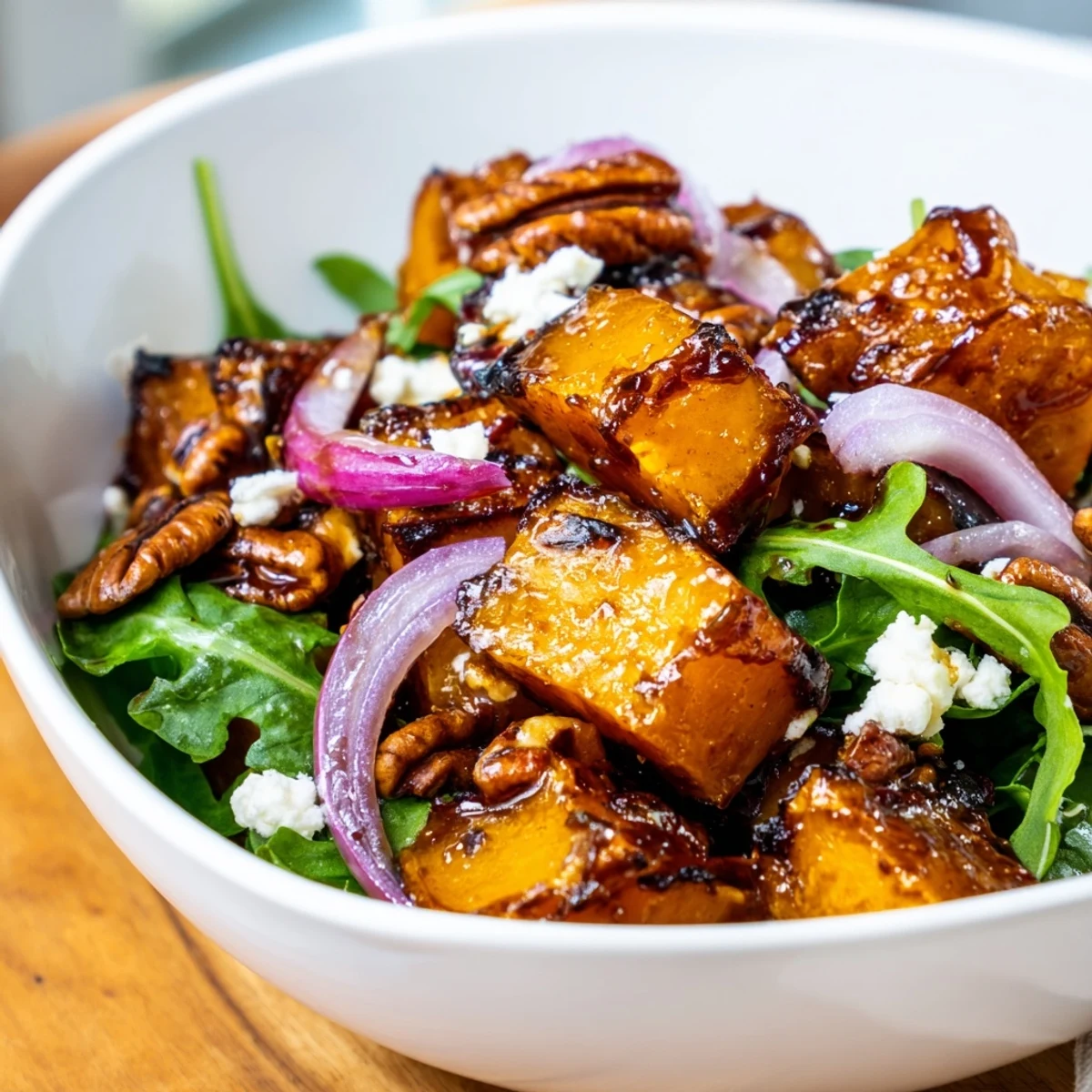
- After about fifteen minutes, stir the squash so it browns evenly on all sides, then let it finish cooking until a fork goes through easily. The edges should look slightly charred and deeply golden, which is when the magic happens flavor-wise.
- Toast the pecans:
- While the squash finishes roasting, put your pecans in a dry skillet over medium heat and listen for them to smell toasty and warm. This usually takes about three to four minutes, and it's one of those small steps that completely transforms the final dish from pleasant to memorable.
- Make the dressing:
- In a small bowl, whisk together your olive oil, vinegar, maple syrup, mustard, salt, and pepper until it looks smooth and slightly emulsified. Taste it on a spoon or a leaf of greens and adjust the balance; if it tastes too acidic, a tiny bit more maple syrup mellows it, and if it tastes flat, salt is your friend.
- Assemble while warm:
- Put your greens in a large bowl, then add the still-warm squash, the thin-sliced onion, toasted pecans, and feta if you're using it. The warmth of the squash will gently wilt the greens just slightly without turning them into something sad and limp.
- Dress and serve:
- Drizzle generously with your dressing and toss everything together gently so you don't bruise the greens or mash the squash. Serve it immediately while the squash still has warmth and the pecans still have their crispy texture.
 Save
Save I made this salad for my mother the winter she was tired of heavy food, and watching her eat something colorful and full of texture felt like a small kindness. It became a regular request after that, which meant I had finally made something that felt like care in edible form.
Why This Salad Works as a Complete Meal
Most salads leave you hungry because they're mostly water and air, but the combination of roasted squash, creamy cheese, and good fat from pecans and olive oil actually satisfies. The maple-balsamic dressing ties everything together into something that tastes intentional and composed rather than like a collection of ingredients that happened to land in the same bowl.
Seasonal Variations That Keep It Interesting
In autumn, exactly as written, it's perfect alongside roasted chicken or grilled fish. Come winter, add dried cranberries or pomegranate seeds if you can find them; they add a sweet-tart brightness that feels celebratory without being over the top.
Adjustments for Different Diets and Preferences
This recipe bends easily to whatever you have on hand or need to avoid, which makes it the kind of dish you return to again and again. Here's what I've learned works: substitute goat cheese for feta if you want something tangier, use dairy-free cheese or skip cheese entirely for vegan versions, and replace pecans with toasted pumpkin seeds if tree nuts are a concern in your home.
- Walnuts or hazelnuts work in place of pecans if that's what you have, though the flavor will shift slightly toward earthier than buttery.
- Any good vinaigrette works with this salad, so if you love a lemon-herb or shallot dressing, use that instead of changing the squash or greens.
- Make the salad without feta and it becomes a completely satisfying vegan dish that doesn't taste like it's missing anything.
 Save
Save This is the kind of recipe that reminds you why cooking at home matters, where small choices like toasting nuts and making dressing from scratch turn something ordinary into something memorable. Make it once and you'll make it again.
Recipe FAQs
- → How do I roast butternut squash evenly?
-
Cut the squash into even cubes and spread them in a single layer on a baking sheet. Roast at 400°F (200°C), turning halfway for uniform caramelization and tenderness.
- → Can I substitute pecans with other nuts?
-
Yes, walnuts or hazelnuts work well as an alternative and add a different crunchy texture and flavor profile.
- → What is the purpose of maple syrup in the dressing?
-
Maple syrup balances the acidity of balsamic vinegar with natural sweetness, creating a smooth, tangy dressing.
- → Is feta cheese necessary for this dish?
-
Feta adds a creamy, salty element but can be omitted or replaced with goat cheese for a similar tangy effect or excluded for dairy-free preferences.
- → How can I make the salad more colorful?
-
Add dried cranberries or pomegranate seeds for a sweet-tart burst and additional visual appeal.
- → Can this be prepared ahead of time?
-
Roast the squash and toast nuts in advance, but toss greens and dressing just before serving to maintain freshness.