
 Save
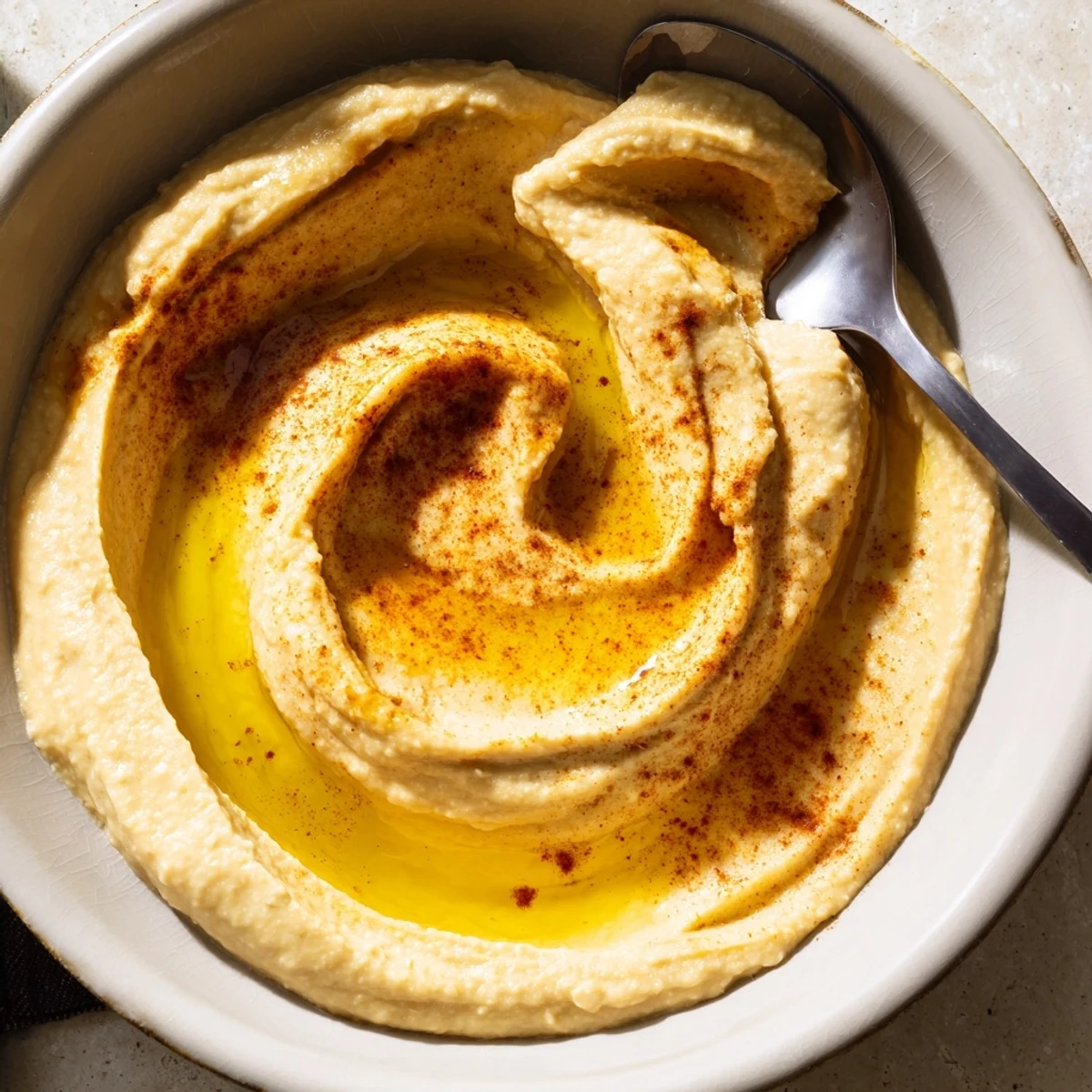
Save This vibrant Mediterranean platter features homemade creamy hummus blended from chickpeas, tahini, lemon juice, and garlic, surrounded by an array of crisp, colorful vegetables including cherry tomatoes, cucumber, bell peppers, and carrots. Complemented by kalamata olives, marinated artichoke hearts, roasted red peppers, and optional feta cheese, this shareable platter takes just 20 minutes to prepare. Perfect for entertaining guests or enjoying as a nutritious snack, it's naturally vegan and gluten-free when served with gluten-free crackers. Customize the vegetable selection based on seasonal availability and personal preference.
The first time I served a Mediterranean hummus platter was during an impromptu summer gathering that turned into a night-long conversation on my patio. There's something about the vibrant colors against the creamy canvas of hummus that draws people in before they've taken a single bite. I'd been experimenting with homemade hummus for weeks, tweaking the garlic and lemon ratios until the balance felt just right.
Last spring, I brought this platter to my friend Maria's birthday picnic at the beach. As we sat on blankets with the waves crashing nearby, everyone kept reaching for more veggies to swipe through the hummus. Even Maria's teenager, who typically avoids anything resembling a vegetable, couldn't resist the colorful display, which felt like its own small victory.
Ingredients
- Chickpeas: I once tried making this with freshly cooked chickpeas instead of canned, and while it takes more time, the silky texture was noticeably superior if you can spare the extra effort.
- Tahini: Look for a brand that's not bitter and stir thoroughly before measuring, as the oil separates when sitting.
- Fresh vegetables: The contrast of crisp, raw vegetables against creamy hummus creates that perfect textural balance I crave.
- Kalamata olives: These bring that distinctive Mediterranean brininess that makes the whole platter come alive with authentic flavor.
Instructions
- Blend with patience:
- When making the hummus, let your food processor run longer than you think necessary. That extra minute transforms the texture from grainy to luxuriously smooth.
- Create the swirl:
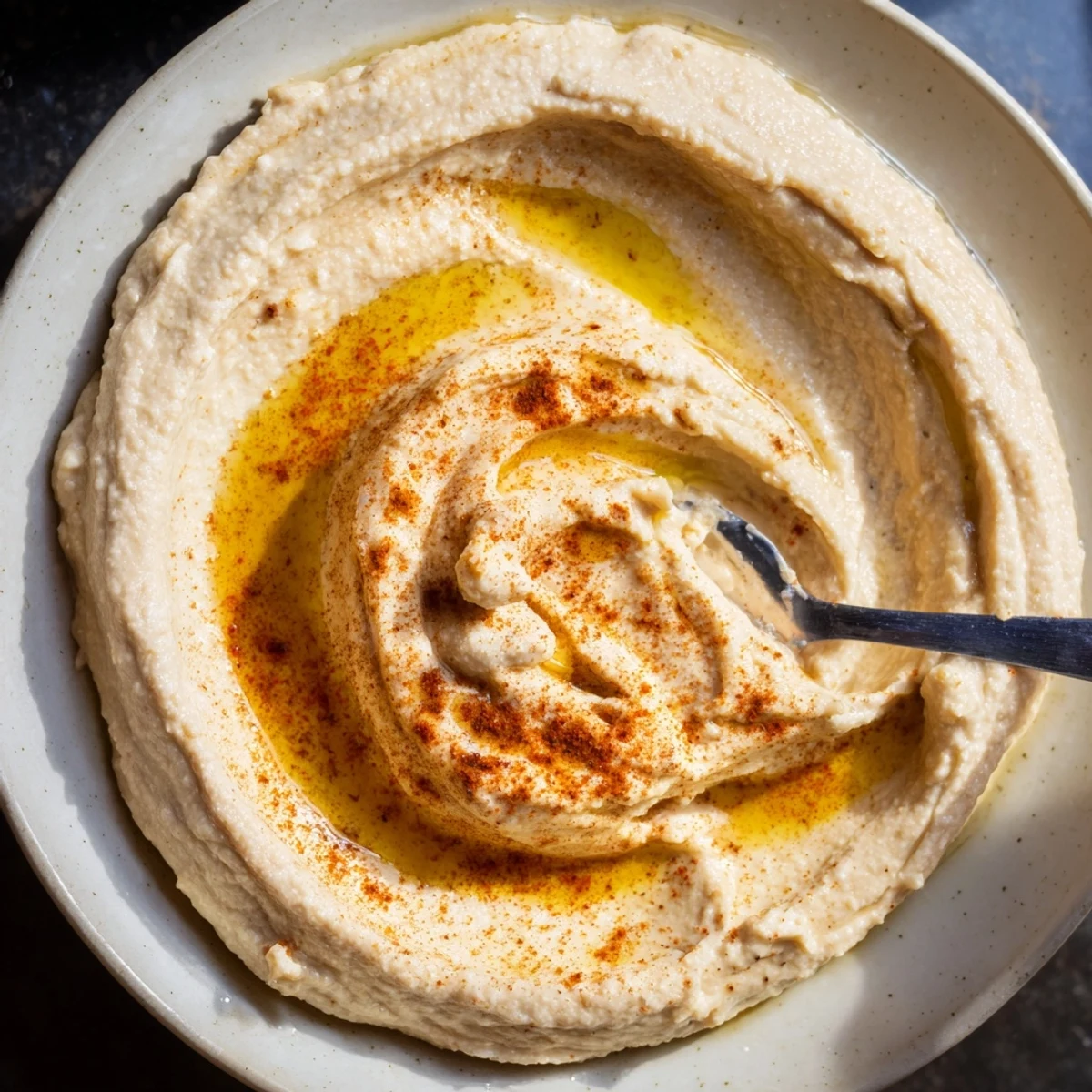
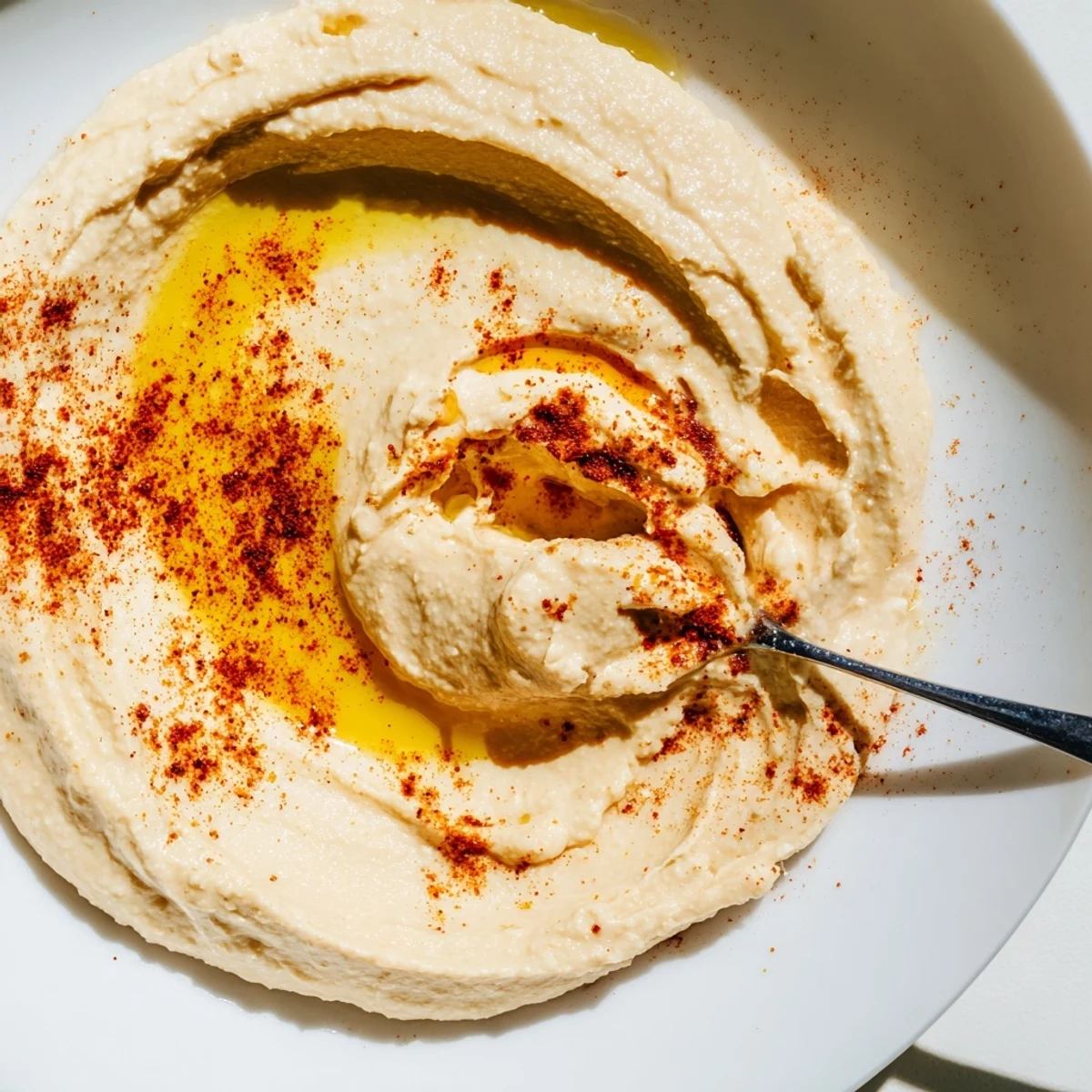
- The distinctive hummus swirl isn't just for looks - those ridges catch the olive oil and spices, creating flavor pockets throughout. Run the back of a spoon in a spiral motion, pressing gently.
- Build your color wheel:
- Arrange vegetables by color for visual impact, alternating between the bright reds of tomatoes and peppers with the greens of cucumber and snap peas. The platter practically creates itself when you follow the rainbow.
- Serve at room temperature:
- Allow the hummus to sit out for 15 minutes before serving. The flavors open up significantly when not cold from the refrigerator.
 Save
Save One evening, as thunder rumbled outside, I put together this platter with what remained in my fridge. My partner and I sat cross-legged on the living room floor, scooping up hummus with vegetables as rain pattered against the windows. Something about the simplicity of good ingredients and comfortable silence transformed that ordinary Tuesday into something memorable.
Customization Options
Over countless iterations of this platter, I've found it welcomes seasonal adaptations with open arms. Winter platters might include roasted carrots and cauliflower florets, while summer versions burst with peak-season cherry tomatoes and tender young zucchini. The hummus serves as a neutral canvas for whatever your garden or market provides.
Making It Ahead
The hummus actually improves with time as the flavors meld together in the refrigerator. I've made it up to three days ahead, keeping it covered with a thin layer of olive oil to prevent it from drying out. Just remember to bring it to room temperature before serving, and add that final drizzle of olive oil and sprinkle of paprika right before guests arrive.
Serving Suggestions
While pita is traditional, I've discovered that offering a variety of dipping vessels elevates the experience even further. Endive leaves provide elegant, boat-shaped scoops, while watermelon radish slices add a stunning visual element that most guests have never encountered.
- For a complete mezze experience, add warm flatbreads, marinated feta, and a small bowl of tzatziki alongside your platter.
- Keep refilling empty spaces as guests graze - a platter that maintains its abundance feels more generous than one that's picked over.
- Remember that room temperature brings out the flavors, so avoid refrigerating the platter once you've arranged it.
 Save
Save This Mediterranean platter has become my signature offering, the dish friends request when we gather. Its beauty lies not just in its appearance but in how it brings people together, creating moments of connection as hands reach toward the same colorful bounty.
Recipe FAQs
- → Can I make the hummus ahead of time?
-
Yes, hummus can be prepared up to 3 days in advance. Store it in an airtight container in the refrigerator. Arrange the vegetables and accompaniments just before serving to maintain their crispness and vibrant color.
- → How do I keep vegetables fresh and crisp?
-
Prepare vegetables 2-3 hours before serving and store them in water in the refrigerator to maintain crispness. Pat dry before arranging on the platter to prevent excess moisture from affecting the hummus.
- → What vegetables work best as substitutes?
-
Seasonal options include zucchini, celery, endive, broccoli florets, cauliflower, green beans, and fennel. Choose vegetables that offer varied textures and colors for visual appeal and complementary flavors.
- → How do I make this fully vegan?
-
Simply omit the feta cheese, which is the only animal product. The hummus is naturally vegan when prepared as written. Serve with vegan-friendly crackers or gluten-free pita for a completely plant-based option.
- → What beverages pair well with this platter?
-
A crisp Sauvignon Blanc complements the fresh vegetables beautifully. For non-alcoholic options, sparkling water with lemon or a light white wine alternative works wonderfully.
- → Can I add protein to make it more substantial?
-
Absolutely. Consider adding chickpeas roasted with spices, grilled chicken slices, hard-boiled eggs, or white beans. These additions enhance nutritional value while maintaining the Mediterranean theme.