
 Save
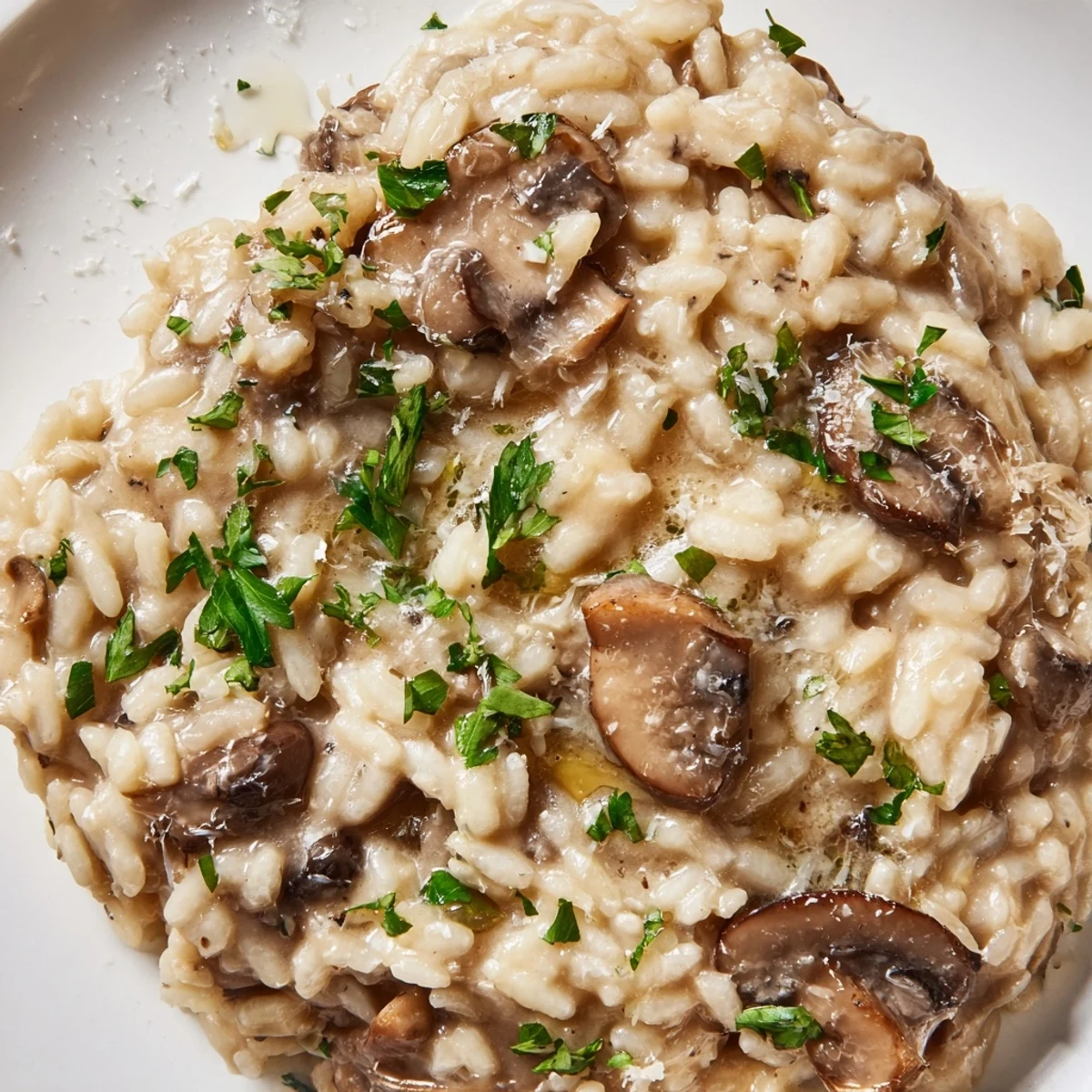
Save This Italian dish features creamy Arborio rice gently cooked in warm vegetable broth and enriched with sautéed mixed mushrooms. Finished with Parmesan, butter, and a touch of cream, it is elegantly accented by a drizzle of aromatic truffle oil and fresh parsley. The texture is velvety and rich, offering a harmonious blend of earthy mushrooms and delicate flavors, perfected over a gradual absorption technique ensuring a luscious, al dente consistency.
There's a moment in every kitchen when you stop rushing and actually listen—the soft whisper of rice grains toasting in butter, the quiet sizzle of mushrooms releasing their earthy moisture. I discovered risotto on an ordinary Tuesday night, standing at a friend's stove in Milan, watching her stir with the kind of patience that made the whole dish feel like meditation. She never followed a timer, just knew by feel when each ladle of broth had been welcomed by the rice. That night taught me that risotto isn't complicated—it just asks you to stay present.
I made this for my partner on a rainy evening when the farmers market had overflowing mushroom baskets, and the smell of truffle oil hitting the hot risotto stopped him mid-conversation—the kind of aromatic surprise that makes people believe you've been cooking for hours. He said it tasted like the fancy restaurant we'd been meaning to visit but never quite got around to, except warmer somehow, made with hands he recognized in the kitchen. That's when I understood risotto's real superpower: it transforms ingredients into something that feels like a gift.
Ingredients
- Arborio rice (1½ cups): This short-grain Italian rice has a starchy, creamy soul that regular rice simply doesn't—it's the foundation that makes risotto actually creamy rather than mushy.
- Vegetable broth (5 cups), kept warm: Cold broth will shock the rice and interrupt the creaming process, so keeping it gently heated is non-negotiable.
- Mixed mushrooms (400 g): Cremini, shiitake, and button varieties together create layers of earthy flavor that no single type could achieve alone.
- Unsalted butter (4 tablespoons total): Using unsalted lets you control the salt level and prevents the dish from tasting aggressively buttery—it should taste of mushrooms first.
- Olive oil (1 tablespoon): Paired with butter, it prevents the butter from burning while you're building that golden mushroom base.
- Onion and garlic: These are your flavor foundation, and finely chopping the onion ensures it dissolves almost invisibly into the creamy rice.
- Dry white wine (½ cup): It adds acidity that balances the richness and brings out the mushroom flavors beautifully.
- Parmesan cheese (½ cup, freshly grated): Pre-grated cheese contains anti-caking agents that will make your risotto grainy—always grate it fresh.
- Heavy cream (¼ cup): This final addition is what pushes the risotto from good to luxuriously creamy without overshadowing the other flavors.
- Truffle oil (2 teaspoons): A little goes an impossibly long way—it's potent and aromatic, meant to be a whisper, not a shout.
Instructions
- Sauté your aromatic foundation:
- Heat the butter and olive oil together in your large skillet over medium heat until the butter is foaming and fragrant. Add the finely chopped onion and let it soften for 2-3 minutes until it becomes translucent and sweet—this is where the flavor journey begins. The onions should smell almost caramel-like before you move forward.
- Bloom the garlic:
- Add your minced garlic and stir constantly for about 1 minute, just until the raw edge softens and the smell hits you—you'll know it's ready when you can barely stand to wait for the next ingredient. Don't let it brown even a little bit, or it'll taste bitter.
- Coax the mushrooms to release their soul:
- Add all your sliced mushrooms to the pan and resist the urge to stir constantly at first. Let them sit for a minute or two, then stir occasionally as they release their moisture and begin to brown in spots—this takes about 6-8 minutes. You're looking for them to go from wet and pale to slightly caramelized and fragrant, when the pan smells like a forest floor in autumn.
- Toast the rice grains:
- Add the Arborio rice and stir constantly for 1-2 minutes, coating every grain in the butter and oil. The grains will turn translucent around the edges while the center stays opaque and starchy—this toasting step is what gives risotto its texture rather than turning it into porridge.
- Introduce the wine:
- Pour in the dry white wine and stir slowly as it releases its aroma and gradually gets absorbed into the rice. This is a gentle moment where you can almost taste the acid balancing the earthiness before you proceed.
- Begin the patient broth ritual:
- Add your first ladleful of warm broth and stir frequently—not constantly, but often enough that you're encouraging the rice to release its starch into the liquid. When most of the broth has been absorbed and you can draw a line across the bottom of the pan that stays clear for a moment, add the next ladle. This process takes about 20-25 minutes total, and each addition should be mostly absorbed before the next arrives.
- Finish with luxury:
- When the rice is tender but still has a slight bite to it and the whole mixture looks creamy rather than soupy, lower the heat to low. Stir in the remaining butter, freshly grated Parmesan, and heavy cream, tasting as you go and adjusting salt and pepper. The risotto should flow on the plate like a gentle wave, not stand stiffly.
- The final flourish:
- Remove from heat and immediately drizzle the truffle oil over the surface, then sprinkle with fresh parsley. Serve right away while the risotto is at its most luxuriously creamy.
 Save
Save I once made this for my mother who had never tried authentic risotto, and watching her understand—through that first spoonful—what the difference was between this and regular rice, between home-cooking and settling for less, felt like sharing a secret language. She asked me to teach her, so we've made it together three times since then, each time her hands more confident, each time the kitchen smelling more like something sacred and shared.
Why Mushrooms Deserve More Than Just Cooking
Most people treat mushrooms like an add-on, but in risotto they become the whole story. When you give them their moment in the pan without crowding them, when you let them brown and concentrate their flavor before anything else arrives, they transform into something almost meaty and complex. I learned this by accident when I forgot to add the rice one night and instead just kept cooking the mushrooms longer, and suddenly understood they were capable of being the dish's center, not its supporting player.
The Truth About Truffle Oil in Your Home Kitchen
Truffle oil arrives with so much promise and often gets misused because people think more will taste better—it won't, it'll just overpower everything you've built. A friend who spent summers in Piedmont told me the real thing should enhance, not announce itself, should make people say the risotto tastes incredible without being able to name exactly why. Less is genuinely more here, and your restraint will be rewarded with a dish that tastes both sophisticated and mysteriously delicious.
From Stovetop to Table
Risotto doesn't wait around, so have your bowls warming and your guests ready before you take that final step away from the heat. Pair it with a crisp white wine like Pinot Grigio or Sauvignon Blanc, which cuts through the richness and lets you taste every layer of flavor you've built. If anyone in your kitchen eats plant-based, know that this dish adapts beautifully—use good plant-based butter, cashew cream instead of heavy cream, and either skip the Parmesan or use a vegan version that melts properly.
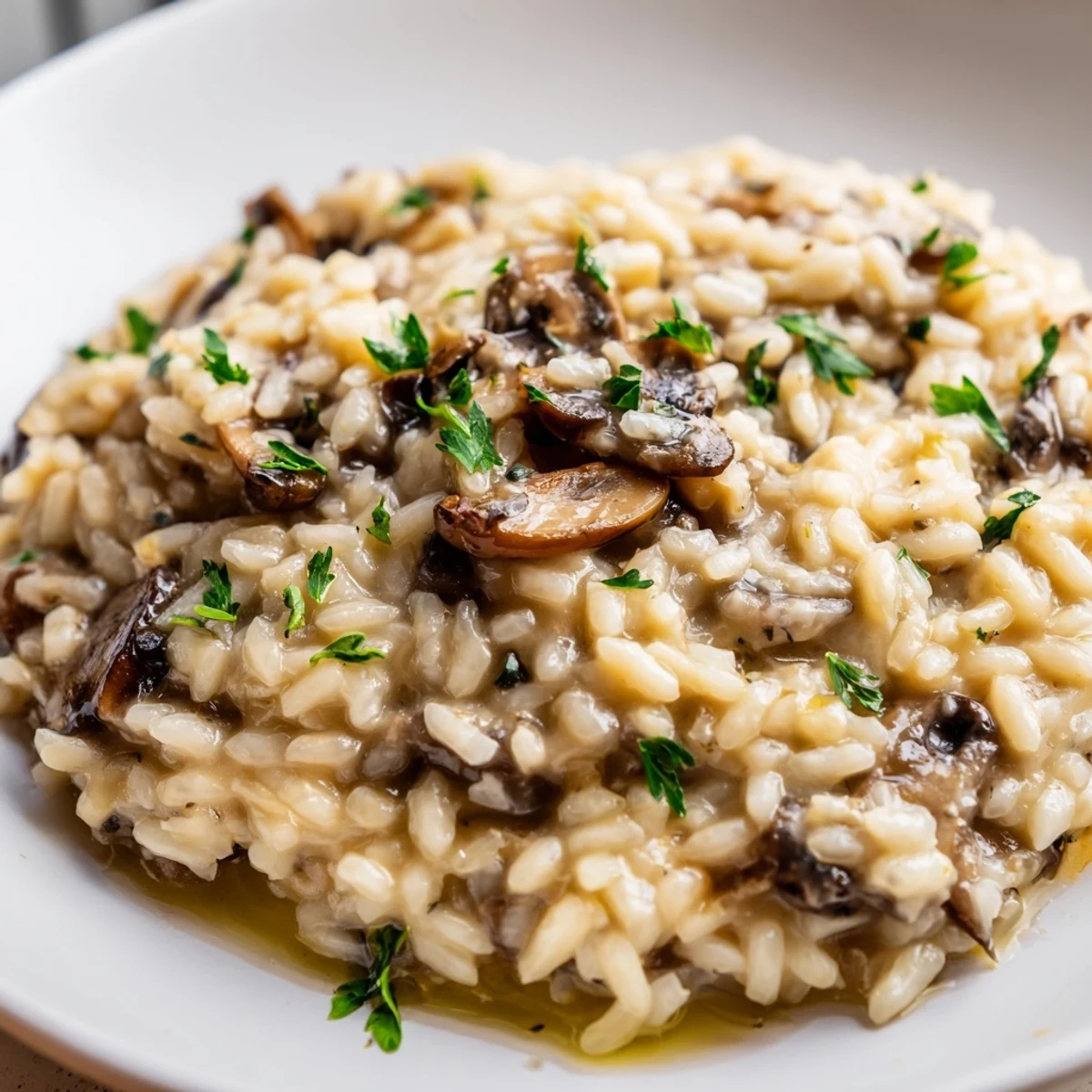
- Serve in warm shallow bowls so the risotto spreads into that beautiful creamy pool you're working toward.
- A final crack of black pepper and those last whispers of parsley make the dish look as intentional as it tastes.
- Leftover risotto can become crispy risotto cakes the next day if you really want to stretch it, though honestly it's meant to be eaten warm and immediate.
 Save
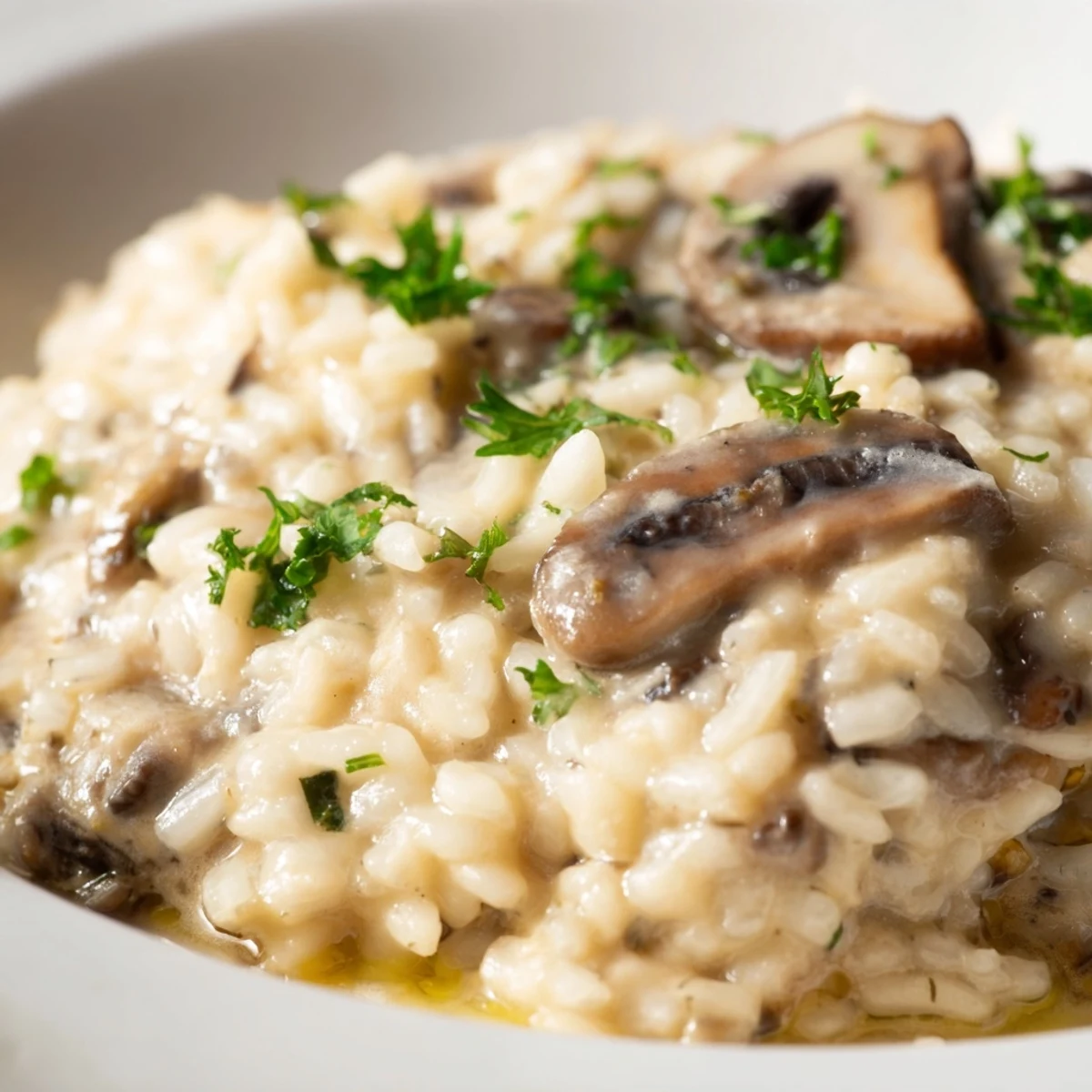
Save This is the kind of dish that reminds you why cooking matters, why standing at a stove with intention and care creates something beyond nourishment. Make it when you want to feel capable, when you want to feed someone with something real.
Recipe FAQs
- → What type of rice is best for this dish?
-
Arborio rice is preferred for its high starch content, which creates the creamy texture typical of this style of cooking.
- → How do I achieve the perfect creaminess without overcooking?
-
Gradually adding warm vegetable broth while stirring allows the rice to release starch and cook evenly without becoming mushy.
- → Can I use other mushrooms besides cremini and shiitake?
-
Yes, a mix of wild mushrooms can enhance the earthy flavor and add variety to the texture.
- → What is the role of truffle oil in the dish?
-
Truffle oil provides a fragrant, luxurious aroma and depth of flavor; a light drizzle at the end preserves its intensity.
- → Are there suitable alternatives for dairy ingredients?
-
Plant-based butter, vegan Parmesan, and cashew cream can be used to adapt the dish for a vegan diet without sacrificing richness.