
 Save
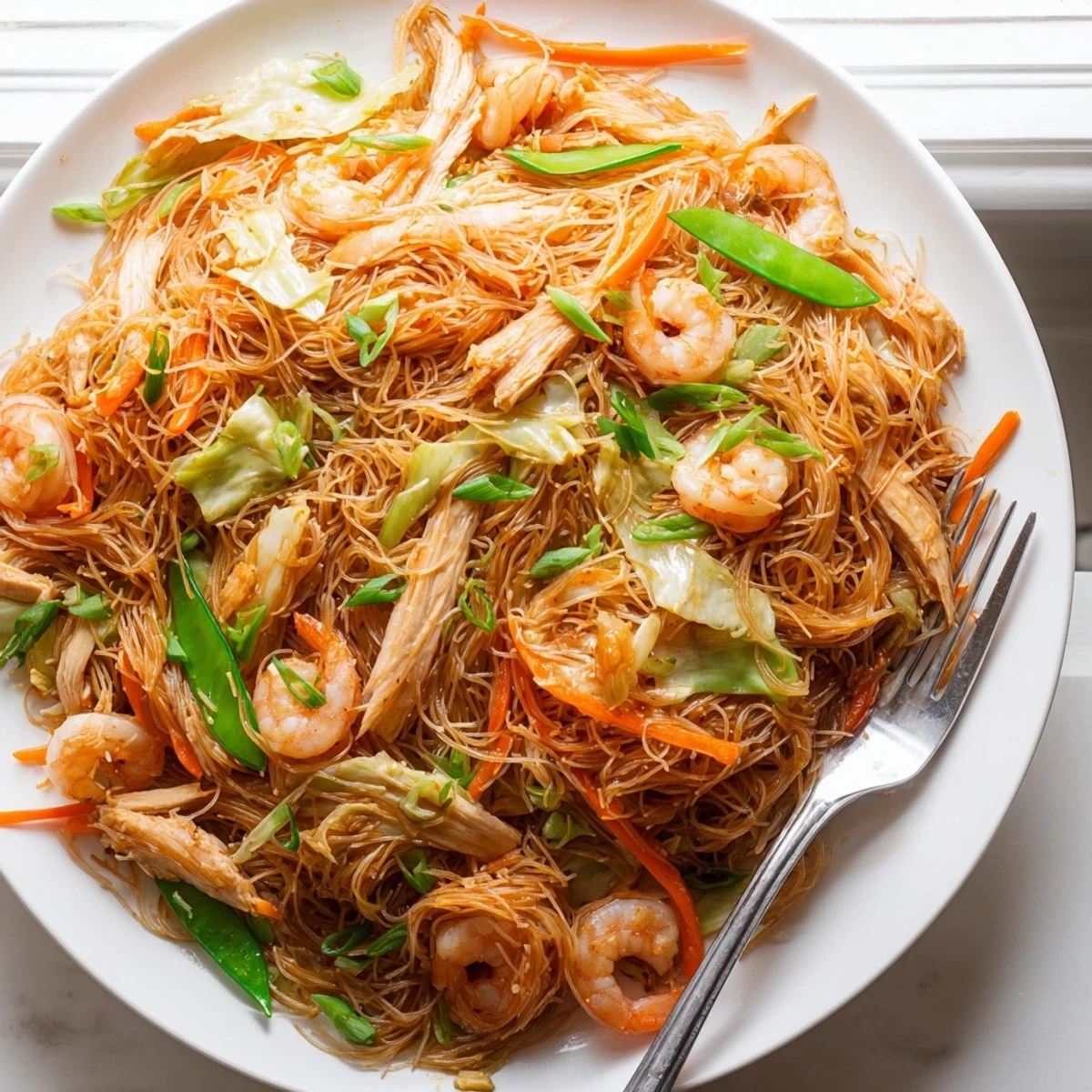
Save This classic Filipino dish brings together tender bihon rice noodles with succulent chicken and plump shrimp, all wok-tossed with crisp vegetables in a rich, umami-packed soy and oyster sauce blend. The result is a satisfying stir-fry that balances soft noodles with crunchy carrots, cabbage, and snow peas, finished with aromatic garlic and onions.
Ready in just 40 minutes, this versatile main serves four and naturally avoids dairy while delivering protein and vegetables in every bite. The finishing touch of fresh scallions and citrus wedges adds brightness that cuts through the savory depth.
The scent of garlic and soy sauce hitting a hot wok takes me back to my auntie's tiny kitchen in Manila, where she'd flip rice noodles with practiced wrist movements I tried desperately to copy. I've made this dish countless times since then, usually on rainy Sundays when the house needs something warm and comforting.
Last New Year's Eve, I made a massive batch of pancit for fifteen people, and watching everyone crowd around the platter, forks clinking, made me understand why this dish is always at the center of Filipino celebrations.
Ingredients
- 200 g boneless, skinless chicken breast, thinly sliced: Thin slices cook quickly and stay tender, preventing that dry, rubbery texture that ruins so many stir-fries
- 100 g medium shrimp, peeled and deveined: Fresh shrimp sweeten the dish naturally, and they cook in just minutes so don't overdo them
- 200 g dried bihon rice vermicelli noodles: These delicate rice noodles absorb flavors beautifully and have that signature slippery texture that makes pancit so satisfying
- 1 small carrot, julienned: The carrots add a necessary crunch and subtle sweetness that balances the salty sauce
- 1 cup green cabbage, shredded: Cabbage wilts just enough in the heat while keeping some bite, plus it stretches the dish beautifully
- 1/2 cup snow peas, trimmed and halved: These bring fresh color and snap, reminding you that good stir-fry needs variation in texture
- 1 small onion, sliced: The foundation of so many Filipino dishes, onions become sweet and aromatic in the wok
- 3 cloves garlic, minced: Don't be shy with garlic, it's the backbone of the whole flavor profile
- 2 tbsp soy sauce: This provides the essential savory depth and that beautiful amber color
- 1 tbsp oyster sauce: The secret ingredient that adds umami richness you can't quite place but definitely notice when it's missing
- 1 tsp fish sauce: Just enough to deepen the flavors without making the dish taste fishy
- 1/2 tsp ground black pepper: Freshly cracked pepper adds warmth and complexity
- 1 cup chicken broth: The liquid that brings everything together, letting the noodles drink up all the flavors
- 2 tbsp chopped scallions: Fresh scallions on top add a bright, sharp contrast to the rich, savory noodles
- 1 lemon or calamansi, cut into wedges: That squeeze of acid at the end brightens the whole dish and cuts through the richness
Instructions
- Prepare the noodles:
- Soak the bihon noodles in warm water for 10 minutes until they're pliable and softened, then drain them well and set aside
- Build your flavor base:
- Heat 2 tablespoons of oil in a large wok or skillet over medium-high heat, then sauté the garlic and onion until fragrant and translucent
- Cook the proteins:
- Add the chicken slices and cook until lightly browned and cooked through, then toss in the shrimp and stir-fry until pink, about 2 minutes, removing both from the pan and setting aside
- Stir-fry the vegetables:
- In the same pan, add the carrots, cabbage, and snow peas, stir-frying for 2 to 3 minutes until just tender-crisp
- Create the sauce:
- Return the cooked chicken and shrimp to the pan, then pour in the soy sauce, oyster sauce, fish sauce, and chicken broth, bringing everything to a gentle simmer
- Combine and cook:
- Add the drained noodles, tossing gently with tongs to help them absorb the sauce, and cook for 3 to 4 minutes until heated through
- Season and serve:
- Season with black pepper, adjust salt or sauces to taste, then transfer to a platter, garnish with scallions, and serve with lemon or calamansi wedges on the side
 Save
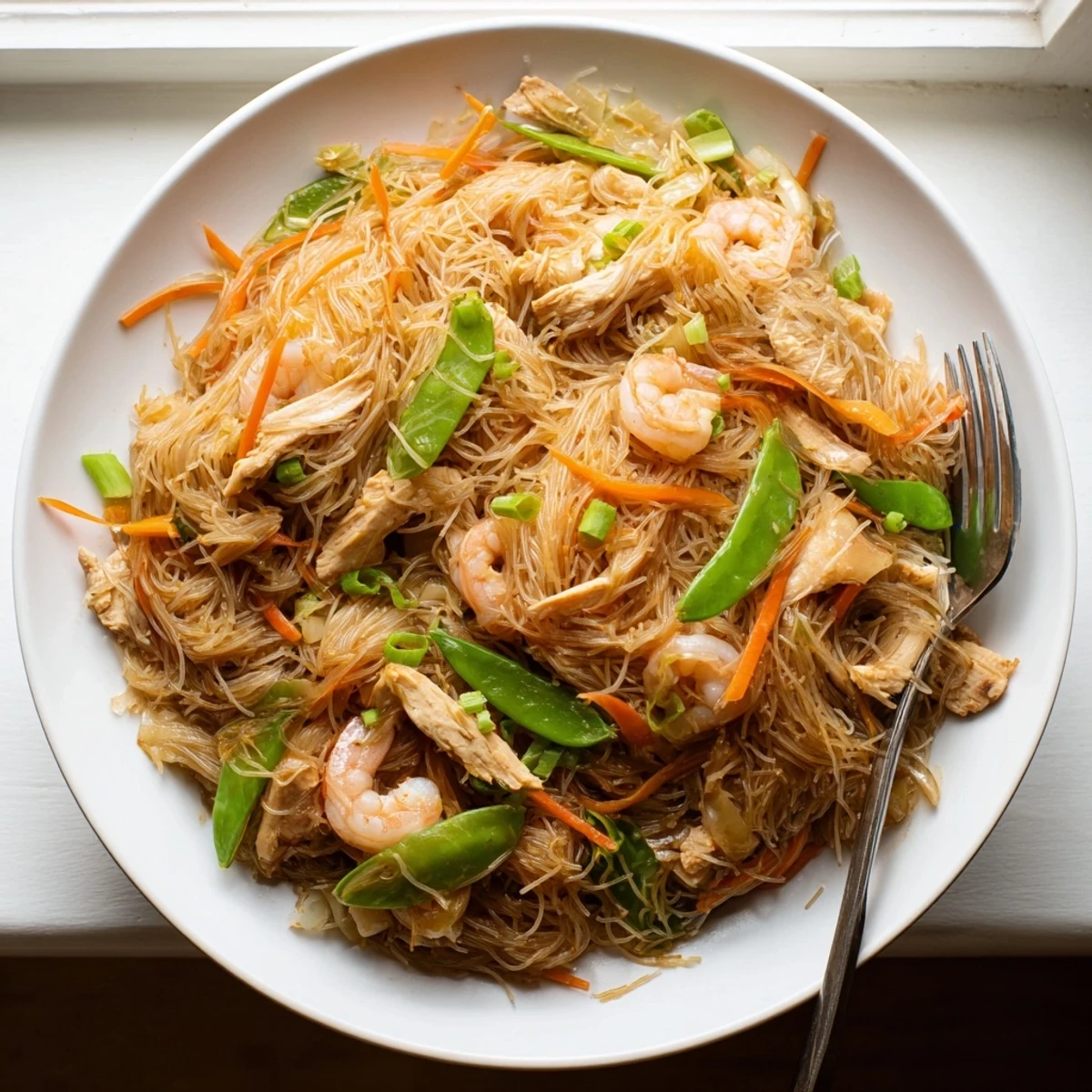
Save There's something magical about how a simple pile of noodles can bring people together, forks hovering, everyone reaching for the same platter.
Making It Your Own
I've learned that pancit forgives many substitutions. Use whatever vegetables you have on hand, swap the proteins for what's available, or add more heat if your family likes it spicy.
Getting The Texture Right
The secret is having everything prepped before you start cooking. Once that wok gets hot, there's no time to chop or measure, and you want each ingredient to hit the pan at its perfect moment.
Serving Suggestions
Pancit bihon stands beautifully on its own, but a crisp cold beer or light white wine cuts through the richness. Some families serve it with lumpia on the side for a complete Filipino feast.
- Set out extra calamansi or lemon so everyone can adjust their own acidity
- Have bottles of soy sauce and chili vinegar ready for those who want more punch
- Make extra, because this dish somehow tastes even better the next day
 Save
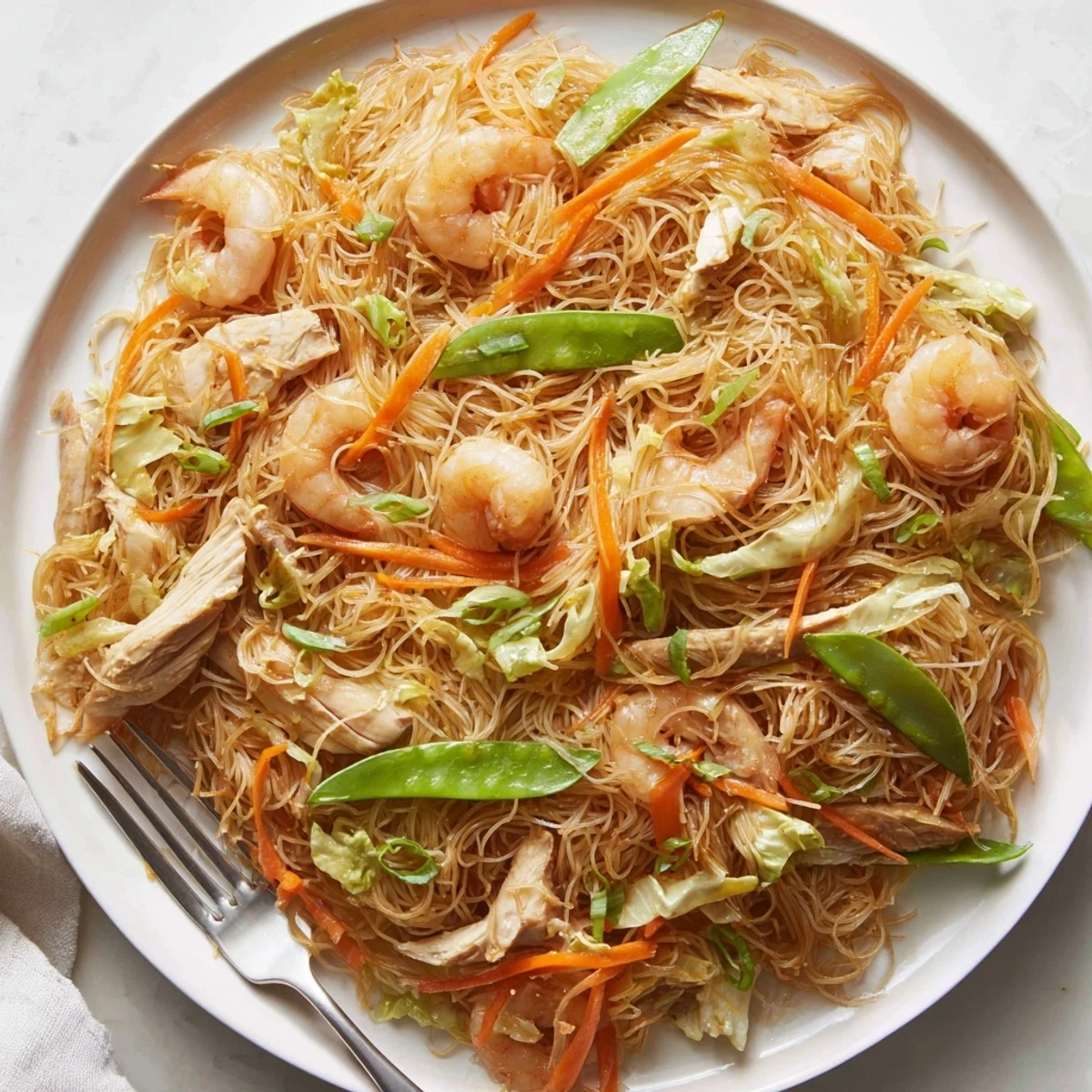
Save I hope this recipe finds its way into your regular rotation, bringing warmth and connection to your table just as it has to mine.
Recipe FAQs
- → What makes Pancit Bihon different from other pancit varieties?
-
Bihon uses thin rice vermicelli noodles, distinguishing it from canton's egg noodles or sotanghon's bean thread noodles. The rice noodles absorb the soy-based sauce beautifully while maintaining a delicate, slightly chewy texture.
- → Can I prepare this ahead of time?
-
The dish tastes best fresh as noodles continue absorbing sauce. You can pre-slice vegetables and proteins up to a day in advance. Complete the stir-fry just before serving for optimal texture and flavor.
- → What's the best way to prevent noodles from breaking?
-
Soak noodles just until softened, about 10 minutes. Avoid over-soaking which makes them fragile. When tossing in the wok, use gentle folding motions with tongs rather than vigorous stirring.
- → How do I adjust the seasoning balance?
-
Start with the specified amounts of soy and oyster sauces. Taste near the end and add more fish sauce for depth, soy sauce for saltiness, or a pinch of sugar if the sauce tastes too sharp. The citrus wedges served on the side let diners adjust brightness.
- → What proteins work as alternatives to chicken and shrimp?
-
Pork belly strips add richness, while shredded rotisserie chicken works as a quick substitute. For a seafood-focused version, try squid or mussels. Crispy lechon kawali on top adds authentic Filipino contrast.
- → Is there a vegetarian version that still tastes authentic?
-
Use vegetable broth and substitute fried tofu cubes or mushrooms for the protein depth. Add extra vegetables like bok choy or bell peppers. Mushroom-based oyster sauce alternatives maintain the umami character while keeping it plant-based.