
 Save
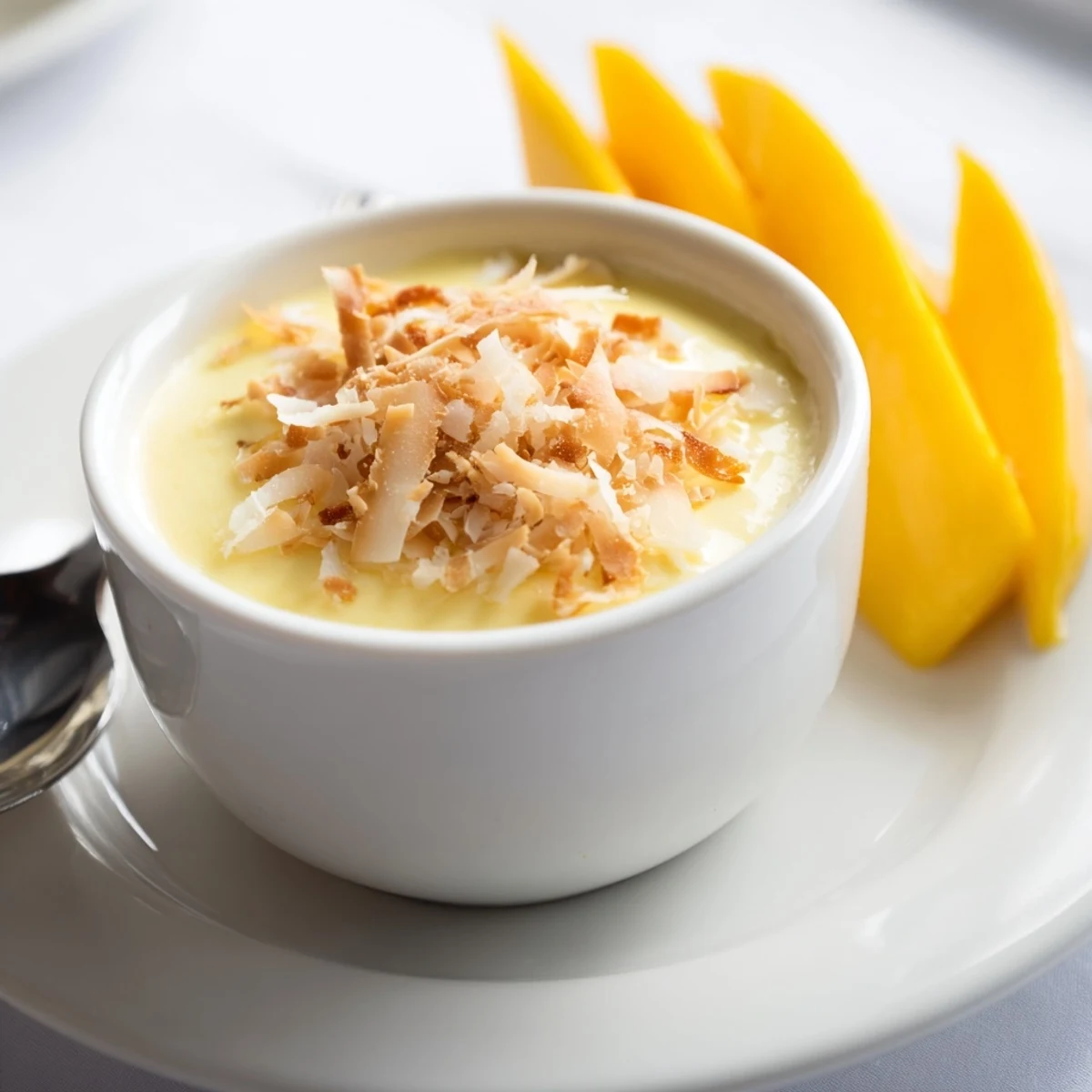
Save This traditional Thai dessert combines eggs and coconut milk into a silky, fragrant custard that's steamed to perfection. The gentle cooking method creates a delicate, melt-in-the-mouth texture that's both light and satisfying. Palm sugar adds authentic sweetness while a pinch of salt balances the rich coconut flavor. Perfect for those seeking dairy-free and gluten-free treats, this custard shines when topped with toasted coconut or fresh tropical fruit like mango.
The first time I tasted Thai coconut custard was at a street market in Bangkok, where I watched an elderly grandmother steam these little cups in weather so hot I questioned why anyone would turn on a stove. One silky spoonful later, I understood completely. Now whenever that craving hits, my kitchen fills with that same sweet coconut steam, and suddenly summer exists regardless of the calendar.
Last winter, I made these for a friend who claimed she hated coconut desserts. She hesitated, took one bite, and asked if I could make them for her birthday instead of cake. That moment of watching someone reconsider an entire flavor category is exactly why this recipe lives in my permanent rotation.
Ingredients
- 4 large eggs: Room temperature eggs blend more seamlessly into the coconut milk, preventing any separation during steaming
- 200 ml full fat coconut milk: The higher fat content creates that luxurious restaurant quality texture, so skip the light versions here
- 100 g palm sugar: This adds a subtle caramel depth that regular brown sugar cannot quite replicate, though it works in a pinch
- 1/4 tsp fine sea salt: Just enough to make the coconut sing without making it taste savory
- 1 tsp vanilla extract: Optional but adds that warm background note that makes people ask what your secret ingredient is
Instructions
- Blend the base:
- Whisk eggs until just combined, then add coconut milk, palm sugar, salt, and vanilla. Mix gently until sugar dissolves completely.
- Strain for silkiness:
- Pour the mixture through a fine mesh sieve into a jug to catch any cooked bits of egg and ensure perfectly smooth custard.
- Steam gently:
- Divide among 4 heatproof ramekins and steam over low heat for 25 to 30 minutes until just set with a slight wobble in the center.
- Chill completely:
- Let cool to room temperature, then refrigerate for at least 1 hour before serving with toasted coconut or fresh fruit.
 Save
Save My daughter calls these cloud cups because they seem to melt before you even finish chewing. Watching her face light up when I pull them from the refrigerator makes the minimal effort feel like I have accomplished something magical.
Making It Your Own
I have experimented with infusing the coconut milk using pandan leaves, which adds a subtle grassy vanilla fragrance that feels incredibly authentic. Even a brief ten minute steep while the coconut milk warms transforms the entire experience into something more complex and special.
Perfect Presentation
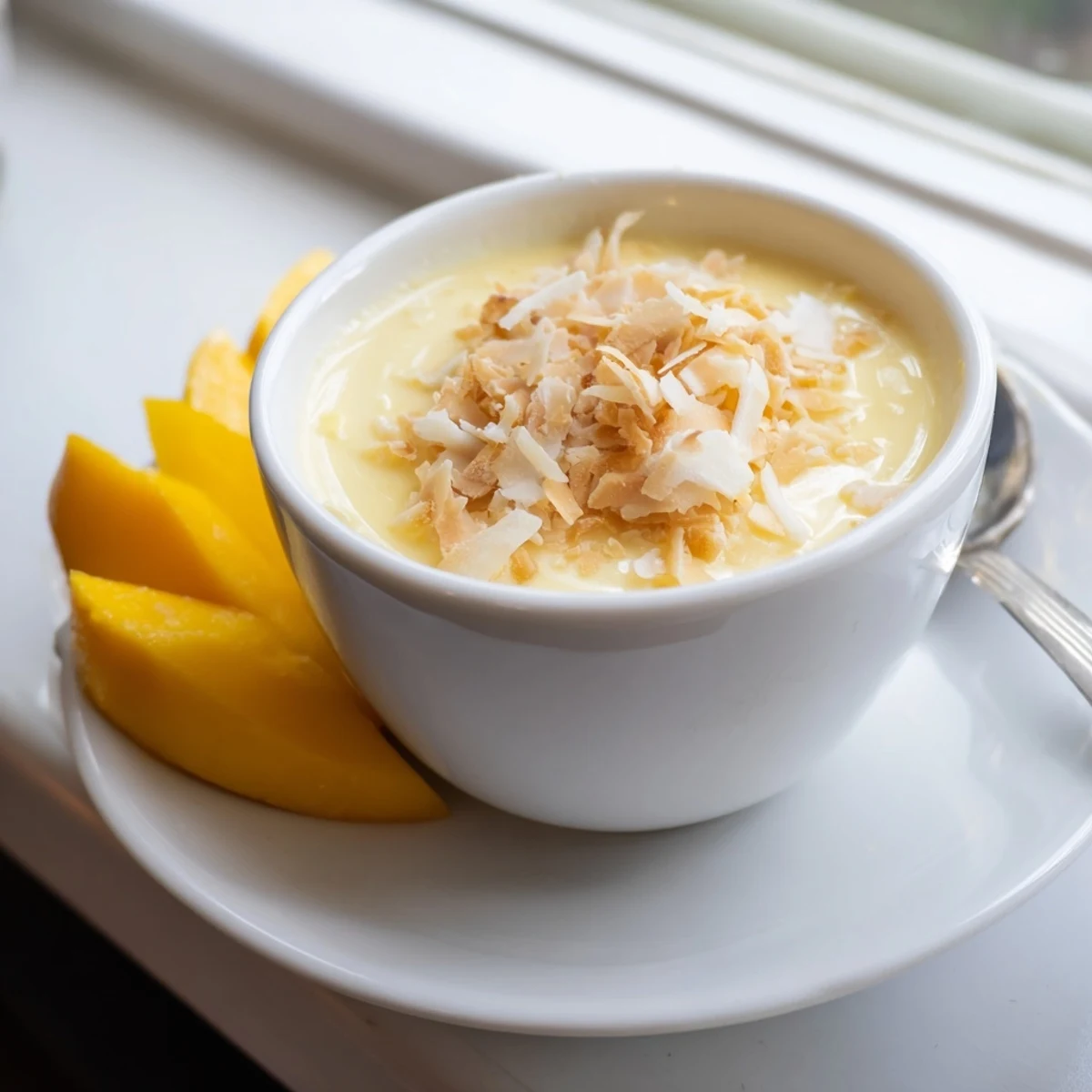
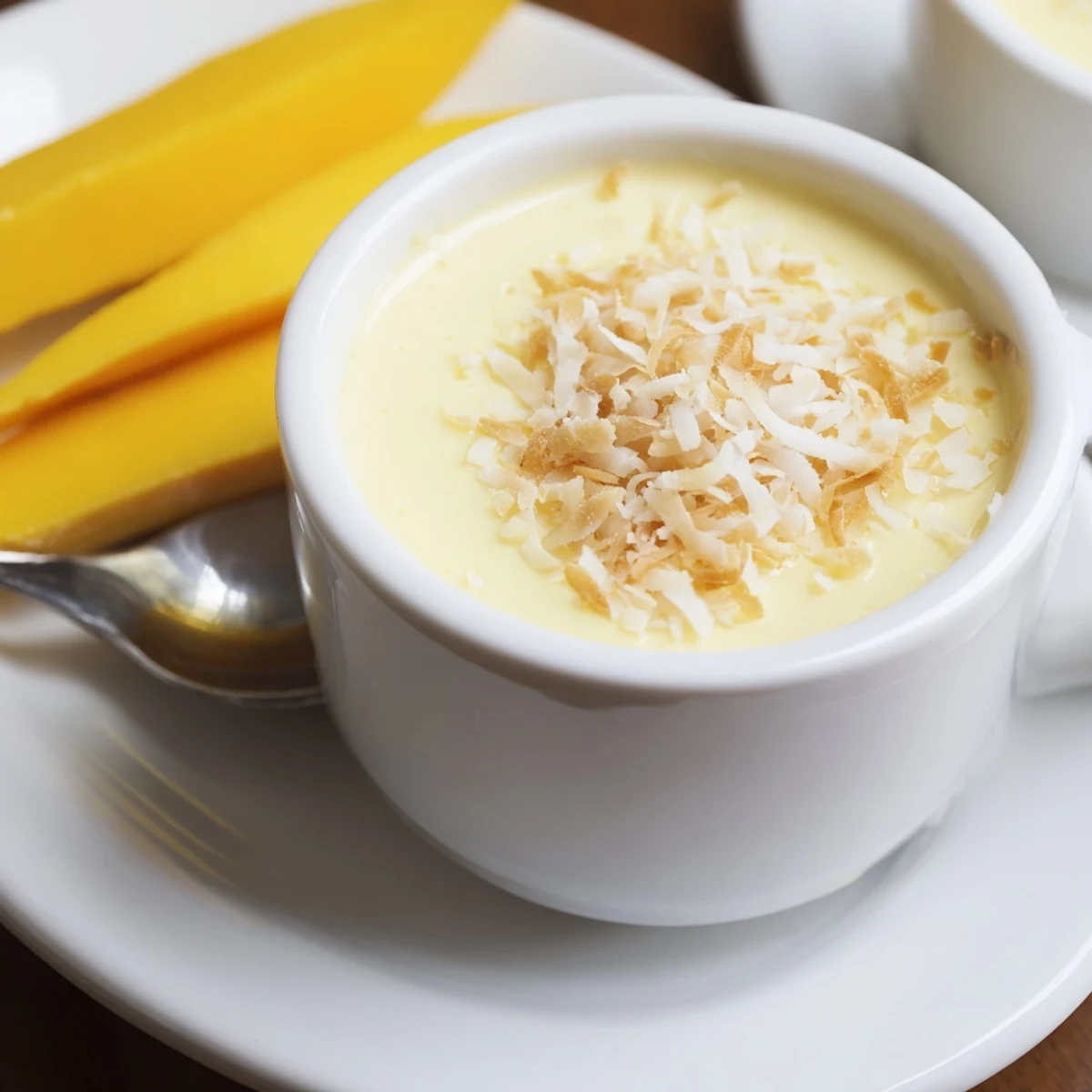
These custards look stunning in clear glass ramekins that show off their pale golden color. The contrast of white custard against vibrant mango slices or the golden crunch of toasted coconut turns a simple dessert into something worthy of dinner guests.
Storage and Make Ahead Magic
The custards actually improve after a night in the refrigerator as the flavors meld and the texture becomes even more velvety. They keep beautifully for three days, making them perfect for meal prep or unexpected dessert emergencies.
- Steam a double batch and keep them covered for easy weekday treats
- Let them come to room temperature for 15 minutes before serving for the best texture
- Add toppings right before serving so they stay fresh and crunchy
 Save
Save Something about these custards feels like a gentle embrace at the end of a long day. Simple, sweet, and utterly comforting.
Recipe FAQs
- → What makes Thai coconut custard different from regular custard?
-
Thai coconut custard uses coconut milk instead of dairy milk and palm sugar rather than white sugar, giving it a distinct tropical flavor profile. It's traditionally steamed rather than baked, resulting in a silkier, more delicate texture that melts in your mouth.
- → Can I bake this custard instead of steaming?
-
While you can bake it in a water bath at 325°F (160°C), steaming produces the authentic silky texture traditional to this Thai dessert. Baking may create a slightly firmer, set consistency that differs from the delicate wobble of steamed custard.
- → What can I use instead of palm sugar?
-
Light brown sugar makes an excellent substitute, though it lacks the subtle caramel notes of palm sugar. Maple sugar or coconut sugar also work well. Avoid white sugar as it doesn't provide the same depth of flavor.
- → How do I know when the custard is done steaming?
-
The custard is ready when it's just set with a slight wobble in the center—similar to flan. It shouldn't be completely firm. A knife inserted near the edge should come out clean, but the center should still jiggle gently.
- → Can I make this custard ahead of time?
-
Absolutely! This custard actually improves after chilling in the refrigerator for at least 1 hour, allowing flavors to meld. It can be made up to 2 days in advance and stored covered. Bring to room temperature for 15 minutes before serving for the best texture.
- → What toppings work best with coconut custard?
-
Toasted shredded coconut adds crunch and enhances the coconut flavor. Fresh tropical fruits like mango, lychee, or pineapple provide refreshing contrast. For extra texture, try sesame seeds, crushed peanuts, or a drizzle of coconut cream.