
 Save
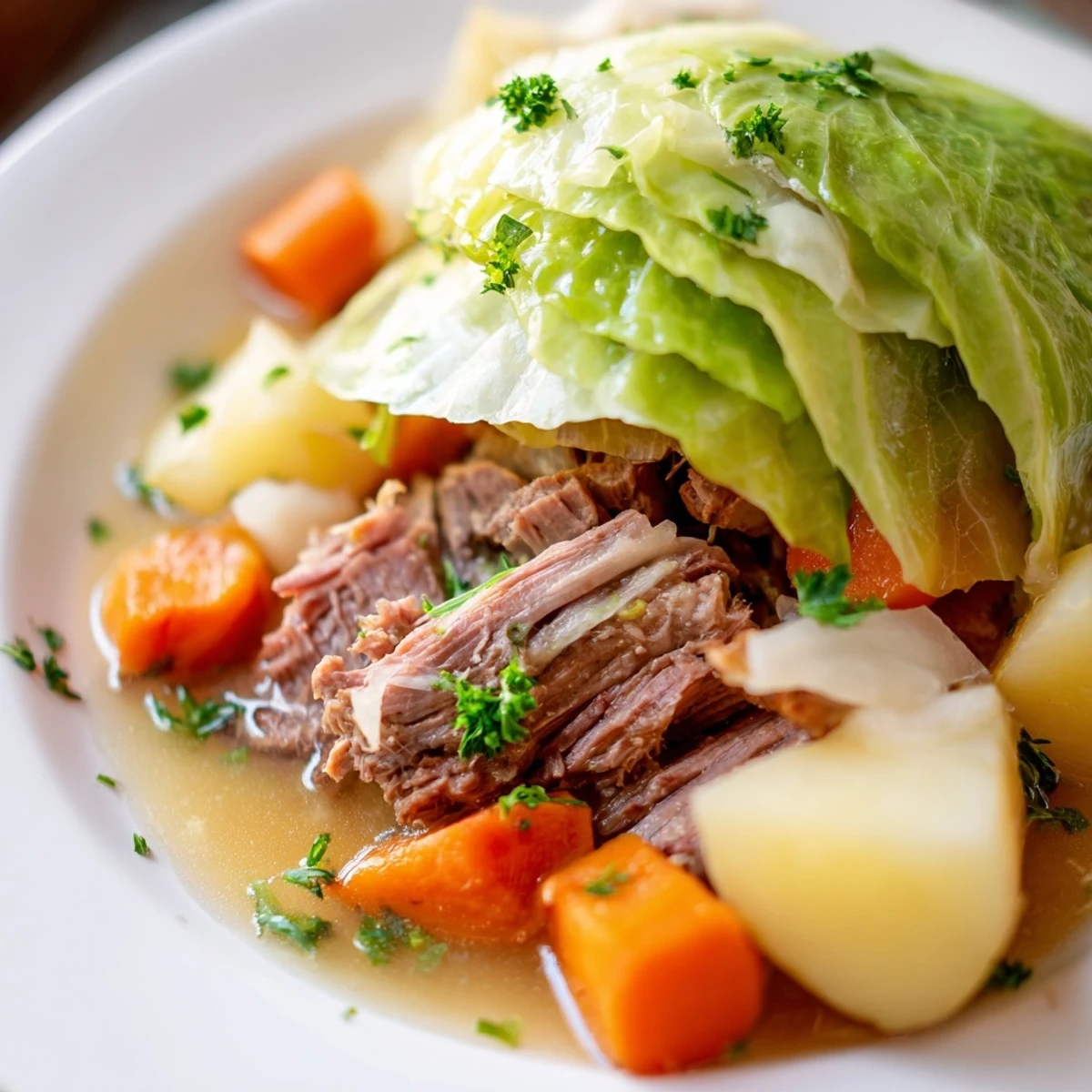
Save This festive preparation begins with rinsing halal beef brisket, then simmering it gently in a stockpot with water and a blend of aromatic spices including bay leaves, peppercorns, cloves, mustard seeds, coriander seeds, cinnamon, garlic, and onion for two hours.
Subsequently, hearty root vegetables such as carrots, potatoes, and rutabaga are introduced and cooked for 30 minutes, followed by cabbage wedges for a final 15 minutes, ensuring all components become tender. Once cooked, the brisket is rested, sliced against the grain, and elegantly arranged with the vegetables. A final flourish of broth and fresh parsley completes this wholesome dish, perfect for any celebration.
St. Patrick’s Day always felt a bit exclusionary in my house, until I stumbled upon halal corned beef brisket. I remember the slight apprehension in the grocery store aisle, wondering if it would truly deliver that iconic flavor I craved without compromising our dietary needs. The smell of the spices simmering for the first time, a blend of traditional and unexpected, filled the kitchen with such warmth and promise, immediately dispelling any doubts I had. This dish became an instant tradition, a delicious bridge between cultures and celebrations.
One year, I decided to host a small gathering for friends who had never experienced a homemade corned beef. The kitchen was alive with chatter, and I remember my friend Sarah peeking into the pot, asking about the cinnamon stick – a little twist she hadn't anticipated. Seeing her eyes light up with surprise and then delight after her first bite, remarking on the depth of flavor, solidified this recipe’s place in my heart. It’s more than just a meal; it’s a shared experience.
Ingredients
- Halal Beef Brisket: The star of the show; look for a well-marbled cut for the most tender, flavorful result, always ensuring it's certified halal.
- Water: The humble liquid that becomes a rich broth, carrying all the wonderful spice notes.
- Bay Leaves: Essential for that earthy, slightly floral background note that defines classic corned beef.
- Whole Black Peppercorns: They add a subtle, consistent heat without being overpowering, permeating the meat evenly.
- Whole Cloves: A little goes a long way; these contribute a warm, sweet, and aromatic depth you’ll love.
- Mustard Seeds: They bring a pleasant tang and a very subtle sharpness that complements the beef beautifully.
- Coriander Seeds: Light and citrusy, they balance the richer spices and brighten the overall flavor profile.
- Cinnamon Stick: My secret weapon, adding an unexpected warmth and a hint of sweetness that elevates the dish beyond the ordinary.
- Garlic Cloves: Crushed, they release their pungent, aromatic oils, infusing the broth with fundamental savory notes.
- Large Onion: Quartered, it slowly sweetens the broth and adds another layer of foundational flavor.
- Carrots: These become wonderfully sweet and tender, absorbing all the delicious broth.
- Potatoes: Hearty and comforting, they soak up the flavors perfectly and make the dish truly substantial.
- Rutabaga: Don't skip this if you can find it; it offers a unique, slightly sweet and peppery earthy flavor that pairs wonderfully with the other root vegetables.
- Green Cabbage: Added at the end, it maintains a gentle texture while still being tender and flavorful, a perfect counterpoint to the rich beef.
- Salt and Pepper: To season to perfection; always taste and adjust at the end for optimal balance.
- Fresh Parsley: A bright, herbaceous garnish that adds a pop of color and fresh flavor right before serving.
Instructions
- Prepare the Brisket:
- First, give your halal beef brisket a good rinse under cold running water to remove any excess brine from its packaging. Settle it comfortably into your largest stockpot.
- Infuse the Broth:
- Pour in the water, then toss in the bay leaves, peppercorns, cloves, mustard seeds, coriander seeds, cinnamon stick, crushed garlic, and quartered onion. This is where all the magic starts.
- Slow Simmering:
- Bring this aromatic mixture to a gentle boil over medium-high heat, then immediately reduce the heat to a low simmer. Cover your pot and let it cook for a patient 2 hours, occasionally skimming off any foam that rises to the surface to keep your broth clear.
- Add Root Vegetables:
- After the beef has had its initial cooking time, carefully add the chunky carrots, quartered potatoes, and rutabaga to the pot. Let them simmer uncovered for another 30 minutes, allowing them to soften and absorb the delicious flavors.
- Introduce the Cabbage:
- Finally, nestle the cabbage wedges into the simmering broth. Continue cooking for about 15 more minutes, or until all your vegetables are perfectly tender and the meat is falling-apart soft.
- Rest and Slice:
- Gently remove the tender brisket from the pot and let it rest on a cutting board for about 10 minutes. This resting period is crucial for juicy slices, so don't skip it before slicing against the grain.
- Assemble and Garnish:
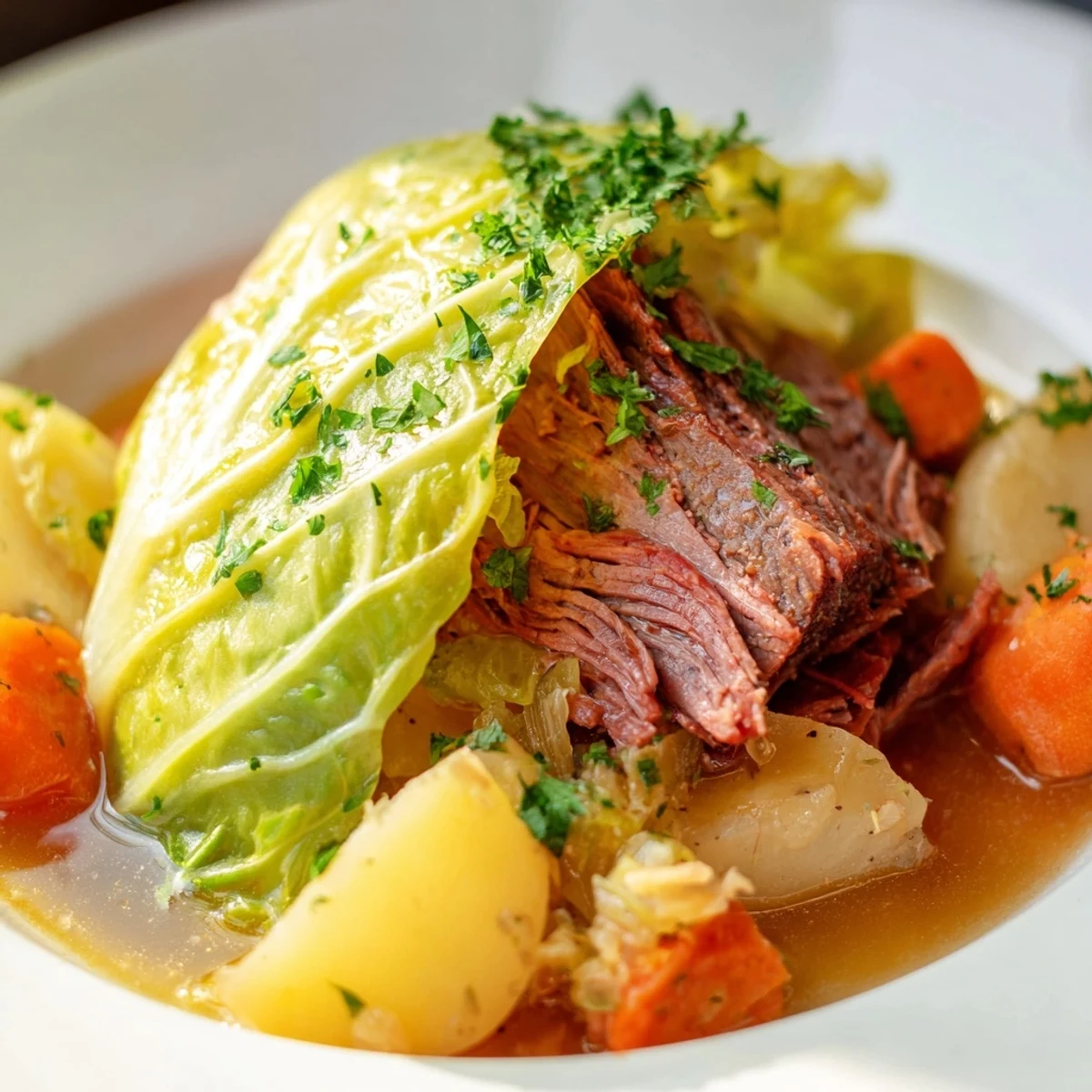
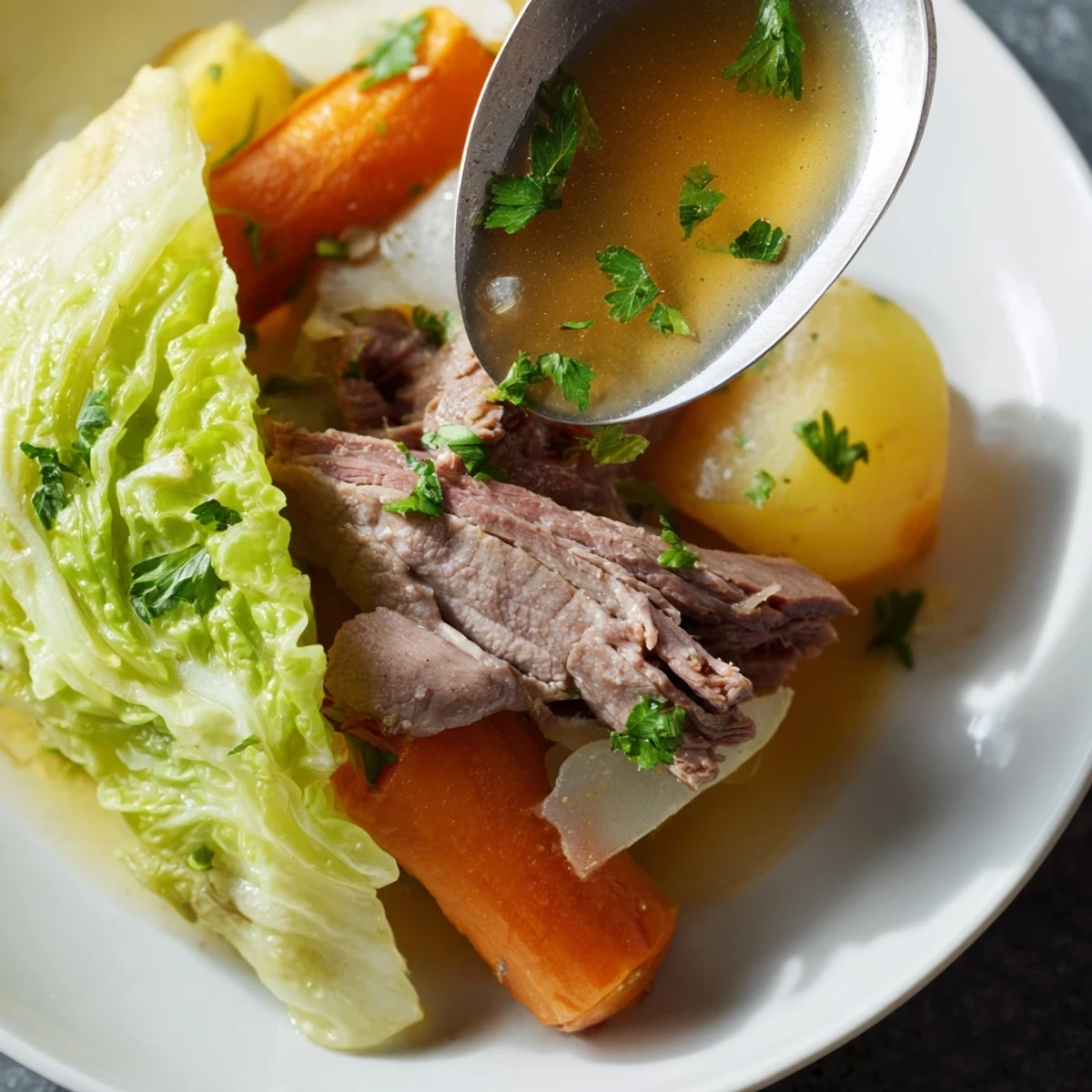
- Artfully arrange your sliced beef and tender vegetables on a large serving platter. Ladle a little of that wonderfully flavorful broth over everything and sprinkle generously with fresh chopped parsley.
- Serve with Zest:
- Serve this heartwarming dish hot, perhaps with a side of coarse mustard or fiery horseradish for those who love an extra kick.
 Save
Save I recall a quiet Sunday afternoon, days after St. Patrick's, making a sandwich from the leftovers. The slight chill in the air and the comforting familiarity of the savory beef and tender cabbage between two slices of rye bread made me pause. It wasn't just a meal then; it was a warm memory, a taste of comfort, and a testament to how good food can truly nourish the soul, long after the initial celebration has passed. That sandwich was pure bliss.
Sourcing Your Halal Brisket
Finding good quality halal corned beef brisket can sometimes be a treasure hunt, but it's worth the effort. Look for reputable halal butchers or specialty stores that explicitly label their products. A good brisket will have a decent amount of fat marbling; this fat renders down during the long cooking process, keeping the meat incredibly moist and adding immense flavor to the broth. Don't be shy about asking your butcher questions about its origin and cut.
The Art of Gentle Simmering
The secret to unbelievably tender corned beef lies in the slow, gentle simmer. You're not looking for a rolling boil, which can toughen the meat; rather, a quiet bubbling that barely disturbs the surface of the liquid. Keeping the pot covered helps trap moisture and ensures even cooking, while the occasional skimming removes impurities, resulting in a cleaner, more delicious broth. Patience truly is a virtue here, allowing the fibers to break down gradually.
Making the Most of Your Meal
This dish is incredibly versatile, extending far beyond the initial serving. The flavorful broth itself is a treasure, perfect for sipping or as a base for future soups. Don’t hesitate to explore different serving accompaniments to personalize your meal.
- Consider a tangy Dijon or whole grain mustard, or even a spicy horseradish cream to cut through the richness.
- Leftover corned beef makes absolutely fantastic sandwiches, especially on rye bread with a little Swiss cheese and sauerkraut.
- Don't forget that splash of apple cider vinegar in the broth for an extra layer of brightness, as mentioned in the notes!
 Save
Save This Halal Corned Beef and Cabbage recipe is a testament to how food can bring people together, bridging traditions with delicious, heartwarming flavors. Enjoy the process, savor the aromas, and relish every tender bite.
Recipe FAQs
- → What cut of beef is recommended for this dish?
-
Halal beef brisket is specified for its rich flavor and its ability to become wonderfully tender when slow-cooked, making it ideal for this preparation.
- → Can the spice blend be customized?
-
Absolutely. The spice blend can be adjusted to your preference. Feel free to modify the quantities of the listed spices or incorporate others, such as a hint of star anise, for a unique aromatic twist.
- → What can be used if rutabaga is unavailable?
-
If rutabaga is not accessible, you can substitute it with parsnips to achieve a similar earthy flavor profile, or simply choose to omit it if you prefer a simpler vegetable medley.
- → How should leftovers be stored?
-
Leftovers should be transferred to an airtight container and refrigerated. They will remain fresh for up to 3-4 days and can be conveniently reheated on the stovetop or in a microwave.
- → What are good accompaniments for this meal?
-
While this dish is quite complete on its own, traditional accompaniments like coarse mustard or horseradish are excellent additions. A fresh green salad can also provide a refreshing contrast to the rich flavors.