
 Save
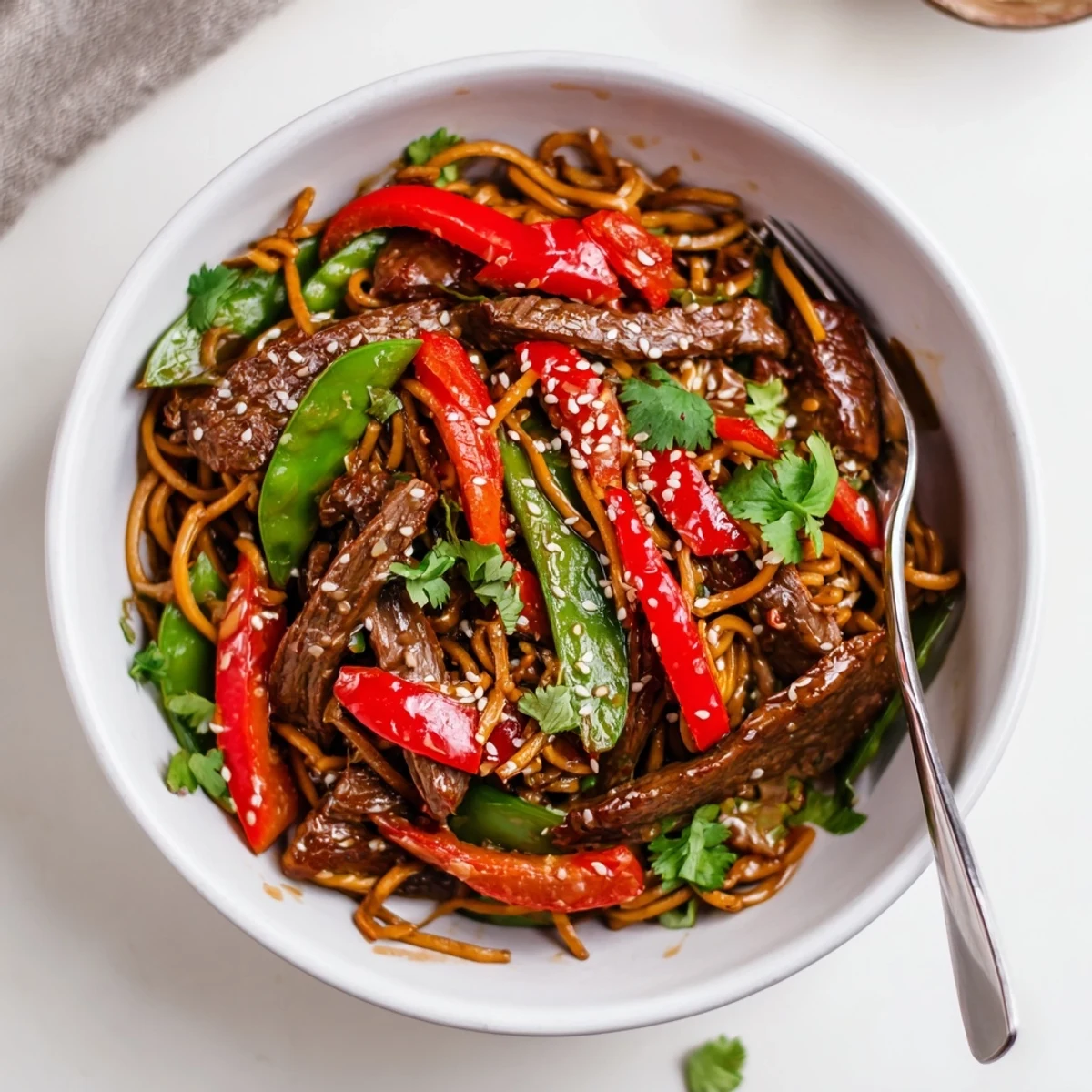
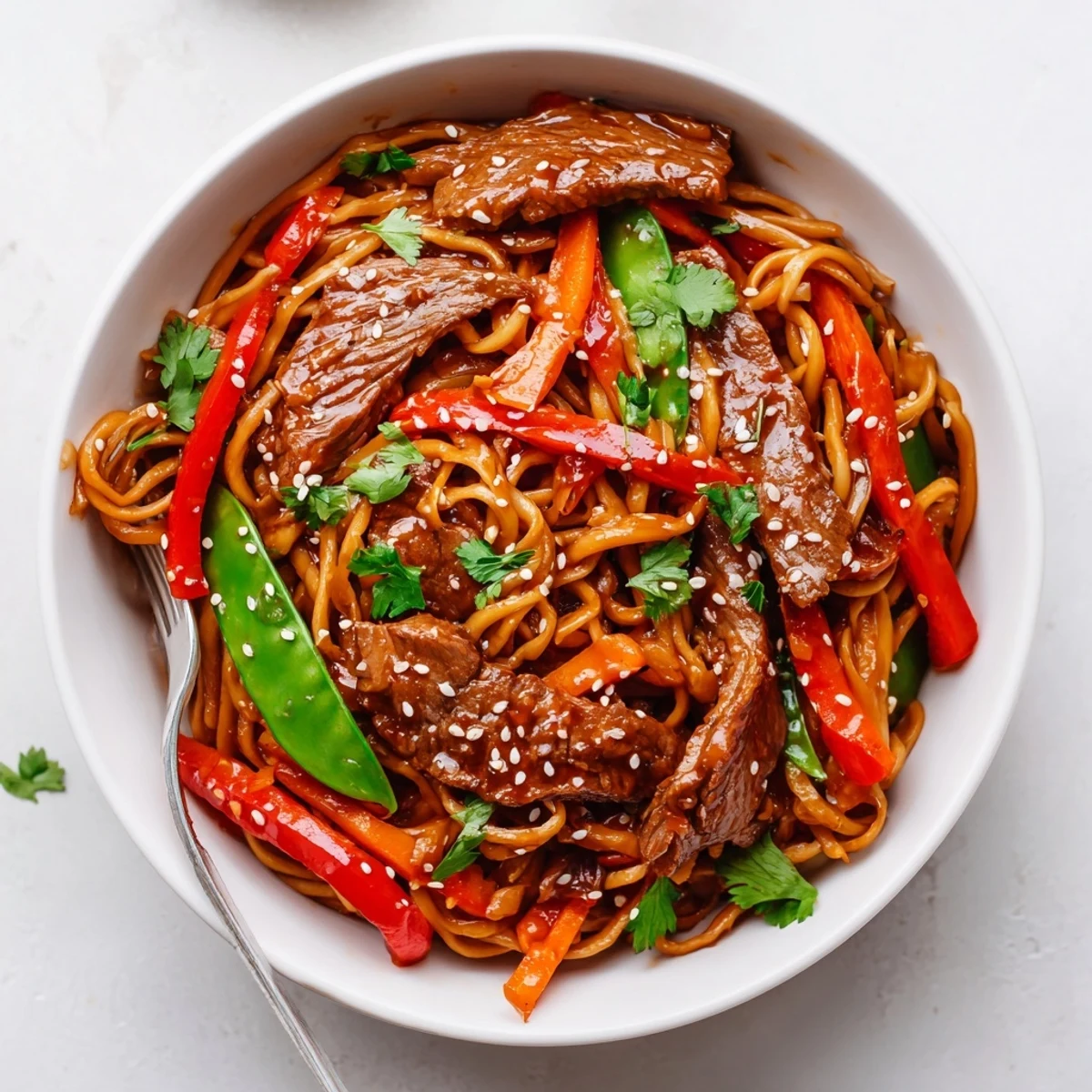
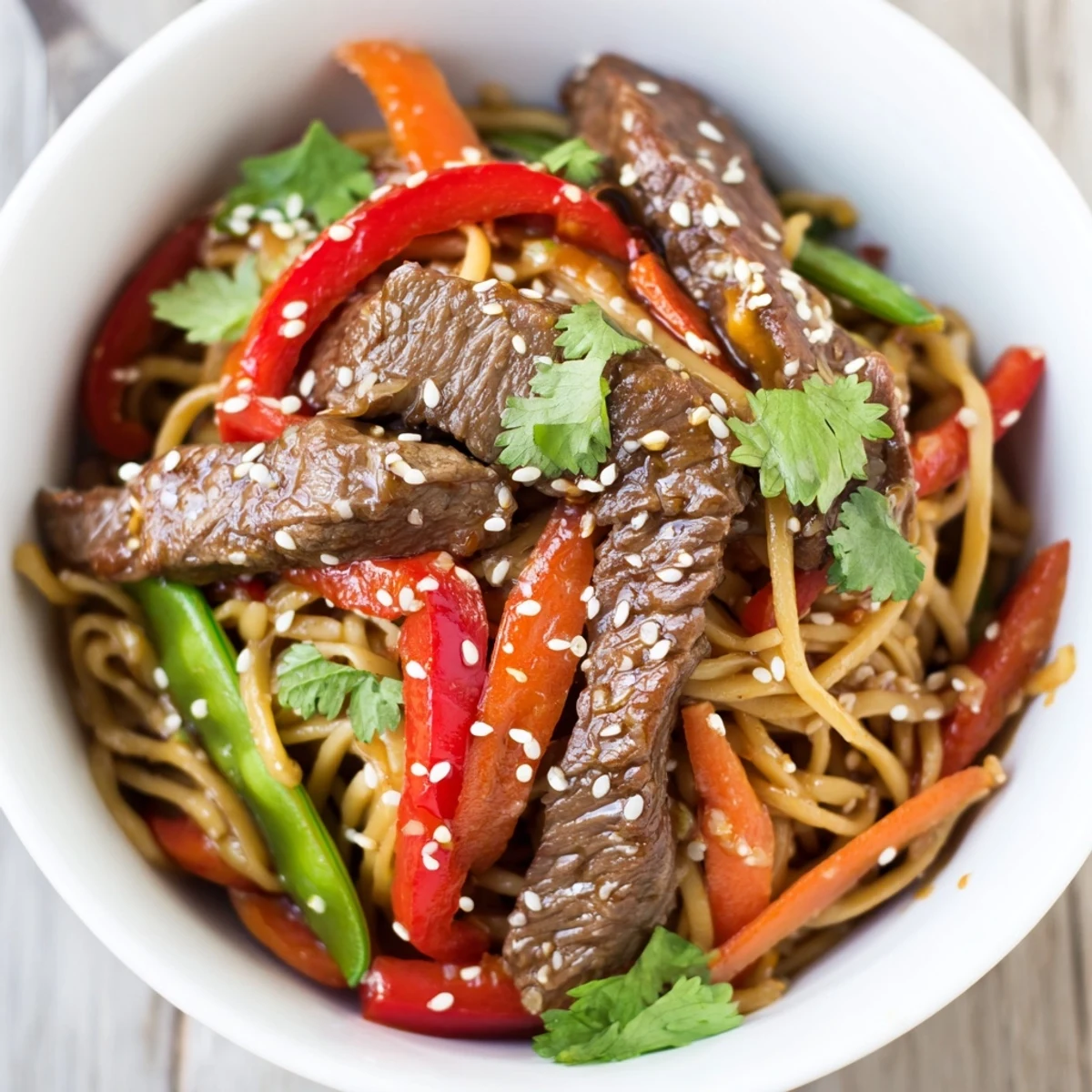
Save This dish features thinly sliced beef marinated in soy sauce and sesame oil, stir-fried to perfection. Fresh bell pepper, carrot, sugar snap peas, garlic, and ginger add crisp and aromatic elements. Cooked noodles are combined with a spicy, savory sauce including chili garlic and oyster sauces. Garnished with sesame seeds and cilantro, it offers a bold, satisfying meal ready in just 30 minutes.
I discovered these spicy beef noodles at 11 PM on a weeknight when my kitchen smelled like nothing but ambition and an empty fridge. The beef hissed in the wok, my neighbor's dog barked at the fragrant smoke curling out my window, and somehow in twenty minutes flat, I'd created something that tasted like it came from a restaurant I'd been craving all week. That moment taught me that heat, soy sauce, and the right timing could turn simple ingredients into something unforgettable.
I made this for my friend who showed up unannounced on a Tuesday, armed with complaints about her day and nothing else. By the time the noodles hit the bowl, she'd stopped mid-sentence to ask for seconds, and we ended up talking until well past dinner about nothing important and everything that mattered. Food has a way of doing that, of turning a rough evening into something worth remembering.
Ingredients
- Flank steak or sirloin, thinly sliced (350 g): Thinner cuts cook faster and stay tender when you don't overcrowd the wok; let your butcher slice it or freeze it for 30 minutes to make your own thin cuts easier.
- Fresh or dried wheat noodles (300 g): Udon gives you chewiness, lo mein offers delicate texture; pick whatever speaks to you or what's in your local market.
- Red bell pepper, carrot, sugar snap peas: These aren't just color; they stay crisp when you keep the heat high and the timing tight, giving you real texture against soft noodles.
- Garlic and ginger: The moment they hit the hot oil, your whole kitchen transforms; this is non-negotiable aromatics work.
- Soy sauce, oyster sauce, chili garlic sauce: The holy trinity that builds layers of savory, umami, and heat; taste as you go because every brand has its own personality.
- Sesame oil and seeds: Finish with these for nutty depth that elevates the whole dish from good to memorable.
Instructions
- Marinate the beef:
- Toss your sliced beef with soy sauce, cornstarch, and sesame oil, then let it sit for 10 minutes. The cornstarch creates that silky coating you get in restaurants, and the soy starts the flavor work early.
- Get your noodles ready:
- Cook them according to the package, drain well, rinse with cold water to stop the cooking, and set aside. Cold noodles won't turn to mush when you toss them with everything else.
- Mix your sauce:
- Whisk soy sauce, oyster sauce, chili garlic sauce, rice vinegar, brown sugar, and sesame oil in a small bowl. Taste it; it should hit you with salty, slightly sweet, and a building heat.
- Sear the beef hot and fast:
- Heat your wok or largest skillet over high heat until it's almost smoking, add oil, then cook the beef in batches for about 2 minutes until just browned on the outside. Don't crowd the pan or it'll steam instead of sear; overcooked beef gets tough anyway.
- Build flavor with aromatics:
- Add a splash more oil if the wok looks dry, then stir-fry garlic and ginger for 30 seconds until the smell hits you like a good memory. This is where your dish gets its soul.
- Vegetables get their turn:
- Throw in bell pepper, carrot, and sugar snap peas, tossing constantly for 2 to 3 minutes until they're tender but still have some snap to them. You want them to taste fresh, not soft.
- Bring it all together:
- Return the beef to the wok, add your cooked noodles, pour in that sauce you mixed earlier, and toss everything for about 2 minutes until it's hot and every strand is coated. This is the moment it all comes alive.
- Finish with spring onions:
- Stir in sliced spring onions right at the end so they stay bright and slightly sharp against all that richness.
 Save
Save The first time I served this to my family, my dad—who always orders takeout because he thinks home cooking is too much trouble—asked if I'd somehow smuggled it home from a restaurant. I hadn't, and watching his face shift from skepticism to genuine surprise felt like earning a badge I didn't expect to want.
The Heat Factor
Spice isn't about pain; it's about depth and presence. The chili garlic sauce is your volume knob, so start with less and build it up to match your threshold. I learned this after turning an entire batch inedible for a friend who whispered that anything hotter than ketchup made her uncomfortable. Now I keep the sauce on the side for people who want to control their own adventure.
Swaps and Substitutions
Beef isn't the only player here; I've made this with chicken thighs (juicier than breasts), crispy tofu (marinated the same way, for that umami depth), and shrimp (tossed in at the very end so they don't turn into rubber). Even a vegetarian version with mushrooms and extra ginger holds its own beautifully against the original.
Kitchen Rhythm and Timing
This recipe rewards having everything prepped before you start cooking. Mise en place isn't a fancy term; it's the difference between a smooth dance and a panicked scramble. Slice your vegetables, mince your garlic, mix your sauce, and prep your beef, and then the actual cooking takes maybe 15 minutes of focused attention. You're not multitasking your way to dinner; you're flowing through it step by step.
- Keep your heat high and your movements confident; hesitation shows in soggy vegetables and poorly seared meat.
- A wok with rounded sides lets ingredients tumble and coat evenly, but any large skillet works if you stir constantly.
- Finish every bowl with fresh cilantro and a sprinkle of sesame seeds because the last bite matters as much as the first.
 Save
Save These noodles remind me that good food doesn't need hours or complexity; it needs heat, attention, and ingredients that taste like something. Make this when you're hungry, when you want to impress someone, or when you just need to remember that your kitchen is capable of magic.
Recipe FAQs
- → How do you keep the beef tender when cooking?
-
Marinate the beef with soy sauce, cornstarch, and sesame oil before quick stir-frying over high heat to lock in moisture and tenderness.
- → Can I substitute the beef with other proteins?
-
Yes, chicken, tofu, or shrimp can be used as alternatives, adjusting cooking times accordingly.
- → What noodles work best for this dish?
-
Fresh or dried wheat noodles like udon or lo mein hold the sauce well and add great texture.
- → How spicy is the sauce and can it be adjusted?
-
The chili garlic sauce provides a lively heat that can be increased or decreased to suit your taste.
- → What side beverages complement this dish?
-
A crisp Riesling or chilled green tea pairs wonderfully, balancing the spicy savory flavors.
- → Are there common allergens to be aware of?
-
Contains soy, gluten, and possibly shellfish due to oyster sauce. Use tamari and gluten-free noodles for adaptations.