 Save
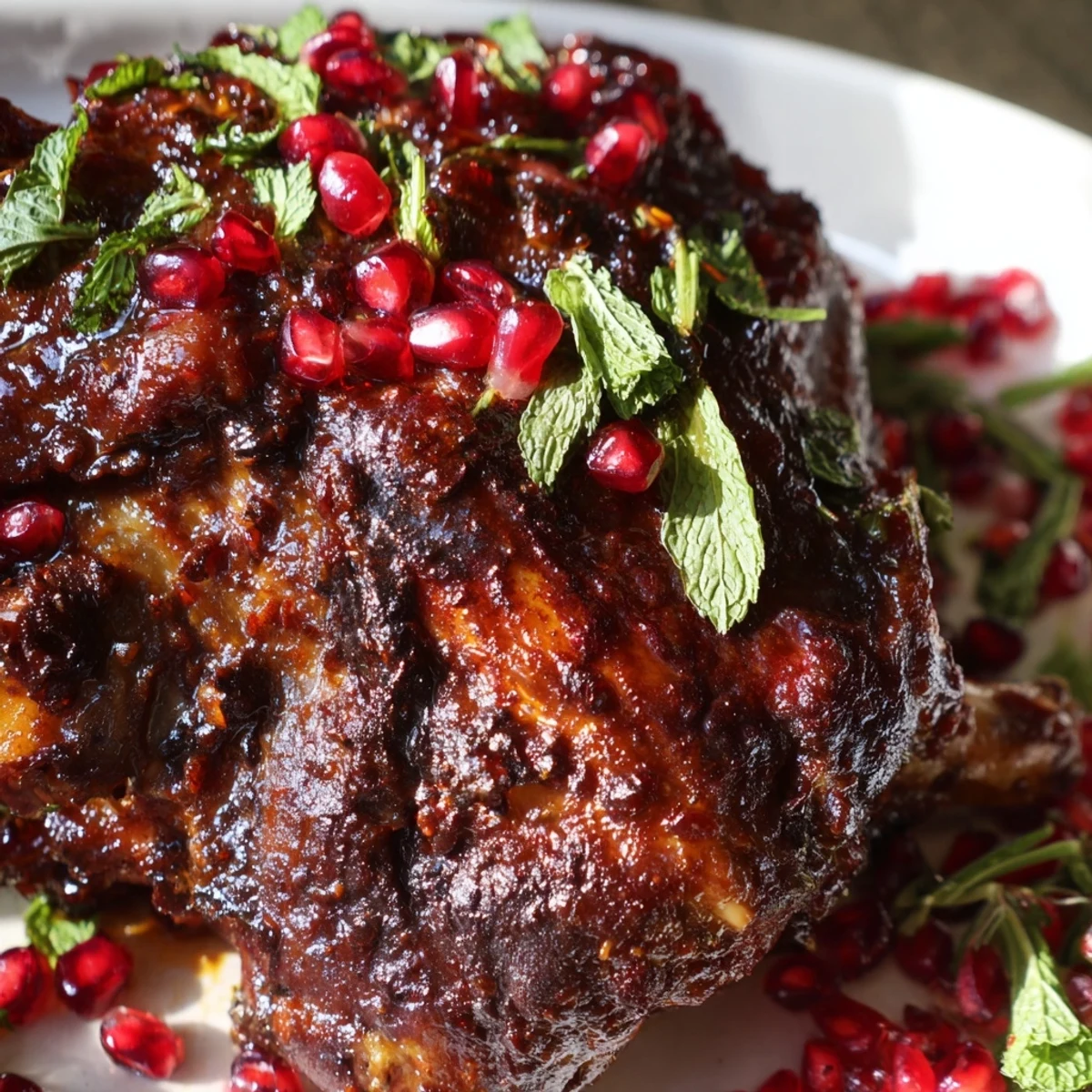
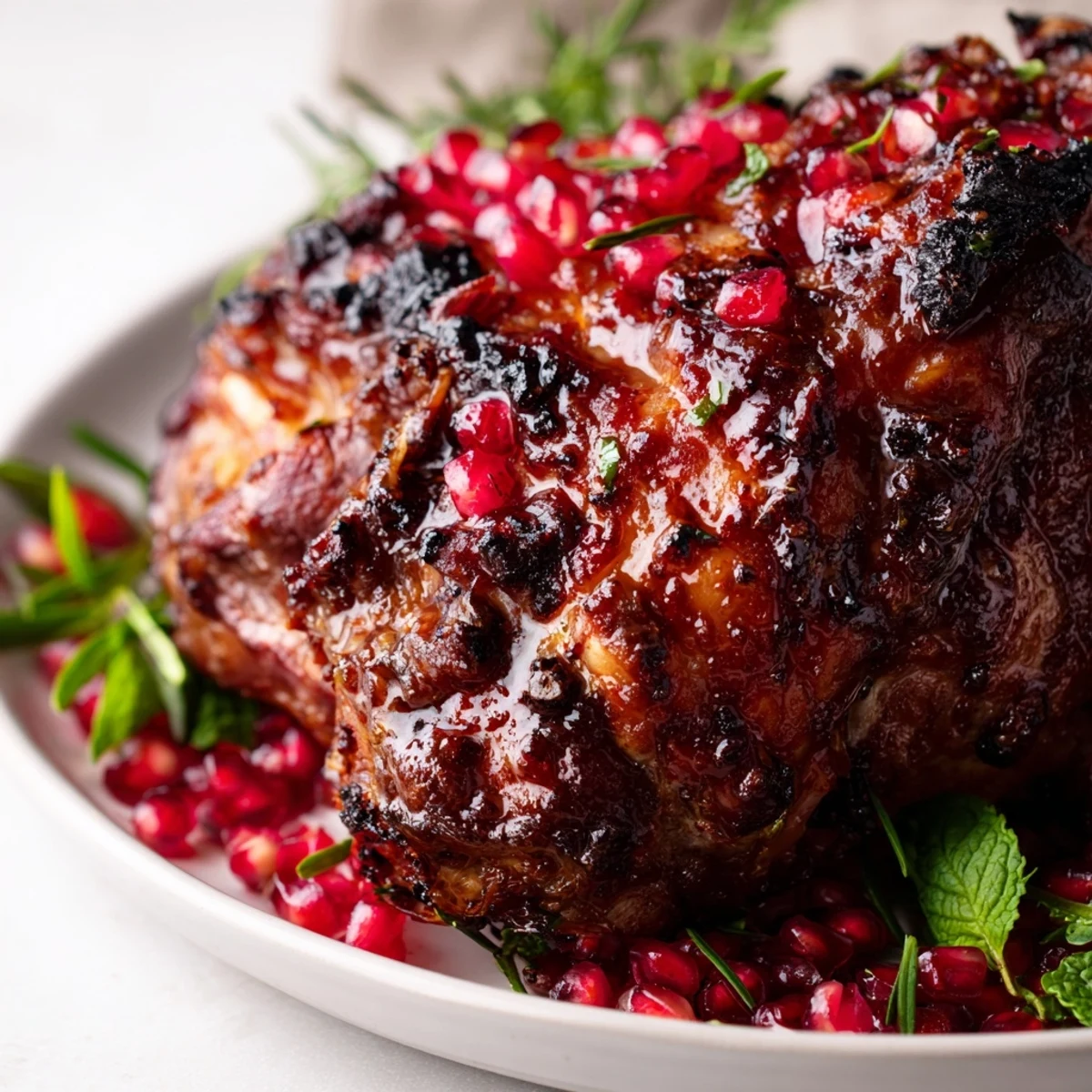
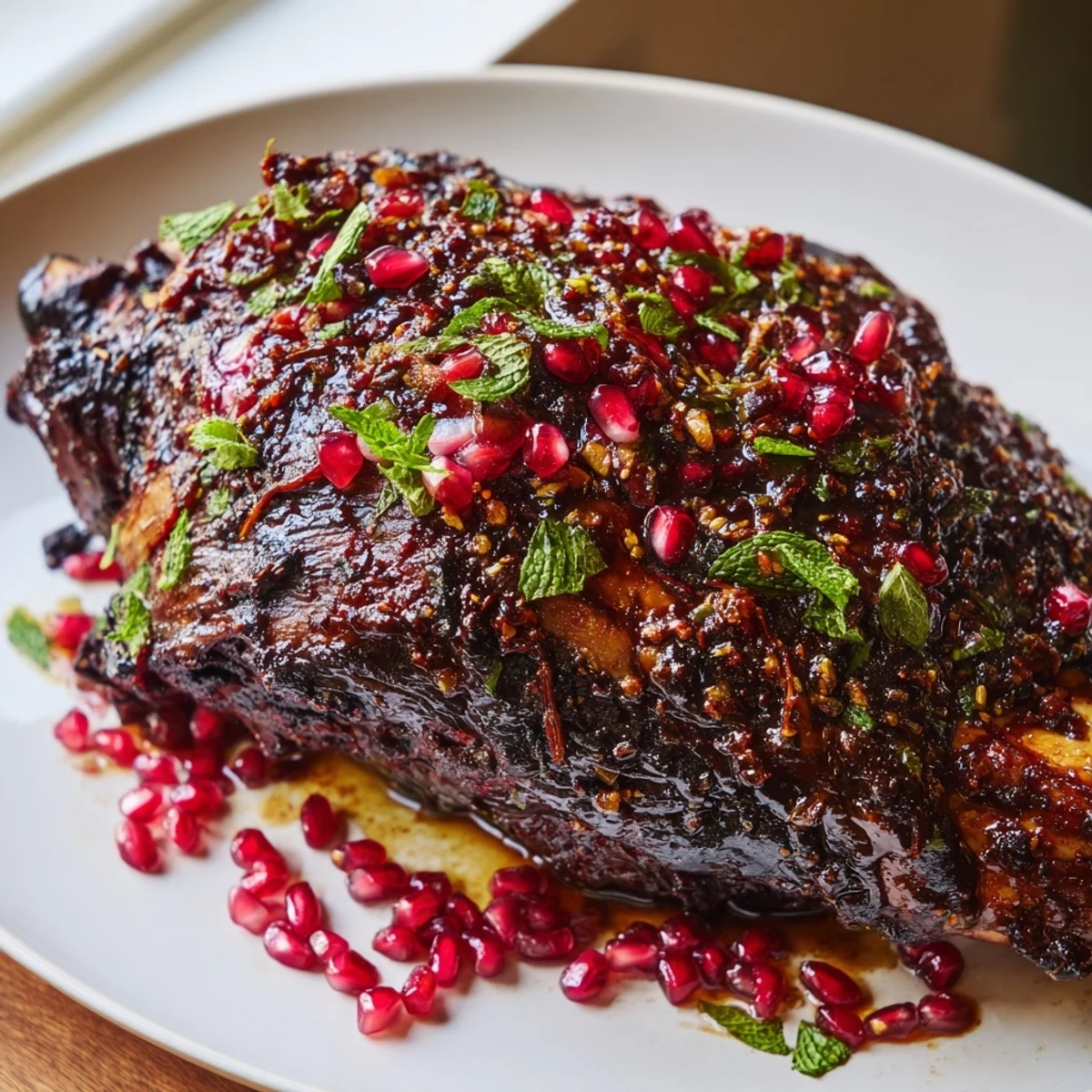
Save This Middle Eastern-inspired dish features a bone-in lamb shoulder rubbed with aromatic spices like cumin, coriander, and cinnamon. The meat slow-roasts for 4 hours until fork-tender, then gets finished with a sticky-sweet pomegranate molasses glaze that caramelizes beautifully. The long, slow cooking process breaks down the tough fibers in the shoulder cut, resulting in incredibly tender meat that pulls apart effortlessly. Served garnished with fresh pomegranate seeds and mint, this showstopping main course is perfect for special occasions and festive gatherings.
The aroma of my lamb shoulder roasting with Middle Eastern spices never fails to transport me back to that early autumn dinner party where I first attempted this recipe. Standing in my kitchen that evening, nervous about cooking for my partner's food-loving family, I discovered the magical marriage of lamb and pomegranate molasses. The tangy-sweet glaze caramelizing in my oven filled the house with a scent so intoxicating that everyone gathered in the kitchen before I'd even called them to the table.
Last winter, I prepared this lamb shoulder for a small gathering of friends who had trudged through snow to reach my home. The weather outside was bitterly cold, but watching their expressions as they took their first bites of the succulent meat made every minute of preparation worthwhile. One friend, typically reserved with compliments, actually closed his eyes and sighed contentedly before asking if he could take the bone home for his dog, which I considered the highest praise possible.
Ingredients
- Bone-in lamb shoulder (2 kg/4.5 lb): The bone adds tremendous flavor during the long roast, and I learned that asking your butcher to trim but leave that fat cap on ensures the meat stays incredibly moist.
- Pomegranate molasses: This deep ruby syrup might seem specialty, but its worth hunting down for its perfect balance of sweetness and acidity that cuts through the rich lamb.
- Ground spices (cumin, coriander, cinnamon, smoked paprika): After experimenting with countless combinations, this quartet creates the most harmonious Middle Eastern profile without overwhelming the natural flavor of the lamb.
- Stock: I discovered that pouring stock around, not over, the lamb creates a gentle steam bath that keeps everything juicy while allowing the top to develop that gorgeous crust.
Instructions
- Prepare your aromatic base:
- Arrange those thick onion slices, carrot chunks, and halved garlic bulb in your roasting pan like youre building a natural trivet. This vegetable bed will not only flavor the meat from below but will also transform into deliciously jammy treasures you can serve alongside.
- Create your spice symphony:
- Mix the cumin, coriander, cinnamon, paprika, garlic, rosemary and lemon zest until the fragrance makes your kitchen smell like a Moroccan market. Massage this mixture into every crevice of your oil-rubbed lamb, getting under flaps and into all the nooks.
- The long, slow magic:
- Cover that pan tightly with foil and let it roast at 160°C for a full 3½ hours, only opening to baste occasionally. Youll know magic is happening when your home fills with an aroma that makes everyone ask when dinner will be ready.
- The grand finale glaze:
- Whisk together that glossy pomegranate molasses with honey and lemon juice until it looks like liquid rubies. Brush this generously over your tender lamb before returning it to a hotter oven (200°C) uncovered to develop that irresistible sticky exterior.
- The crucial rest:
- After pulling your masterpiece from the oven, resist the urge to carve immediately. Let it rest under loose foil for at least 15 minutes, giving the juices time to redistribute throughout the meat instead of running out onto your cutting board.
 Save
Save The first time I served this lamb at a holiday gathering, my sister-in-law, who normally picks at her food, asked for seconds and then thirds. As everyone lingered around the table, conversations flowing easily into the night, I realized this dish had transformed an ordinary family dinner into something memorable. The empty platter at the end of the night felt like a personal victory, especially since this was the same family that had once politely smiled through my early cooking disasters.
Make-Ahead Options
Through multiple dinner parties, Ive learned this lamb shoulder actually benefits from being prepared a day in advance. The spice rub penetrates deeper into the meat overnight, creating more complex layers of flavor. Once, when rushing to prepare for unexpected guests, I discovered that fully cooking and reheating the lamb works surprisingly well too, as the meat remains tender and the flavors seem to intensify even further during its rest in the refrigerator.
Serving Suggestions
After years of experimenting with different accompaniments, Ive found that a zippy yogurt sauce with cucumber and mint creates the perfect cool contrast to the warm spices in the lamb. The crisp vegetables and creamy yogurt cut through the richness, cleansing your palate between each succulent bite. For a complete spread, I also like to serve this with warm flatbreads for scooping up the meat and juices, saving my guests from the temptation of licking their plates clean in company.
Troubleshooting and Variations
When my friend with dietary restrictions came for dinner, I discovered this recipe adapts beautifully to accommodate different needs without sacrificing flavor. Swapping the honey in the glaze for maple syrup creates a slightly different but equally delicious profile for those avoiding bee products. For a summery twist that I stumbled upon during a particularly hot September, try adding orange blossom water to the glaze and serving the lamb with a citrus-heavy herb salad on top.
- If your lamb seems to be browning too quickly during the final glazing stage, simply tent it loosely with foil while leaving the edges exposed to continue caramelizing.
- Cant find pomegranate molasses? Reduce pomegranate juice with a touch of honey and lemon until syrupy, or substitute with a mixture of balsamic glaze and a hint of raspberry jam.
- Save the vegetables from the roasting pan and puree them with some of the strained pan juices for an incredible sauce that makes even the simplest side dishes extraordinary.
 Save
Save Whenever I make this pomegranate-glazed lamb shoulder, I'm reminded that the best recipes aren't just about impressive flavors but about creating moments where people connect over a shared table. Whether for a special celebration or simply because you deserve something extraordinary on an ordinary day, this dish delivers both comfort and a touch of culinary adventure.
Recipe FAQs
- → Can I use boneless lamb shoulder instead?
-
Yes, boneless lamb shoulder works well too. Reduce the cooking time by about 30 minutes as boneless cuts typically cook faster. You may want to tie the boneless shoulder with kitchen twine to help it maintain its shape during the long cooking process.
- → What is pomegranate molasses and where can I find it?
-
Pomegranate molasses is a thick, tangy-sweet syrup made from reduced pomegranate juice. It's commonly used in Middle Eastern cooking. You can find it in international food stores, well-stocked supermarkets, or online. If unavailable, you can substitute with a mixture of balsamic glaze and lemon juice.
- → Can I make this in a slow cooker?
-
Absolutely! Prepare the lamb with the spice rub as directed, then place in a slow cooker with the vegetables and stock. Cook on low for 7-8 hours. For the final glazing step, transfer to a roasting pan and finish in a hot oven (200°C/400°F) for 20-30 minutes.
- → What side dishes pair well with this lamb?
-
This lamb pairs beautifully with Middle Eastern and Mediterranean sides like tabbouleh, hummus, roasted vegetables, couscous, or rice pilaf. Warm flatbreads are excellent for soaking up the flavorful juices. A simple cucumber and yogurt salad provides a cooling contrast to the rich meat.
- → Can I prepare this dish in advance?
-
Yes, you can prepare this dish up to the glazing step a day ahead. Slow-roast the lamb, then cool and refrigerate. The next day, bring to room temperature, apply the glaze, and complete the final high-temperature roasting step. The flavors actually develop nicely overnight.
- → How do I know when the lamb is properly cooked?
-
The lamb shoulder is done when it's fork-tender and the meat easily pulls away from the bone. For extra assurance, use a meat thermometer - the internal temperature should reach at least 70°C/160°F for medium doneness, though this cut benefits from cooking to a higher temperature (around 85°C/185°F) to break down connective tissues.