
 Save
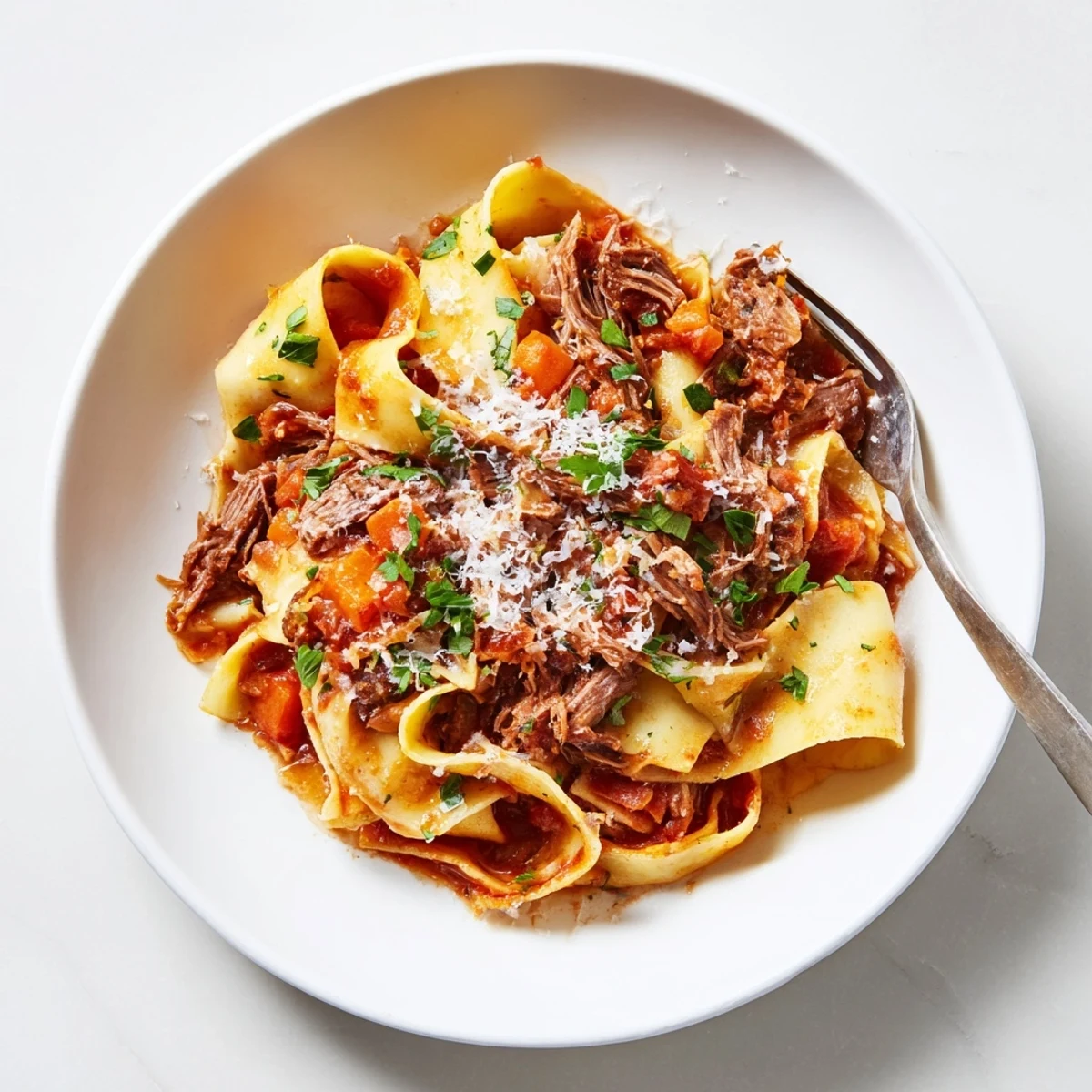
Save This hearty lamb ragu transforms tough cuts of meat into meltingly tender goodness through slow braising. The process starts by searing seasoned lamb shoulder pieces until golden brown, then building a flavorful base with soffritto vegetables—onion, carrot, and celery. A cup of dry red wine deglazes the pot, releasing all those caramelized bits from the bottom, while crushed tomatoes and broth create a luscious sauce that simmers for nearly three hours. Fresh rosemary, thyme, and bay leaf infuse aromatic depth throughout the cooking process. The result is fork-shredded lamb suspended in a thick, concentrated sauce that clings beautifully to wide ribbons of pappardelle.
The timing works perfectly: start the ragu first, then cook your pasta during the final 20 minutes of braising. Reserve some starchy pasta water to adjust consistency if needed. Serve immediately with freshly grated Parmigiano-Reggiano, or make it ahead—the flavors deepen overnight and reheating only improves the texture.
The aroma of slowly braising lamb filled my entire apartment that first Sunday afternoon I attempted this recipe. My neighbor actually knocked on my door to ask what smelled so incredible, which I took as the highest compliment. Now this ragu has become my go-to for Sunday dinners that stretch late into the evening, filled with wine and conversation.
I served this at my first proper dinner party in my new apartment, nervously checking the pot every twenty minutes. My friends lingered at the table for hours, their plates scraped clean and the wine bottle empty, which I decided was the only review that mattered.
Ingredients
- 2 lbs boneless lamb shoulder: Shoulder has the perfect fat content for slow braising and develops incredible depth
- 1 tsp salt and ½ tsp black pepper: Season the lamb generously before searing to build layers of flavor
- 2 tbsp olive oil: Use a neutral oil with a high smoke point for the initial searing
- 1 large onion, 2 carrots, 2 celery stalks: This classic soffritto base provides the aromatic foundation
- 4 garlic cloves, minced: Add garlic after the vegetables soften to prevent burning
- Fresh rosemary, thyme, and bay leaf: These herbs perfume the sauce as it braises
- 1 cup dry red wine: The wine adds acidity and complexity, so choose something you would drink
- 1 can crushed tomatoes: Whole tomatoes crushed by hand give a rustic texture
- 1 cup beef or chicken broth: Broth adds body without overpowering the lamb
- 1 lb pappardelle pasta: The wide ribbons are perfect for catching the thick sauce
- Freshly grated Parmigiano-Reggiano: A generous finish ties everything together
Instructions
- Season and Sear the Lamb:
- Pat the lamb pieces completely dry with paper towels, then season generously with salt and pepper. Heat olive oil in a large Dutch oven over medium high heat and brown the lamb in batches, getting a deep golden crust on all sides.
- Build the Aromatic Base:
- In the same pot, cook onion, carrots, and celery for 6 to 8 minutes until softened and fragrant. Add garlic and cook for just 1 minute more until it becomes aromatic.
- Combine and Deglaze:
- Return the lamb to the pot along with rosemary, thyme, and bay leaf. Pour in the red wine and scrape up any browned bits from the bottom, letting it simmer for 2 to 3 minutes.
- Simmer Slowly:
- Add crushed tomatoes and broth, stirring well to combine. Bring to a gentle simmer, then reduce heat to low, cover, and cook for 2½ to 3 hours until the lamb is very tender.
- Shred and Season:
- Remove the herb sprigs and shred the lamb into the sauce using two forks. Taste and adjust the seasoning with salt or pepper if needed.
- Cook the Pasta:
- About 20 minutes before the ragu finishes, cook pappardelle in salted boiling water until al dente. Drain, reserving some pasta water to adjust sauce consistency.
- Bring It Together:
- Toss the pappardelle directly with the lamb ragu, adding pasta water as needed to coat every strand. Serve hot with plenty of grated cheese.
 Save
Save This recipe has become my reliable comfort when the weather turns cold and the evenings grow dark. There is something deeply satisfying about a dish that rewards patience with such rich results.
Choosing The Right Wine
I have learned that any decent dry red wine will work, but Italian varieties like Chianti or Barbera connect naturally with the flavors. Avoid anything too oaky or tannic, as those characteristics can overwhelm the lamb after hours of cooking.
The Art of Low and Slow
Rushing this recipe defeats the entire purpose. The magic happens in that final hour when the collagen breaks down and the lamb begins to surrender into the sauce, creating that velvety texture that makes ragu so special.
Perfecting Your Pasta Technique
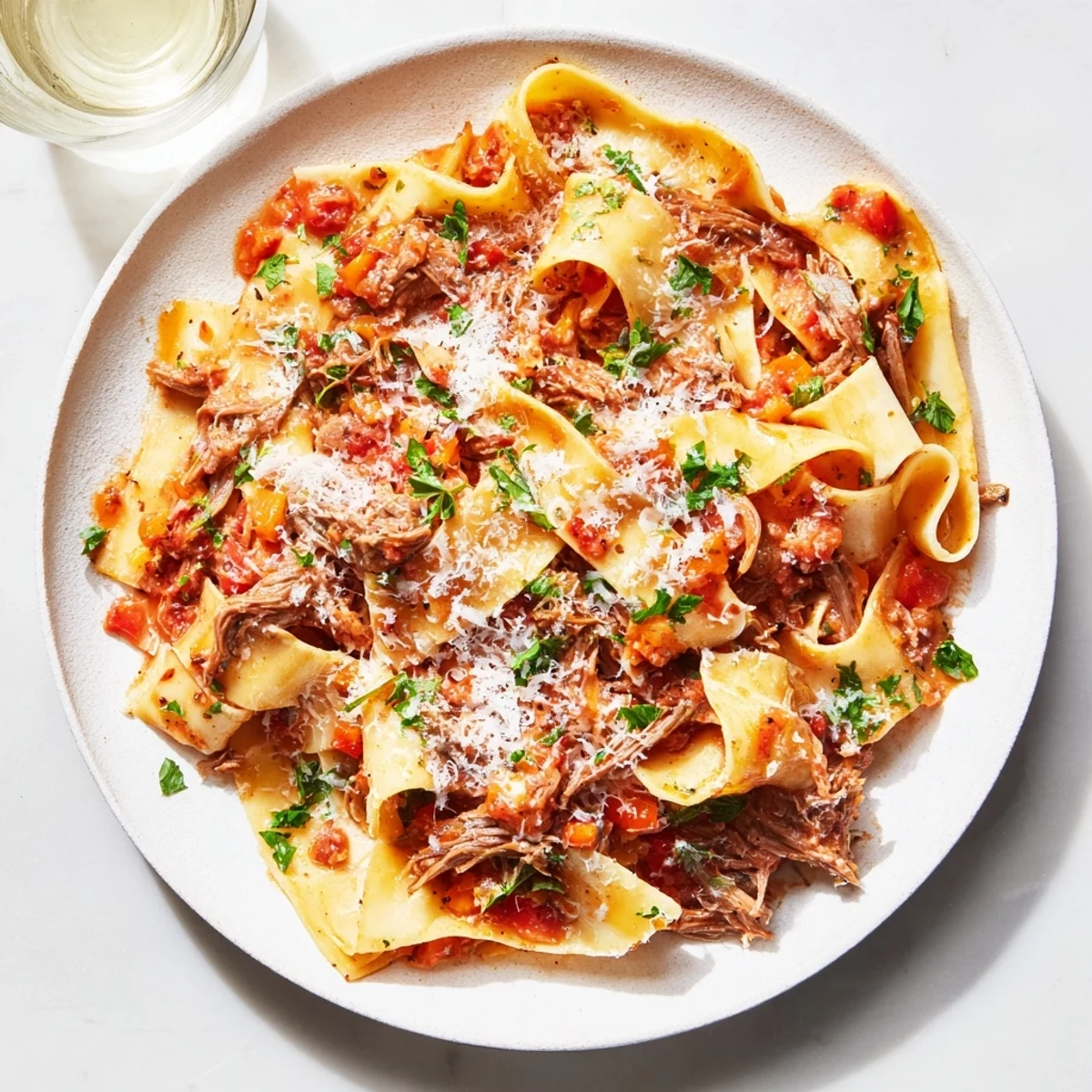
Always finish cooking the pasta in the sauce itself for the last minute. This emulsifies the starch and creates that restaurant quality coating that clings to every strand of pappardelle.
- Save at least a half cup of pasta water before draining
- Toss vigorously to emulsify the sauce with the starch
- Add more cheese at the table rather than during cooking
 Save
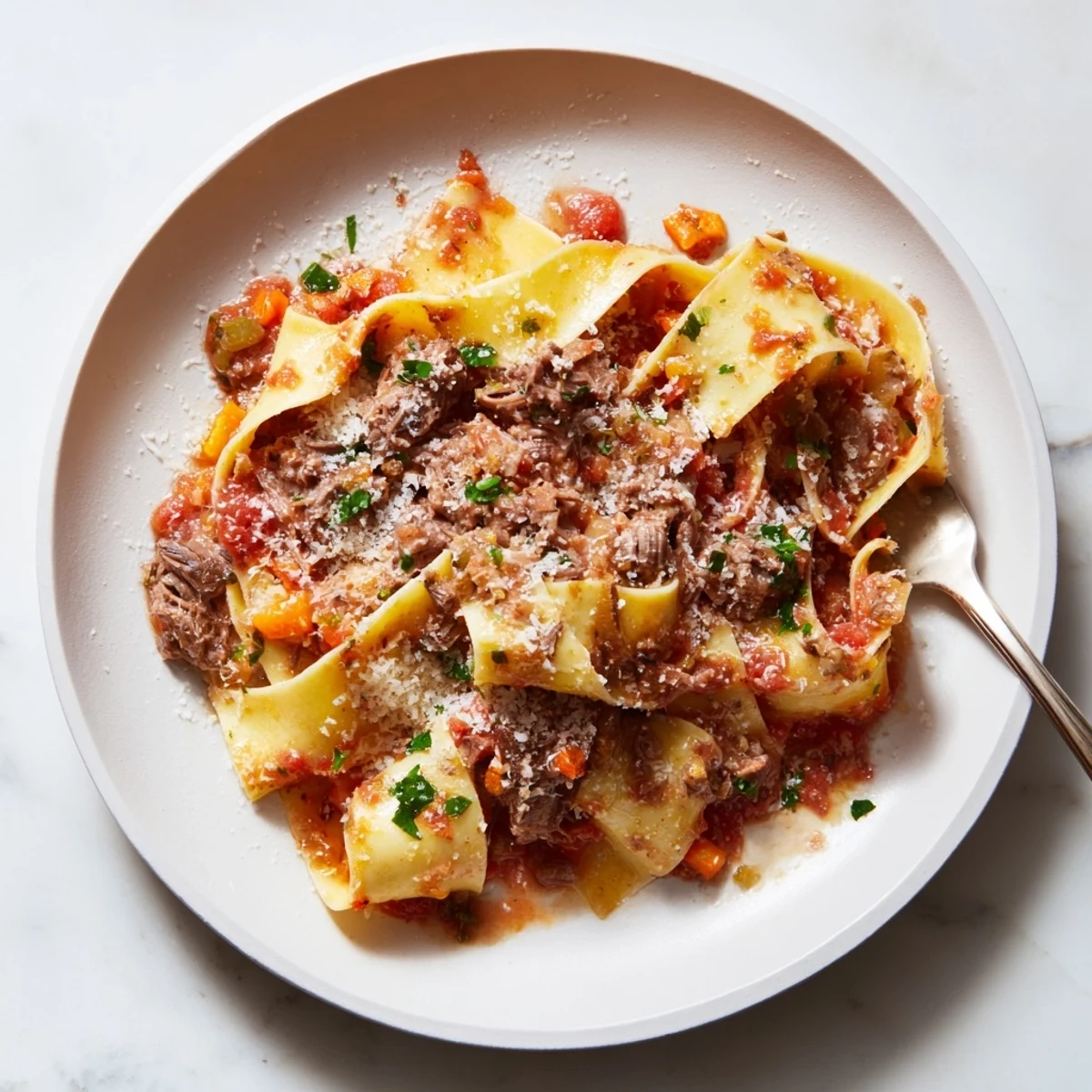
Save There is no better way to spend a Sunday afternoon than with a pot of this bubbling away on the stove. Enjoy every slow, delicious minute of it.
Recipe FAQs
- → What cut of lamb works best for ragu?
-
Lamb shoulder is ideal because it contains enough connective tissue and fat to break down during slow cooking. This creates that melt-in-your-mouth texture and rich, silky sauce. Boneless shoulder trimmed into 2-inch pieces browns evenly and shreds beautifully after braising.
- → Can I make this lamb ragu ahead of time?
-
Absolutely. In fact, preparing it a day ahead improves the flavor. The sauce continues to develop as it rests, and the fat renders further for a silkier texture. Store in the refrigerator and reheat gently over low heat, adding a splash of broth or pasta water to loosen if needed.
- → What pasta substitutes work well?
-
Wide egg noodles like tagliatelle or fettuccine are excellent alternatives if you can't find pappardelle. The wide surface area is key—it holds onto the thick meat sauce better than spaghetti or angel hair. Fresh pasta ribbon cuts work wonderfully too.
- → How do I know when the lamb is done?
-
The lamb is ready when it pulls apart easily with two forks. This typically takes 2½ to 3 hours of gentle simmering. The sauce should also thicken considerably and coat the back of a spoon. If the lamb resists shredding, give it more time—low and slow is essential.
- → What wine pairs with lamb ragu?
-
The same red wine used in cooking makes an ideal pairing. Chianti Classico, Barolo, or other bold Italian reds complement the rich lamb and tomato flavors. Look for wines with good acidity and tannin structure to cut through the hearty sauce.
- → Can I freeze leftover ragu?
-
Yes, lamb ragu freezes exceptionally well. Cool completely, then transfer to airtight containers or freezer bags. It keeps for up to 3 months. Thaw overnight in the refrigerator and reheat gently, adding a splash of broth or water to restore the sauce consistency.