
 Save
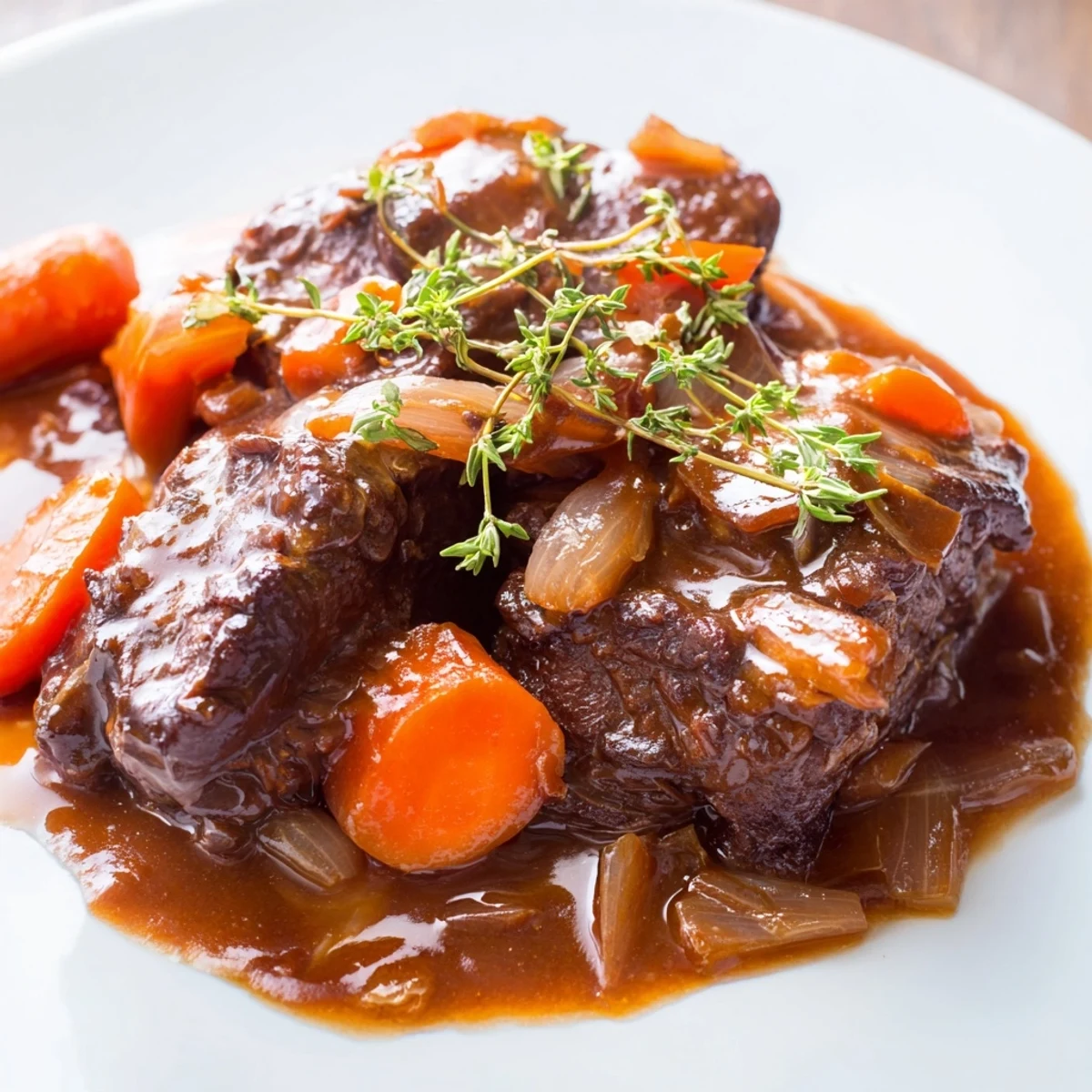
Save This dish features succulent beef shin slowly cooked to tender perfection alongside carrots and aromatic thyme. The beef is first browned to develop deep flavors, then simmered gently in red wine and beef stock with onions, garlic, celery, and herbs. The result is a rich, melt-in-the-mouth main course ideal for cozy family dinners. Serve with mashed potatoes or crusty bread to soak up the luscious sauce.
There's something about beef shin that transforms in the slow heat of an oven—something that turns this humble, often-overlooked cut into something so tender it falls apart on your fork. I learned this years ago when I was trying to stretch my budget but didn't want to sacrifice flavor, and now it's become one of my most requested dinners. The carrots and thyme do something magical here, their sweetness and earthiness melding with the rich beef until you can't quite tell where one flavor ends and another begins.
I made this for my partner on a rainy Sunday, and they came into the kitchen three times asking what smelled so good, clearly unable to wait until dinner. There's something about the smell of beef and wine and thyme filling your home that feels like you've accomplished something monumental, even though you're mostly just letting the oven do the work.
Ingredients
- Beef shin: Cut into large chunks so they keep their shape through the long cooking—smaller pieces tend to shred apart completely, and you want some structure in your bowl.
- Olive oil: Just enough to get a proper sear on the meat, which is worth the extra minute because browning creates such deep flavor.
- Carrots, onions, celery, and garlic: This is your aromatic base, and the carrots especially will dissolve slightly and sweeten the whole braise—buy them fresh because they really matter here.
- Beef stock: Use the best quality you can find or make your own; it's the foundation of the sauce and you'll taste every bit of it.
- Dry red wine: Don't use anything you wouldn't drink yourself—the wine concentrates as it cooks and becomes part of the soul of this dish.
- Fresh thyme and bay leaves: Fresh thyme makes an enormous difference, but dried will work if that's what you have; these herbs infuse the whole pot with their essence.
- Salt and black pepper: Taste as you go because the sauce concentrates and seasoning needs to be adjusted at the end.
Instructions
- Get everything ready:
- Preheat your oven to 150°C or set your slow cooker to low—there's no rush here, and slow is the only way this works. Gather your casserole dish and make sure it's the kind that can go straight from stovetop into the oven.
- Sear the beef:
- Heat your oil until it's shimmering, then add the seasoned beef in batches so you don't overcrowd the pan. Let each piece get a deep golden crust on all sides before removing it—this takes maybe ten minutes total and is the most important step for flavor.
- Build your base:
- In that same pan with all the browned bits stuck to the bottom, add your onions, carrots, celery, and garlic. Sauté for about five minutes until they're starting to soften and smell absolutely wonderful.
- Bring it together:
- Return the beef to the pan, pour in the red wine, and let it bubble for a couple of minutes while you scrape up those caramelized bits from the bottom. Then add the stock, tuck in your thyme sprigs and bay leaves, and give everything a gentle stir.
- Low and slow:
- Cover the casserole and slide it into the oven for three to three and a half hours, or into a slow cooker on low for seven to eight hours if you prefer. The beef is ready when it's so tender it practically dissolves when you press it with a spoon.
- Finish and serve:
- Fish out the thyme sprigs and bay leaves, taste the sauce, and adjust your salt and pepper. Serve it hot, maybe with some mashed potatoes or crusty bread to soak up every drop of that incredible sauce.
 Save
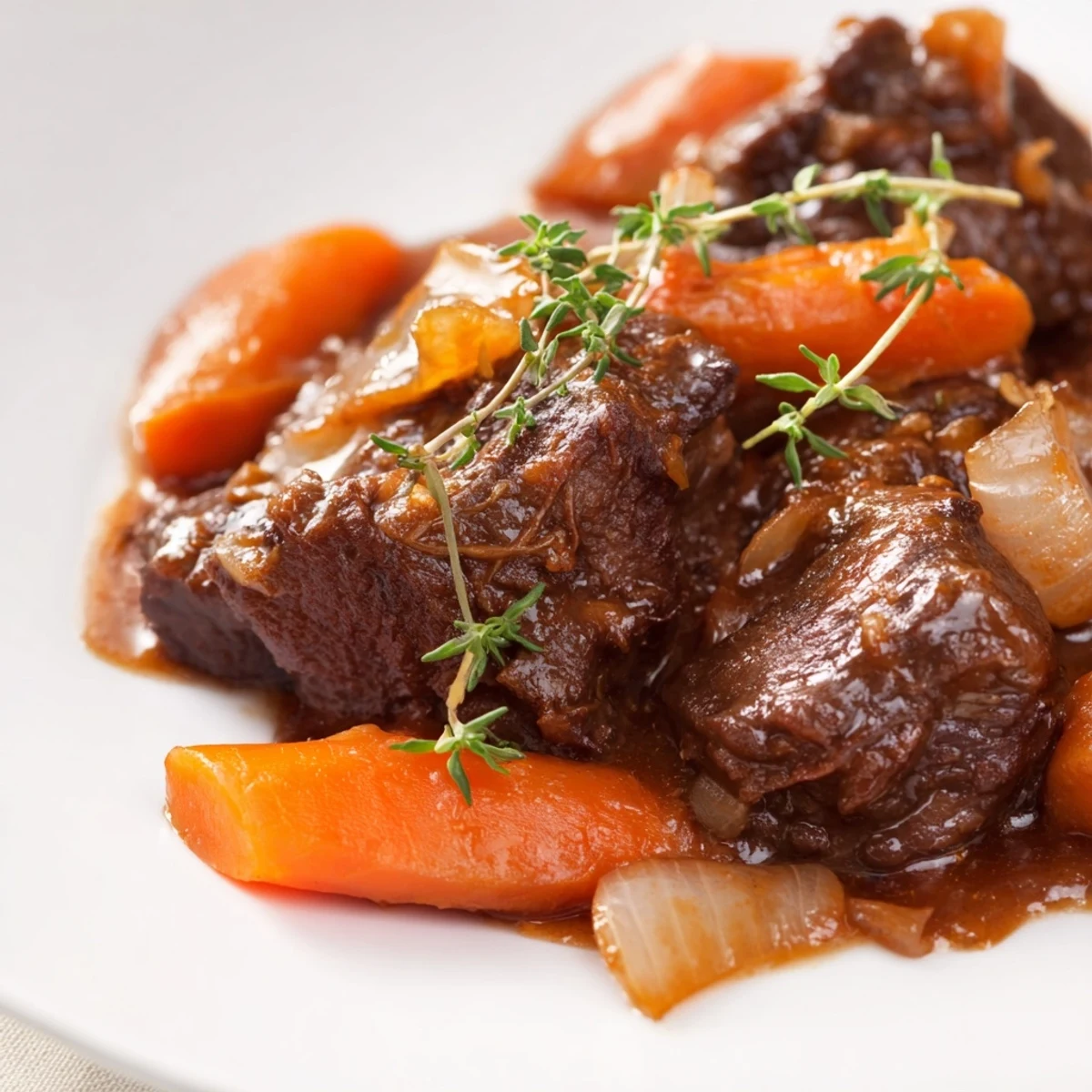
Save The first time someone told me this was better than beef stew, I understood exactly what they meant—there's an elegance to it that comes from the long, gentle cooking and the careful layering of flavors. It's the kind of dish that makes people feel cared for without needing to be fussy.
Why This Cut Works So Well
Beef shin gets a bad reputation because it looks unpromising when you buy it—all marbled and sinewy and tough. But that's exactly what makes it perfect for this braise because those connective tissues break down into gelatin over the long cooking time, creating a sauce that's naturally rich and silky without any cream or butter. The meat itself becomes so tender it melts on your tongue, and it costs about half what other cuts do.
Making It Your Own
Once you've made this once, you'll start experimenting—swapping in parsnips or turnips alongside the carrots, trying different wines depending on what you have open, or adding mushrooms for extra earthiness. The structure is so solid that variations feel like natural evolutions rather than departures.
What to Serve It With
The sauce deserves a vehicle, so think about what will catch every drop—creamy mashed potatoes are traditional and perfect, but crusty bread is just as good for soaking, and polenta adds a luxurious creaminess that feels special. Sometimes I serve it with simple egg noodles and let everyone get their own bowl of that glossy sauce, which feels less formal and somehow more fun.
- Mashed potatoes will absorb the sauce and make every bite feel substantial and comforting.
- Crusty bread torn into pieces gives you something to drag through the sauce at the bottom of the bowl.
- Polenta stirred with butter and cheese makes this feel like a restaurant-worthy dinner without extra effort.
 Save
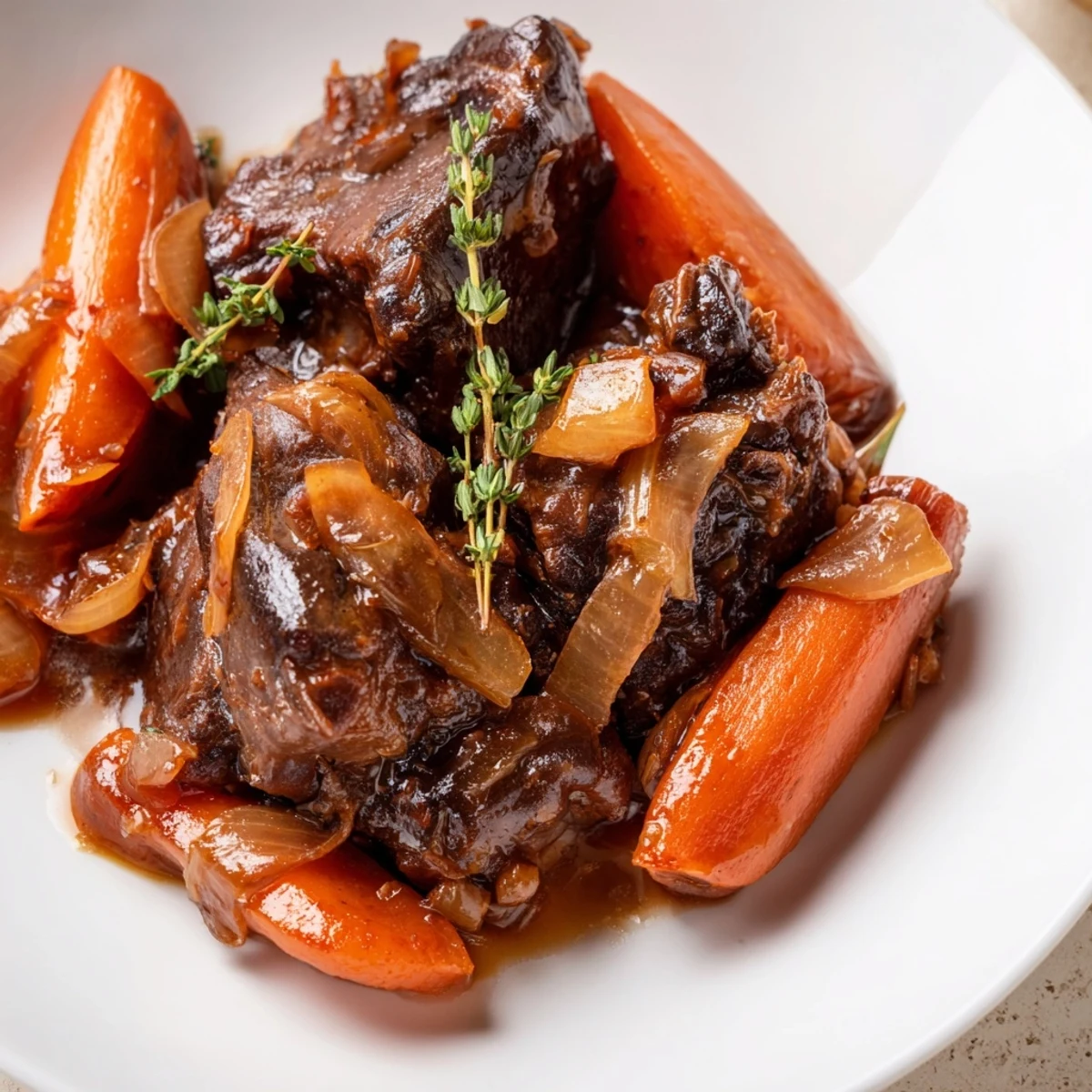
Save This is the kind of dish that turns a regular week into something special, that makes you feel like you've cooked something impressive even though mostly you've just been patient. It's worth every minute.
Recipe FAQs
- → What cut of meat works best for this dish?
-
Beef shin is preferred for its collagen-rich meat that becomes tender and flavorful after slow cooking.
- → Can this dish be made gluten-free?
-
Yes, use gluten-free beef stock and check all ingredients to ensure they contain no gluten.
- → Is red wine necessary for cooking?
-
Red wine adds depth and acidity but can be omitted or replaced with extra beef stock if preferred.
- → How long should the dish be cooked?
-
Simmer gently for about 3 to 3½ hours until the beef is fork-tender and the sauce is rich.
- → What are good side options to serve with this dish?
-
Mashed potatoes, crusty bread, or creamy polenta complement the rich sauce well.
- → How can I thicken the sauce if needed?
-
Remove the lid during the last 30 minutes of cooking or stir in a cornstarch slurry to thicken the sauce.