
 Save
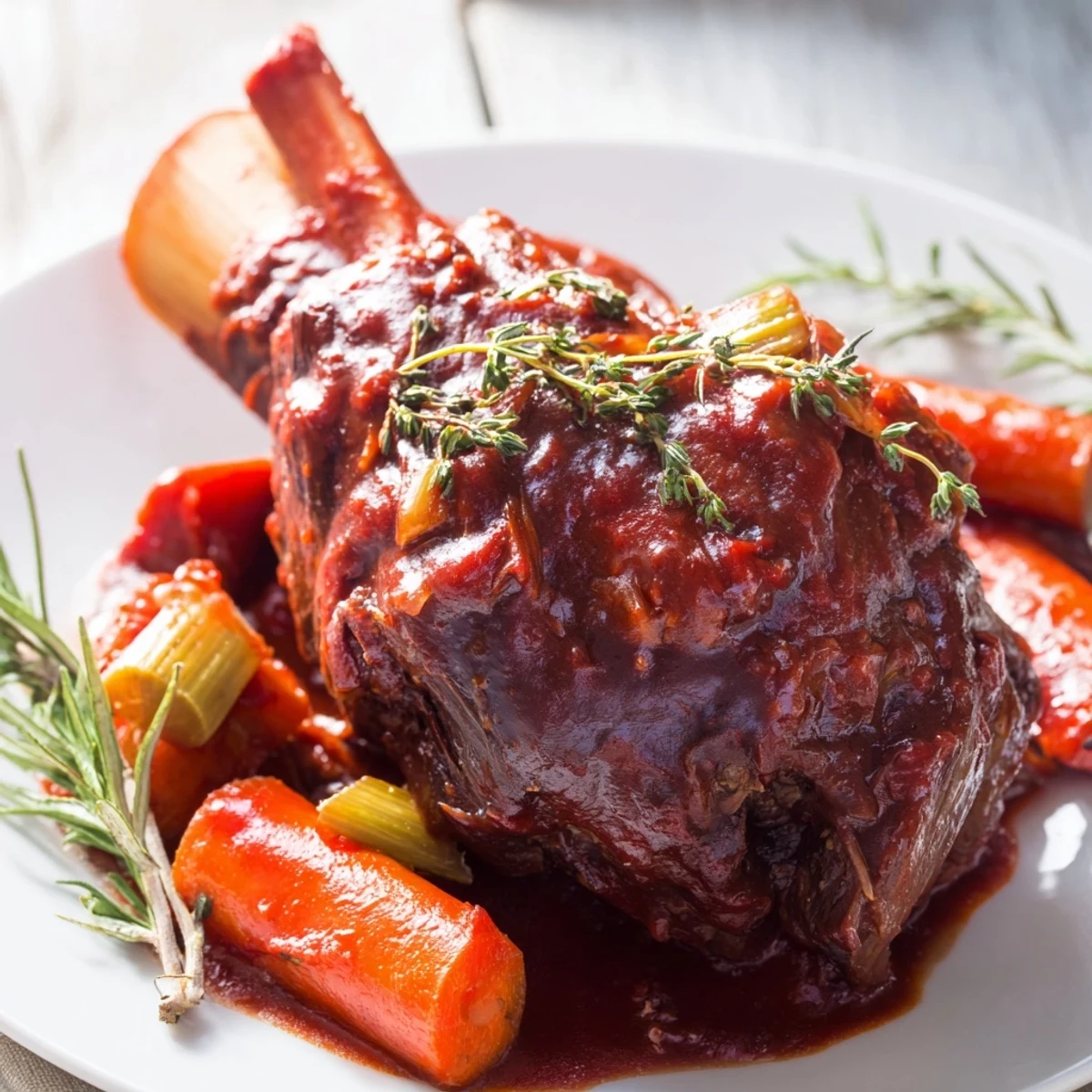
Save This dish features beef shanks slowly braised with fresh rosemary, thyme, and a medley of vegetables, creating a tender and flavorful result. The meat becomes fork-tender after hours of slow cooking, absorbing the rich aromas of red wine and beef stock. The process begins by searing the beef for a deep brown crust, then simmering it gently alongside carrots, celery, onion, and fragrant herbs. Served hot, it pairs beautifully with mashed potatoes or crusty bread, making it perfect for warming, comforting meals.
There's something about a beef shank that demands patience, and I learned that lesson on a cold Sunday when I decided to make dinner for friends who were expecting something quick. Three and a half hours later, as the kitchen filled with the deep, wine-rich aroma of braising beef, I realized this wasn't a shortcut kind of dish, but something worth the wait. The first time I pulled those shanks from the oven, the meat practically sliding off the bone, I understood why slow-cooked braises have been feeding families across Europe for centuries.
I remember serving this to my neighbor Maria, who'd mentioned she was tired of cooking for one. She came back three days later asking for the recipe, saying she'd made it again immediately because her kitchen had smelled so good she couldn't waste that memory on just one meal. That's when I knew this wasn't just dinner, it was the kind of dish that lingers with people.
Ingredients
- Beef shanks (4, about 300g each): Look for bone-in pieces with good marbling, as the bone adds deep flavor and the marrow enriches the sauce as it braises.
- Salt and freshly ground black pepper: Season generously before searing, don't be shy here as the long cooking won't diminish bold seasoning.
- Carrots (2 large, peeled and sliced): They'll soften into the sauce and add natural sweetness that balances the wine's acidity.
- Celery stalks (2, sliced): These create the aromatic base along with onion, a combination that feels like the foundation of every great braise.
- Onion (1 large, chopped): Cut into chunks rather than fine pieces so it holds together during the long cook.
- Garlic cloves (4, minced): Add after the softer vegetables so it doesn't burn and turn bitter in the initial sear.
- Fresh rosemary (2 sprigs): The piney, almost resinous quality becomes mellow and sophisticated as it braises into the meat.
- Fresh thyme (2 sprigs): Milder than rosemary, it rounds out the herb profile with an earthy whisper.
- Bay leaves (2): They add a subtle depth that ties everything together, remove them before serving.
- Beef stock (400 ml): Use the best quality you can find, as this becomes the soul of your sauce.
- Dry red wine (250 ml): A medium-bodied wine works best, something you'd actually drink, not cooking wine from the back of the cabinet.
- Tomato paste (2 tbsp): This adds umami and body to the braising liquid, turning it into something rich and complex.
- Olive oil (2 tbsp): Use regular olive oil rather than extra virgin, as you'll be heating it to high temperatures for searing.
Instructions
- Set your oven stage:
- Preheat your oven to 160°C (320°F), giving it time to reach temperature while you prepare everything else.
- Prepare your beef:
- Pat the shanks completely dry with paper towels and season all over with salt and pepper, which helps them develop that gorgeous caramelized crust.
- Sear for color and flavor:
- Heat olive oil in your Dutch oven over medium-high heat until it shimmers, then carefully lay in the shanks and let them sit undisturbed for 3-4 minutes per side until deeply browned. This isn't just about looks, the browning creates layers of flavor that make the entire dish sing. Work in batches if needed so you don't crowd the pot.
- Build your aromatic base:
- Remove the shanks and set aside, then add onion, carrots, and celery to the same pot and cook for about 5 minutes, stirring occasionally, until they soften and the onion turns translucent. You'll hear them sizzle and smell that sweet vegetable fragrance that signals you're on the right track.
- Deepen the flavors:
- Add minced garlic and cook for just 1 minute more until fragrant, being careful not to let it brown. Stir in tomato paste and let it cook for another minute, which concentrates its umami punch.
- Deglaze and simmer:
- Pour in the red wine, using a wooden spoon to scrape up all those caramelized bits stuck to the bottom of the pot, and let it bubble gently for about 2 minutes. This is the moment the kitchen smells incredible and you know something special is happening.
- Return and submerge:
- Nestle the beef shanks back into the pot and pour in the beef stock, then tuck the rosemary and thyme sprigs around them along with the bay leaves. Everything should be mostly covered by liquid.
- Braise low and slow:
- Bring everything to a gentle simmer, then cover and transfer to your preheated oven. Let it braise undisturbed for about 1 hour 45 minutes, then carefully turn the shanks over and braise for another 1 hour 45 minutes or until the meat is fork-tender and practically falling from the bone.
- Finish and serve:
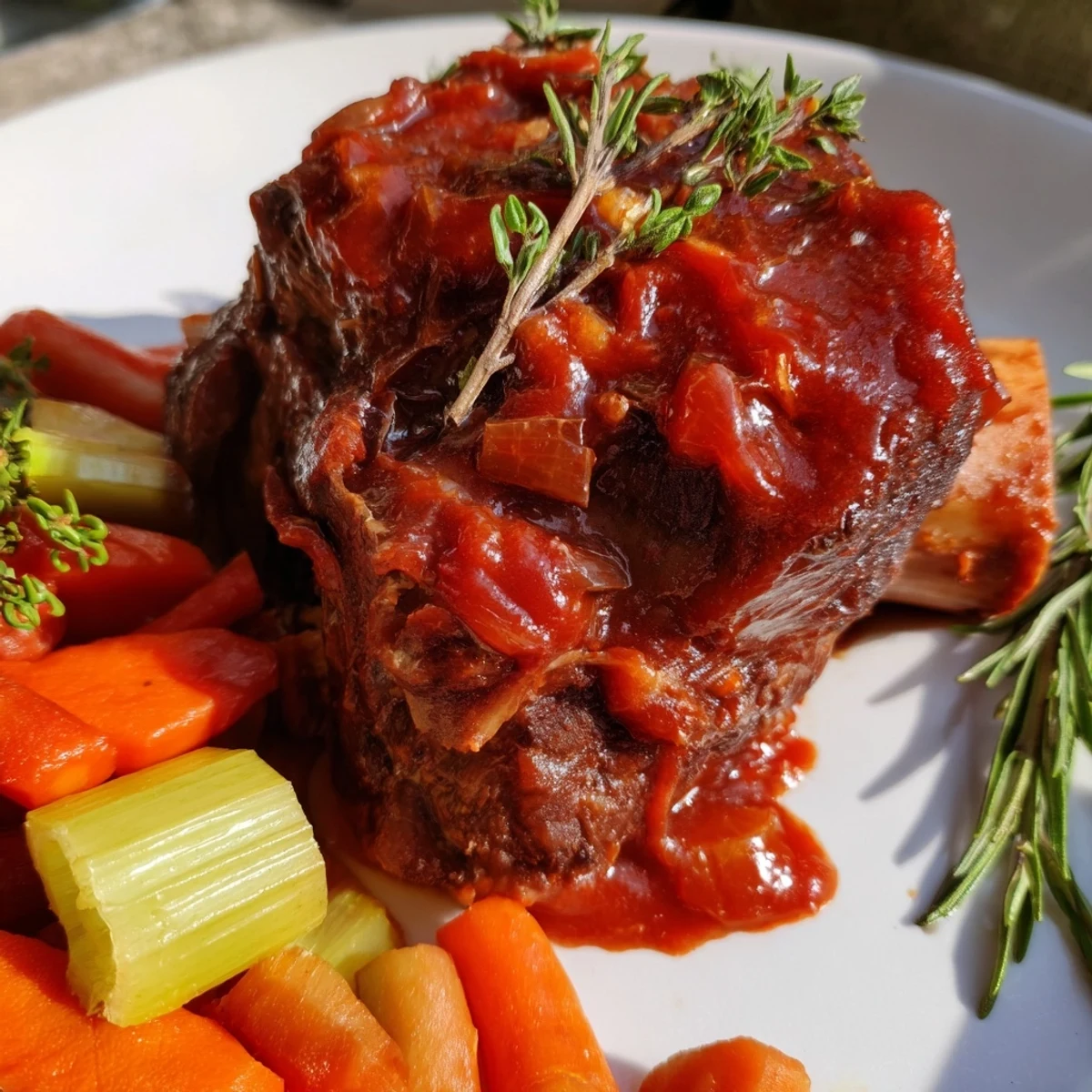
- Remove from the oven and carefully fish out the herb sprigs and bay leaves. If you want a thicker sauce, remove the shanks and reduce the braising liquid on the stovetop for 10-15 minutes until it coats the back of a spoon. Skim any excess fat from the surface if desired, then taste and adjust seasoning with more salt and pepper as needed. Serve the shanks with the vegetables and that magnificent sauce spooned generously over top.
 Save
Save My brother once came home from a difficult day and walked into the kitchen where this was braising, and he just stood there for a moment in silence before saying the smell alone made the day better. That's when I realized this dish isn't really about impressing anyone, it's about creating a moment where people feel cared for and nourished.
What Makes This Braise Different
Most beef braises rely on quick cooking or shortcuts, but this one celebrates the virtue of time spent in the oven. The long, gentle heat transforms tough cuts into something silky, while the vegetables practically dissolve into the sauce, creating layers of flavor that build and deepen as the hours pass. I've found that the difference between a rushed braise and one done properly is the same difference between holding a conversation and actually listening.
The Perfect Pairing
This dish begs for something to soak up that incredible sauce, and I've learned that mashed potatoes are the classic choice for good reason. Polenta works beautifully too if you want something slightly different, and honestly, even plain crusty bread will disappear faster than you'd expect. I once served it over cauliflower mash for a friend watching carbs, and she said the sauce made it work, but don't expect that to be quite the same comfort.
Kitchen Wisdom and Storage
One of the best-kept secrets about braises is that they genuinely improve when you make them a day ahead. The flavors settle and meld overnight, and the fat rises to the top where it's easier to skim off. I also learned the hard way that freezing beef shanks after braising works wonderfully, making this the ultimate make-ahead dinner for nights when you need something impressive but have no energy. This recipe stores well in the refrigerator for up to 4 days, and freezes beautifully for up to 3 months.
- Make this on a weekend and eat it throughout the week for dinners that taste like you spent all day in the kitchen.
- Let it cool completely before refrigerating to avoid condensation, which can water down your beautiful sauce.
- Reheat gently on the stovetop at low heat rather than the microwave, which brings back all those layered flavors.
 Save
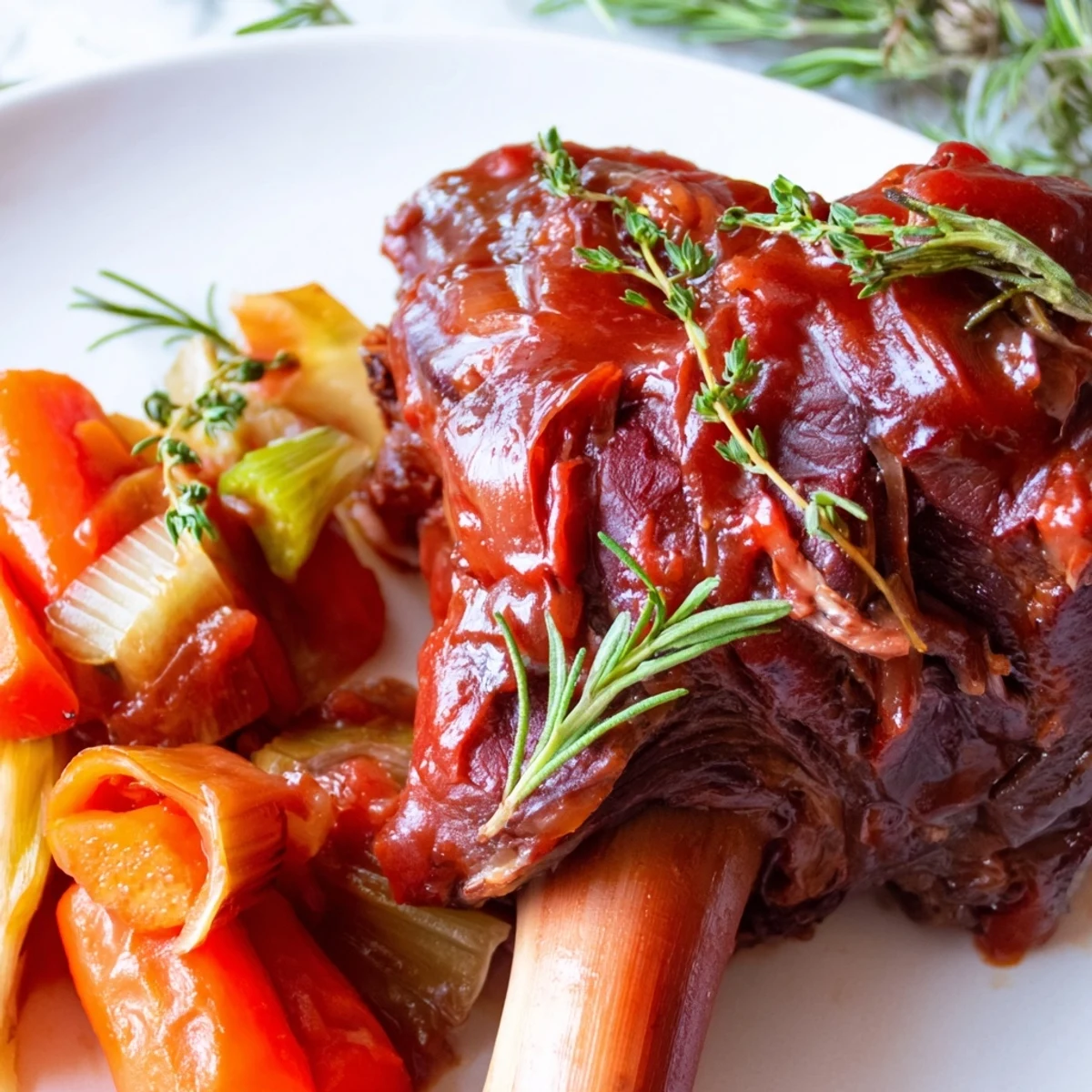
Save This is the kind of dish that reminds you why people have been gathering around tables for thousands of years, and why slow food tastes like love. Make it once and you'll understand why it deserves a permanent place in your cooking rotation.
Recipe FAQs
- → How long should the beef shank be braised?
-
For optimal tenderness, braise the beef shank for about 3 hours, turning it halfway to ensure even cooking.
- → Can I use other herbs besides rosemary and thyme?
-
Yes, herbs like bay leaves are included, and you can also experiment with sage or parsley for varying flavors.
- → Is it necessary to sear the beef shank before braising?
-
Searing helps develop a rich brown crust and deep flavor, enhancing the final taste of the dish.
- → What liquids are used for braising?
-
Red wine and beef stock provide a robust base, complemented by tomato paste and aromatics for depth.
- → How can I thicken the sauce at the end?
-
Remove the beef shanks and simmer the cooking liquid on the stovetop for 10–15 minutes to reduce and thicken it.
- → What sides pair well with this dish?
-
Mashed potatoes, polenta, or crusty bread are excellent choices to accompany the tender beef and vegetables.