
 Save
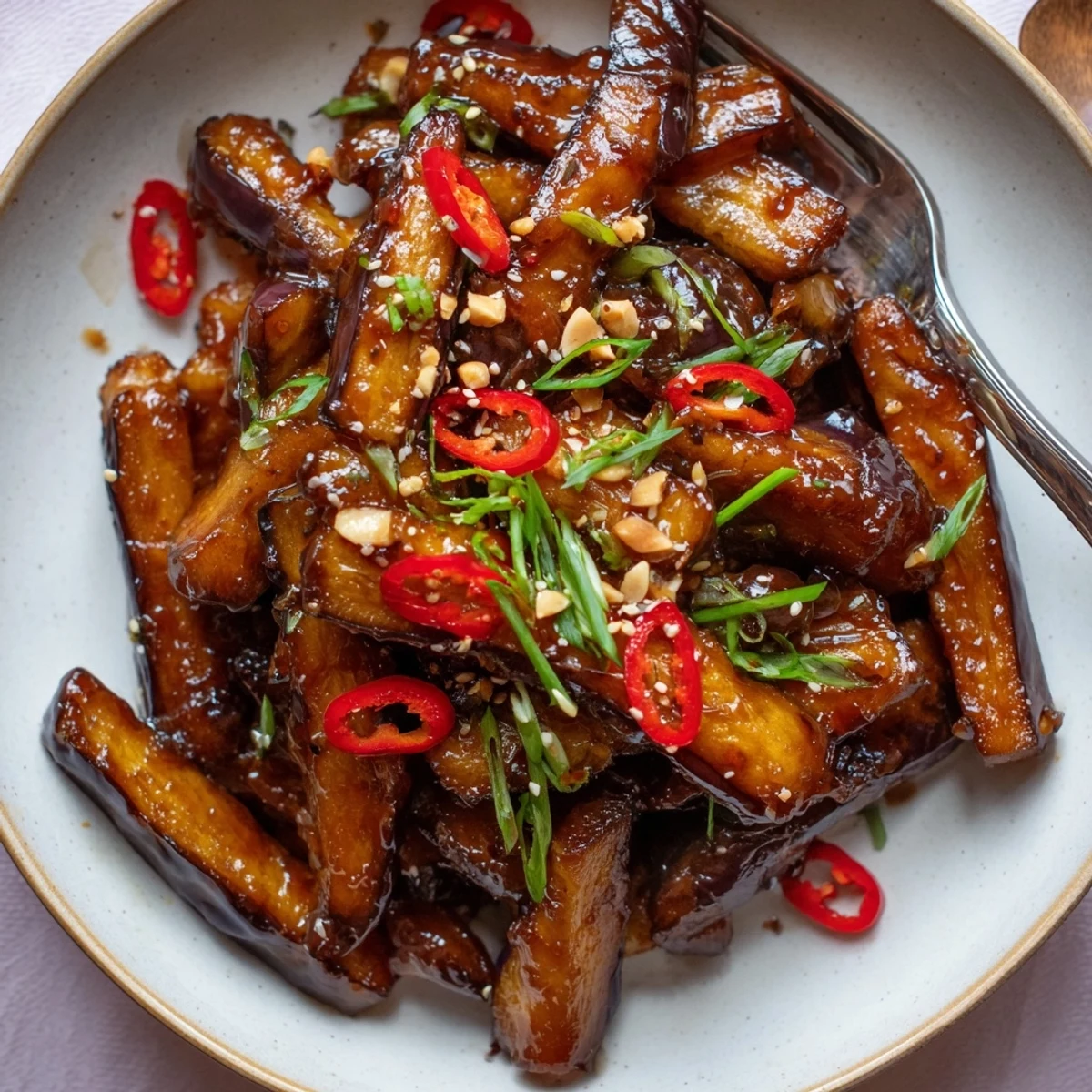
Save Salt the aubergine briefly to draw out moisture, then pan-fry until golden and soft. Sauté ginger, garlic and chili, bloom the doubanjiang in the oil, return the aubergine and add soy, vinegar, sugar and stock. Simmer until very tender, thicken with a cornstarch slurry and finish with sesame oil and spring onions. Serve with steamed rice or noodles; add Sichuan peppercorns or toasted peanuts for extra kick and texture.
There's something about the sizzle of aubergines hitting hot oil that always stops me mid-chore—earthy and almost meaty, their aroma is a little promise that the meal ahead is no ordinary one. I first tried Sichuan Style Braised Aubergines on a humid summer night, craving something both robust and wholly plant-based. The way the savory, spicy sauce clings to those velvety batons felt like discovering a new side to a humble vegetable I’d grown up overlooking. Now, every time I make this, I’m reminded how unexpectedly thrilling a kitchen can become with just a few pantry staples and the right dose of heat.
One rainy Tuesday, with laundry tumbling and radio humming, I made this for my sister who claimed she wasn’t an "aubergine person." We ended up eating straight out of the pan, arguing over who’d get the last glossy bite. The silence that followed our first mouthful was the best conversational lull imaginable.
Ingredients
- Aubergines (eggplants): Go for firm, glossy ones – the trick is in salting them first to draw out bitterness and keep the flesh from soaking up too much oil.
- Spring onions: Scatter them generously at the end; their crunch and mild onion flavor bring a pleasant lift to every bite.
- Garlic: I always smash, then finely mince, for both bite and fragrance—don’t be shy here.
- Ginger: The sharper the better; it’s a warming backbone for the sauce.
- Red chili (optional): Adds a thrilling brightness—but if you’re worried about heat, just use half or skip it for a gentler dish.
- Doubanjiang (Sichuan fermented broad bean chili paste): This is the soul of the sauce; stir it in slowly to let its funky, spicy richness bloom.
- Soy sauce & dark soy sauce: Regular soy gives saltiness while dark soy brings glossy color and a whiff of caramel.
- Rice vinegar: Splashing a little in cuts through the oil and brightens the flavors.
- Sugar: Just a pinch balances everything and tames the spicy edge.
- Vegetable stock or water: Stock makes for a deeper sauce, but water is just fine if you’re in a hurry.
- Vegetable oil: Be generous—frying is what gives the aubergine that sought-after silkiness.
- Sesame oil: Drizzle at the end; its fragrance is what lingers longest on your palate.
- Salt: Add to taste, but remember doubanjiang packs quite a punch already.
- Cornstarch: Don’t skip the final slurry—it transforms the sauce from thin to luxuriously clingy.
- Water (for slurry): Just enough to dissolve cornstarch and ensure a gleaming, nap-worthy sauce.
Instructions
- Prep the aubergines:
- Sprinkle the cut aubergines with salt and let them rest for about ten minutes. You’ll notice little beads of water appear—a quick rinse and gentle pat dry help ensure they're tender, not greasy.
- Fry until golden:
- Heat most of your oil in a big wok until shimmering, then fry the aubergines in batches. Turn them gently, listening for that satisfying sizzle, and watch as they soften and become rich golden at the edges.
- Sauté aromatics:
- Pour off extra oil, keep just enough to stir-fry, and add in chopped ginger, garlic, and optional chili. Be ready—their pungent aroma will hit you fast, in a good way.
- Add the doubanjiang:
- Spoon in the chili-bean paste and stir steadily; you'll see the oil turn a deep red and the mixture relax into a savory, spicy base.
- Simmer with sauces:
- Return the soft aubergine to the pan along with both soy sauces, rice vinegar, sugar, and stock. Give everything a gentle stir, tuck the lid on, and let it quietly simmer so the flavors meld and intensify.
- Thicken and finish:
- Stir together cornstarch and water, then pour that silky slurry into the bubbling sauce, watching as it thickens and glazes every piece. Right before serving, streak with sesame oil and rain down spring onions for freshness.
 Save
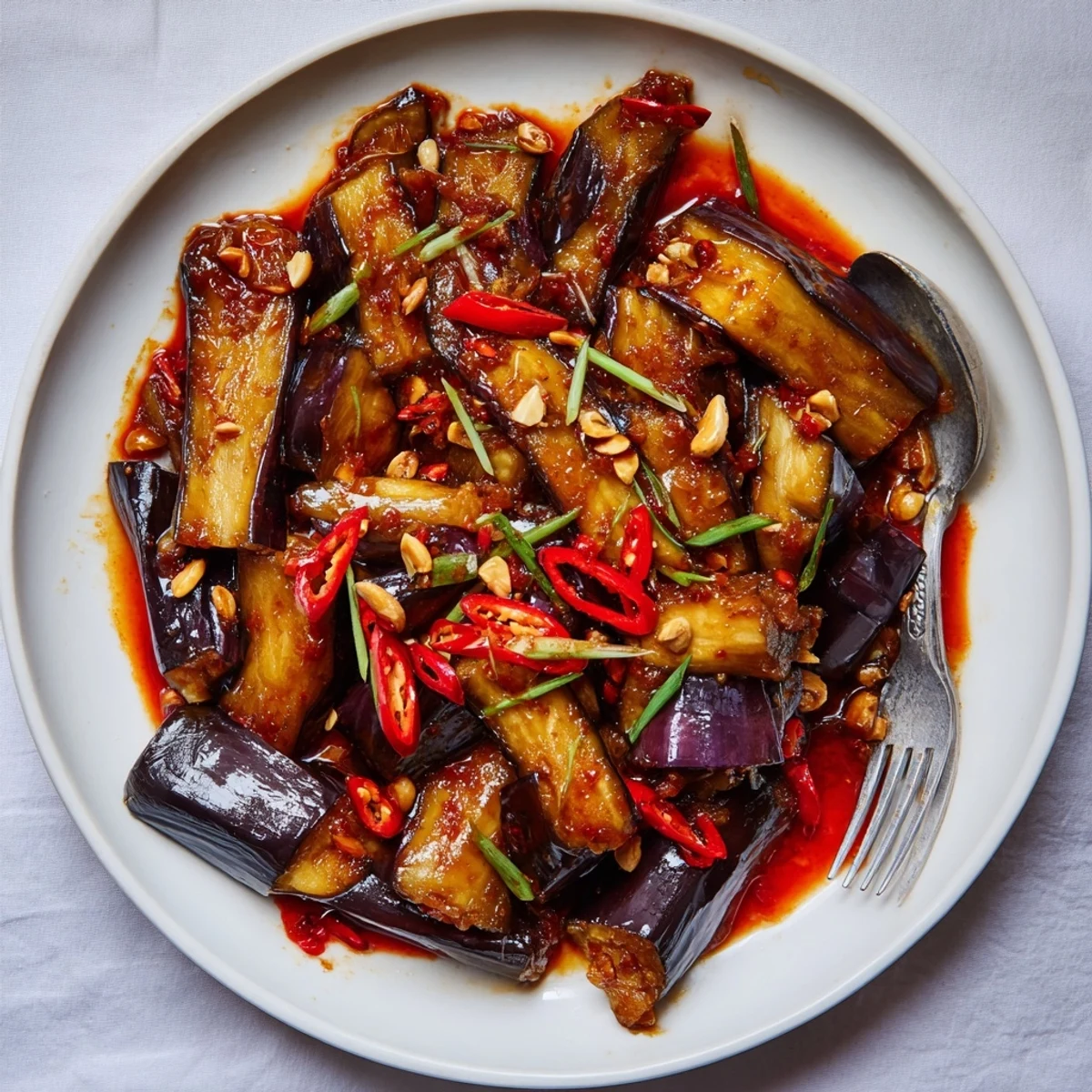
Save There’s something quietly triumphant about setting a platter of stained-glass purple aubergine in the center of the table, the sauce slick and giving off a heady, peppery aroma. The night I made this for my book club, no one spoke until their bowls were emptied—even the usually chatty ones paused long enough to savor every bite.
What If You Can’t Find Doubanjiang
On one desperate grocery run, I had to settle for chili garlic sauce in place of real doubanjiang. The flavor was different—less funky, a little more garlicky—but the dish still earned compliments. If you swap, a bit of extra soy sauce helps deepen the flavor, and a shake of smoked paprika brings back some of that missing complexity.
Serving Suggestions Worth Trying
I like this dish heaped onto plain steamed jasmine rice, which soaks up every drop of gravy, but it’s also excellent nestled atop thick udon noodles. I once added a handful of toasted peanuts for crunch, and no one complained. Leftovers actually taste even better the next day—cold, straight from the fridge, is a whole new game.
Getting That Perfect Texture Every Time
The real secret is in the fry: high heat, no crowding, and patience as the aubergines shift from firm to custardy. Skip this and you lose that silky, shattering bite. The cornstarch slurry might seem fussy, but it’s what gives the sauce that classic sheen and body every Sichuan restaurant achieves.
- Salt the aubergines early so they don’t drink up too much oil later.
- Always keep an eye on your aromatics; scorched garlic is impossible to hide.
- Finish with sesame oil just before serving for a lasting fragrance.
 Save
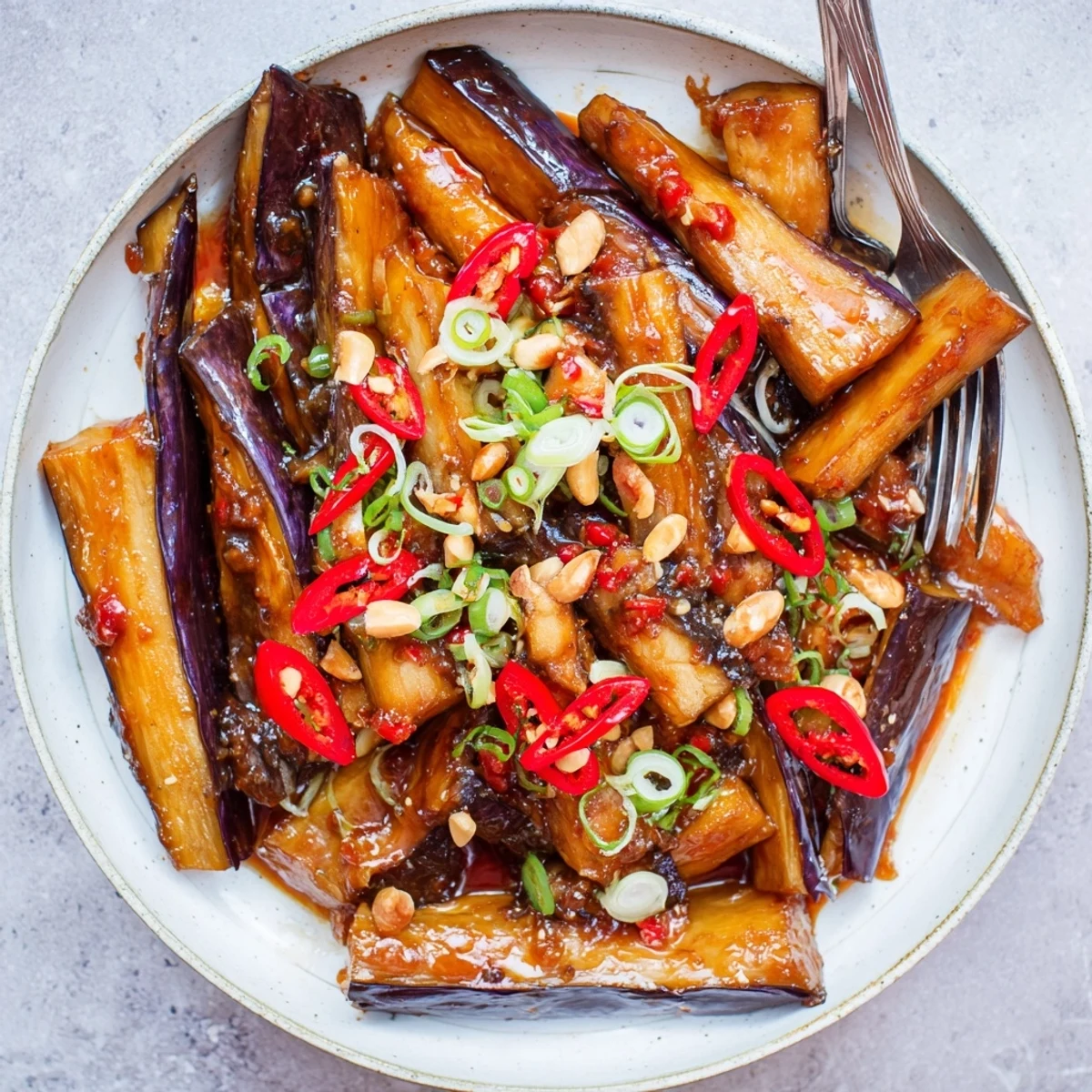
Save One bite and you’ll understand why this dish routinely upstages even the fanciest mains. Keep your chopsticks at the ready: there’s never any left to pack up.
Recipe FAQs
- → How do I keep aubergine from absorbing too much oil?
-
Salt the cut aubergine and let it sit for 10 minutes, then rinse and pat dry. Fry in a hot pan in batches so pieces brown quickly; this reduces oil uptake and yields tender, not greasy, flesh.
- → Can I substitute doubanjiang if unavailable?
-
Doubanjiang gives a salty, fermented depth. If unavailable use a chili-garlic sauce plus a touch of fermented bean paste or miso to mimic that umami, though the flavor will differ.
- → How can I make this gluten-free?
-
Swap regular soy sauce for tamari or a certified gluten-free soy alternative and check the doubanjiang label for wheat. Many brands offer gluten-free versions or use miso-based substitutes.
- → Is there a lower-oil cooking method?
-
Roast or air-fry aubergine slices until tender and slightly charred, then finish in the pan with aromatics and sauce. This cuts oil while keeping rich texture.
- → How do I adjust the heat level?
-
Reduce or omit fresh chili and use less doubanjiang, or add a pinch of sugar to balance heat. For more numbing spice, add lightly toasted Sichuan peppercorns toward the end.
- → Can elements be prepared ahead?
-
Yes. Salted and fried aubergine can be refrigerated, and the sauce can be made in advance. Reheat together, then thicken and finish with sesame oil and spring onions just before serving.