
 Save
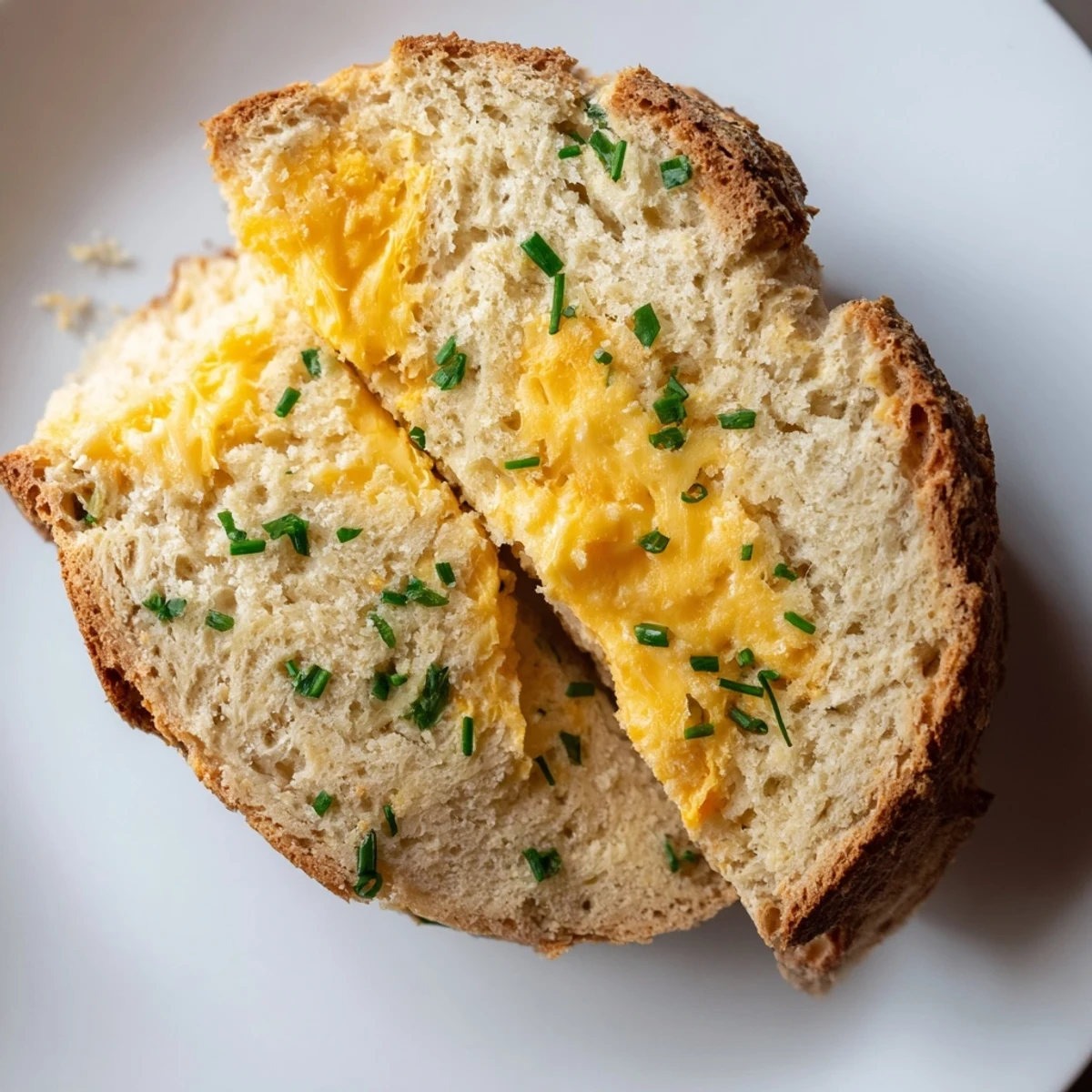
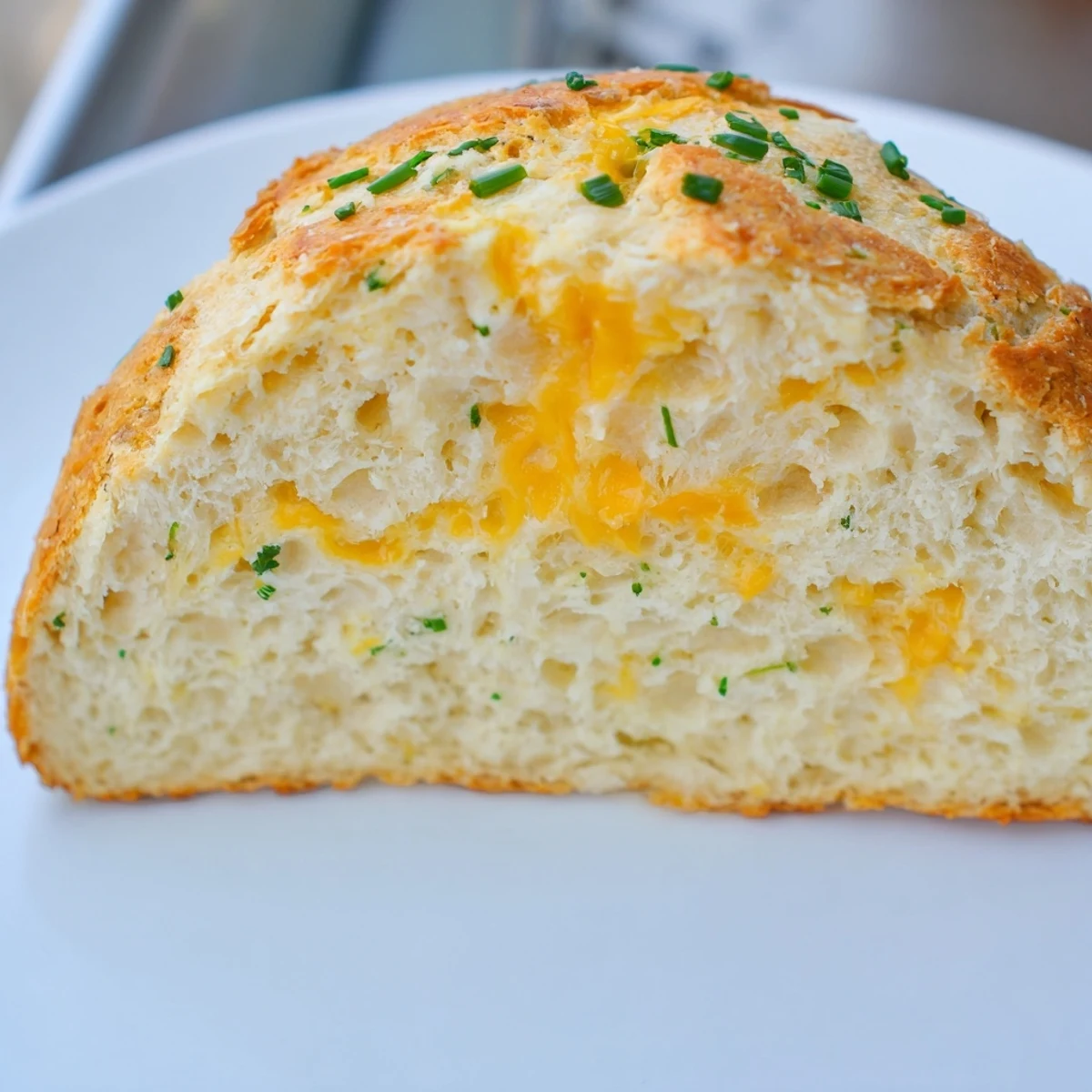
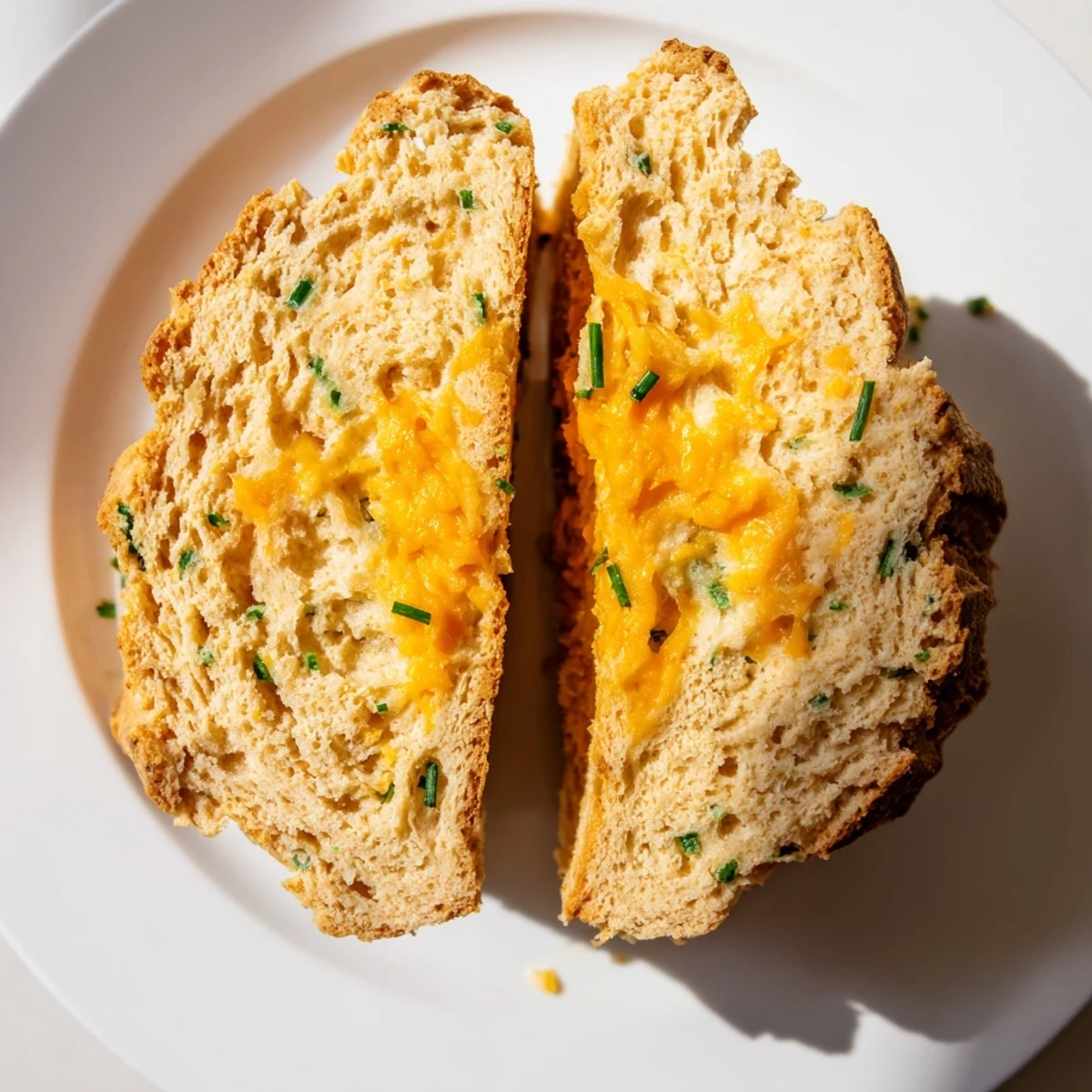
Save This Irish loaf blends sharp cheddar and fresh chives throughout a tender, fluffy crumb. Prepared using baking soda for a quick rise, it forms a golden, cheesy crust perfect for enjoying warm or with hearty soups and stews. The dough requires gentle kneading and a signature cross cut on top before baking to enhance texture and appearance. Ideal for an easy, flavorful bread with a rustic, savory touch.
The smell of baking bread has always been my favorite thing to come home to, but when you add sharp cheddar to the mix, something magical happens. My first attempt at soda bread was actually an accident—I was out of yeast and needed bread for a stew that was already simmering on the stove. The chemical reaction between buttermilk and baking soda still feels like kitchen alchemy every single time.
I made this loaf during a snowstorm last winter when we were basically housebound for three days straight. My roommate kept wandering into the kitchen, asking if it was done yet, until finally we just stood there watching it through the oven door, golden and rising, while snow piled up outside the window. We ate half the loaf warm, straight from the cooling rack, with butter melting into every crevice.
Ingredients
- All-purpose flour: The foundation here—bread flour would make it too tough, so stick with all purpose for that tender crumb
- Baking soda: This is your leavening agent, reacting with the buttermilk to create rise—make sure its fresh
- Fine sea salt: Essential for flavor, but also strengthens the gluten structure just enough
- Freshly ground black pepper: Adds a subtle warmth that complements the sharp cheese perfectly
- Sharp cheddar cheese: The sharper the better here—it needs to stand up to the other flavors, and coarsely grated means better texture distribution
- Fresh chives: Their mild onion flavor brightens everything up—dried just would not give you the same fresh punch
- Buttermilk: The acidity activates the baking soda and creates tenderness—regular milk will not give you the same result
- Unsalted butter: Melted and cooled, it adds richness without competing with the salty cheese
Instructions
- Get your oven ready:
- Preheat to 400°F and line a baking sheet with parchment paper—this is going to get messy and parchment is your cleanup best friend
- Whisk the dry foundation:
- In a large bowl, combine the flour, baking soda, salt, and pepper until they are completely incorporated—you want even distribution so every bite has the same perfect balance
- Add the good stuff:
- Stir in that coarsely grated cheddar and chopped chives until they are evenly distributed throughout the flour mixture
- Bring it together:
- Make a well in the center and pour in the buttermilk and melted butter, then mix with a wooden spoon or your hands until you have a shaggy, sticky dough—add more buttermilk only if it is refusing to come together
- Gentle hands only:
- Turn the dough onto a lightly floured surface and knead just until it holds together—overworking will make it tough, and nobody wants tough soda bread
- Shape and score:
- Form into a round loaf about 7 inches across, transfer to your prepared baking sheet, and cut a deep X across the top—this helps the bread expand properly as it bakes
- The golden transformation:
- Bake for 30 to 35 minutes until deeply golden and the loaf sounds hollow when tapped on the bottom—that hollow sound is your doneness indicator
- Patience pays off:
- Let it cool on a wire rack for at least 15 minutes before slicing—cutting into hot bread will ruin the texture and you will regret it
 Save
Save This bread has become my go to when friends are having a rough week. There is something about tearing into a warm, cheesy loaf that feels like a hug, and I have learned that the simplest foods are often the ones people remember most. Last month I brought a loaf to a potluck and someone asked for the recipe before they even finished their first slice.
Making It Your Own
The beauty of soda bread is how forgiving it is. I have added everything from roasted garlic to sundried tomatoes, and each variation brings something new to the table. The base recipe is solid enough that you can experiment without fear of total failure.
The Buttermilk Situation
If you do not have buttermilk, make your own by adding a tablespoon of vinegar to regular milk and letting it sit for five minutes. I discovered this trick during another snowstorm when grocery delivery was not happening, and honestly, I cannot tell the difference in the final result.
Storage and Leftovers
This bread is best the day it is made, but leftovers make excellent toast or croutons for soup. Wrap it tightly and it will keep for two days, though honestly, it rarely lasts that long in my house.
- Freeze slices wrapped individually for quick breakfast toast
- Revive day old bread with a quick warm in the oven
- Leftover cubes make incredible savory croutons for tomato soup
 Save
Save There is something deeply satisfying about making bread that does not require hours of patience or technical skill. This is the kind of recipe that reminds us why we started cooking in the first place—for the joy of creating something warm and wonderful with our own hands.
Recipe FAQs
- → What gives this bread its distinctive rise?
-
The rise comes from baking soda reacting with buttermilk, creating a tender crumb without yeast.
- → Can I substitute green onions for chives?
-
Yes, green onions provide a similar mild onion flavor that complements the cheddar well.
- → How do I know when the bread is fully baked?
-
It should have a deep golden crust and sound hollow when tapped on the bottom.
- → What is the purpose of cutting a cross on top?
-
The cross allows even baking and helps the loaf expand without cracking irregularly.
- → Can thyme or spices be added for extra flavor?
-
Yes, crushed thyme or a pinch of cayenne pepper can be mixed in for additional savory notes.