 Save
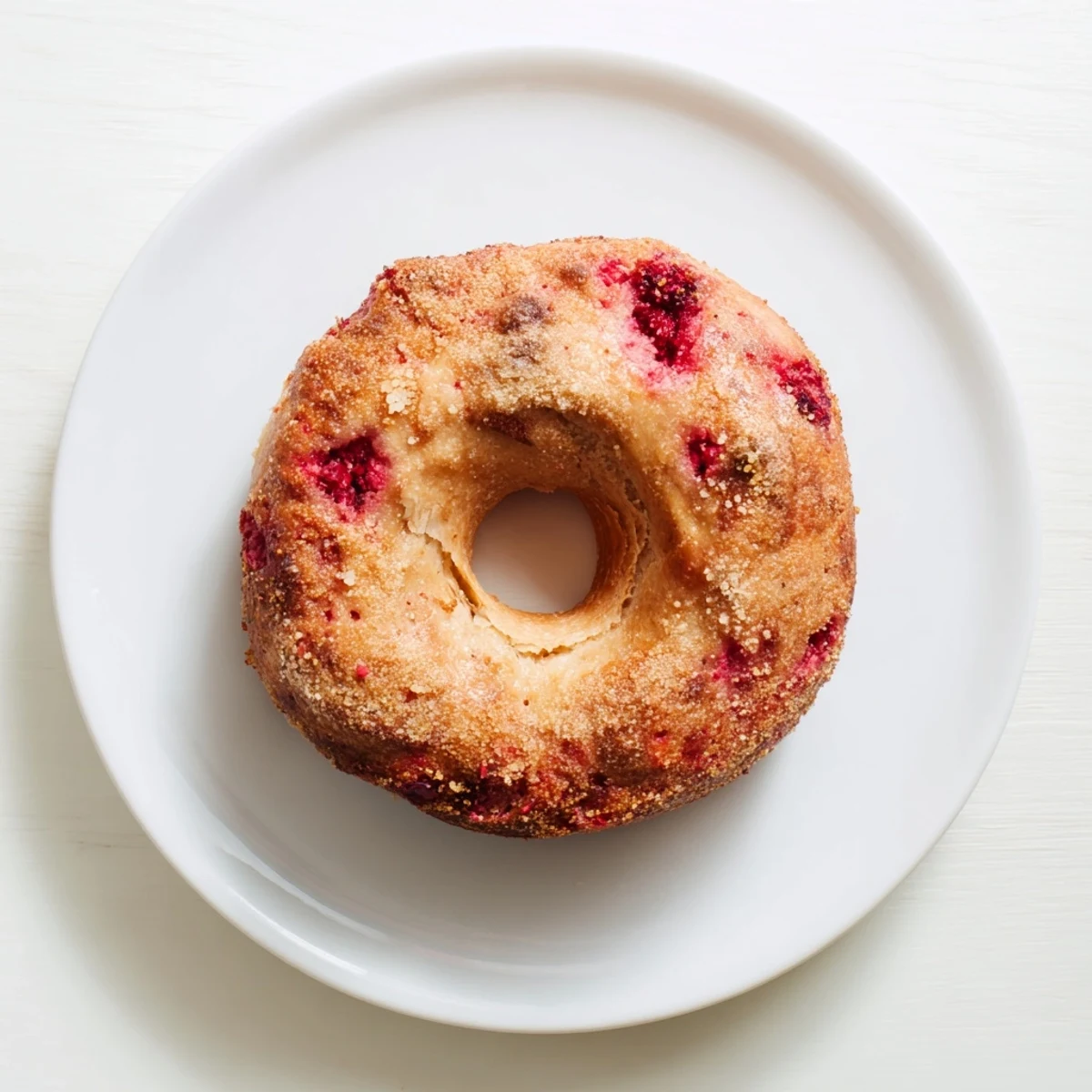
Save These raspberry sourdough bagels combine the satisfying chew of traditional sourdough with bursts of sweet-tart fruit. Using an active starter for leavening develops complex flavor over a long fermentation.
The dough comes together with bread and whole wheat flours, then gets studded with fresh raspberries before shaping. After proofing, each bagel gets boiled in honey-sweetened water creating that signature shiny crust.
Baked until golden, they're perfect split and toasted with cream cheese or enjoyed plain as a snack.
The raspberry bagels emerged from a happy accident during sourdough discard experiments one humid July morning. What started as desperation to use an overactive starter became the most requested breakfast item in my household. Those bursts of tart fruit against the chewy, tangy crumb created something worth repeating on purpose.
My neighbor stopped by while these cooled on the rack and ended up taking four home with promises to return the container. Now every weekend she casually mentions how much she loved those bagels, hoping for another batch.
Ingredients
- Active sourdough starter: Feed yours 4 to 8 hours before mixing so it floats in water and smells mildly acidic.
- Bread flour: Higher protein content creates that signature chewy bagel texture we all crave.
- Whole wheat flour: Adds nutty depth and helps the dough hold together around the berries.
- Sugar: Just enough to balance the natural tang without making these taste like dessert.
- Fine sea salt: Enhances every flavor and keeps the sourdough from tasting one dimensional.
- Lukewarm water: Too hot kills your wild yeast, too cold slows fermentation to a crawl.
- Vegetable oil: Incorporated late to keep the dough supple without interfering with gluten development.
- Fresh raspberries: Frozen works too but add them frozen, never thawed, to prevent purple streaks everywhere.
- Honey or barley malt syrup: Gives the boil water its glossy finish and helps bagels brown beautifully.
- Baking soda: Optional but creates a more pronounced chew in the final crust.
- Demerara sugar: That crunch on top makes each bite feel bakery special.
Instructions
- Wake up the base:
- Whisk your bubbly starter with lukewarm water and sugar until no stringy bits remain floating around.
- Build the dough:
- Add both flours and salt, mixing with your hands until everything comes together in a shaggy mass.
- Develop the gluten:
- Knead on a floured counter for 8 to 10 minutes, adding the oil during the final two minutes.
- Fold in the fruit:
- Gently press raspberries into the dough, folding over rather than kneading to keep them mostly intact.
- First fermentation:
- Cover the bowl and let the dough rise 6 to 8 hours at room temperature until noticeably puffy and doubled.
- Divide and shape:
- Turn out the dough, cut into 8 even pieces, and roll each into a tight ball against the counter.
- Create the hole:
- Poke through each ball center with your thumb, spinning gently to widen to about two inches across.
- Final proof:
- Rest shaped bagels under a towel for 1 to 2 hours, or refrigerate overnight for deeper sourdough flavor.
- Heat everything up:
- Fire the oven to 220°C and bring a wide pot of water to a rolling boil with honey and baking soda.
- The crucial boil:
- Drop bagels in batches, boiling 45 to 60 seconds per side until they float and look slightly puffed.
- Add the finish:
- Drain briefly and sprinkle with Demerara sugar while still damp so it sticks properly.
- Bake to golden:
- Slide into the hot oven for 22 to 25 minutes until deeply bronzed and hollow sounding when tapped.
 Save
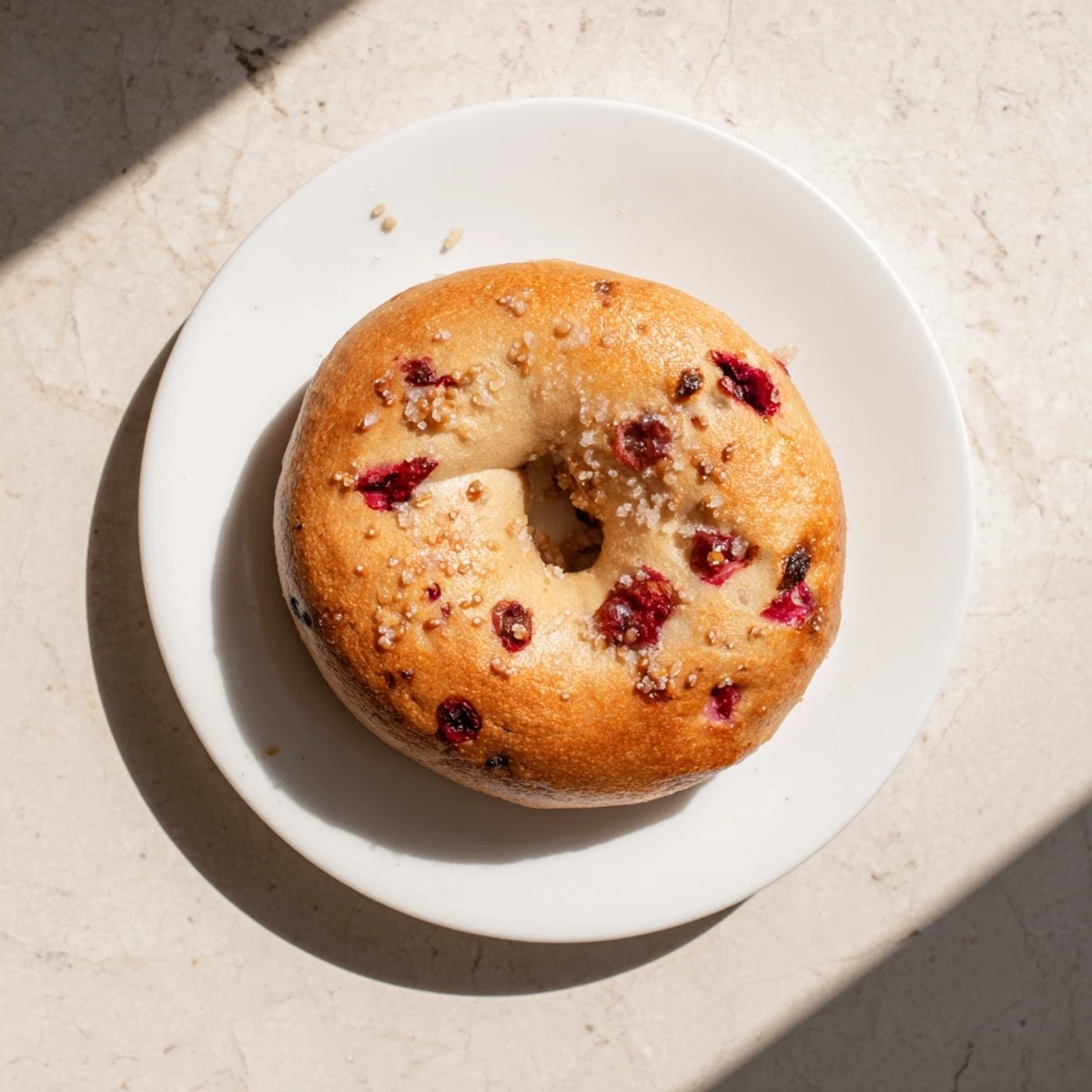
Save Sunday mornings now mean raspberry bagels split and toasted with cream cheese while coffee brews and the kitchen slowly warms up.
Working with Berries in Bread
Fresh fruit in yeast dough requires a gentle touch and acceptance of imperfection. Some raspberries will burst and streak the dough purple, which actually looks rather lovely when baked. Keep your movements confident but unhurried, treating each berry as something precious.
The Boil Makes the Bagel
Skipping the boiling step turns bagels into bread rings with holes. That brief bath gelatinizes surface starches, creating the shiny crust and dense chew that separates real bagels from pretenders.
Serving and Storing
These bagels taste best the day they are baked but freeze beautifully for up to a month when you need breakfast in a hurry.
- Slice before freezing so you can pop halves directly into the toaster.
- A thin schmear of mascarpone with lemon zest complements the raspberries perfectly.
- Never store in plastic bags at room temperature or they will soften within hours.
 Save
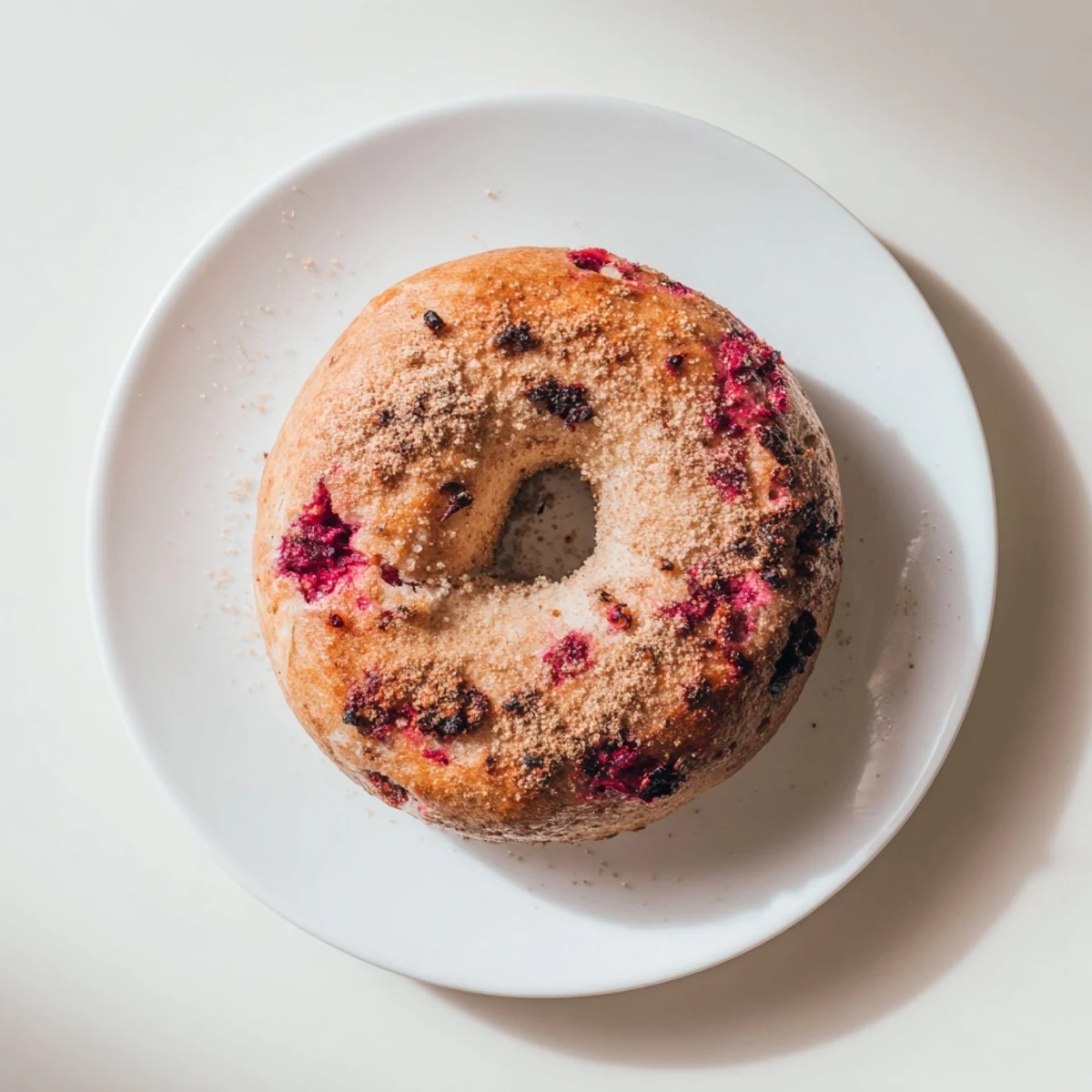
Save Once you taste homemade bagels with fresh fruit, the bakery versions will never quite measure up again.
Recipe FAQs
- → Can I use frozen raspberries instead of fresh?
-
Yes, frozen raspberries work well. Add them directly to the dough without thawing to prevent excess moisture from making the dough too wet.
- → Why do bagels need to be boiled before baking?
-
Boiling gelatinizes the starches on the surface, creating the signature chewy crust and shiny appearance that defines a proper bagel texture.
- → How do I know when my sourdough starter is ready?
-
A ripe starter should be bubbly, have doubled in volume, and pass the float test—a small dollop dropped in water should float on the surface.
- → Can I make the dough ahead and refrigerate overnight?
-
Absolutely. Cold fermentation actually improves flavor development. Shape the bagels, then refrigerate on a sheet pan for 8-12 hours before boiling and baking.
- → What gives sourdough bagels their tangy flavor?
-
Wild yeast and lactic acid bacteria in the starter produce acids during fermentation. Longer, cooler fermentation develops more pronounced tanginess.
- → Why did my bagels turn out dense?
-
Under-proofing is the usual culprit. Ensure the shaped bagels have puffed slightly and pass the float test in water before boiling.