
 Save
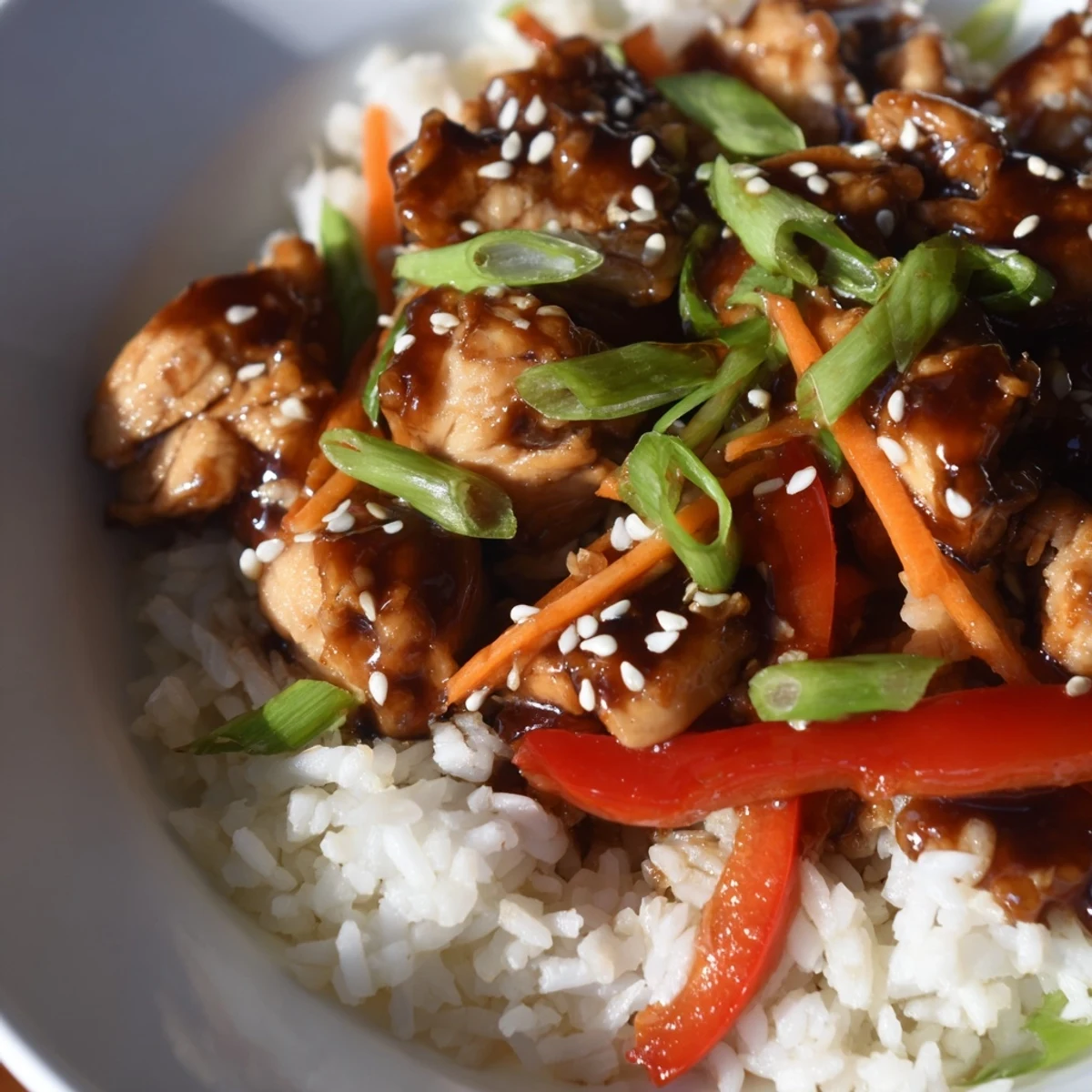
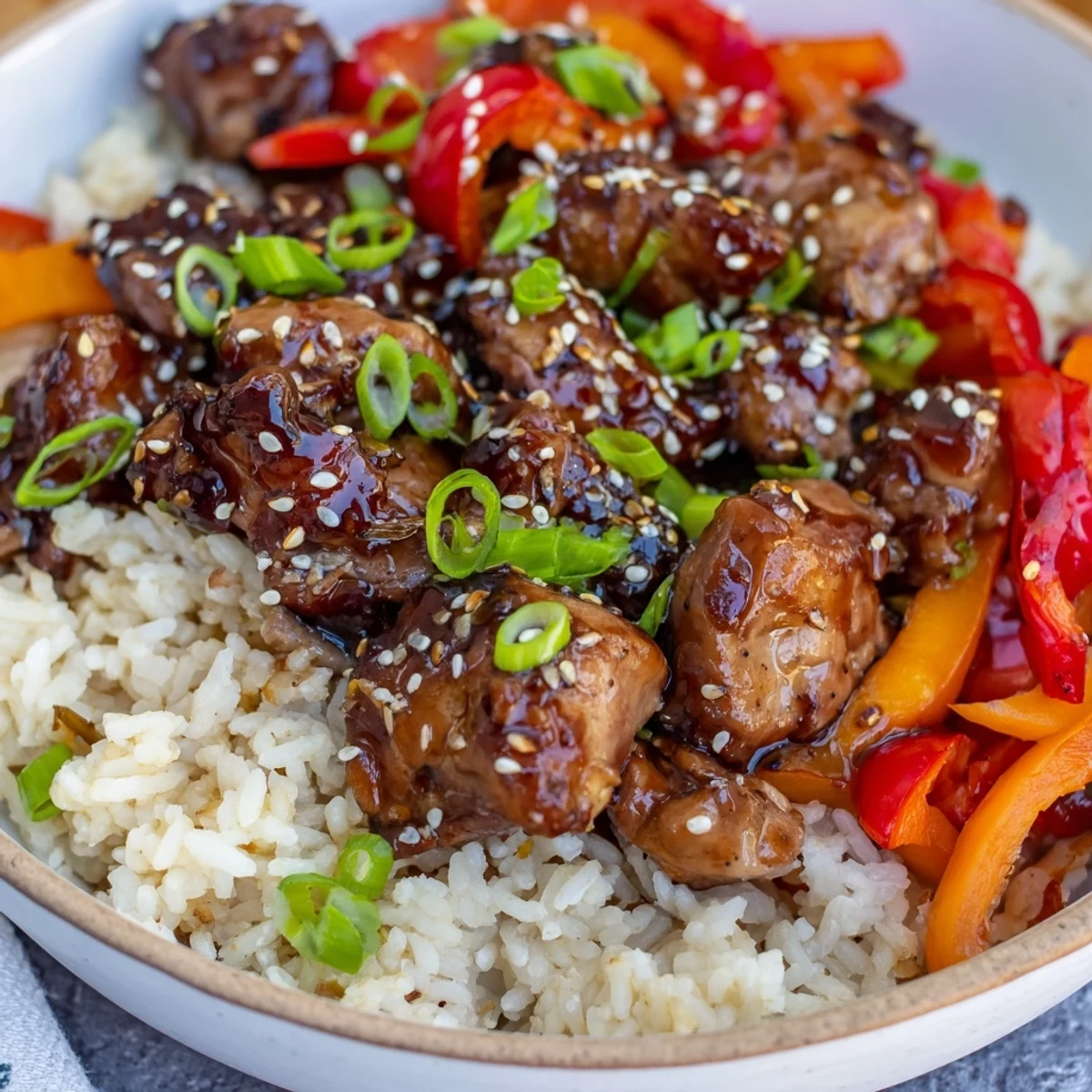
Save This satisfying skillet meal brings together tender chicken pieces marinated in a savory-sweet blend of Korean BBQ sauce, soy sauce, garlic, and ginger. The chicken cooks alongside aromatic onions, bell peppers, and carrots, while rice simmers directly in the pan absorbing all those delicious flavors. Ready in under an hour with minimal cleanup, this dish delivers restaurant-quality Korean-inspired comfort food right at home.
The first time I made this Korean BBQ chicken and rice, my kitchen smelled like my favorite downtown restaurant—that perfect blend of sweet, savory, and sesame that makes your stomach growl the moment you walk through the door. I was skeptical about cooking rice and chicken together in one pan, worried about mushy grains or undercooked meat, but that first bite completely changed my perspective on weeknight cooking. Now whenever I need something that feels special but doesn't require a mountain of dishes, this is the recipe that saves me every single time.
Last winter when my friend Sarah came over after a terrible day at work, I threw this together without even thinking twice. She took one bite, closed her eyes, and said this was exactly what she needed—comfort food that actually tastes like someone put thought into it. Now whenever she visits, she jokingly asks if Korean chicken night is on the menu, and honestly, I never say no.
Ingredients
- 500 g boneless skinless chicken thighs: Thighs stay juicy and tender during cooking, plus they absorb all that marinade flavor better than breast meat ever could
- 4 tbsp Korean BBQ sauce: This is your flavor foundation—look for bulgogi sauce or something with gochujang for authentic depth
- 2 tbsp soy sauce: Adds that essential umami base and saltiness
- 1 tbsp sesame oil: Toasted sesame oil gives you that nutty aroma you associate with Korean cuisine
- 1 tbsp honey: Balances the salty elements and helps create that gorgeous caramelized finish
- 2 cloves garlic minced: Fresh garlic is non-negotiable here—jarred stuff just does not compare
- 1 tsp grated fresh ginger: Use a microplane if you have one, otherwise grate it finely with a box grater
- 1 small onion diced: Sweet onion works beautifully here
- 1 red bell pepper sliced: Adds color and a subtle sweetness that plays well with the BBQ sauce
- 1 cup carrots julienned: Thin matchsticks cook evenly and add perfect texture contrast
- 1 cup jasmine rice rinsed: Jasmine rice has that lovely floral aroma, but short-grain white rice works beautifully too
- 2 cups chicken broth: Low-sodium gives you control over the saltiness
- 2 green onions sliced: Fresh onion brightness on top makes everything pop
- 1 tbsp toasted sesame seeds: These add that restaurant-style finish and extra crunch
Instructions
- Marinate the chicken:
- Combine your chicken pieces with Korean BBQ sauce, soy sauce, sesame oil, honey, garlic, and ginger in a bowl. Let it sit for at least 10 minutes—if you have time, 20 minutes is even better for deeper flavor penetration.
- Sear the chicken:
- Heat a splash of oil in your large skillet over medium-high heat, then add the marinated chicken. Cook for 3-4 minutes until lightly browned but not completely cooked through—it will finish steaming with the rice later.
- Add vegetables:
- Toss in your onion, bell pepper, and carrots. Sauté for 2-3 minutes until they start to soften and smell amazing.
- Coat the rice:
- Stir in the rinsed rice and mix until every grain is glossy and coated in those flavorful pan juices.
- Simmer everything:
- Pour in the chicken broth and bring it to a bubble. Reduce heat to low, cover tightly, and let it simmer for 20-25 minutes until the rice is tender and has absorbed all the liquid.
- Rest and fluff:
- Remove from heat and let it sit covered for 5 minutes—this step is crucial for perfect texture. Fluff gently with a fork and top with green onions and sesame seeds before serving.
 Save
Save This recipe became my go-to when my sister had her first baby and I was dropping off dinner for her family every week. She texted me after the first delivery saying she had never seen her husband go back for thirds of anything, and now it is practically the only meal they request when I visit.
Making It Your Own
Once you have made this a few times, do not be afraid to play around with the vegetable combination based on what is in your fridge or what looks fresh at the market. I have added snap peas, corn, and even baby spinach in the final minutes, and every variation has been delicious. The key is keeping the total vegetable amount roughly the same so the rice-to-liquid ratio stays consistent.
Meal Prep Magic
This recipe stores beautifully and actually tastes better the next day when the flavors have had more time to meld together. I often double the batch on Sunday and portion it into glass containers for easy lunches throughout the week—just add a splash of water when reheating to refresh the rice. The texture holds up surprisingly well and does not get mushy like some rice dishes do after sitting in the fridge.
Perfect Pairings
While this is a complete meal on its own, I love serving it alongside some quick-pickled cucumbers or a simple seaweed salad to round out the Korean-inspired flavors. A cold cucumber salad with rice vinegar dressing cuts through the richness perfectly. If you want to keep things simple, kimchi is the obvious choice and adds that beautiful fermented tang that makes everything feel more authentic.
- Make sure your rice is rinsed until the water runs clear for fluffy, separate grains
- Prep all your vegetables before you start cooking—the process moves quickly once the heat is on
- Toast your sesame seeds in a dry pan for 2 minutes for next-level flavor
 Save
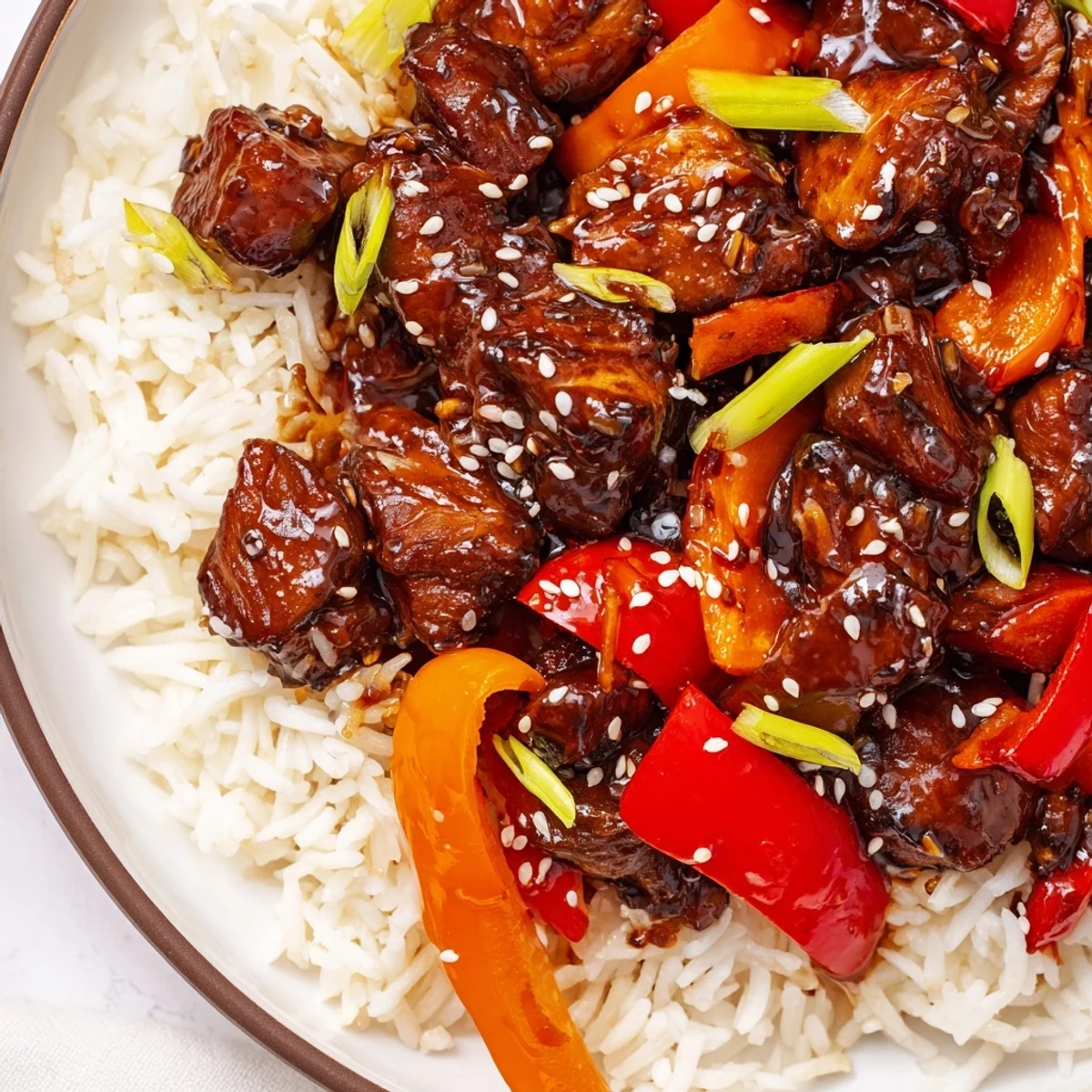
Save There is something deeply satisfying about a one-pan meal that tastes like it came from a restaurant kitchen but was actually made in your pajamas on a Tuesday night.
Recipe FAQs
- → Can I use brown rice instead of white?
-
Brown rice works well but will require about 10-15 minutes additional cooking time and approximately ½ cup more liquid. Adjust accordingly and check for doneness before serving.
- → Is gochujang necessary for the marinade?
-
Gochujang is optional but recommended for authentic Korean flavor and gentle heat. If unavailable, you can substitute with Sriracha or red pepper flakes to taste.
- → Can I make this dish ahead?
-
This skillet meal tastes even better the next day as flavors meld. Store in an airtight container in the refrigerator for up to 4 days and reheat with a splash of water to refresh the rice.
- → What protein alternatives work well?
-
Thinly sliced beef brisket, pork shoulder, or firm tofu make excellent substitutes. Adjust cooking time slightly—beef may need less time while tofu requires gentle handling to prevent breaking apart.
- → How can I make this gluten-free?
-
Use tamari instead of soy sauce and ensure your Korean BBQ sauce is certified gluten-free. Many commercial brands contain wheat, so check labels carefully or prepare homemade sauce.
- → What vegetables can I add?
-
Snap peas, zucchini, baby corn, shiitake mushrooms, or baby spinach all complement the Korean flavors beautifully. Add heartier vegetables with the onions and delicate greens during the last 5 minutes.