
 Save
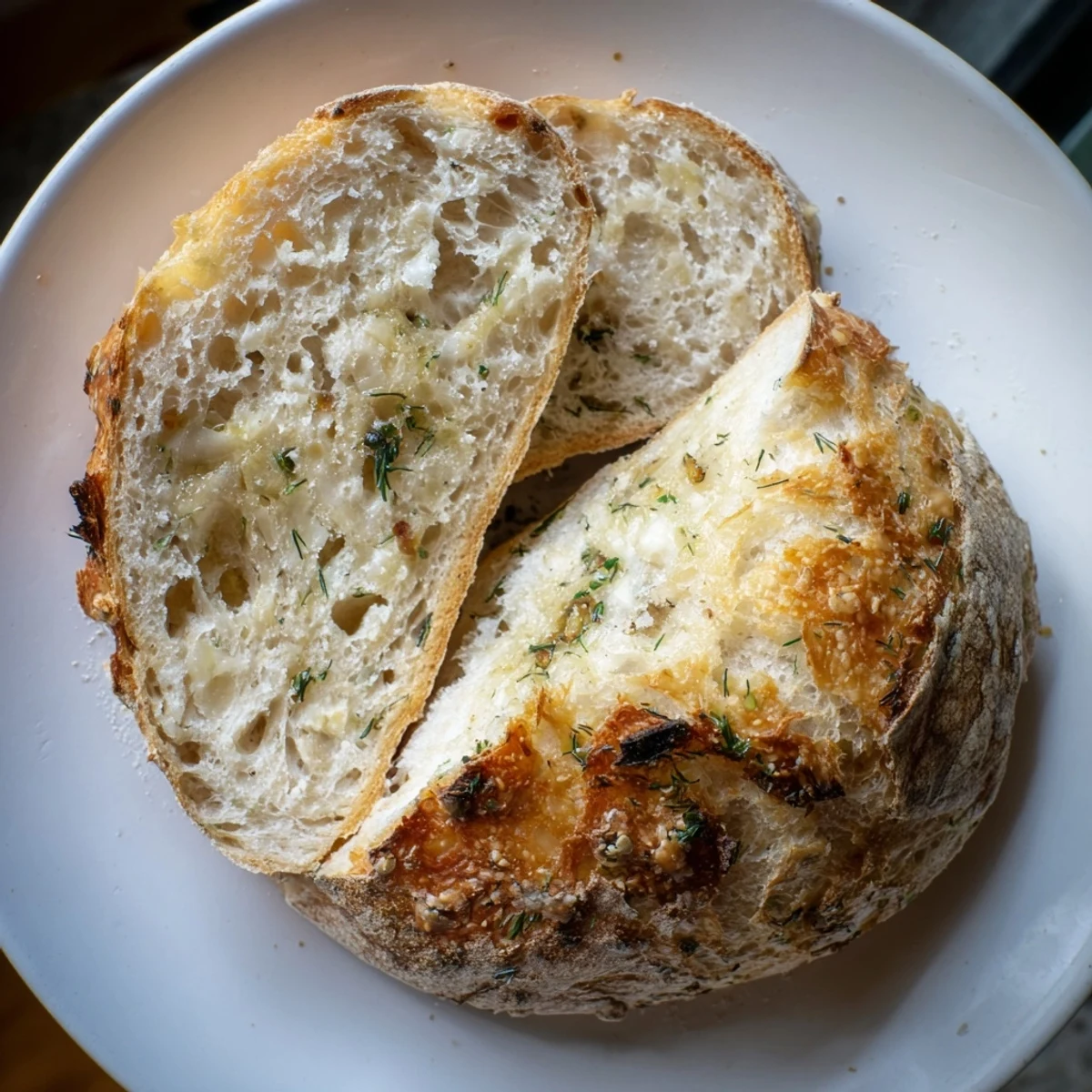
Save This loaf combines aromatic fresh dill with rich, creamy Gouda cheese in an effortless no-knead method. Mixing dry ingredients with cheese and dill, the dough rests for 8-12 hours to develop flavor and texture before baking in a hot Dutch oven. The result is a crusty artisan bread with tender crumb, perfect for pairing with soups, salads, or sandwiches. Ideal for those seeking flavorful homemade bread with minimal hands-on time and simple ingredients.
The smell of dill hitting warm dough takes me back to my grandmother's kitchen, where she'd bake bread on rainy Sunday afternoons. I never understood how she got that perfect craggy crust until I discovered the no-knead method myself. Now my apartment fills with that same comforting aroma whenever I mix up this dough before bed. There's something magical about waking up to a bowl of bubbling dough, ready to transform into something extraordinary.
I first made this on a Tuesday evening when I needed something comforting but didn't have the energy for an elaborate baking project. My roommate walked in the door just as I was pulling it from the oven, and we stood there tearing off steaming chunks straight from the loaf. We didn't even bother with butter—the Gouda throughout the bread made each bite rich and satisfying on its own. Since then, this has become my go-to whenever I want to feel like a domestic god without actually trying hard.
Ingredients
- Bread flour: The higher protein content here gives your loaf structure and that satisfying chewy texture
- Salt: Don't skip or reduce this—it's crucial for flavor development and controlling yeast activity
- Instant yeast: No need to proof it first, just mix it directly into your flour for foolproof rising
- Gouda cheese: Dice it coarsely so you get pockets of creamy goodness throughout the crumb, and grate some for the top if you want extra golden spots
- Fresh dill: The feathery fronds disperse beautifully through the dough, releasing their aromatic oils as they bake
- Lukewarm water: Think bathwater temperature—too hot kills yeast, too cold makes it sluggish
Instructions
- Mix your dry base:
- Whisk the flour, salt, and yeast in a large bowl until they're one unified mixture
- Add the good stuff:
- Fold in your Gouda and dill until they're evenly scattered throughout the flour
- Bring it together:
- Pour in the water and stir with a wooden spoon until you have a shaggy, sticky dough—don't worry about lumps
- Let it work its magic:
- Cover the bowl and walk away for 8 to 12 hours while the yeast does all the hard work for you
- Shape it gently:
- Turn the dough onto a floured surface and fold the edges toward the center a few times, then flip it seam-side down
- Second rise:
- Let it rest on parchment for about an hour while your oven heats up with the Dutch oven inside
- Get things seriously hot:
- Preheat your oven to 450°F with the Dutch oven inside for at least 30 minutes
- The transfer:
- Carefully lift the parchment and dough together into the screaming hot Dutch oven
- Create the steam:
- Bake covered for 30 minutes, then uncover and let it go another 15 until it's deeply golden
- The hardest part:
- Let it cool completely on a wire rack—if you cut it too soon, the steam escapes and you'll lose that perfect crumb
 Save
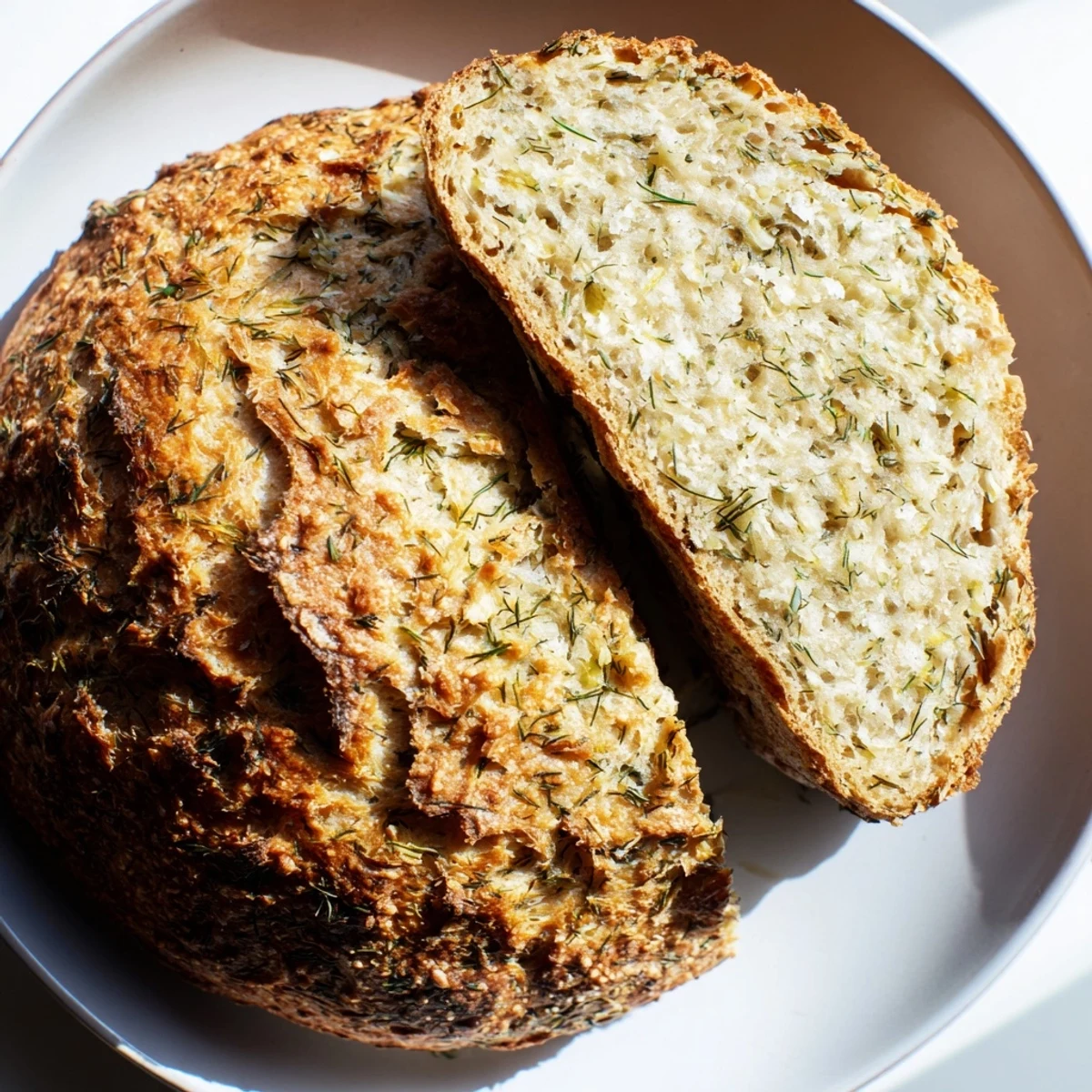
Save This bread became a tradition during our weekly soup nights. Friends started showing up early just to catch it coming out of the oven, and there's something so satisfying about tearing off a piece while it's still warm enough to melt the Gouda inside. Now whenever anyone says they can't bake bread, I make them stand in my kitchen while I stir this together in five minutes flat.
Making It Your Own
Once you've made this a few times, you'll start dreaming of variations. I've swapped cheddar for the Gouda and added chopped jalapeños, or used rosemary instead of dill for a more earthy vibe. The no-knead method is incredibly forgiving, so don't be afraid to experiment with whatever cheese and herbs you have on hand.
Timing Wisdom
I've learned that mixing this dough before bed means fresh bread for breakfast, which feels like cheating but isn't. The 8-to-12-hour window is flexible enough that you don't need to set an alarm—this dough knows what it's doing and will wait for you. Just trust the process and let your kitchen become the best-smelling room in the house.
Storage And Serving
This bread is at its absolute best the day it's baked, when that crust is at maximum crackle. But leftover slices make incredible toast or panini, especially with a little extra cheese melted on top. I've also been known to cube day-old bread and bake it into croutons that become the star of whatever salad they grace.
- Wrap it loosely in a paper bag—plastic makes the crust go soft and sad
- Freeze whole slices between parchment paper if you won't finish it within two days
- Revive day-old bread in a 350°F oven for 10 minutes to restore some of that crispiness
 Save
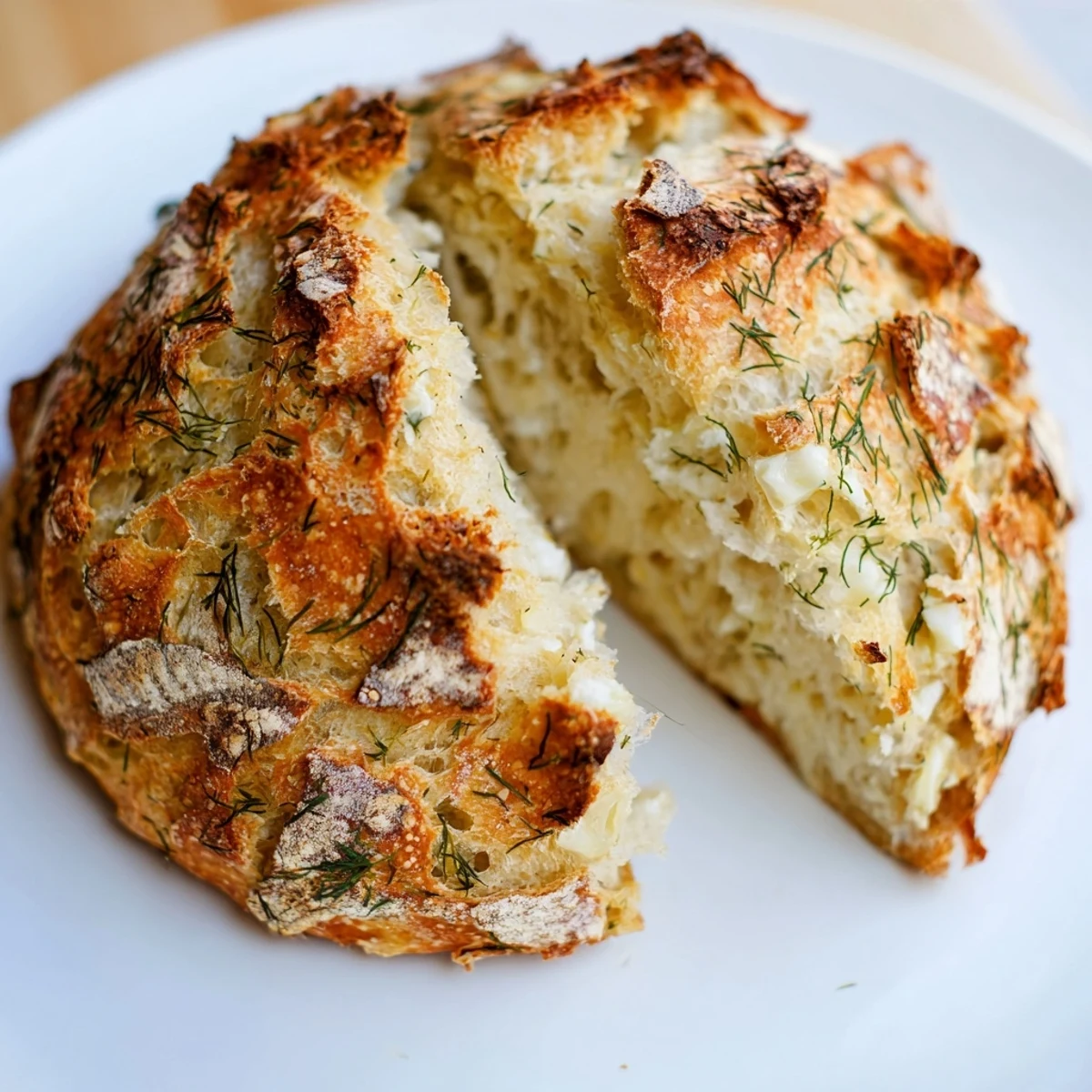
Save There's nothing quite like the sound of a cracking crust when you tear into a loaf you made with your own hands. Enjoy every buttery, cheesy, dilly bite.
Recipe FAQs
- → What makes this bread no-knead?
-
The dough is simply mixed and left to rest for a long period, allowing gluten to develop naturally without kneading.
- → Can I substitute Gouda cheese?
-
Yes, Emmental or mild Cheddar can be used for varied flavor profiles while maintaining texture.
- → Why use a Dutch oven for baking?
-
A Dutch oven traps steam during baking, creating a crisp crust and tender crumb in the loaf.
- → How does fresh dill affect the flavor?
-
Fresh dill adds a bright, herbal aroma that complements the creamy Gouda perfectly.
- → What is the best way to store the bread?
-
Store the cooled loaf in a paper bag at room temperature for up to two days or freeze for longer storage.
- → Can I add yogurt to the dough?
-
Adding a tablespoon of yogurt to the water enhances tanginess and tenderness in the loaf.