
 Save
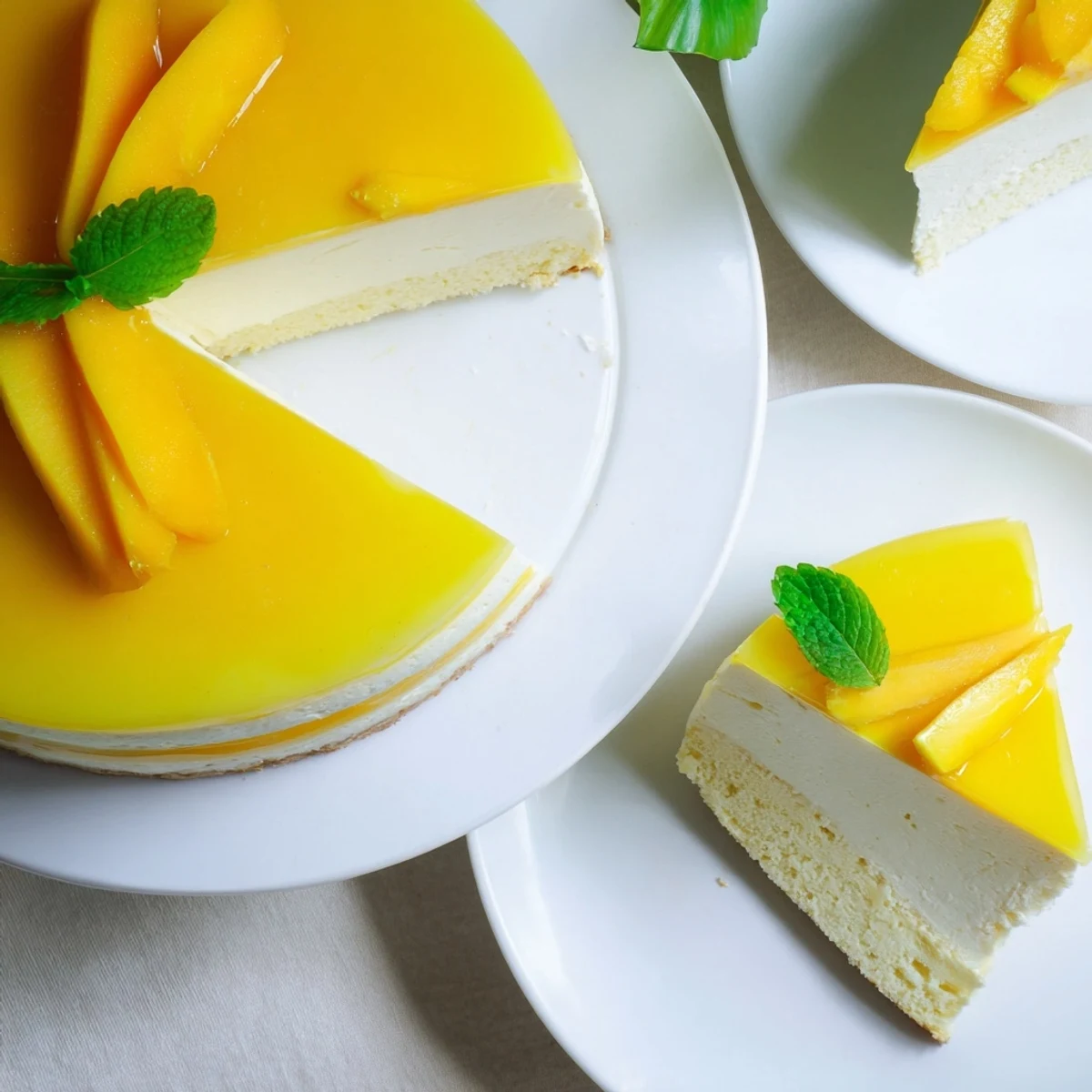
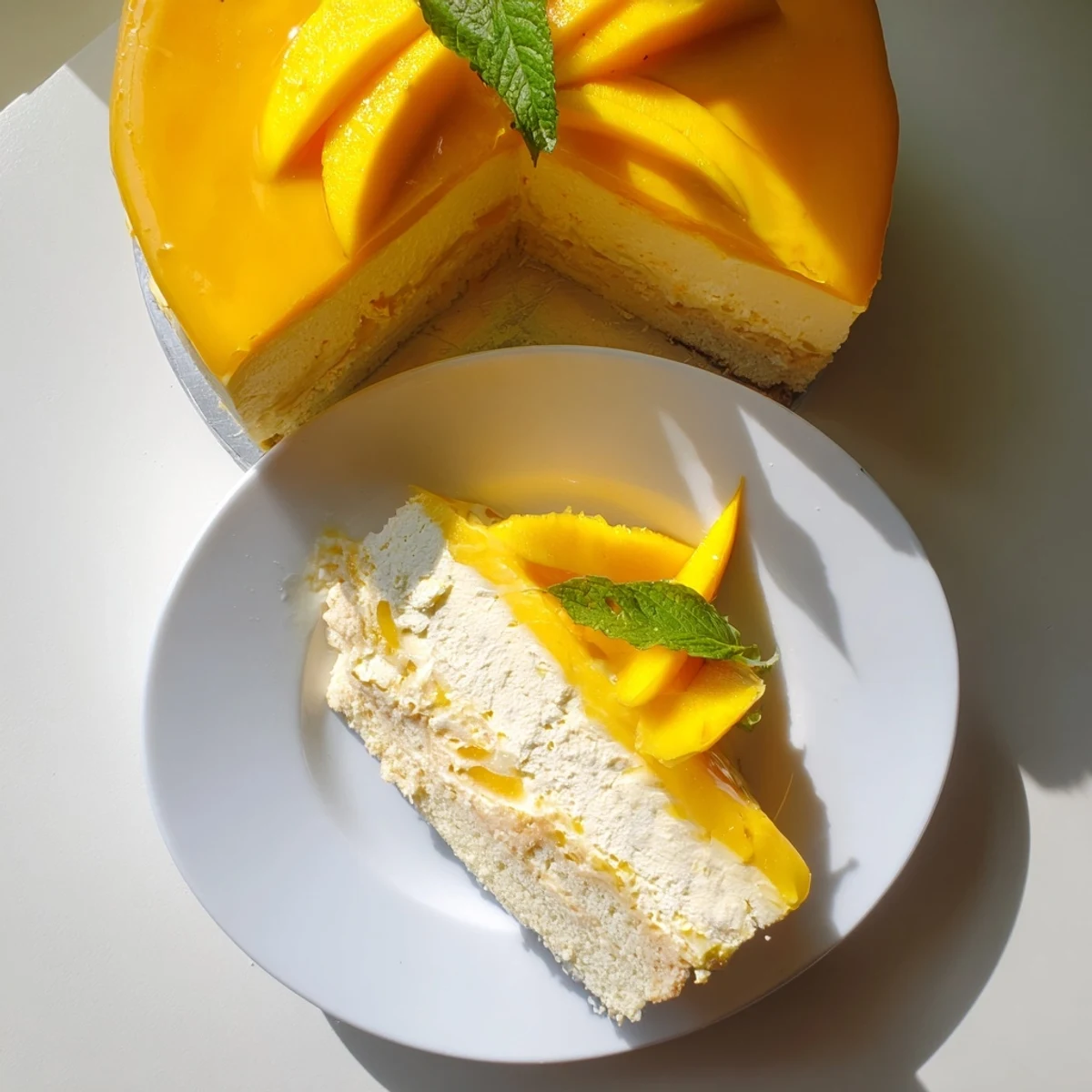
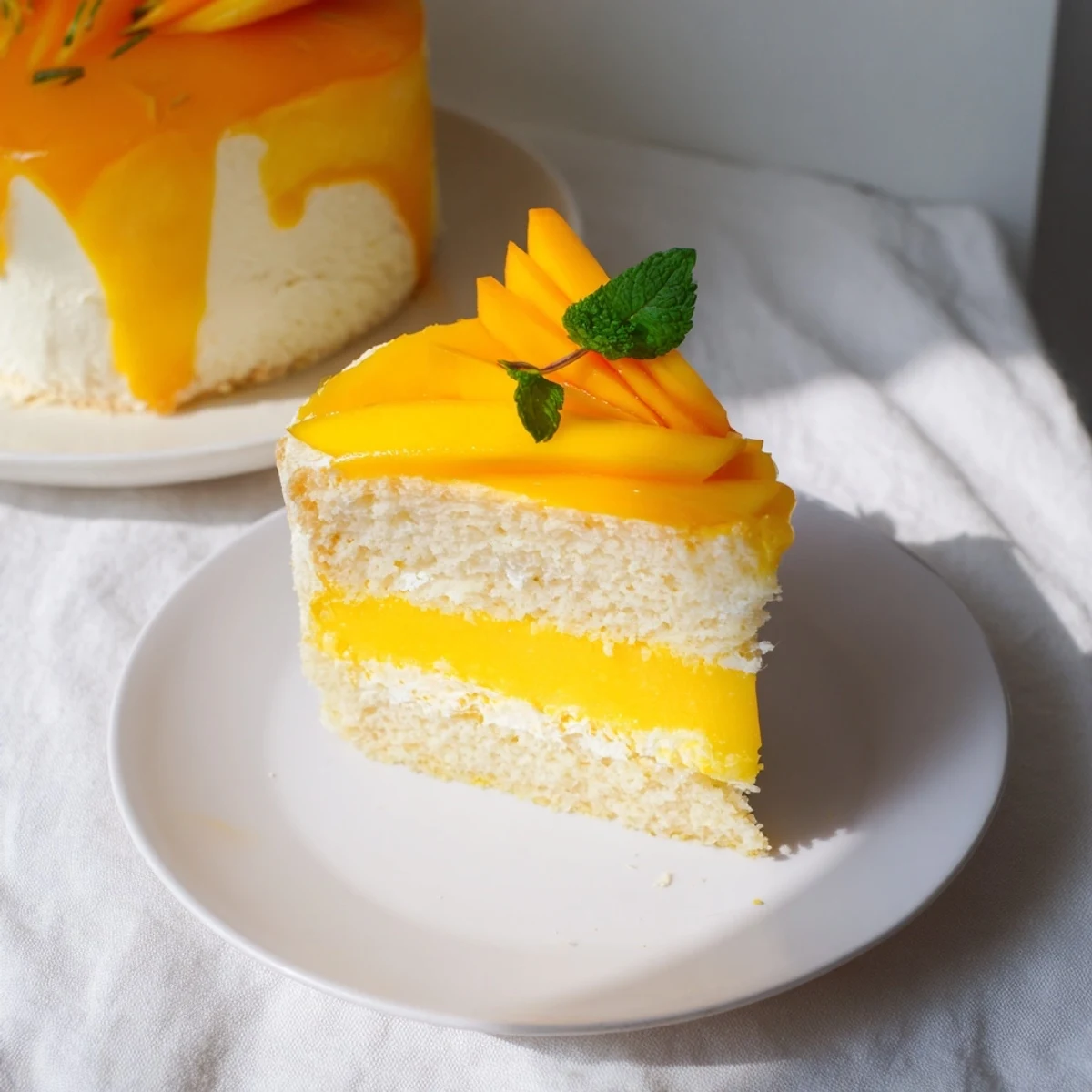
Save This elegant mango mousse cake combines three stunning layers: a tender vanilla sponge base, silky mango mousse infused with fresh fruit puree, and a glossy mirror glaze. The dessert captures tropical sweetness with a delicate balance of creamy texture and refreshing fruit flavor. Ideal for warm weather gatherings, this showstopping creation requires chilling time but rewards with restaurant-quality presentation and taste. The mousse delivers cloud-like lightness while the glaze adds professional finesse.
My grandmother's summer kitchen always smelled of ripening mangoes and buttercream, but this mango mousse cake captures that tropical elegance in a way her recipes never quite achieved. The first time I made it for a July dinner, my friend Sarah actually gasped when I sliced through those glossy layers. There is something about mango season that makes even complicated desserts feel worth every minute of effort.
Last summer I made this for my sister's birthday instead of her usual chocolate cake, and she told me it was the best birthday dessert she had ever had. The way the mango glaze catches the light makes it absolutely showstopping on a table full of food. Everyone asks for seconds, and I have started making two cakes whenever mango season peaks.
Ingredients
- 3 large eggs: Room temperature eggs whip up beautifully and create that airy sponge texture we want
- 90 g granulated sugar: This amount sweetens perfectly without overpowering delicate mango flavor
- 90 g allpurpose flour: Regular flour gives the sponge just enough structure to hold all that creamy mousse
- 1/2 tsp vanilla extract: Pure vanilla rounds out the tropical brightness beautifully
- Pinch of salt: Salt makes all the flavors pop and balances the sweetness
- 400 g ripe mango flesh: The sweetest mangoes you can find will make or break this recipe
- 60 g granulated sugar: Just enough to enhance natural mango sweetness without being cloying
- 2 tbsp lemon juice: Brightens the mango flavor and helps maintain that gorgeous golden color
- 1 tbsp unflavored gelatin powder: This gives the mousse its silky stable texture
- 300 ml heavy cream: Cold cream whips up fluffy and creates that dreamy mousse consistency
- 150 g mango puree: Creates the mirrorlike glaze that makes this cake so stunning
- 1 tbsp lemon juice: Keeps the glaze vibrant and prevents it from being too sweet
- 1 tbsp granulated sugar: Balances the tartness in the glaze perfectly
- 1.5 tsp unflavored gelatin powder: Ensures the glaze sets firm enough to slice cleanly
- Fresh mango slices: A beautiful garnish that hints at the tropical flavors inside
Instructions
- Prepare your pan and oven:
- Preheat the oven to 180°C and line your springform pan with parchment paper
- Make the sponge base:
- Beat eggs and sugar until pale and tripled in volume then fold in flour salt and vanilla until just combined
- Bake the sponge:
- Pour batter into the prepared pan and bake 1215 minutes until a toothpick comes out clean then cool completely
- Bloom the mousse gelatin:
- Sprinkle gelatin over 3 tbsp cold water and let it soften for 5 minutes
- Prepare mango mixture:
- Blend mango puree sugar and lemon juice until smooth then stir in the dissolved gelatin
- Whip the cream:
- Beat heavy cream to soft peaks then gently fold into the mango mixture until smooth
- Assemble mousse layer:
- Pour mousse over cooled sponge and refrigerate at least 2 hours until completely set
- Make the glaze:
- Bloom gelatin in 2 tbsp cold water then dissolve and mix with mango puree lemon juice and sugar
- Finish the cake:
- Let glaze cool to room temperature pour over set mousse then chill 2 more hours until firm
 Save
Save The first time I served this at a summer dinner party, everyone went completely silent after that first bite. My aunt actually asked if she could take the leftover slice home, which I consider the highest compliment possible for any dessert.
Working With Gelatin
I learned the hard way that gelatin needs time to bloom properly or your mousse will never set quite right. Never let gelatin boil or it loses its setting power completely.
Choosing The Best Mangoes
The perfume of a perfectly ripe mango should fill the room when you cut it open. I have found that champagne or Ataulfo mangoes give the smoothest puree and most vibrant color.
Making It Ahead
This cake actually tastes better after sitting overnight in the refrigerator as the flavors meld together beautifully. The sponge softens slightly and the mango flavor permeates every single layer.
- Make it up to 2 days before serving for best results
- Keep it chilled until the moment you slice it
- Run your knife under hot water between slices for clean cuts
 Save
Save This mango mousse cake has become my go to summer dessert because it feels special enough for celebrations but light enough for hot weather. I hope it brings as much sunshine to your table as it has to mine.
Recipe FAQs
- → How long does the cake need to chill?
-
The mango mousse cake requires a minimum of 4 hours chilling time—2 hours for the mousse layer to set, then 2 additional hours after adding the glaze. For best results, chill overnight to ensure all layers are firm and easy to slice cleanly.
- → Can I use frozen mangoes?
-
Yes, frozen mango chunks work well when fresh mangoes are unavailable. Thaw them completely and drain any excess liquid before pureeing. High-quality frozen mango produces excellent results with minimal difference in taste or texture.
- → How do I store the finished cake?
-
Store the mango mousse cake in the refrigerator, covered loosely with plastic wrap or in an airtight container. It keeps well for 3-4 days. The texture remains creamy and the glaze shiny when properly chilled. Avoid freezing as it can alter the mousse texture.
- → Can I make this gluten-free?
-
Absolutely! Simply replace the all-purpose flour in the sponge base with a 1:1 gluten-free flour blend. The rest of the dessert naturally contains no gluten. The texture and rise remain virtually identical when using quality gluten-free flour.
- → What wine pairs well with this dessert?
-
Moscato d'Asti or sparkling wine complement the tropical sweetness beautifully. The light effervescence and gentle sweetness balance the rich mango mousse without overpowering the delicate fruit flavors. A chilled Prosecco also works wonderfully.
- → Why did my mousse not set properly?
-
This usually happens if the gelatin wasn't fully dissolved or if the heavy cream was over-whipped. Ensure gelatin blooms completely in cold water before gently heating until dissolved. Whip cream only to soft peaks—over-whipping can cause the mixture to separate and prevent proper setting.