
 Save
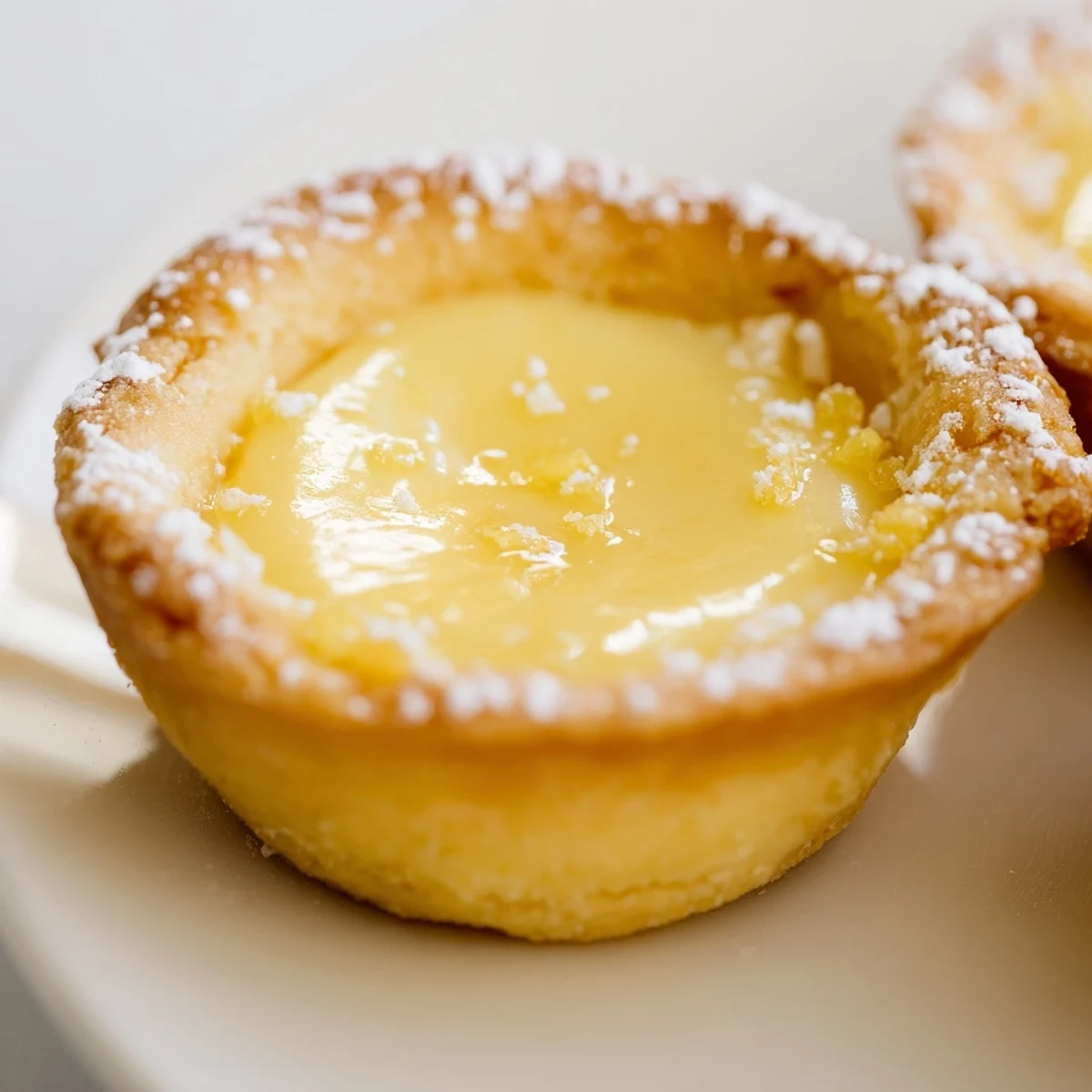
Save These tartlets feature a buttery, crisp pastry shell holding a tangy, silky lemon curd. The pastry is crafted from cold butter and flour for a tender crust, baked to a golden finish. The lemon curd combines fresh lemon juice, zest, eggs, and sugar, gently cooked until smooth and creamy. After filling, the tartlets chill to set, making them an elegant, bite-sized sweet suited to various occasions. Garnish options include fresh berries or a dusting of powdered sugar for an extra touch.
The first time I made lemon curd tartlets, I was trying to impress someone who claimed they didn't like desserts—they found them too sweet, too heavy, too much. But something about the brightness of fresh lemon juice, the way it transforms into silk when you whisk it over gentle heat, felt like it might change their mind. Three hours later, they reached for a second tartlet and asked for the recipe, which is how I knew I'd found something special.
I made these for my sister's garden party one June afternoon when the air was warm and everyone wanted something light after lunch. She arranged them on a tiered stand with fresh mint tucked between, and I watched people's faces soften the moment they took a bite—that surprised, delighted look that tells you you've gotten something right.
Ingredients
- All-purpose flour: The foundation of a tender crust; don't skip the sifting step if you want shells that stay crisp.
- Powdered sugar: Adds sweetness and a finer texture to the dough compared to regular sugar.
- Cold unsalted butter: This is non-negotiable—warm butter ruins the flaky layers you're after, so chill it well and work quickly.
- Egg yolk: Binds the pastry and gives it a golden color; the rest of the white would make it tougher.
- Cold water: Just enough to bring the dough together without making it wet and sticky.
- Salt: A pinch enhances everything, including the sweetness of the curd later.
- Eggs and extra yolks: The heart of the curd; they thicken it and create that custard-like texture.
- Granulated sugar: Sweetens the curd without graininess; whisk it well with the eggs to dissolve.
- Fresh lemon juice: Use real lemons, never bottled—the flavor difference is night and day, and it's what makes this recipe sing.
- Lemon zest: A small amount adds brightness and prevents the curd from tasting flat or one-dimensional.
- Unsalted butter for curd: Stirred in at the end to add richness and silkiness to the finished curd.
Instructions
- Set up your workspace:
- Preheat your oven to 350°F and grease a 12-cup tartlet pan well—you want no sticking when these delicate shells come out. Gather all your ingredients in one spot so you're not scrambling halfway through.
- Make the pastry dough:
- Combine flour, powdered sugar, and salt in a bowl, then add your cold butter cubes and rub everything together with your fingertips until it looks like breadcrumbs. This takes patience, but rushing here creates tough shells instead of crisp ones.
- Bring the dough together:
- Stir in the egg yolk and one tablespoon of cold water, then mix just until the dough holds together—add a little more water only if it's too dry. Wrap it in plastic and chill for 15 minutes while you take a breath.
- Roll and line the shells:
- Roll your dough to about 1/8 inch thick and cut circles large enough to fit your tartlet molds with a little overhang. Gently press them in, smooth out any air pockets, and trim the edges with a small knife.
- Pre-bake the pastry:
- Prick the bases with a fork to prevent bubbling, chill for 10 minutes, then line each shell with parchment and fill with baking beans or pie weights. Blind bake for 12 minutes, remove the beans and parchment, then bake another 5 to 7 minutes until golden and crisp.
- Make the lemon curd:
- Whisk your eggs, yolks, and sugar together in a heatproof bowl until pale, then stir in the lemon juice and zest. Set the bowl over a pot of gently simmering water, making sure the bowl doesn't touch the water itself.
- Cook the curd gently:
- Stir constantly for 8 to 10 minutes until the mixture thickens enough to coat the back of a spoon—this is where attention matters, because scrambled eggs are not the texture you want. Once it's glossy and thick, remove it from the heat and stir in your butter cubes until everything is smooth and silky.
- Fill and chill:
- Spoon or pipe the cooled curd into your cooled pastry shells, then refrigerate for at least an hour so the flavors settle. This patience pays off with every bite.
 Save
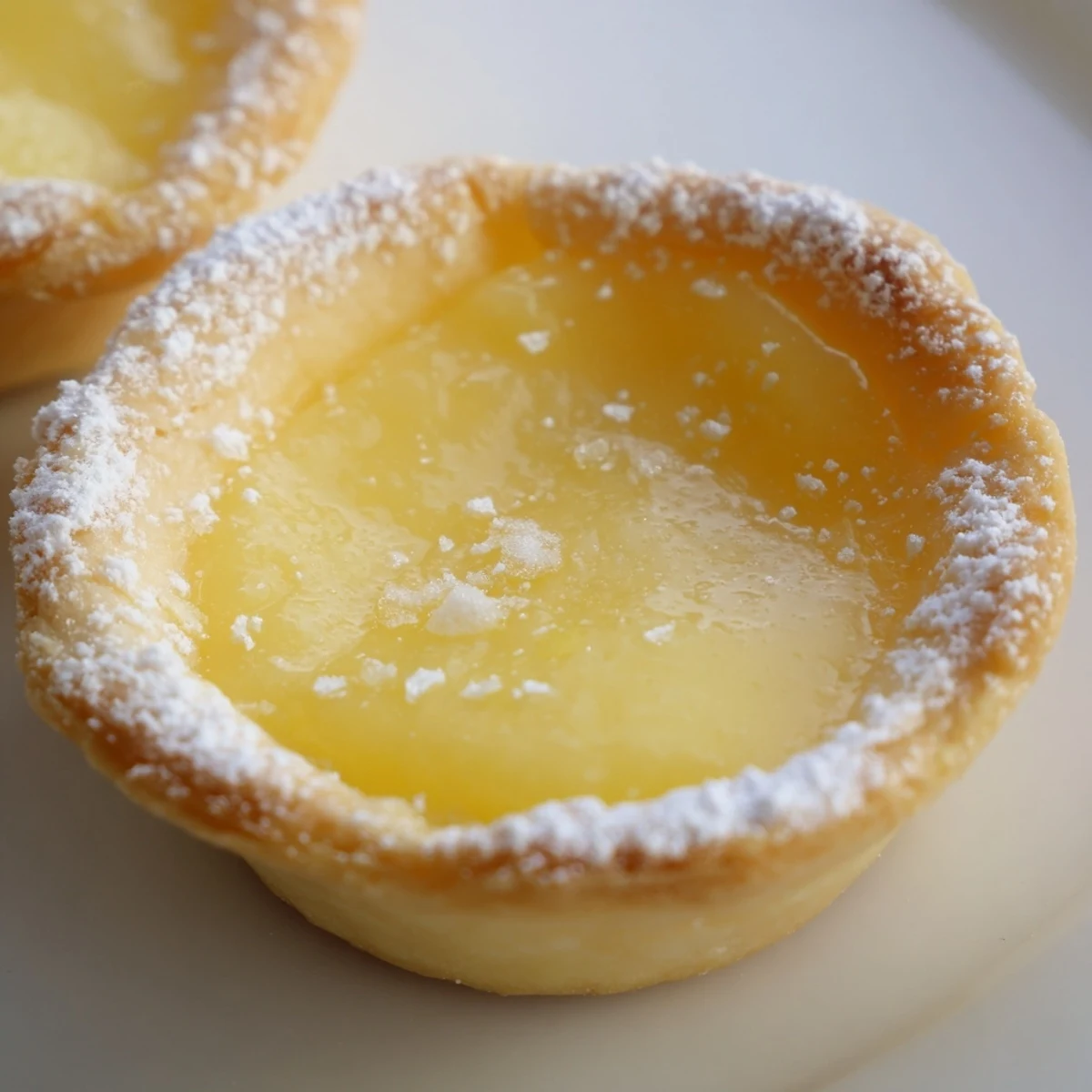
Save The magic of these tartlets isn't just in how they taste, though that tangy-sweet balance is everything. It's in that moment when you hand someone something you made with your hands, something that required care and attention, and you watch their face light up—it transforms a small dessert into something that matters.
The Story Behind Lemon Curd
Lemon curd has been a British staple for over a century, originally created as a way to preserve the brightness of lemons year-round in a jam-like form. What started as a practical pantry item became a beloved spread for toast, a filling for cakes, and eventually the star of its own tartlet. There's something about how it bridges the gap between tart and sweet—sophisticated enough for a dinner party but simple enough that it feels homey and welcoming.
Making It Your Own
These tartlets are a canvas for your own touches once you master the basics. Some people top them with fresh berries, others add a delicate dusting of powdered sugar or a tiny dollop of whipped cream, and I've even seen them finished with candied lemon peel for extra shine. The tartlet shells also take well to variations—a hint of vanilla extract or even a tiny bit of almond extract can add depth to the pastry itself.
Timing and Storage
One of the kindnesses of this recipe is that you can make the shells days ahead and store them in an airtight container, which means you only need to make the curd fresh when you're ready to serve. The finished tartlets keep beautifully in the refrigerator for up to three days, though they rarely last that long once people discover them in the fridge. If you're short on time, store-bought tartlet shells work in a pinch, leaving you to focus your energy on making the curd from scratch—which is truly where the flavor lives.
- Make shells up to two days ahead and store them in an airtight container at room temperature.
- Curd can be made several hours ahead, then spooned into shells just before serving if you prefer them extra fresh.
- Serve them chilled but not ice-cold, so the flavors come through more clearly.
 Save
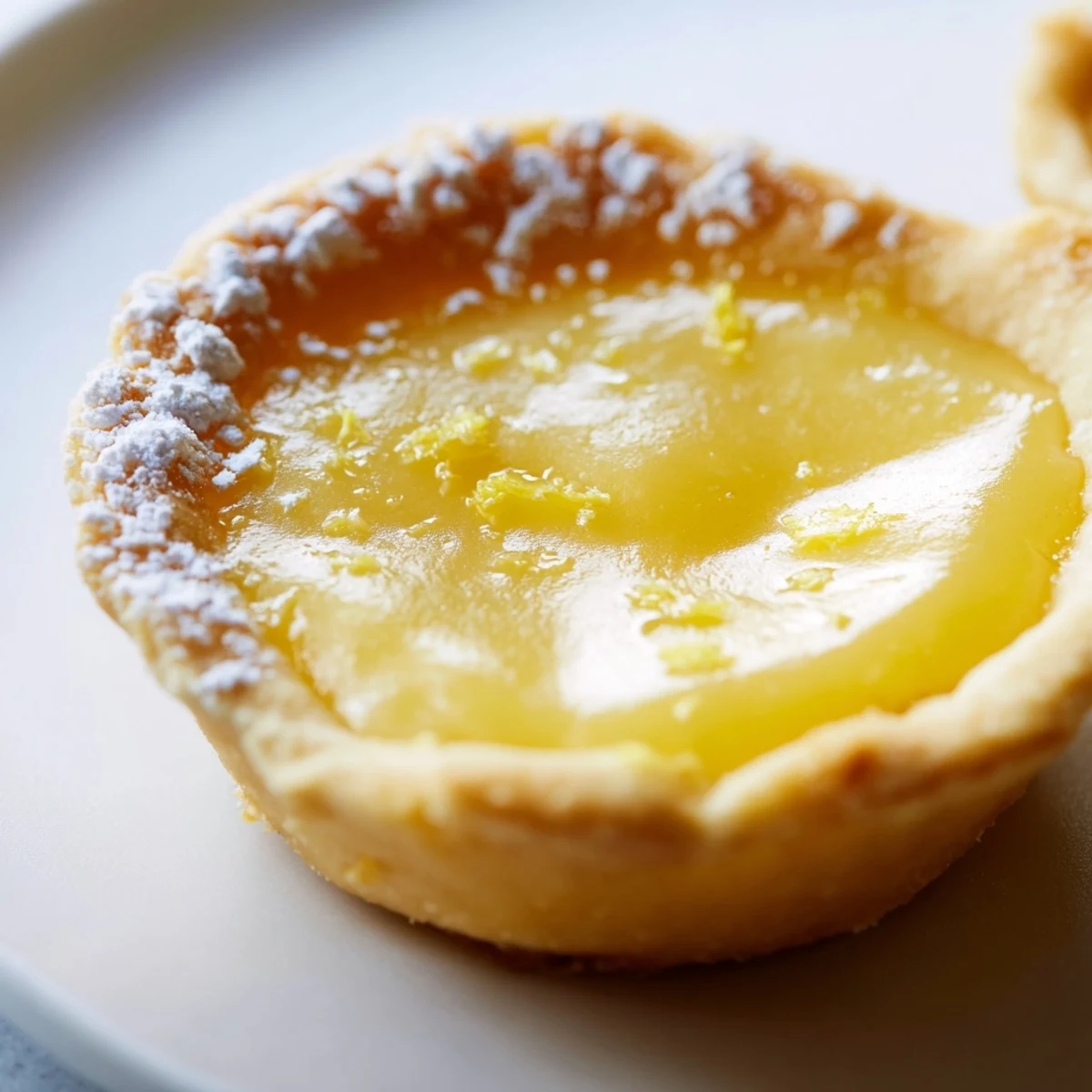
Save These tartlets remind me that some of the best things in life are small and bright and worth the careful attention they require. Once you've made them once, you'll find yourself making them again and again, watching the same delighted faces, and knowing exactly why.
Recipe FAQs
- → What is the best way to achieve a crisp tartlet shell?
-
Using cold butter rubbed into the flour creates a flaky texture. Chilling the dough before baking and blind baking the shells ensures crispness.
- → How can I tell when the lemon curd is perfectly cooked?
-
The curd should thicken enough to coat the back of a spoon when you stir it over gentle heat, typically in 8 to 10 minutes.
- → Can I prepare the tartlets in advance?
-
Yes, tartlets can be refrigerated for up to three days. Chill them properly to maintain freshness and texture.
- → What are suitable toppings for these tartlets?
-
Fresh berries or a light dusting of powdered sugar complement the tartlets beautifully without overpowering the lemon curd.
- → Is it possible to use store-bought pastry shells?
-
Store-bought pastry shells work well for a convenient shortcut, just ensure they are fully cooled before filling.