 Save
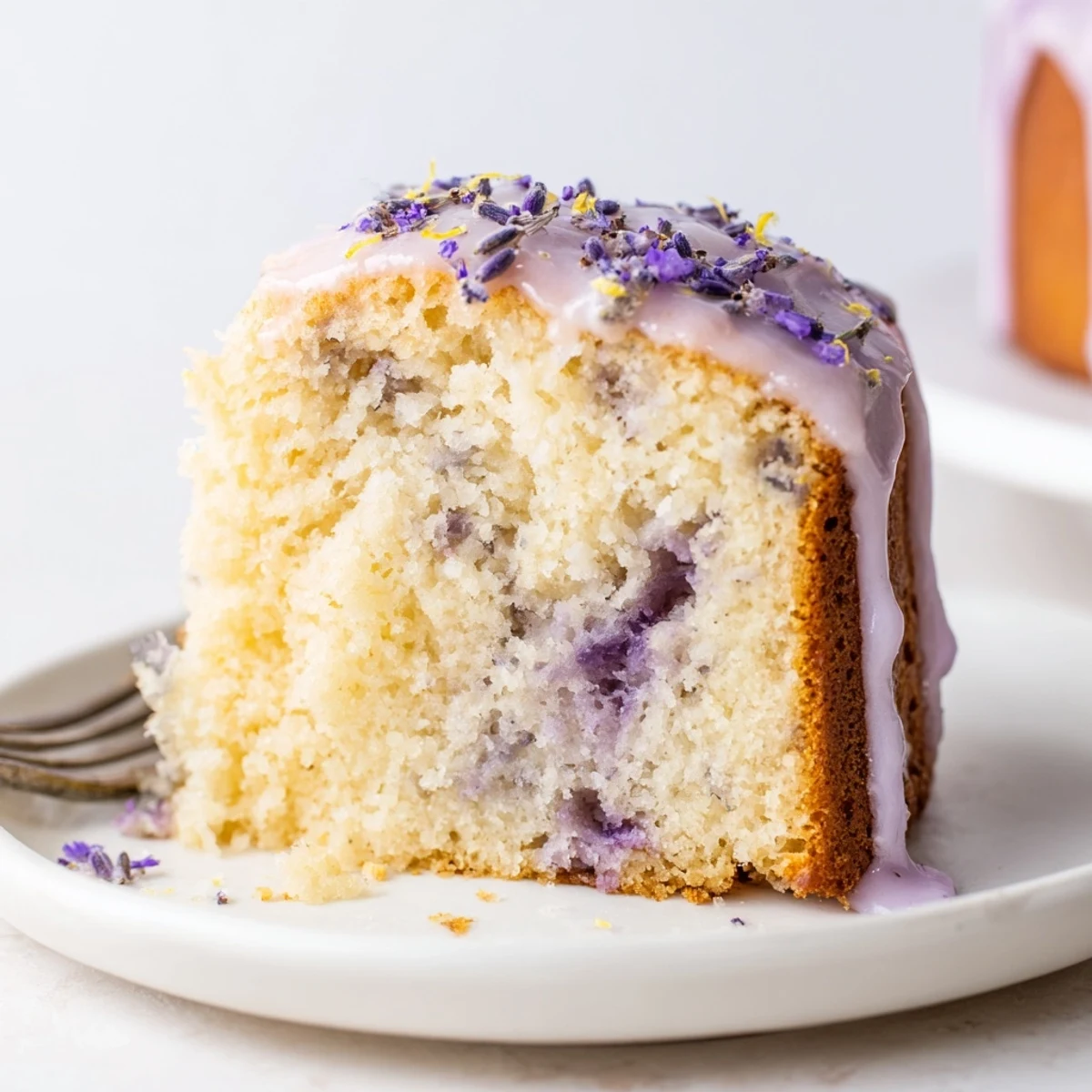
Save This elegant lavender cake features a tender, aromatic crumb infused with finely chopped culinary lavender buds. The batter comes together quickly with pantry staples, then bakes until golden and fragrant. An optional lavender syrup soak adds extra moisture and intensifies the floral notes. The finishing touch is a sweet-tart lemon glaze that perfectly complements the herbaceous lavender. Serve alongside Earl Grey tea for an indulgent afternoon treat.
The first time I baked with lavender, I accidentally used too much and my kitchen smelled like an entire field had been crushed into a single cake pan. My husband took one bite and made a face that said everything about why restraint matters with floral flavors. Now I know that lavender should whisper, not shout, and this cake gets it exactly right.
I made this for my mothers birthday one year when she was going through a particularly rough patch at work. She took one slice, closed her eyes, and said it tasted like the garden we used to visit in Provence when I was little. Sometimes food really can transport you somewhere else, if only for a few minutes.
Ingredients
- All-purpose flour: The structure builder, measure by spooning into your cup and leveling off for accuracy
- Baking powder: What gives this delicate cake its lift without making it taste metallic
- Salt: Just a pinch to wake up all the other flavors
- Unsalted butter: Room temperature is nonnegotiable here, cold butter will fight you and create a dense crumb
- Granulated sugar: Cream this thoroughly with the butter, the air bubbles you create now become the cakes texture later
- Large eggs: Also at room temperature, they emulsify better and create a more uniform batter
- Culinary lavender buds: Food grade only, give them a quick chop with a knife to release their oils but do not turn them into powder
- Vanilla extract: The supporting actor that rounds out the floral notes
- Whole milk: Adds moisture and richness, warm it slightly before adding so it does not shock the butter
- Water: For the optional syrup that keeps the cake tender
- Additional sugar: A small amount creates a simple syrup base
- More lavender buds: Just a teaspoon for infusing the syrup
- Powdered sugar: The foundation of that gorgeous drippy glaze
- Fresh lemon juice: Cuts through the sweetness and makes the floral notes sing
- Extra chopped lavender: Visual and aromatic garnish that tells people exactly what they are about to taste
Instructions
- Preheat your oven with intention:
- Set it to 350°F and grease your 8-inch round pan with butter, then dust it with flour, tapping out any excess like you have seen bakers do on television
- Whisk the dry team together:
- Combine flour, baking powder, and salt in a bowl, doing this now prevents overmixing later which would make the cake tough
- Cream butter and sugar until your arm hurts:
- Beat them for at least 3 full minutes until the mixture turns pale and fluffy, this step creates the tender crumb you want
- Add eggs one at a time:
- Beat each egg completely before adding the next, then mix in your chopped lavender and vanilla until the kitchen starts to smell amazing
- Combine wet and dry gently:
- Add flour mixture in three parts alternating with milk, beginning and ending with flour, stop mixing the second you no longer see dry streaks
- Bake until the house smells incredible:
- Pour batter into your prepared pan, smooth the top, and bake for 25 to 30 minutes until a toothpick comes out clean
- Make the syrup while you wait:
- Simmer water, sugar, and lavender for 3 minutes, then strain and set aside to cool slightly
- Brush the warm cake with syrup:
- After 10 minutes of cooling, poke holes in the cake with a skewer and gently brush with syrup if you are using it
- Whisk the glaze until smooth:
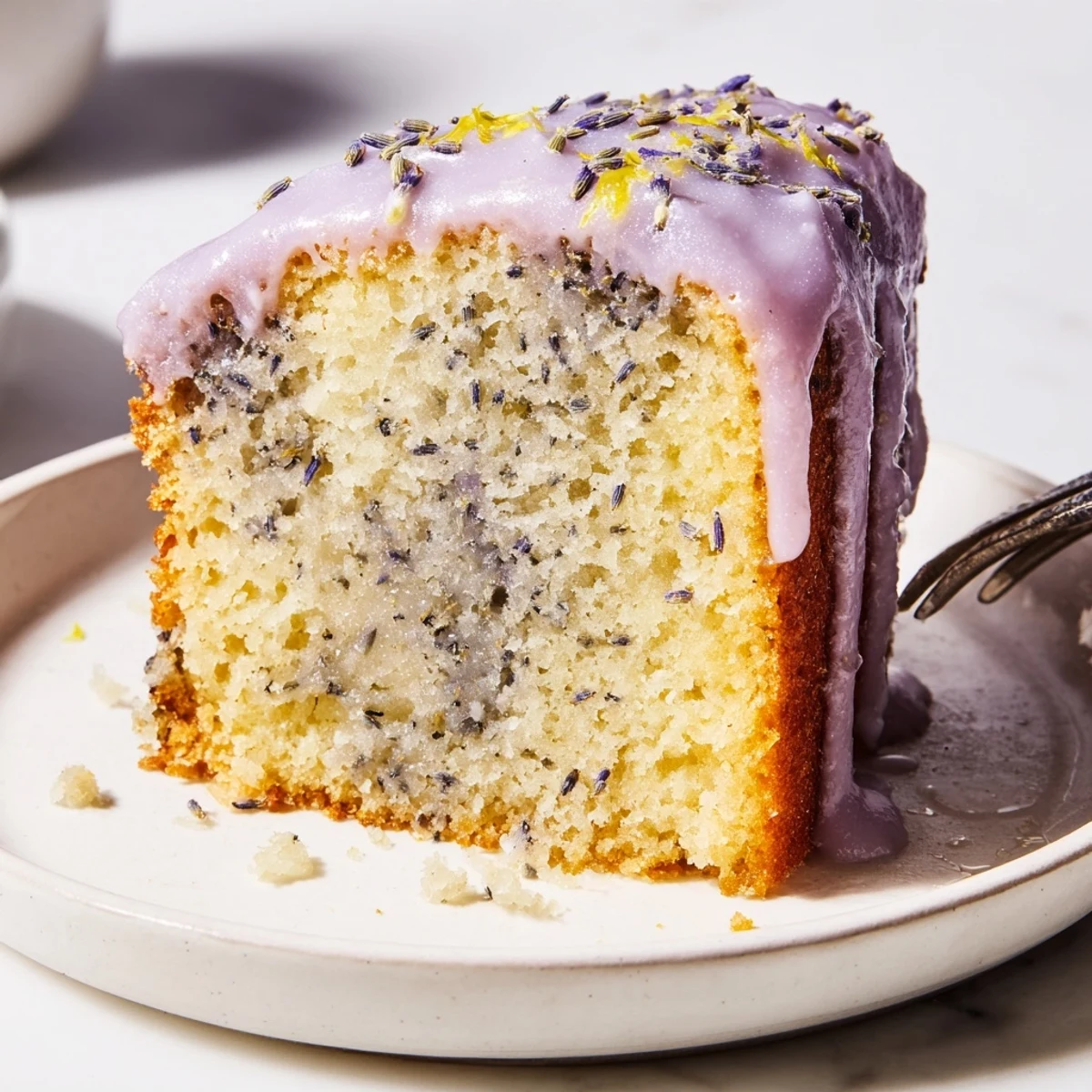
- Mix powdered sugar, lemon juice, and lavender until it drizzles beautifully off your spoon
- Let the glaze set before serving:
- Drizzle over the completely cooled cake and wait about 15 minutes for it to firm up
 Save
Save My neighbor asked for the recipe after trying it at a block party, and when she made it herself, she called me laughing because she had doubled the lavender and her family said it tasted like soap. We have joked about lavender soap cake ever since.
Getting The Lavender Balance Right
Floral flavors walk a fine line between elegant and overpowering, and lavender is particularly unforgiving. I have learned that grinding it too finely releases bitter compounds, while leaving it too whole makes the eating experience unpleasant. A rough chop with a sharp knife gives you the best of both worlds.
The Secret To Tender Crumb
Room temperature ingredients are not just a suggestion, they are chemistry. Cold butter cannot trap air bubbles during creaming, and cold eggs cannot emulsify properly into the batter. I set everything out on the counter before I even get my mixer down from the cabinet.
Serving Suggestions
This cake wants to be eaten in the afternoon with something hot to drink. The lemon in the glaze makes it pair beautifully with Earl Grey or a bright, grassy green tea. I have also served it with fresh berries when they are in season.
- Use a serrated knife for clean slices that do not tear the tender crumb
- Wrap any leftovers tightly and they will stay fresh for three days
- The glaze firms up at room temperature but softens again if you refrigerate it
 Save
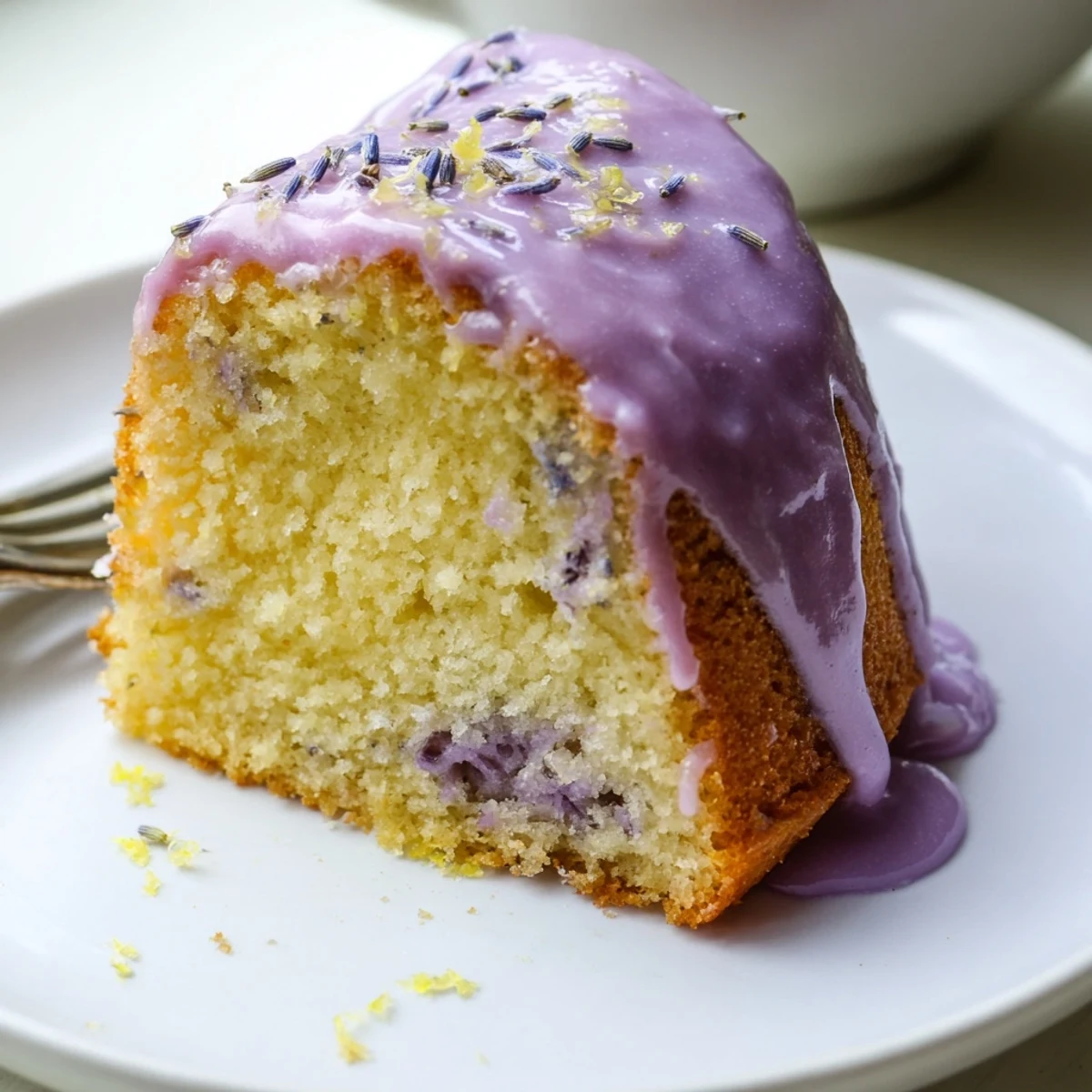
Save There is something peaceful about a cake that tastes like a garden in bloom. Every time I make it, I remember why lavender has been used in kitchens for centuries.
Recipe FAQs
- → What type of lavender should I use?
-
Use culinary-grade lavender buds specifically meant for cooking. Regular garden lavender or lavender from craft stores may contain pesticides or have been treated with chemicals. Dried culinary lavender works well and provides consistent flavor.
- → Can I make this cake ahead of time?
-
Yes, the unfrosted cake can be wrapped tightly and stored at room temperature for up to 2 days or frozen for up to 3 months. Add the glaze on the day you plan to serve for the freshest appearance and texture.
- → How do I prevent the lavender flavor from being too strong?
-
Start with the recommended amount and taste the batter before baking. If you prefer a more subtle flavor, reduce the lavender by half. You can also steep the buds in warm milk first, then strain them out for a gentler infusion.
- → What can I serve with lavender cake?
-
Earl Grey tea pairs beautifully with the floral notes. Fresh berries like strawberries or raspberries complement the lavender. A dollop of whipped cream or crème fraîche adds a nice contrast if you want to skip the glaze.
- → Can I make this gluten-free?
-
You can substitute the all-purpose flour with a 1-to-1 gluten-free flour blend. The texture may be slightly denser, but the flavor will remain delicious. Ensure your other ingredients, including baking powder, are certified gluten-free.
- → Why is my cake dense?
-
Overmixing the batter can develop too much gluten, resulting in a dense texture. Mix only until the flour is just incorporated. Also ensure your butter and eggs are at room temperature before beginning for proper aeration.