
 Save
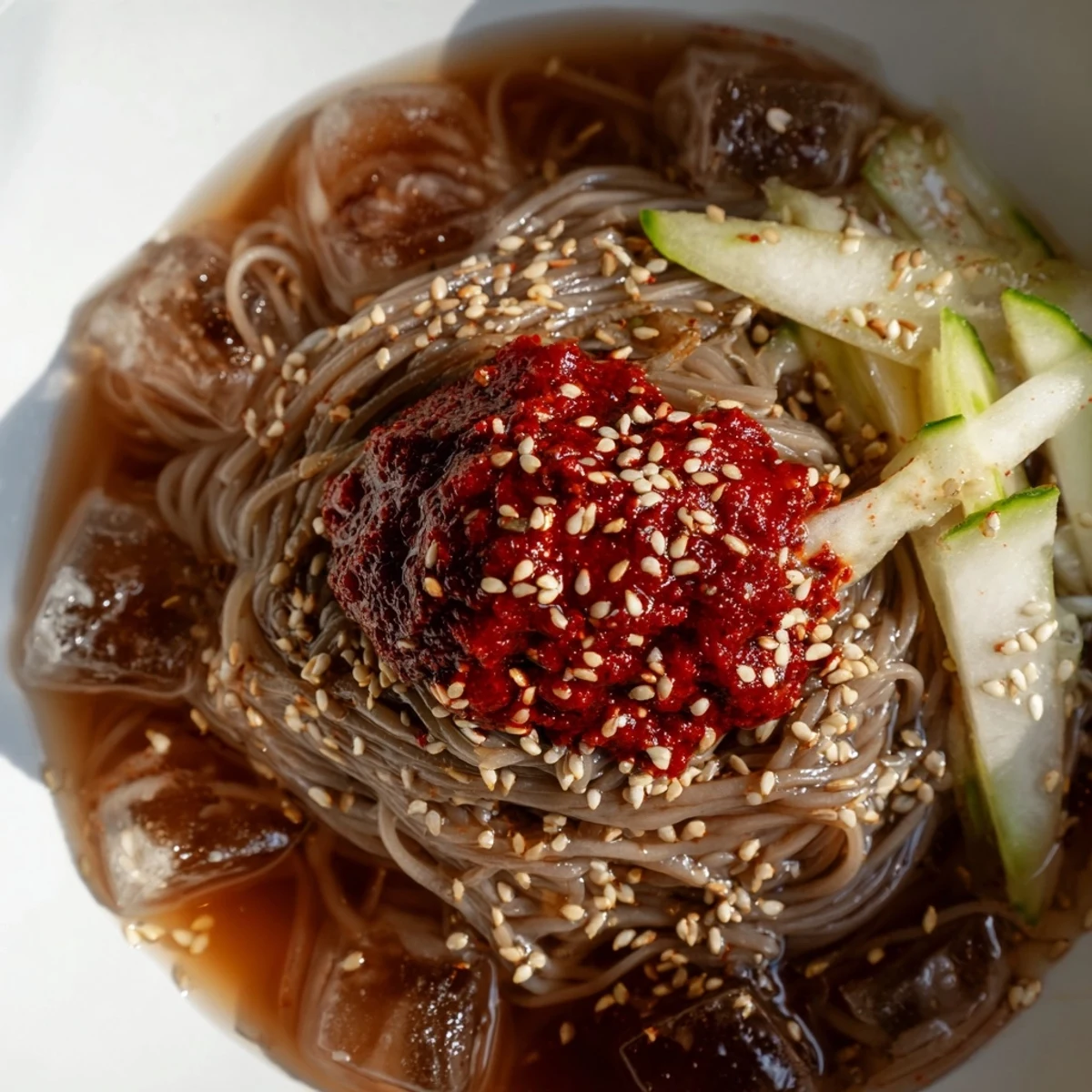
Save This classic Korean dish features distinctive chewy buckwheat noodles served in an ice-cold, tangy broth perfect for sweltering summer days. The refreshing combination balances savory beef broth with bright vinegar notes, while toppings like tender brisket, crisp Asian pear, and cucumber create delightful texture contrasts. Traditional preparation calls for thorough noodle rinsing to remove starch and achieve that signature slippery, springy bite.
The first Korean restaurant I stepped into was a tiny hole-in-the-wall place where the owner insisted I try naengmyeon despite the snow falling outside. She told me true Koreans eat this cold noodle soup year-round, something I didnt understand until that first shockingly cold, incredibly refreshing bite hit my tongue. Now I find myself craving it most on sweltering July evenings when even thinking about turning on the oven feels like a personal offense.
Last summer, my sister came over complaining about the heat wave and I decided to make naengmyeon on a whim. She looked at me like Id lost my mind when I pulled out the ice cubes, but after one slurp of that cold vinegary broth, she was texting her husband to cancel their dinner plans. We ended up sitting on my back porch steps, sweating in the humidity while happily eating our freezing cold noodles, and she made me promise to teach her the recipe before she even finished her bowl.
Ingredients
- 4 cups beef broth: Homemade gives the deepest flavor, but low-sodium store-bought works perfectly fine
- 2 cups cold water: Dilutes the broth just enough so the tangy flavors shine through
- 2 tablespoons rice vinegar: This is what gives the broth its signature refreshing zing
- 1 tablespoon sugar: Balances the vinegar and prevents the broth from tasting too sharp
- 1 tablespoon soy sauce: Adds that essential savory depth and beautiful amber color
- 1 teaspoon sesame oil: A little goes a long way for that nutty aromatic finish
- 1/2 teaspoon salt: Adjust based on how salty your broth is to start
- 1/2 cucumber: Thinly sliced for crisp, refreshing texture throughout every spoonful
- 4-6 ice cubes: Non-negotiable for keeping everything shockingly cold
- 400 g naengmyeon noodles: These chewy buckwheat noodles are what makes the dish authentic
- 1 Asian pear: Adds subtle sweetness and the most satisfying crunch
- 2 hard-boiled eggs: Creamy contrast to all those cold, crisp elements
- 120 g cooked beef brisket: Thin slices add protein and rich savory notes
- 1 tablespoon toasted sesame seeds: For that final pop of nutty flavor and texture
- 1 tablespoon gochujang: Optional but recommended if you want a little heat kick
Instructions
- Mix the refreshing broth:
- Combine beef broth, cold water, rice vinegar, sugar, soy sauce, sesame oil, and salt in a large bowl, stirring until the sugar and salt completely dissolve. Pop it in the fridge to chill completely—the colder this gets, the better the final dish will taste.
- Prep all your toppings:
- Boil your eggs for exactly 10 minutes, then plunge them into ice water for easy peeling. Slice your beef brisket paper-thin, and cut the cucumber and Asian pear into delicate ribbons thatll float beautifully in the broth.
- Cook and chill the noodles:
- Boil the naengmyeon noodles for 3 to 4 minutes until theyre chewy but not mushy, then drain and rinse them thoroughly under freezing cold water until theyre completely cool and no longer starchy.
- Build your perfect bowl:
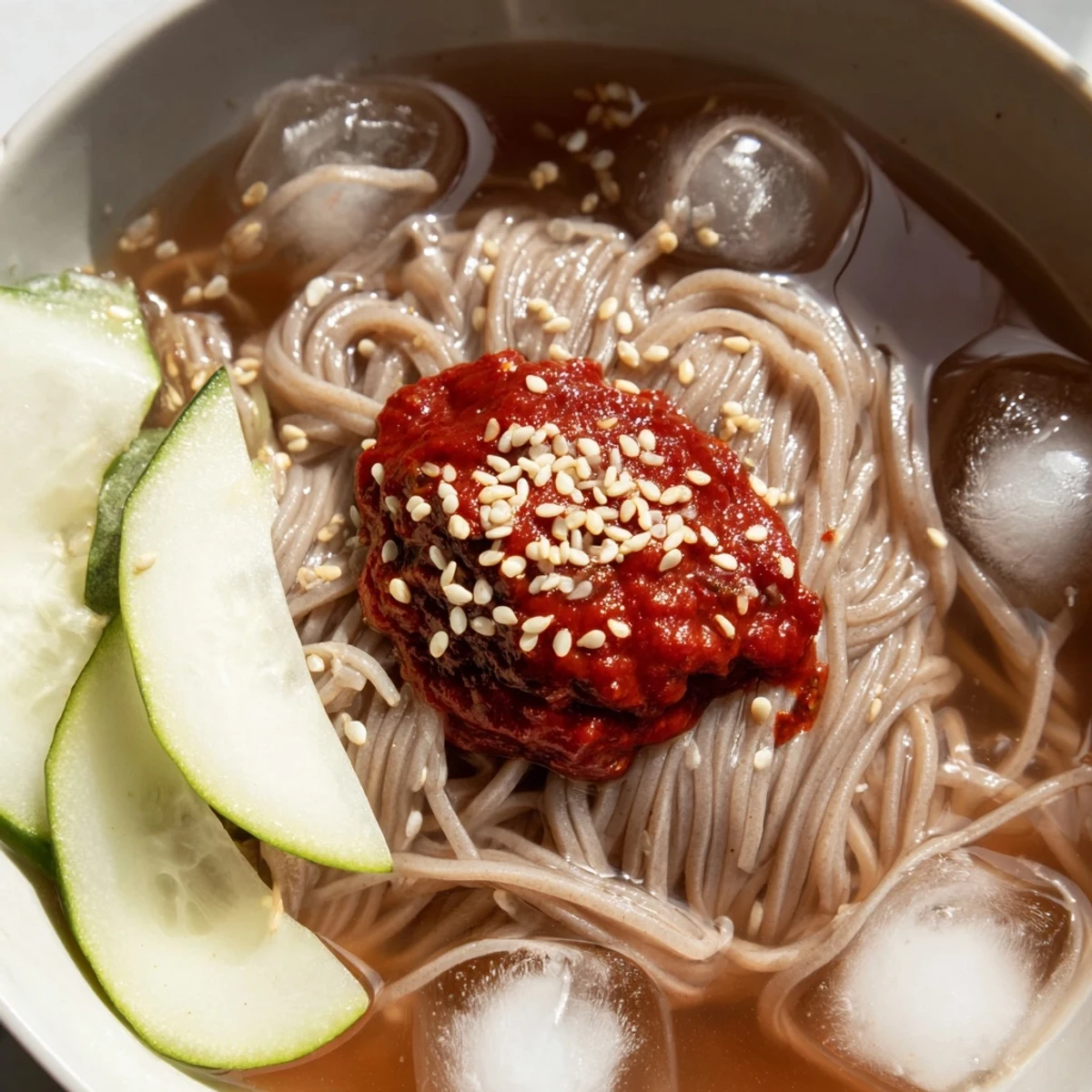
- Divide the cold noodles among four bowls and ladle that icy cold broth over them. Arrange your toppings in a pretty pattern: cucumber slices, pear, beef, and those halved eggs resting right on top.
- Finish with flair:
- Add ice cubes directly to each bowl to keep everything temperature-shocking cold, then sprinkle with sesame seeds and add a dollop of gochujang if you want that extra kick. Serve immediately and encourage everyone to stir everything together before diving in.
 Save
Save My friend who travels to Korea annually told me that street vendors there serve naengmyeon so cold it almost hurts your teeth, and now I understand why that sensation is so addictive. Theres something thrilling about eating something so refreshing that it makes you shiver, even when summer humidity is clinging to your skin.
Making It Your Own
Once you master the basic broth formula, start playing with the proportions to suit your taste. Some days I want more vinegar and punch, other days I dial back the sugar or add extra sesame oil for richness.
The Temperature Game
Korean friends have taught me that serving bowls chilled in the freezer for 20 minutes makes a massive difference. The broth stays colder longer, which honestly is the whole point of this dish.
Perfect Pairings
Naengmyeon works beautifully alongside Korean fried chicken or spicy grilled meats because the cold, mild broth balances out any heat and grease. Set out small bowls of extra vinegar, Korean mustard, and gochujang so everyone can customize their own bowls.
- Keep scissors handy to snip long noodles into manageable lengths
- Leftover broth keeps in the fridge for up to 3 days
- Cook noodles right before serving since they soften in the broth over time
 Save
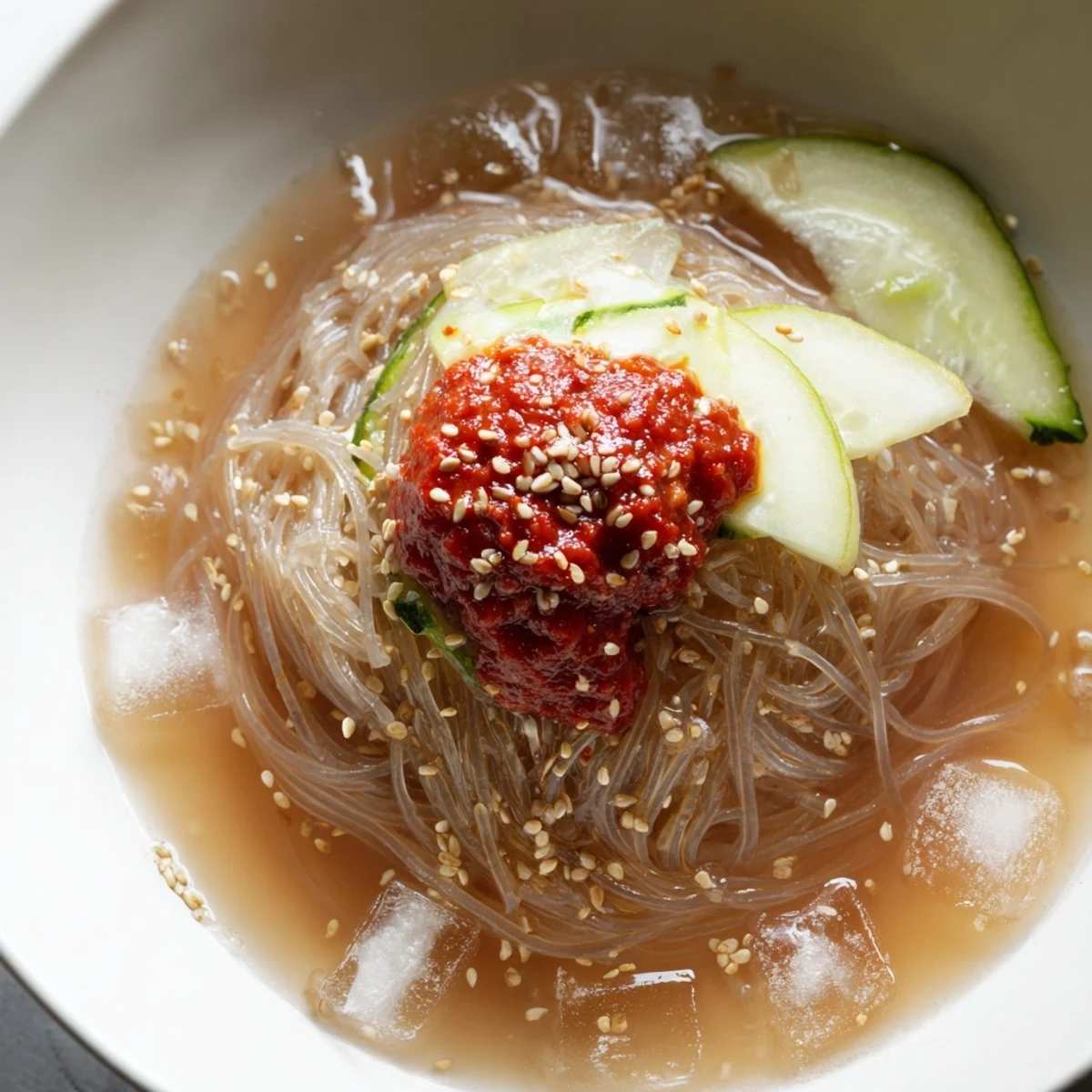
Save Theres something deeply satisfying about slurping these noodles while condensation beads on the outside of your bowl. Naengmyeon is that rare dish that manages to be both wildly refreshing and deeply comforting all at once.
Recipe FAQs
- → What makes naengmyeon noodles different from other noodles?
-
Naengmyeon noodles are made primarily from buckwheat and sweet potato starch, creating an exceptionally chewy, springy texture that's distinctly different from wheat-based pasta. The noodles are quite thin and require thorough rinsing in cold water to remove excess starch and achieve their characteristic slippery mouthfeel.
- → Can I make naengmyeon without beef broth?
-
Yes, you can substitute chicken, pork, or even vegetable broth for the beef base. For a lighter version, dashima (kelp) broth works beautifully. The key is maintaining that savory depth that balances the sharp vinegar notes in the cold broth.
- → Why is the broth served so cold?
-
The icy-cold temperature is essential to the naengmyeon experience, providing refreshing contrast to the chewy noodles and creating that signature cooling effect that makes this dish so popular during Korean summers. Traditional preparation often includes adding ice cubes directly to the broth.
- → What can I use if I can't find naengmyeon noodles?
-
Soba noodles made from buckwheat are the closest substitute and work reasonably well, though they're slightly less chewy. Some Korean markets carry both mul-naengmyeon (water-based) and bibim-naengmyeon (spicy mixed) versions of the noodles.
- → How do I eat naengmyeon properly?
-
Naengmyeon is traditionally eaten with scissors—the noodles are quite long and slippery, so servers often cut them into manageable lengths right at the table. Mix the toppings through the broth as you eat, and add vinegar or mustard according to your taste preference.
- → Can I prepare naengmyeon in advance?
-
The broth can be made and chilled up to 2 days ahead, and toppings like sliced beef, cucumber, and Asian pear can be prepared hours before serving. However, cook the noodles just before assembling, as they can become gummy if left to sit too long after rinsing.