
 Save
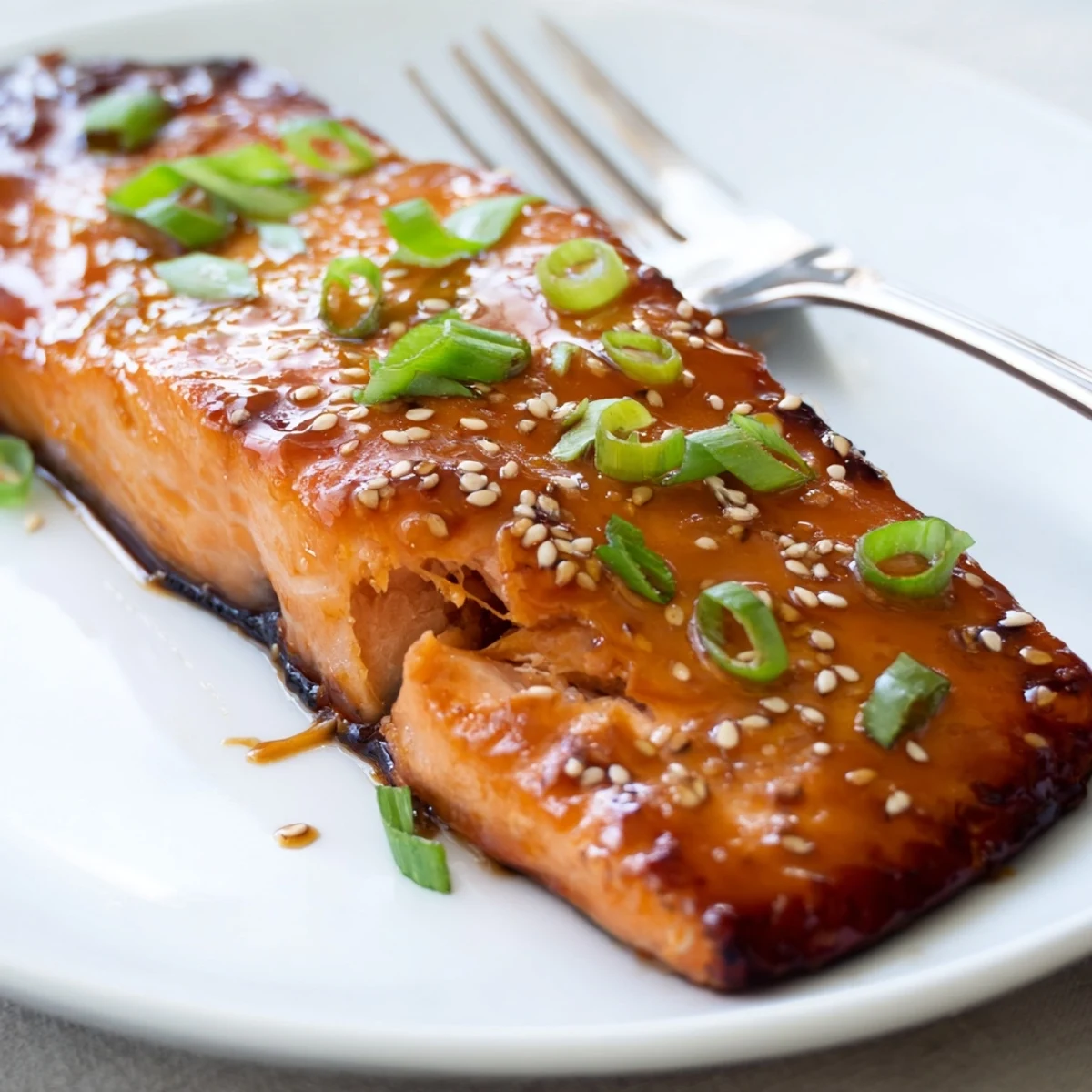
Save Oven-roasted, skin-on salmon fillets are brushed with a thickened maple-tamari glaze made from tamari, rice vinegar, sesame oil, garlic and grated ginger, thickened with cornstarch. Bake at 200°C (400°F) for 12–15 minutes until just flaky; finish with sesame seeds and sliced spring onions. Marinate briefly for deeper flavor or add red pepper flakes for heat. Serve alongside steamed rice, sautéed vegetables or a crisp cucumber salad for a balanced weeknight meal.
The smell of caramelizing tamari and maple syrup hit me before I even opened the oven door, and my roommate walked in asking if I was hiding takeout from her. That was the night I realized gluten free cooking does not mean boring or bland, not even close. Salmon has this magical ability to look fancy while demanding almost nothing from you, and teriyaki is its perfect partner. I have been making some version of this dish on busy weeknights for three years now.
I once made this for my sister who claimed she did not like fish, and she went back for seconds without saying a word. There is something about that sticky glaze bubbling under high heat that wins people over before they even take a bite.
Ingredients
- 4 salmon fillets, skin on, about 170 g each: Skin on matters here because it protects the flesh from drying out on the hot pan and crisps up beautifully if you let it.
- 60 ml tamari or gluten free soy sauce: Tamari is smoother and less salty than regular soy sauce, which keeps the glaze balanced rather than aggressive.
- 2 tbsp pure maple syrup: Please use the real thing, not pancake syrup, because the subtle caramel notes are what make this sauce special.
- 2 tbsp rice vinegar: This small amount of acid cuts through the richness of the salmon and brightens the whole dish.
- 1 tbsp sesame oil: A little goes a long way and adds that toasty aroma that makes everything taste like it came from a restaurant.
- 2 garlic cloves, minced: Fresh garlic only, the jarred stuff tastes flat and you will notice the difference immediately.
- 2 tsp fresh ginger, grated: Freeze your ginger whole and grate it straight from frozen, it grates into a fine paste with zero effort.
- 2 tsp cornstarch plus 2 tbsp water: This slurry is what transforms a thin liquid into that gorgeous glossy glaze that clings to the fish.
- 1 tbsp sesame seeds and 2 spring onions: Mostly for looks, but the sesame seeds add a subtle crunch and the onions bring a fresh bite.
Instructions
- Get the oven hot:
- Preheat to 200 degrees Celsius, 400 Fahrenheit, and line a baking sheet with parchment paper so cleanup is effortless later.
- Build the sauce:
- Whisk tamari, maple syrup, rice vinegar, sesame oil, garlic, and ginger in a small saucepan over medium heat until everything smells incredible and unified.
- Thicken it up:
- Dissolve cornstarch in water in a small bowl, stir it into the warm sauce, and watch it transform into a glossy coating in two to three minutes.
- Glaze the fish:
- Lay salmon fillets skin side down on the parchment and brush them generously with sauce, saving a little for a final coat later.
- Bake until just right:
- Twelve to fifteen minutes in the oven should do it, and you want the salmon to flake easily but still look slightly translucent in the very center.
- Finish with flair:
- Pull them out, hit each fillet with remaining sauce, and scatter sesame seeds and sliced spring onions over the top while everything is still hot.
 Save
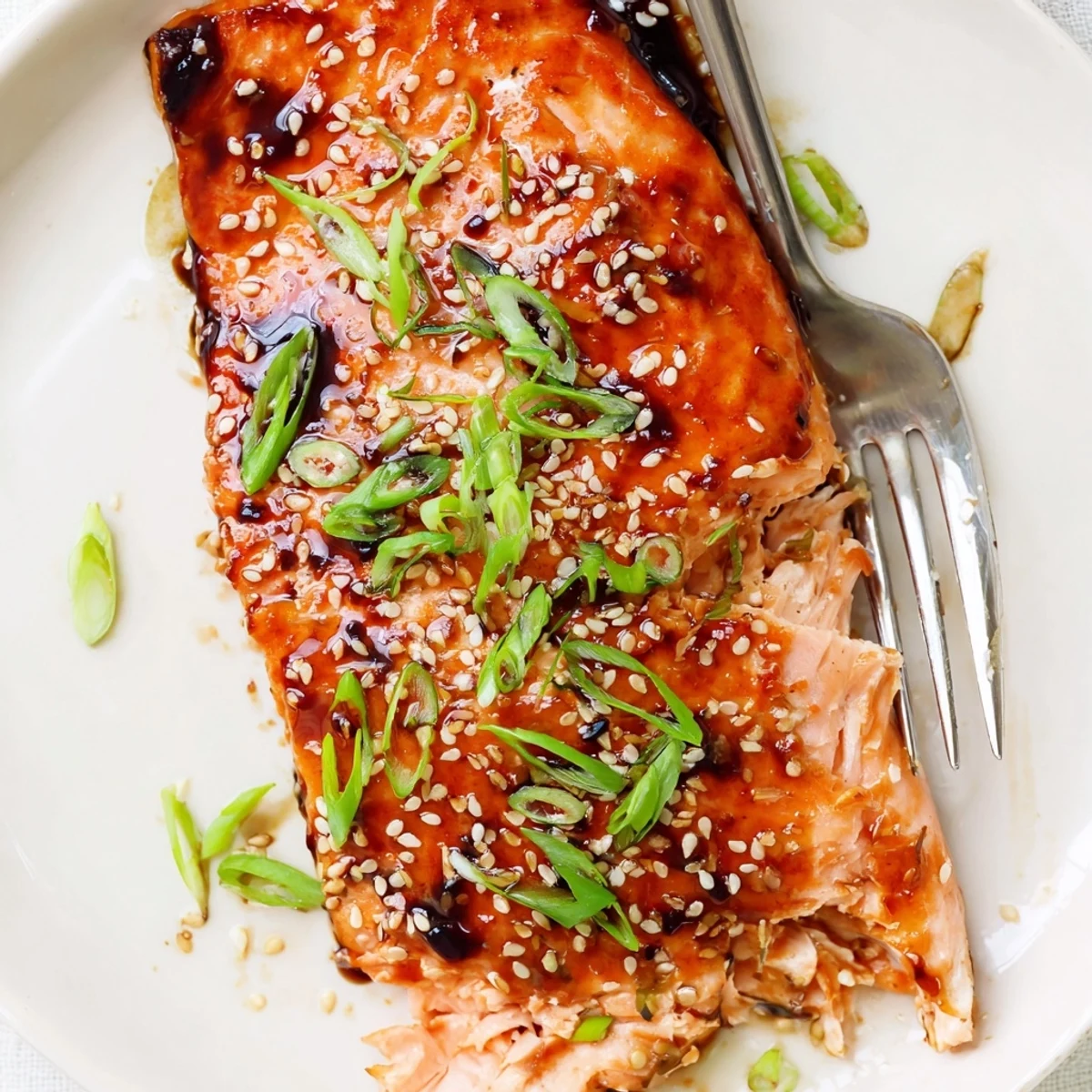
Save The first time I served this on actual plates instead of straight off the baking sheet, my partner laughed and said the fish tasted exactly the same either way. He was right, but plating it felt like a small act of caring that made a random Tuesday feel less ordinary.
What To Serve Alongside
Steamed jasmine rice soaks up the extra sauce like nothing else, and a quick cucumber salad with rice vinegar and a pinch of sugar provides the crunch this meal craves. Sautéed bok choy or broccolini also work beautifully if you want to keep everything on one sheet pan.
Handling Leftovers
Cold leftover salmon flaked over a bowl of rice with any remaining sauce drizzled on top might be my preferred way to eat this. The flavors meld overnight and somehow become even more cohesive, which is a rare quality in fish dishes.
Tools That Make This Easier
A silicone basting brush is the one tool I would not skip here because it spreads the sauce evenly without wasting a drop.
- Keep a small saucepan dedicated to sauces if you cook often, because nothing ruins a glaze faster than residual flavors from last nights curry.
- Parchment paper is non negotiable unless you enjoy scraping caramelized sugar off metal sheets.
- A fish spatula with a thin edge will help you move the fillets without breaking them apart.
 Save
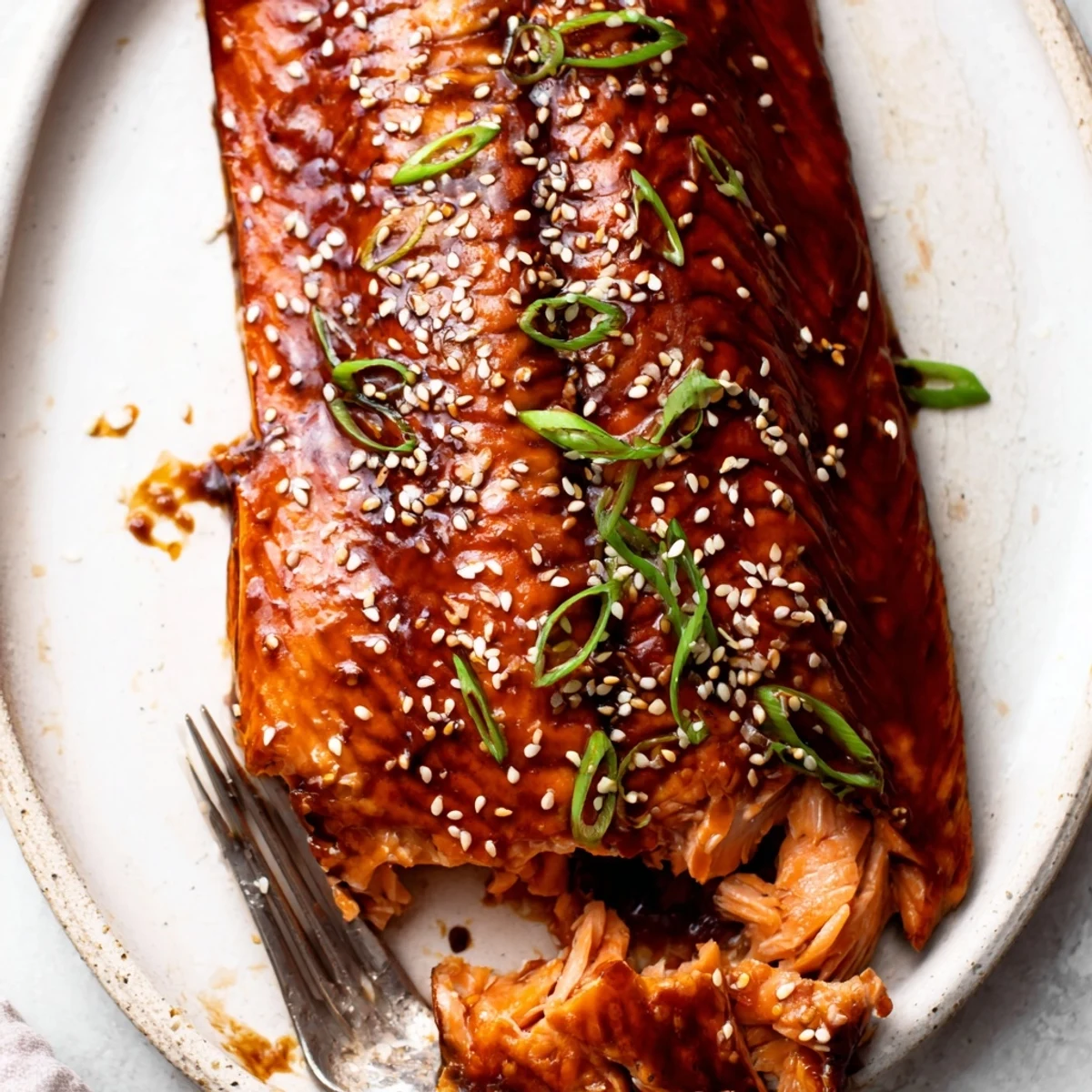
Save This is the kind of recipe that reminds you weeknight dinners can still feel a little special without requiring a special occasion. Make it once and it will quietly become part of your rotation.
Recipe FAQs
- → Can I use fresh or frozen salmon?
-
Fresh fillets give the best texture, but frozen salmon thawed completely and patted dry works well. Ensure excess moisture is removed so the glaze adheres and the fish roasts evenly.
- → How can I thicken the glaze quickly?
-
Dissolve cornstarch in a little cold water and whisk into the simmering tamari‑maple mixture; it thickens within 2–3 minutes. For a shinier finish, simmer a little longer to concentrate flavors.
- → Is skin-on important?
-
Keeping the skin on helps protect the flesh during roasting and concentrates flavor; it crisps slightly in the oven and makes the fillet easier to handle when serving.
- → How do I know when salmon is cooked?
-
Bake until the thickest part flakes easily with a fork and is just opaque throughout. For moist results, aim for 12–15 minutes at 200°C (400°F) depending on fillet thickness.
- → What are good side pairings?
-
Steamed rice, garlic sautéed greens, or a crisp cucumber salad complement the sweet-salty glaze and keep the meal balanced and bright.
- → Any simple flavor variations?
-
Add a pinch of red pepper flakes or a dash of chili oil to the glaze for heat, swap maple for honey for a different sweetness, or finish with toasted sesame oil for a deeper nutty note.