 Save
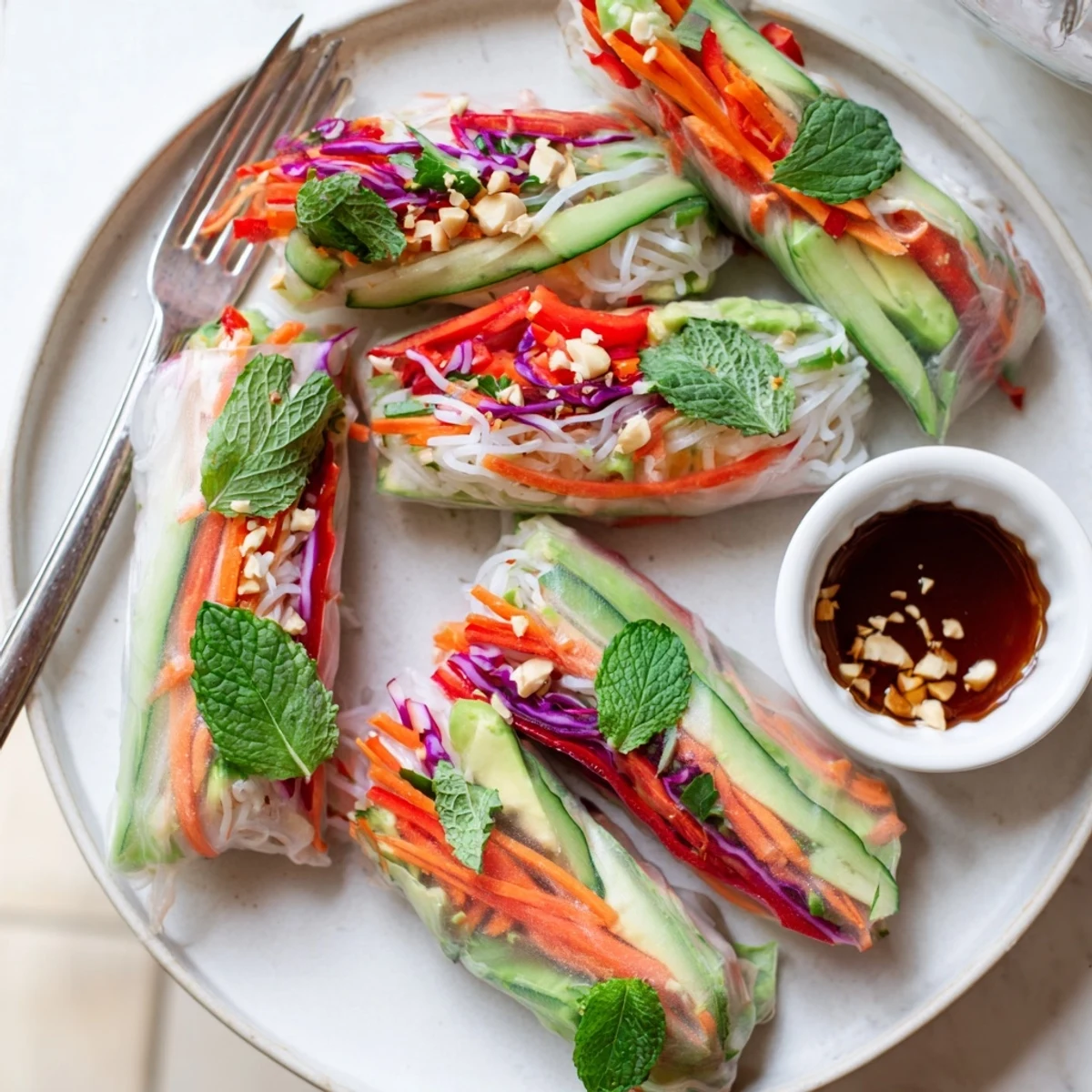
Save These gluten-free spring rolls combine julienned carrot, cucumber, red bell pepper, shredded cabbage, avocado and fresh mint and cilantro with rice vermicelli, all wrapped in softened rice paper. Soak wrappers 10-15 seconds, layer noodles and herbs, add avocado last and roll tightly. Whisk tamari, rice vinegar, maple, sesame oil and ginger for a tangy dip. Serve immediately; store covered with a damp towel for a few hours. Add tofu or shrimp for extra protein.
The summer my neighbor Linda brought over a plate of these translucent, jewel toned rolls, I stood in the doorway holding them like something fragile and sacred. Inside, the vegetables gleamed through the rice paper like stained glass, and my kitchen suddenly smelled like mint and possibility. I had always assumed spring rolls were restaurant territory, something too fussy for a Tuesday evening at home. Turns out, they are one of the most forgiving, meditative things you can make with your own two hands.
I made a double batch of these for a backyard potluck last July and watched grown adults elbow each other reaching for the last one. My friend Carlos held his up to the sunlight and declared it art before eating it in two bites. That is the highest compliment any dish can receive.
Ingredients
- 1 medium carrot, julienned: Slice it thin and uniform so every bite has a satisfying crunch without overpowering the roll.
- 1/2 cucumber, julienned: English cucumber works best here because the seeds are smaller and the skin is tender.
- 1 red bell pepper, julienned: This is where your color really pops, so pick one that is firm and deeply red.
- 1 cup red cabbage, thinly shredded: Adds a gorgeous purple hue and a surprising snap that keeps each bite interesting.
- 1 avocado, sliced: Place it in last so it does not squish against other ingredients during rolling.
- 1 cup fresh mint leaves: Do not skip this, it is the secret ingredient that makes people ask what is in there.
- 1 cup fresh cilantro leaves: Paired with mint, it creates an herbal brightness that ties everything together.
- 8 gluten free rice paper wrappers: Check the packaging carefully, most are naturally gluten free but always verify the label.
- 100 g rice vermicelli noodles: These provide a gentle chew that balances all the crisp vegetables.
- Warm water: Not hot, just warm enough to soften the rice paper without cooking it.
- 3 tbsp gluten free soy sauce or tamari: Tamari gives a richer, deeper flavor than regular soy sauce and keeps things gluten free.
- 2 tbsp rice vinegar: The gentle acidity wakes up every flavor in the dipping sauce.
- 1 tbsp maple syrup or honey: A touch of sweetness rounds out the salty and sour notes beautifully.
- 1 tsp toasted sesame oil: Just a whisper of this transforms the sauce from simple to irresistible.
- 1 tsp grated fresh ginger: Grate it fine so the flavor distributes evenly without fibrous bits.
- 1 clove garlic, minced: Fresh garlic matters here, do not reach for the jarred version.
- 1 tbsp chopped peanuts (optional): Omit these entirely if anyone at your table has a nut allergy.
Instructions
- Soften the noodles:
- Prepare the rice vermicelli according to package directions, drain them well, and let them cool completely before handling. Wet noodles will make your rice paper soggy and difficult to work with.
- Arrange your workspace:
- Julienne all vegetables and spread them across a large platter or cutting board like a painter palette. Having everything visible and within reach makes the rolling feel effortless instead of frantic.
- Waken the rice paper:
- Submerge one wrapper in warm water for about 10 to 15 seconds until it becomes pliable but still has slight structure. Lay it flat on a clean damp surface and watch it continue softening as you work.
- Build the roll:
- Place a modest handful of noodles and vegetables across the lower third of the wrapper, keeping everything tightly grouped. Lay avocado slices on top last so they do not get mashed during folding.
- Roll with confidence:
- Fold the left and right sides inward over the filling, then roll upward from the bottom like a snug little burrito. Give it one final gentle squeeze to seal and set it seam side down on your serving plate.
- Whisk the dipping sauce:
- Combine tamari, rice vinegar, maple syrup, sesame oil, ginger, garlic, and peanuts in a small bowl and whisk until the color is uniform. Taste it and adjust the sweetness or acidity to your liking.
- Serve right away:
- Arrange the rolls on a platter with the sauce in a small bowl at the center and watch them disappear. They are at their absolute best within the first hour of being made.
 Save
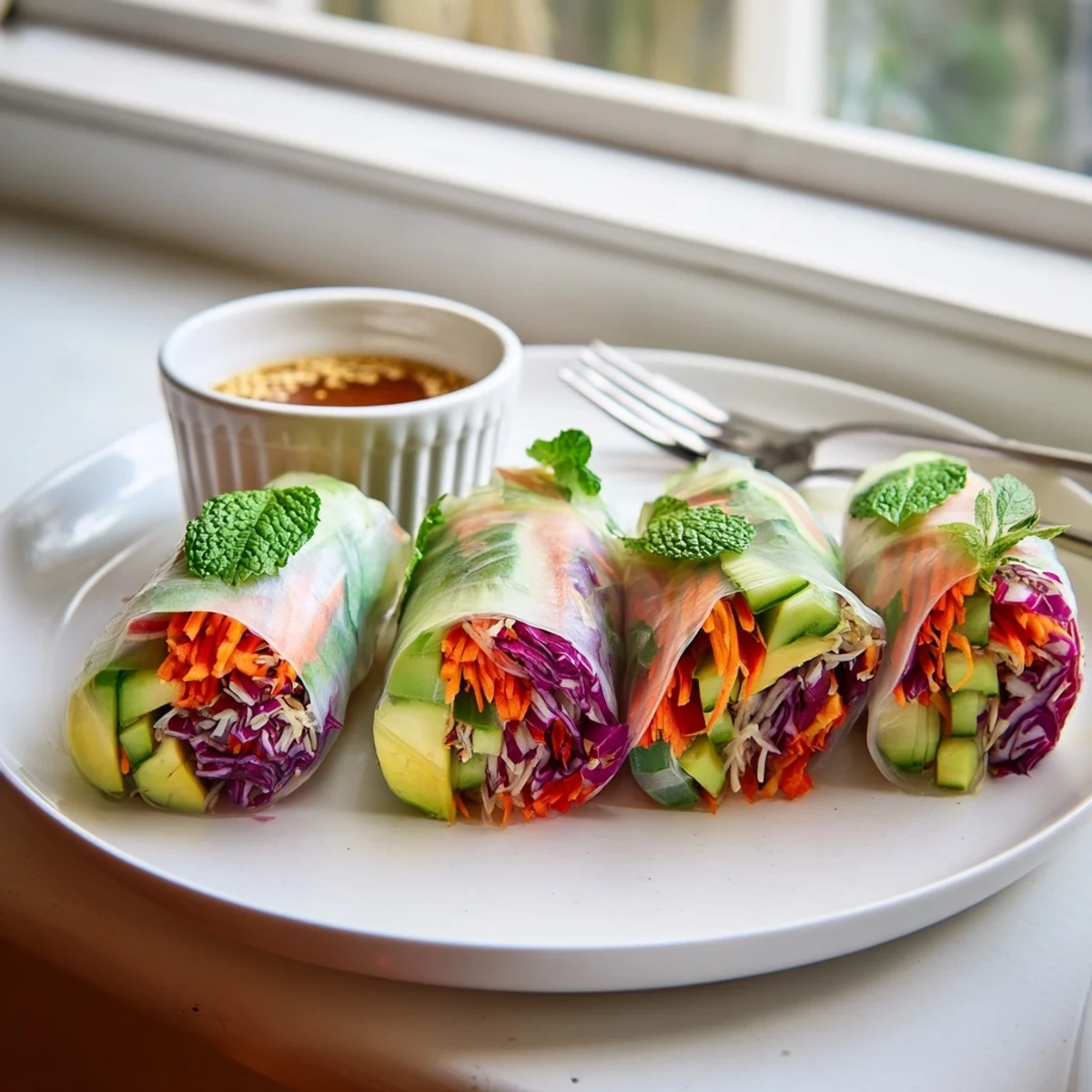
Save There is something quietly powerful about a dish that requires no oven, no stove, and almost no cleanup. On a night when cooking feels like too much, rolling these while listening to music might be exactly the kind of cooking your spirit needs.
When to Serve Them
These rolls shine brightest as a starter before a heavier main, or as the entire meal on a sweltering evening when appetite is low. Pack them in a container with a damp paper towel for a picnic and you will feel like the most prepared person on the blanket.
Getting the Roll Tight
The biggest struggle beginners face is ending up with a loose, floppy roll that falls apart on the first bite. The trick is resisting the urge to overfill. Less is genuinely more here, and a tightly rolled, modestly filled spring roll eats far better than a bursting one.
Making Them Your Own
Once you master the basic technique, this recipe becomes a canvas for whatever is in your refrigerator. The dipping sauce formula stays the same, but the filling can shift with the seasons, your mood, or whatever needs using up.
- Tuck in extra firm tofu strips or cooked shrimp if you want to make them more filling for heartier appetites.
- Add a drizzle of sriracha inside each roll if your crowd likes warmth alongside the freshness.
- Always assemble rolls the same day you plan to eat them for the best texture and flavor.
 Save
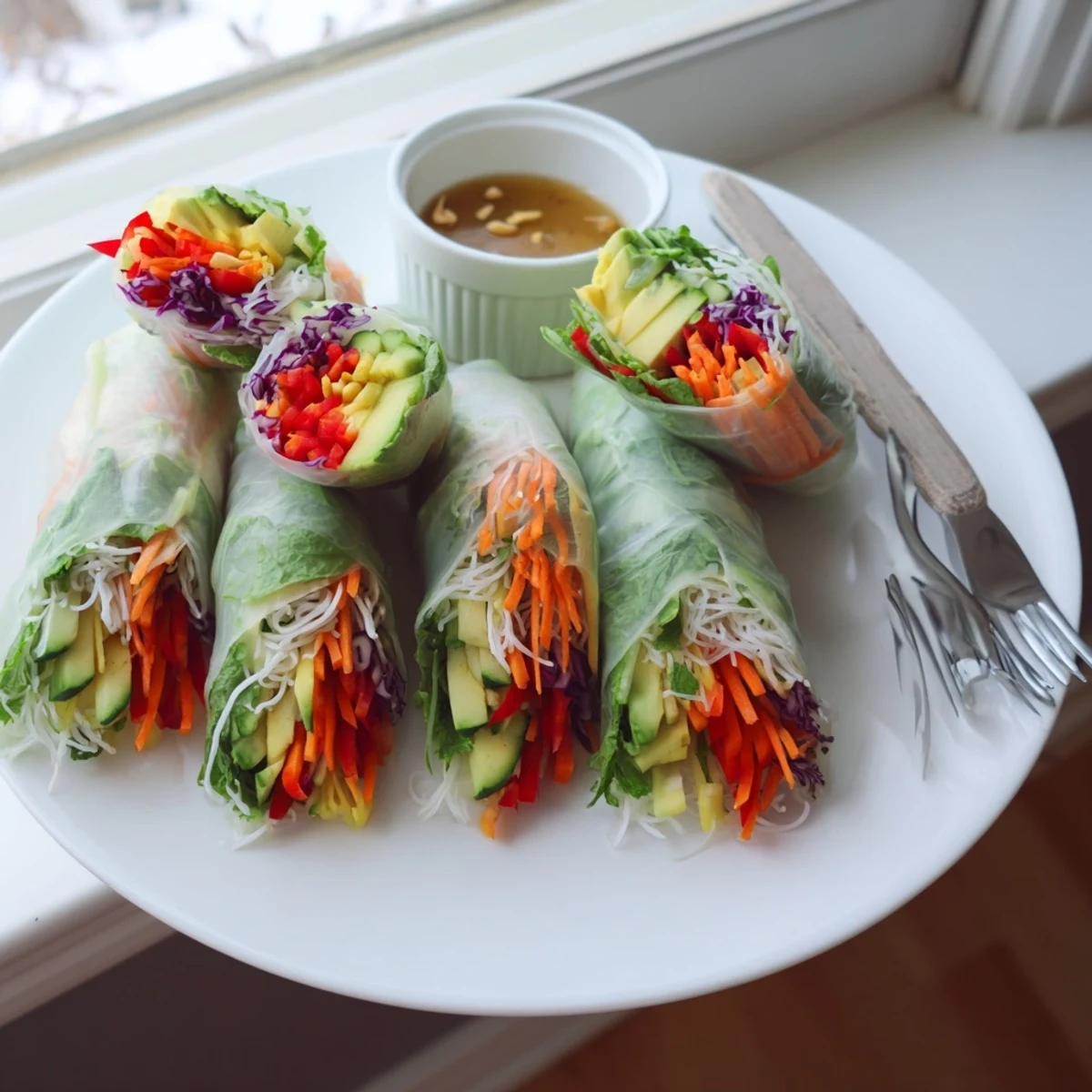
Save Every time I make these, I think about how the simplest dishes often leave the deepest impressions on the people gathered around your table. Roll a few extra, because someone always reaches for one more.
Recipe FAQs
- → How long should I soak rice paper wrappers?
-
Submerge each wrapper in warm water for about 10-15 seconds until pliable but not mushy. Work quickly — they will continue to soften on the board.
- → How do I keep fillings from making wrappers soggy?
-
Pat vegetables and noodles dry, use compact amounts of filling, add avocado last, and roll tightly. Serve soon after assembling to preserve crispness.
- → Can I prepare components ahead of time?
-
Yes. Julienne vegetables, cook and drain vermicelli, and mix the dipping sauce in advance. Assemble rolls just before serving and store covered with a damp towel for a few hours.
- → What are good protein additions?
-
Firm tofu (marinated or pan-seared) and cooked shrimp are excellent options. Slice thinly and add with the vegetables before rolling.
- → How can I make the dipping sauce nut-free?
-
Omit the chopped peanuts and use tamari or gluten-free soy sauce with rice vinegar, maple syrup and a touch of toasted sesame oil and fresh ginger for depth.
- → Any tips for rolling neatly?
-
Work on a large clean surface, arrange fillings near the lower third of the wrapper, fold the sides in first, then roll from the bottom like a burrito for a tight finish.