 Save
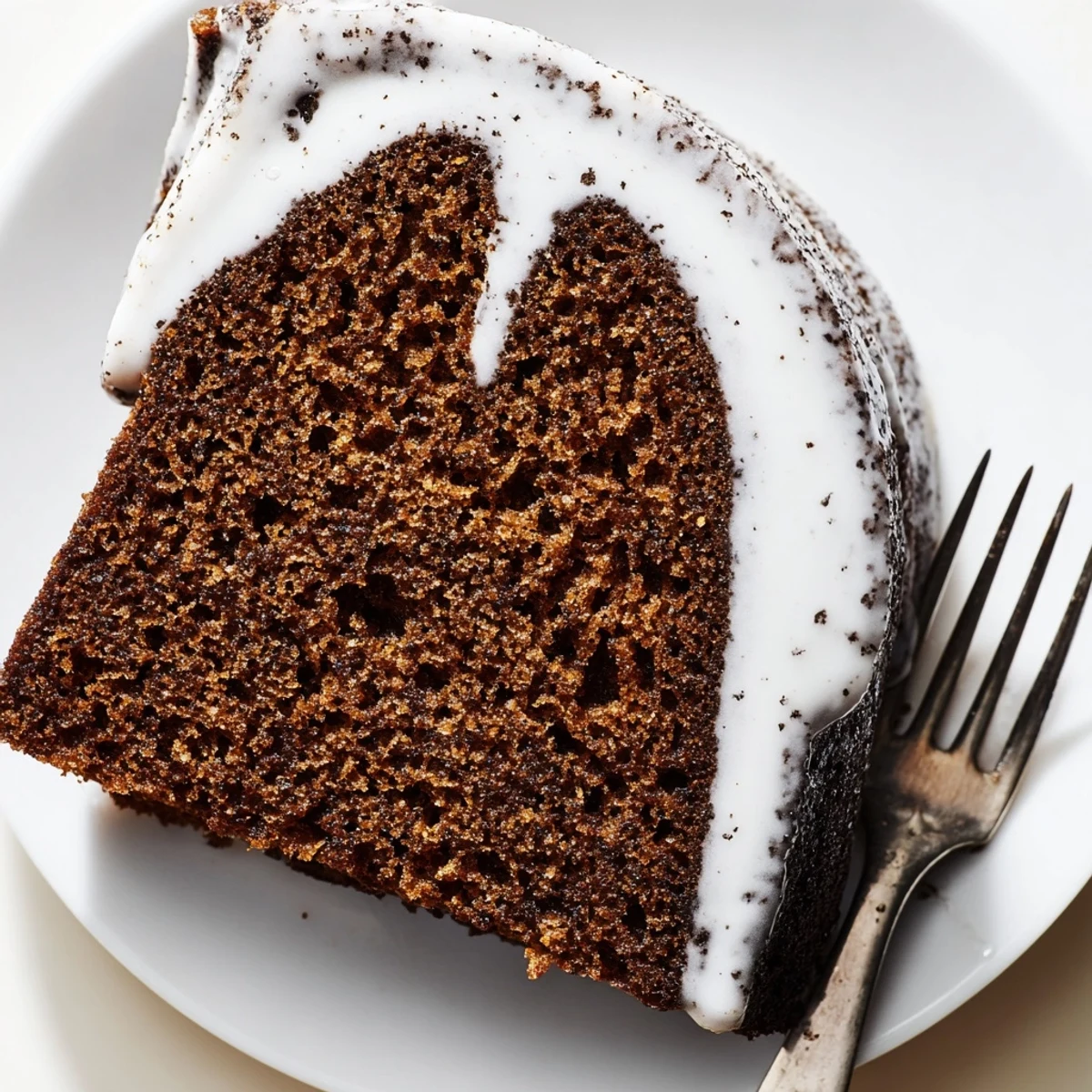
Save This moist Bundt cake blends warm gingerbread spices like ginger, cinnamon, cloves, and nutmeg for a fragrant aroma and rich flavor. The batter combines butter, oil, molasses, and buttermilk to ensure tenderness and depth. After baking, a smooth vanilla glaze is drizzled over the cooled cake, adding a sweet finish that complements the spices. Ideal for seasonal celebrations or a comforting treat, this spiced Bundt is easy to prepare and yields a delightful twelve servings.
There's something about the smell of molasses and cinnamon that fills a kitchen with instant warmth, even on the greyest afternoons. I first made this gingerbread Bundt cake on a whim, pulling jars of spices from the back of my cabinet and wondering if they'd all play nicely together. The result was a moist, fragrant cake that somehow tasted like comfort feels—rich without being heavy, spiced without being harsh. Now it's become my go-to when I need something that feels both special and genuinely homey.
I made this cake for a book club gathering on a November evening, and I remember my neighbor leaning against the counter, asking if she could take a slice home before anyone else even sat down. That's when I knew it had crossed from recipe into something people would actually request. The whole house smelled like a spice market had set up shop in my kitchen, and honestly, that was half the appeal.
Ingredients
- All-purpose flour (2 1/2 cups): The foundation—nothing fancy needed here, but make sure it's fresh and not packed down in the measuring cup.
- Baking powder and baking soda (1 tsp and 1/2 tsp): These work together to give the cake its tender crumb; don't skip either one or skip checking your expiration dates.
- Salt (1/2 teaspoon): A small amount that makes every spice taste more like itself.
- Ground ginger, cinnamon, cloves, nutmeg, and allspice (2 tsp, 1 1/2 tsp, 1/4 tsp, 1/4 tsp, 1/4 tsp): This is the heart of the cake—these five work in concert, so measure them straight from jars you trust, not old tins from the back of the cupboard.
- Unsalted butter (1/2 cup) and neutral oil (1/2 cup): The oil keeps the cake moist while the butter gives it flavor; together they're better than butter alone.
- Dark brown sugar (1 cup, packed): Pack it firmly into the measuring cup so you get the moisture and molasses notes the cake needs.
- Molasses (1/2 cup): The secret ingredient that makes this taste like genuine gingerbread instead of just a spiced cake.
- Eggs (3 large, room temperature): Room temperature eggs blend more smoothly and create a better crumb structure.
- Vanilla extract (1 teaspoon plus 1/2 teaspoon for the glaze): A small anchor that ties all those spices together.
- Buttermilk (1 cup, room temperature): The acidity reacts with the baking soda to create lift, and its tang balances the sweetness.
- Powdered sugar (1 cup, sifted): For the glaze—sifting removes lumps so it drizzles smooth and even.
- Milk (2–3 tablespoons): Adjust this to get the glaze to the right pourable consistency.
Instructions
- Prep your pan and preheat:
- Set the oven to 350°F and grease your Bundt pan thoroughly with butter or cooking spray, making sure to get into all the fluted edges and the center tube. Flour it generously, tapping out the excess—this is what keeps the cake from sticking to those delicate ridges.
- Combine your dry ingredients:
- Whisk the flour, baking powder, baking soda, salt, and all five spices together in a medium bowl. This step distributes the spices evenly so you don't end up with pockets of too much clove or too little ginger.
- Cream the butter mixture:
- In a large bowl, beat the softened butter, oil, and brown sugar together for about 3 minutes until the mixture looks light and fluffy—this is where the cake gets its tender structure. You're incorporating air, so take your time here.
- Add the molasses:
- Mix the molasses in thoroughly, scraping down the bowl as needed. The mixture might look a bit curdled at first, but keep mixing and it will come together.
- Add the eggs:
- Add each egg one at a time, beating well after each addition. This helps them emulsify into the mixture rather than creating streaks of yolk.
- Mix in the vanilla:
- Add the vanilla extract and mix just to combine.
- Add the dry ingredients in stages:
- Add half the flour mixture on low speed and mix until just barely combined—you should still see some streaks of flour. Then pour in the buttermilk and mix gently, then add the remaining flour mixture and mix on low until just smooth. Overmixing develops gluten and makes the cake tough, so resist the urge to beat it longer than needed.
- Fill the pan:
- Pour the batter evenly into the prepared Bundt pan and smooth the top gently with a spatula.
- Bake:
- Bake for 40–50 minutes, checking for doneness by inserting a skewer into the thickest part of the cake (avoiding the seams where it bakes fastest). When it comes out clean or with just a few moist crumbs, the cake is ready.
- Cool and unmold:
- Let the cake sit in the pan for 15 minutes—this allows it to set slightly while still being warm enough to release easily. Then run a thin knife around the edges, place a cooling rack over the top, and carefully flip the whole thing so the cake lands on the rack. Let it cool completely before glazing.
- Make and apply the glaze:
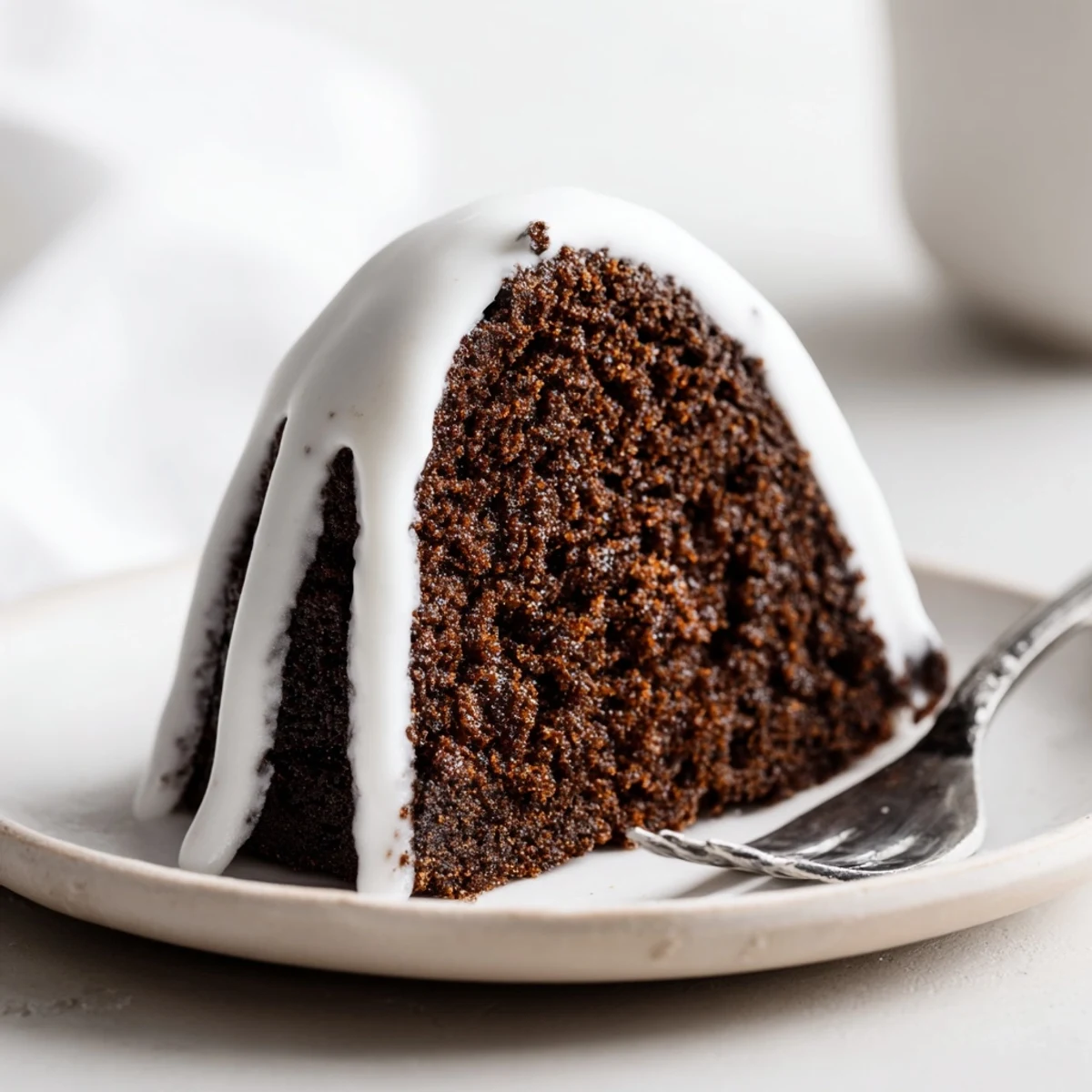
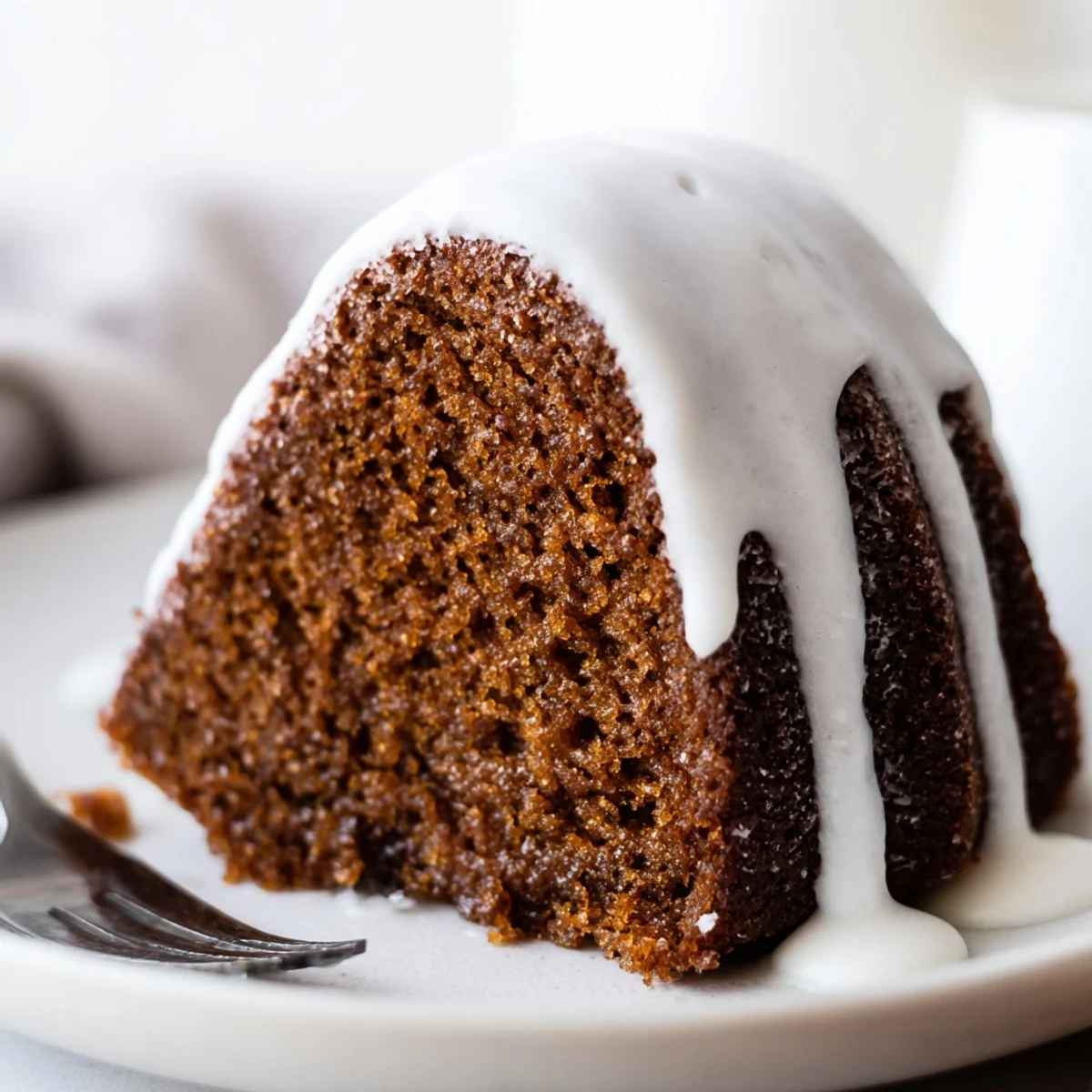
- Whisk together the powdered sugar, milk, and vanilla extract until smooth and slightly thick but still pourable. Drizzle it over the cooled cake, letting it run down the fluted sides naturally—it's more elegant that way. Let the glaze set for a few minutes before slicing.
 Save
Save I once brought a still-warm slice of this cake to my grandmother along with a cup of chai tea, and she closed her eyes for a moment after the first bite. That small gesture—bringing her something warm and spiced on a cold day—turned the cake into something bigger than dessert. It became a way of saying I remembered how she likes things, a moment of care baked into butter and molasses.
Why This Cake Works Every Time
The combination of butter and oil is deliberate—butter alone would make a denser, greasier crumb, while oil alone would taste flat. Together they create something moist and tender that stays that way for days. The molasses isn't just flavoring; it's actually a hygroscopic ingredient, meaning it draws moisture from the air and keeps the cake from drying out even as it sits on your counter. That's why this cake is better on day two or three than it is fresh from the oven.
The Spice Balance and Your Palate
The five spices work in layers—the ginger hits first with its bright heat, then the cinnamon rounds out the middle notes, while cloves and nutmeg add depth and warmth in the background. Allspice ties them all together with a subtle sweetness. If you prefer a spicier cake, increase the ginger slightly, but go easy on the cloves; they can quickly overpower everything else if you add too much.
Make It Your Own
This cake has built-in flexibility that lets you play without breaking anything. The molasses gives it a deep base note that's hard to mess up, and the spices are forgiving enough that small adjustments won't derail the whole thing. I've added everything from a half-cup of chopped crystallized ginger to a tablespoon of fresh grated ginger, and each version works.
- Try adding 1/2 cup of finely chopped crystallized ginger into the batter for a more intense, chewy ginger kick.
- Stir some orange zest into the glaze instead of the plain milk version—it's a small change that feels sophisticated and surprising.
- Serve it with vanilla ice cream or whipped cream if you want something that feels festive and indulgent, or just eat it plain with coffee if you want to taste every single spice.
 Save
Save This is the kind of cake that tastes like it took all day but actually comes together in under two hours from start to finish. It's the cake you make when you want to feel like you've done something special without the stress, and somehow it always tastes like home.
Recipe FAQs
- → What spices are used to flavor the Bundt cake?
-
The cake features ground ginger, cinnamon, cloves, nutmeg, and allspice for a warm, aromatic blend.
- → Can I add any extras to enhance the flavor?
-
Adding chopped crystallized ginger to the batter boosts spice and texture, while orange zest in the glaze adds a citrus brightness.
- → What baking pan is recommended for this cake?
-
A 10–12 cup Bundt pan is ideal to achieve the signature shape and even baking.
- → How is the glaze prepared?
-
The glaze combines powdered sugar, milk, and vanilla extract whisked until smooth and pourable, then drizzled over the cooled cake.
- → Are there any allergen considerations?
-
This cake contains wheat, eggs, and dairy; always verify ingredient labels for potential allergies.
- → What serving suggestions complement this Bundt cake?
-
It pairs well with whipped cream, vanilla ice cream, dessert wines, or spiced chai tea for a complete experience.