
 Save
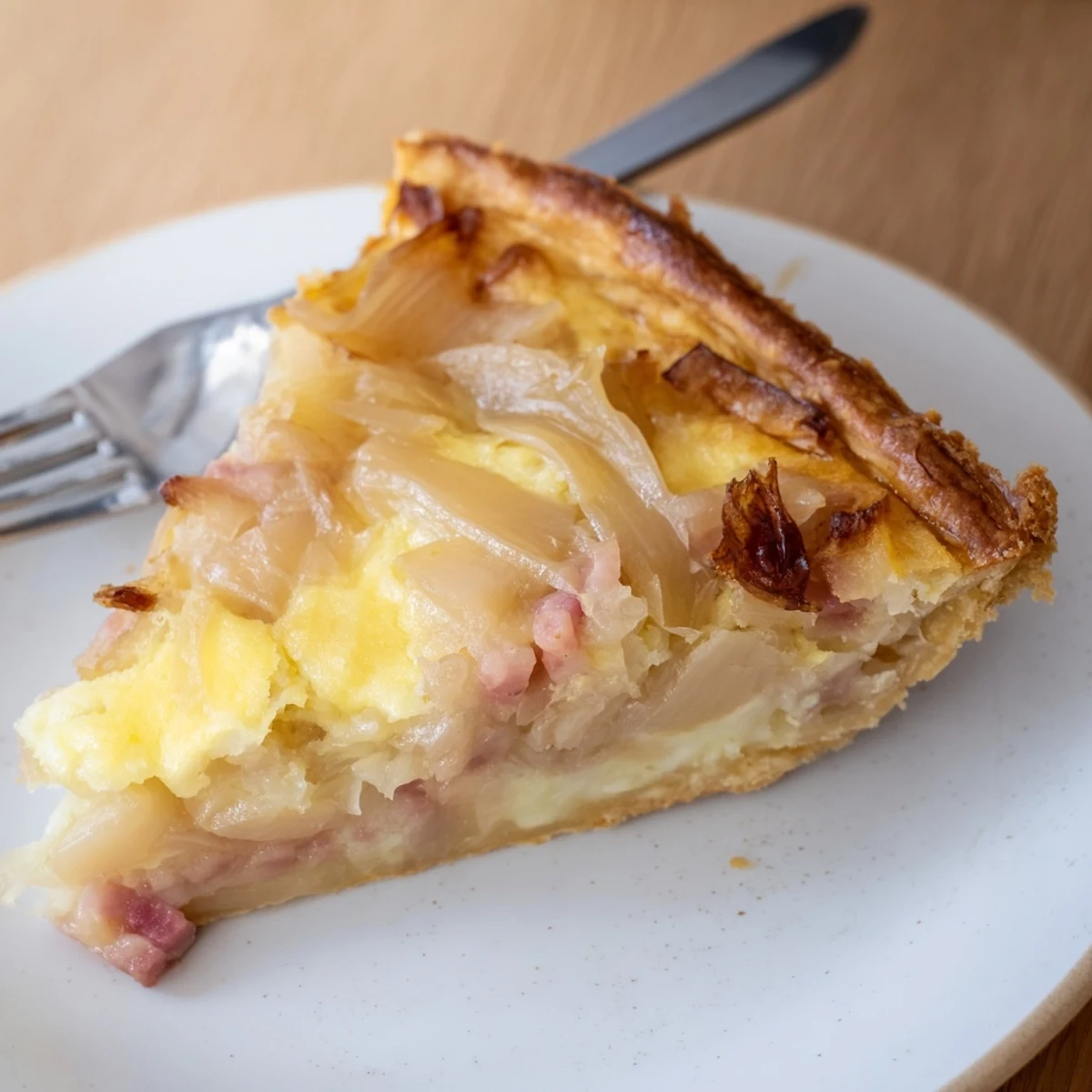
Save This traditional German savory tart combines slowly caramelized onions with smoky bacon in a rich, custard-like filling. The crisp pastry base provides the perfect foundation for the velvety mixture of cream, eggs, and melted Emmental cheese. Seasoned with caraway seeds, nutmeg, and black pepper, each slice delivers layers of sweet and savory flavors that epitomize hearty German comfort food.
The first time I encountered zwiebelkuchen was at a cramped little wine tavern in Heidelberg, where steam fogged the windows and locals stood at wooden tables sharing plates. I watched an elderly woman in a plaid shirt slice through something golden and tender, and the aroma of caramelized onions and bacon hit me before I even asked what it was. She told me it was traditional harvest food, meant to be eaten with the season's first new wine. I went home and spent three weekends trying to recreate that memory before I got close enough.
Last October, I made this for my father's birthday dinner after he'd spent months telling me about his semester abroad in Munich. He took one bite and went completely silent, then started laughing about how he'd forgotten how caraway seeds change everything. We ate it standing up in the kitchen while the rain pounded against the windowpane, just like those German taverns he kept describing.
Ingredients
- All-purpose flour: I keep my flour in the freezer for pastry, it makes such a difference in preventing the butter from warming up too fast while you work
- Unsalted butter: Really cold butter is non-negotiable here, those tiny visible pockets of butter are what create flaky layers
- Yellow onions: I've tried red onions and sweet onions, but plain yellow onions caramelize into the most balanced sweetness without becoming sugary
- Thick-cut bacon: Thick-cut holds its texture better during the long bake, plus you get those satisfying chewy bits in every forkful
- Caraway seeds: These are controversial but absolutely traditional, start with half the amount if you are uncertain
- Freshly grated nutmeg: Pre-ground nutmeg loses its magic within weeks, buy whole nuts and grate them directly into the onion mixture
- Emmental or Gruyère: Either works beautifully, but I spring for Gruyère when I want something extra nutty and complex
Instructions
- Make the pastry dough:
- Combine flour and salt in a large bowl, then work in cold butter with your fingertips until you see pea-sized crumbs throughout. Mix in the egg and just enough cold water to bring everything together, then form it into a disk and let it rest in the refrigerator.
- Prep your crust:
- Roll the chilled dough on a lightly floured surface until it is large enough to fit your tart pan, then gently press it into place and trim any overhanging edges. Prick the bottom all over with a fork and return it to the refrigerator while you prepare the filling.
- Caramelize the onions:
- Melt butter in a large skillet over medium heat and cook the bacon until it is just crisp. Add the sliced onions and cook them slowly, stirring frequently, until they turn deep golden and completely tender, then season with caraway, salt, pepper, and nutmeg.
- Whisk the custard:
- Combine heavy cream, whole milk, eggs, and grated cheese in a bowl, whisking until the mixture is completely smooth and frothy.
- Assemble and bake:
- Spread the onion mixture evenly over the chilled crust, pour the custard over top, and bake until the filling is set and the surface is golden brown.
 Save
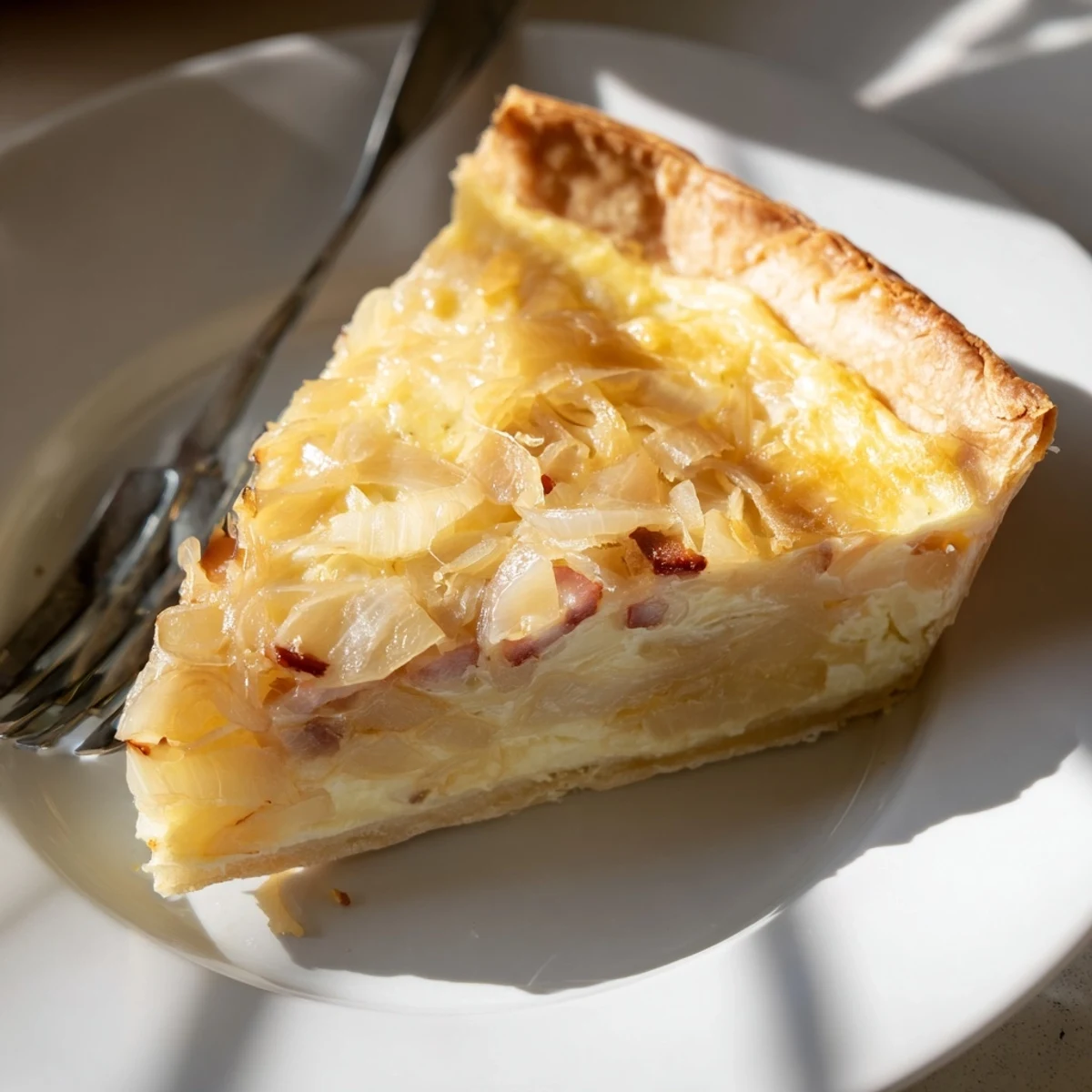
Save This recipe has become my go-to for the kind of autumn afternoon that starts with crisp sunshine and ends with sweater weather. There is something about the way the house smells while the onions slowly cook down that makes everyone drift into the kitchen, asking what time we are eating.
Make It Vegetarian
I have served this to vegetarian friends using smoked tofu in place of bacon, and honestly, the smoky flavor works so well that nobody missed the meat. You could also increase the cheese or add sautéed mushrooms for extra depth.
Perfect Wine Pairings
Traditional zwiebelkuchen is served with new wine, but a dry Riesling cuts through the richness beautifully. A crisp German pilsner works just as well if you prefer beer over wine.
Make-Ahead Strategy
The pastry dough benefits from an overnight rest in the refrigerator, and the onions actually taste better if they are cooked a day ahead. You can fully assemble the tart several hours before baking and keep it refrigerated until you are ready to put it in the oven.
- Let the pastry soften for ten minutes at room temperature before rolling if you have chilled it overnight
- Warm the leftover onions slightly before spreading them in the crust, they will blend better with the custard
- The finished tart keeps well for two days and reheats beautifully in a low oven
 Save
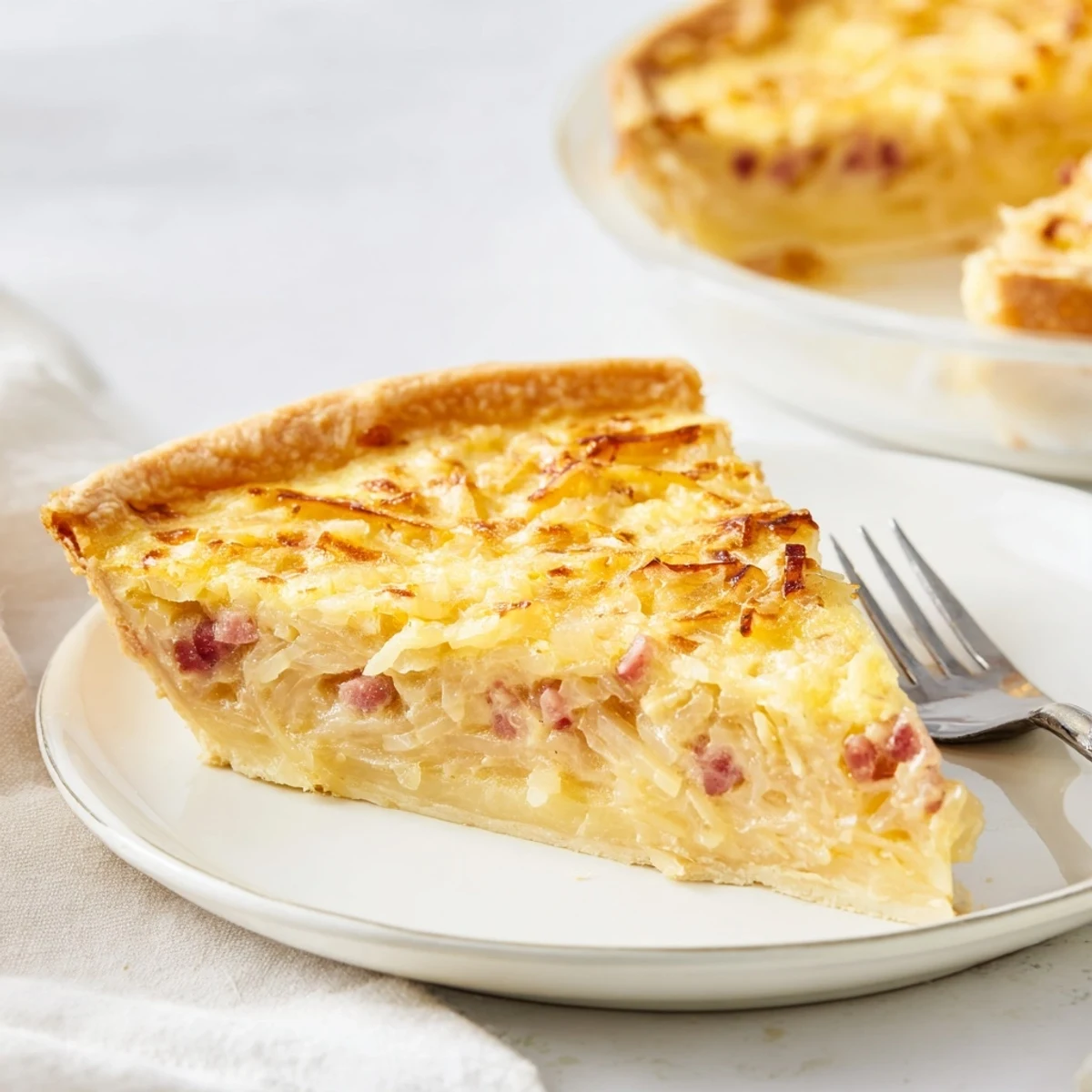
Save There is something deeply comforting about a dish that transforms humble onions into something this special.
Recipe FAQs
- → What makes German onion pie authentic?
-
Authentic German onion pie features slowly caramelized yellow onions, caraway seeds for distinctive flavor, and a creamy custard filling made with heavy cream, milk, eggs, and Swiss-style cheese like Emmental or Gruyère. The combination of sweet onions and savory bacon creates the traditional taste profile.
- → Can I make this vegetarian?
-
Yes, simply omit the bacon or substitute it with smoked tofu for a vegetarian version. You can also add extra cheese or mushrooms to enhance the umami flavor that bacon typically provides.
- → What should I serve with German onion pie?
-
Traditional pairings include a crisp green salad, sauerkraut, or German potato salad. For beverages, serve with a dry Riesling, Gewürztraminer, or Federweißer to complement the rich, savory flavors.
- → How do I prevent a soggy bottom crust?
-
Chill the prepared pastry crust before adding the filling. Pricking the base with a fork helps steam escape. Avoid overloading with onions, and ensure the onion mixture has cooled slightly before pouring in the custard.
- → Can German onion pie be made ahead?
-
Yes, you can prepare the pastry dough and caramelize the onions up to a day in advance. Assemble and bake just before serving for the best texture. Leftovers reheat well in a 350°F oven for 10-15 minutes.
- → What is the difference between Zwiebelkuchen and German onion pie?
-
Zwiebelkuchen is the German name for this traditional onion tart, commonly found in southwest Germany. It's typically made with a yeast dough, while this version uses a buttery pastry crust for a crispier texture that many home bakers prefer.