
 Save
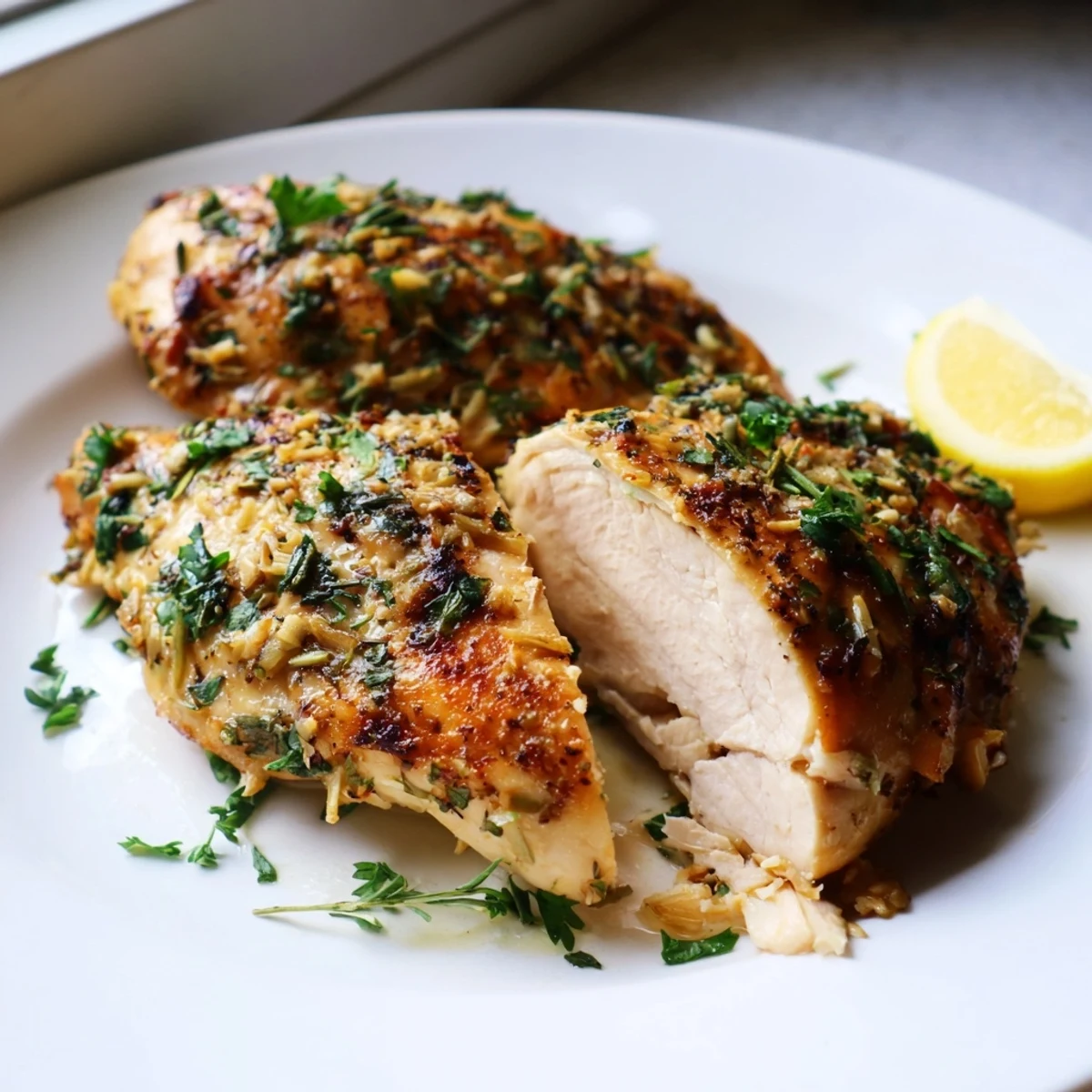
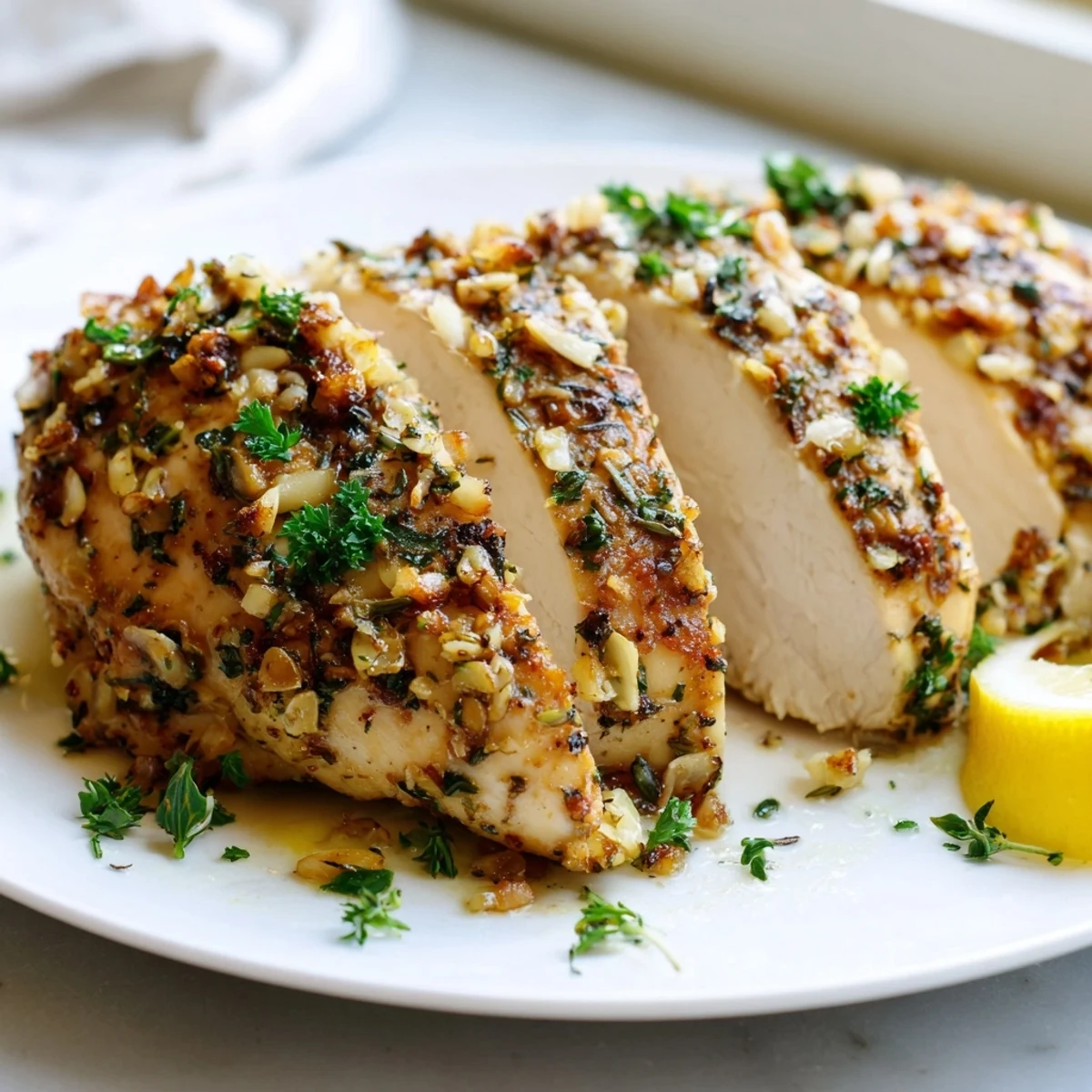
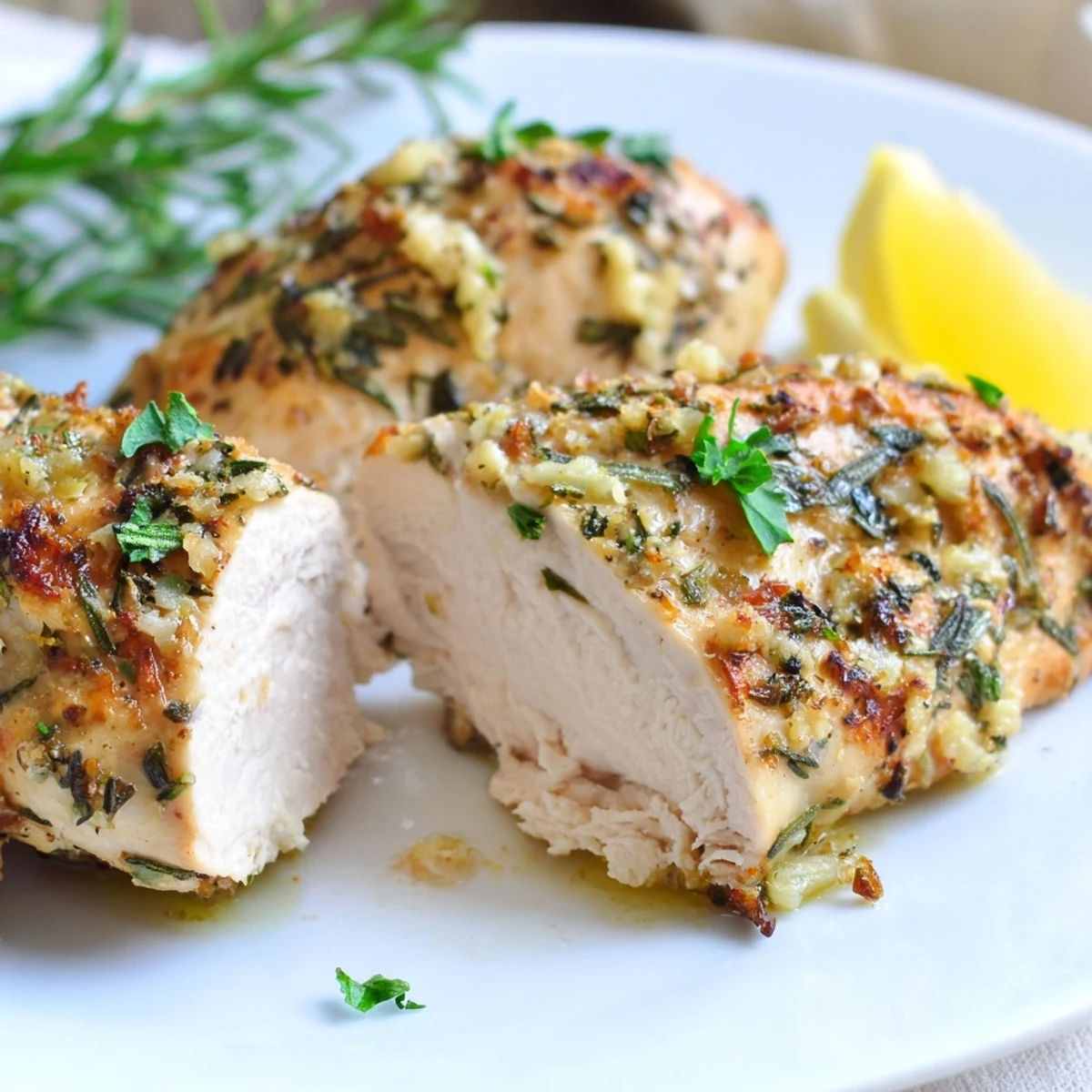
Save This garlic herb chicken features boneless breasts coated in a vibrant marinade of minced garlic, fresh rosemary, thyme, parsley, and bright lemon zest. After a brief 15-minute prep, the chicken roasts at 200°C for 25–30 minutes until golden and cooked through.
The result is incredibly juicy, flavorful chicken with a fragrant herb crust that pairs beautifully with roasted vegetables, salad, or steamed rice. It's naturally gluten-free and low in carbs, making it a versatile main dish for weeknight dinners or casual entertaining.
For even more tenderness, marinate the chicken for up to 4 hours in the refrigerator before roasting.
The smell of garlic hitting olive oil is my personal doorbell for dinner, and nobody in my house ignores it. One Tuesday evening, rain streaking the windows, I threw together a handful of herbs from the windowsill pot and decided the chicken needed nothing else. That impulsive little marinade turned a bleak weeknight into something my partner still brings up when the sky turns gray. It is humble, fragrant, and exactly the kind of meal that makes you close your eyes at the first bite.
I made this for my neighbor Sarah after she had her second baby, and she texted me at midnight saying she ate the entire container cold straight from the fridge. There is something about the way rosemary and lemon settle into chicken overnight that turns simple into unforgettable. Now it is my default meal for anyone who needs a little warmth delivered to their door.
Ingredients
- 4 boneless, skinless chicken breasts (about 150 g each): Try to buy evenly sized pieces so they finish cooking at the same time, avoiding the dreaded half dry, half raw situation.
- 3 tablespoons olive oil: This carries every bit of flavor into the meat, so use something you genuinely enjoy tasting.
- 4 garlic cloves, minced: Fresh is nonnegotiable here because the jarred stuff fades into nothing once roasted.
- 1 tablespoon fresh rosemary, finely chopped (or 1 teaspoon dried): Strip the needles backward off the stem and chop aggressively for maximum fragrance release.
- 1 tablespoon fresh thyme leaves (or 1 teaspoon dried): Thyme adds a subtle earthy sweetness that makes people wonder what your secret ingredient is.
- 1 tablespoon fresh parsley, finely chopped: Save a little extra for garnish because bright green finish makes everything taste better before you even take a bite.
- Zest of 1 lemon: Zest before you juice, and stop at the yellow because the white pith will introduce bitterness.
- 1 tablespoon lemon juice: Acid brightens every herb and cuts through the richness of the chicken perfectly.
- 1 teaspoon salt: This minimum amount seasons the surface well, but you can adjust after tasting the finished dish.
- 1/2 teaspoon black pepper: Freshly cracked makes a genuine difference that guests will notice.
- Extra chopped parsley and lemon wedges for garnish (optional): A squeeze of lemon at the table wakes up leftovers beautifully the next day.
Instructions
- Warm the stage:
- Preheat your oven to 200 degrees Celsius (400 degrees Fahrenheit) and let it come fully to temperature while you prepare the chicken. A properly heated oven creates that golden, slightly caramelized exterior.
- Build the marinade:
- In a small bowl, stir together the olive oil, garlic, rosemary, thyme, parsley, lemon zest, lemon juice, salt, and pepper until the mixture smells impossibly good. Let it sit for a minute so the dried herbs can start blooming in the oil.
- Prep the chicken:
- Pat each chicken breast dry with paper towels because moisture is the enemy of a good crust. Rub the marinade over every surface with your hands, pressing gently so the herbs adhere to the meat.
- Arrange for roasting:
- Place the coated breasts on a parchment lined baking sheet or in a baking dish, leaving space between them for hot air to circulate. Crowding the pan leads to steaming instead of roasting.
- Bake until golden:
- Roast for 25 to 30 minutes until the internal temperature hits 74 degrees Celsius (165 degrees Fahrenheit) and the juices run completely clear. The edges should look lightly golden and slightly crisp.
- Let it rest:
- Remove the chicken from the oven and let it sit undisturbed for 5 full minutes so the juices redistribute through the meat. Skipping this step means all that beautiful moisture ends up on your cutting board.
- Serve with flair:
- Scatter extra parsley over the top and tuck lemon wedges alongside for a final burst of freshness right before serving.
 Save
Save The night I served this to my father in law, a man who considers salt a bold spice, he went back for seconds without saying a word. That silence, followed by the scrape of a clean plate, told me everything I needed to know about the power of simple food done right.
What to Serve Alongside
This chicken plays beautifully with roasted carrots, a pile of garlicky greens, or even just a loaf of crusty bread to soak up the pan juices. I have tossed the leftovers into grain bowls, tucked them into sandwiches, and once folded slices into a frittata the next morning. The herb flavor is versatile enough to lean into almost any side you are craving.
Fresh Versus Dried Herbs
Fresh herbs give you a brighter, more vibrant result, but dried herbs are a perfectly respectable backup when your grocery store has a sad herb selection or your windowsill plants have given up. The conversion is roughly one tablespoon fresh to one teaspoon dried, and you should rub dried herbs between your palms before adding them to wake up the oils.
Making It Your Own
Once you trust the base recipe, start riffing based on whatever is in your kitchen. Swap lemon for orange zest, throw in a pinch of smoked paprika, or add a tablespoon of melted butter to the marinade for extra richness. Some of my favorite dinners started as a desperate scan of the pantry.
- A teaspoon of Dijon mustard blended into the marinade adds tang and helps the herbs stick even better.
- Smashed cherry tomatoes scattered around the chicken on the baking sheet roast into sweet little bombs of sauce.
- Always taste the finished marinade on your finger before coating the chicken so you can adjust salt or acid to your liking.
 Save
Save Keep this recipe close because it will save you on more nights than you expect, and the smell alone is worth making it. Your kitchen is about to become the most popular room in the house.
Recipe FAQs
- → Can I use dried herbs instead of fresh ones?
-
Yes, you can substitute dried herbs for fresh. Use one teaspoon of each dried herb in place of one tablespoon of fresh. Dried rosemary, thyme, and parsley all work well in this marinade.
- → What internal temperature should the chicken reach?
-
The chicken is fully cooked and safe to eat when the internal temperature reaches 74°C (165°F). Use a meat thermometer inserted into the thickest part of the breast for an accurate reading.
- → How long should I marinate the chicken?
-
You can coat and cook the chicken immediately, but for extra juiciness and flavor, marinate it in the refrigerator for up to 4 hours before roasting. Even 30 minutes makes a noticeable difference.
- → What sides go well with garlic herb chicken?
-
This dish pairs wonderfully with roasted vegetables like potatoes and carrots, a crisp green salad, steamed rice, or crusty bread. For a low-carb option, try cauliflower rice or grilled asparagus.
- → Can I use chicken thighs instead of breasts?
-
Absolutely. Boneless, skinless chicken thighs work great and tend to stay even juicier. Adjust the roasting time slightly, as thighs may need an extra 5–10 minutes to cook through properly.
- → How should I store and reheat leftovers?
-
Store leftover chicken in an airtight container in the refrigerator for up to 3 days. Reheat gently in the oven at 160°C (325°F) covered with foil to prevent drying out, or microwave in short intervals.