
 Save
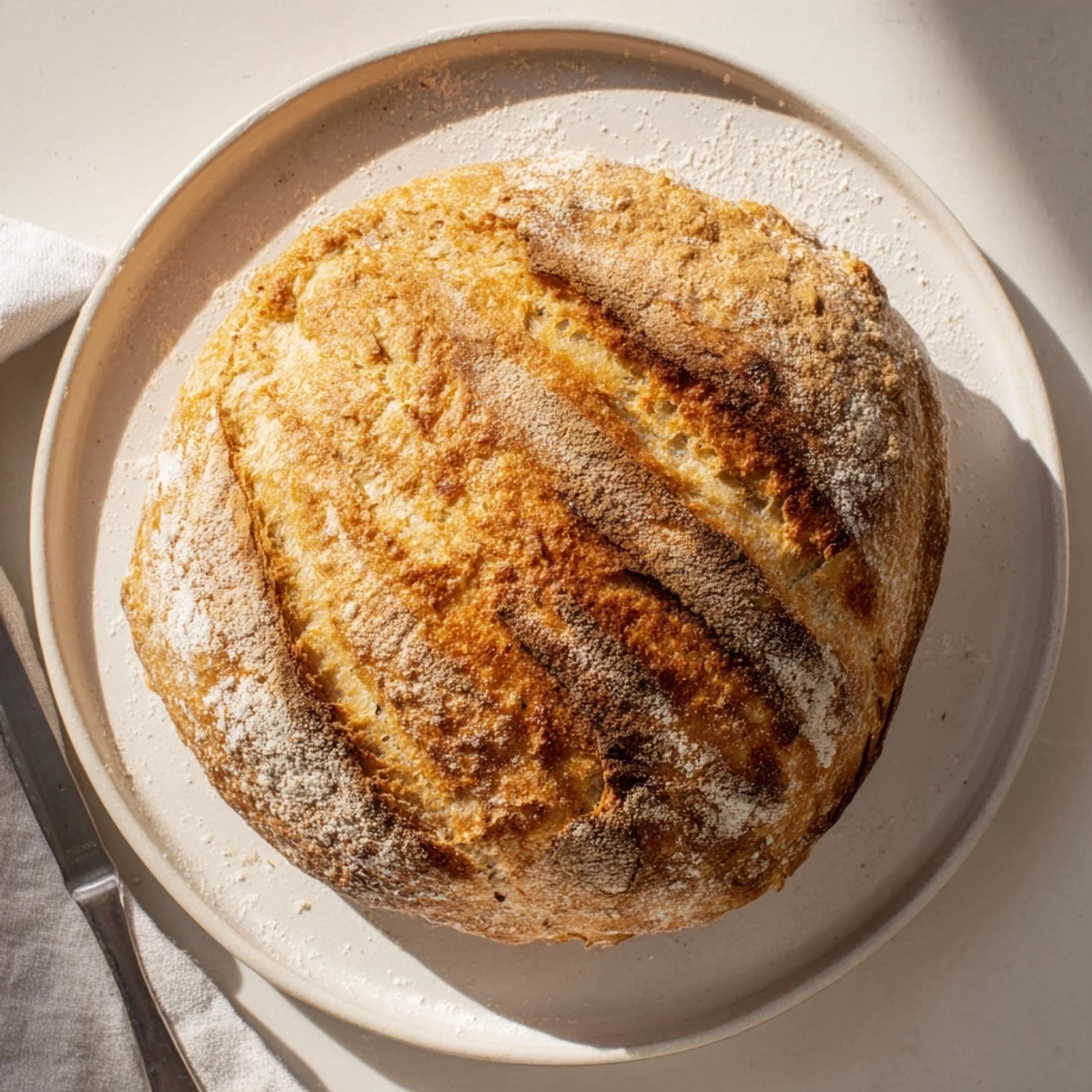
Save Craft a beautiful crusty loaf using flour, water, yeast, and salt. This European-style bread rises in just 2 hours, developing complex flavors and a professional bakery appearance. The high-temperature baking method creates a crackly, golden crust while keeping the interior tender and airy. Perfect for serving with soups, creating sandwiches, or enjoying warm with butter.
The smell of fresh bread has been my favorite alarm clock since college when I figured out that mixing flour, water, and yeast could actually work. This rustic loaf came from one particularly snowy weekend when I refused to go to the store but desperately wanted something warm to dip into my tomato soup.
I made six loaves that first week, giving them to anyone who would take them. My neighbor texted me three days later asking if I had started a bakery, which I took as the highest compliment possible.
Ingredients
- Bread flour: The higher protein content creates that satisfying chewy texture and helps the loaf rise beautifully
- Instant dry yeast: Dissolves straight into the flour without proofing, making this recipe even simpler
- Lukewarm water: Should feel like bath temperature, about 100°F, to activate the yeast without killing it
- Salt: Enhances flavor and strengthens the gluten structure for better rising
Instructions
- Mix the dough:
- Combine flour, salt, and yeast in a large bowl. Pour in the water and stir until it forms a shaggy, sticky dough that looks messy but holds together.
- Let it rise:
- Cover your bowl with plastic wrap or a damp towel. Walk away for 1 to 2 hours until the dough has puffed up to at least double its size.
- Shape the loaf:
- Flour your hands and work surface, then fold the edges of the dough underneath to create a rough ball. Place it on parchment paper seam side down and rest for 30 minutes.
- Bake with steam:
- Preheat your oven to 450°F with a Dutch oven inside if you have one. Transfer the dough with parchment, score the top with a sharp knife, and bake covered for 25 minutes.
- Create the crust:
- Remove the lid and bake for 15 more minutes until the crust turns deep golden brown and the loaf sounds hollow when tapped on the bottom.
 Save
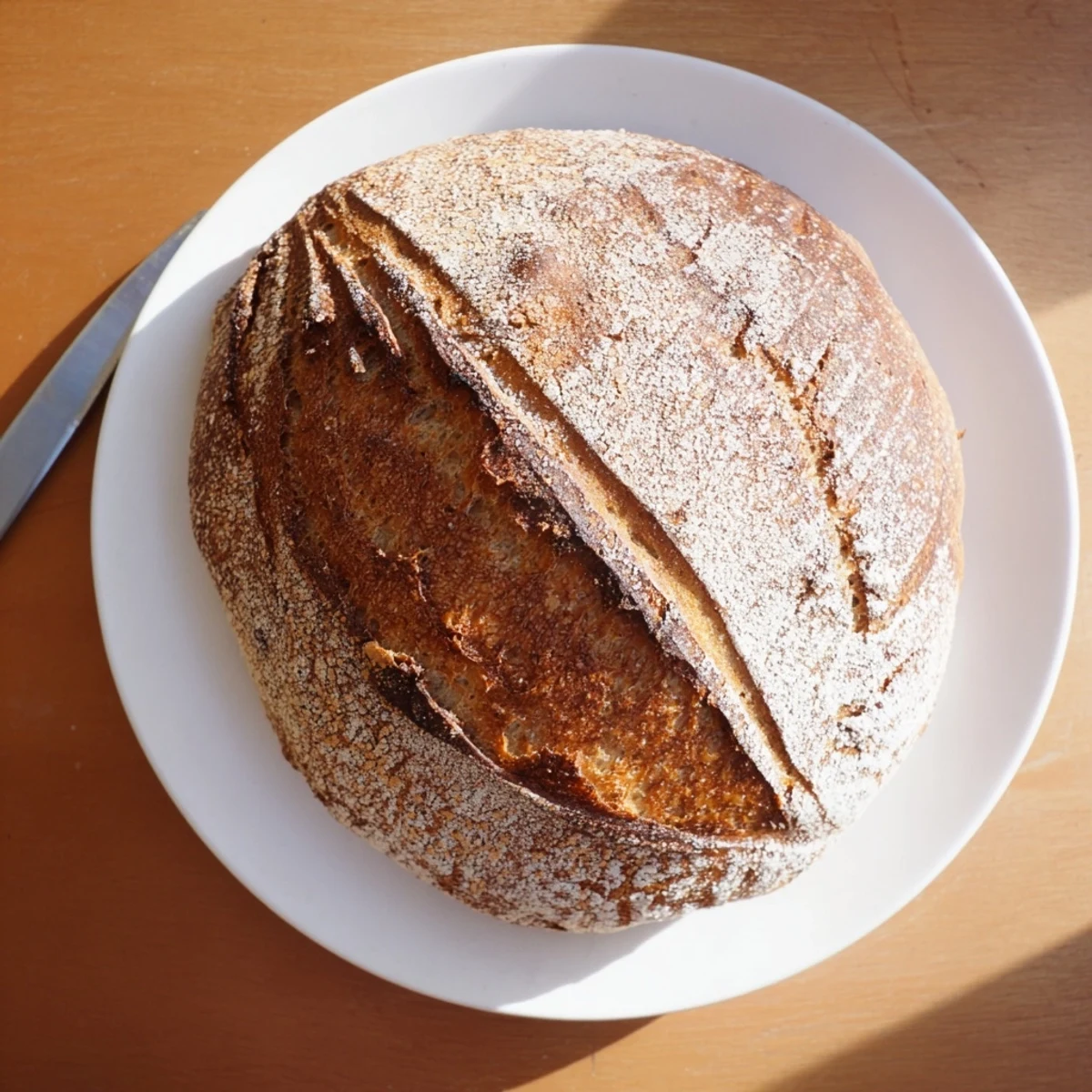
Save My sister now makes this every Sunday morning, and her three kids fight over who gets the heel. There is something magical about placing a warm homemade bread basket on the dinner table.
The No Dutch Oven Method
I baked this bread for months without any special equipment. A heavy baking sheet or pizza stone works perfectly fine, just place a metal pan of hot water on the bottom rack to create steam.
Flavor Variations
Once you master the basic recipe, try mixing in fresh rosemary, chopped olives, or roasted garlic. The dough handles additions beautifully as long as you keep the flour to water ratio consistent.
Storage and Freshness
This bread keeps surprisingly well. Store it cut side down on a cutting board for up to 2 days, or freeze slices for longer storage.
- Revive day old bread by sprinkling with water and reheating at 350°F for 10 minutes
- The crust softens in paper bags, while plastic keeps it moist but loses the crunch
- Toasted leftovers make incredible croutons for soups and salads
 Save
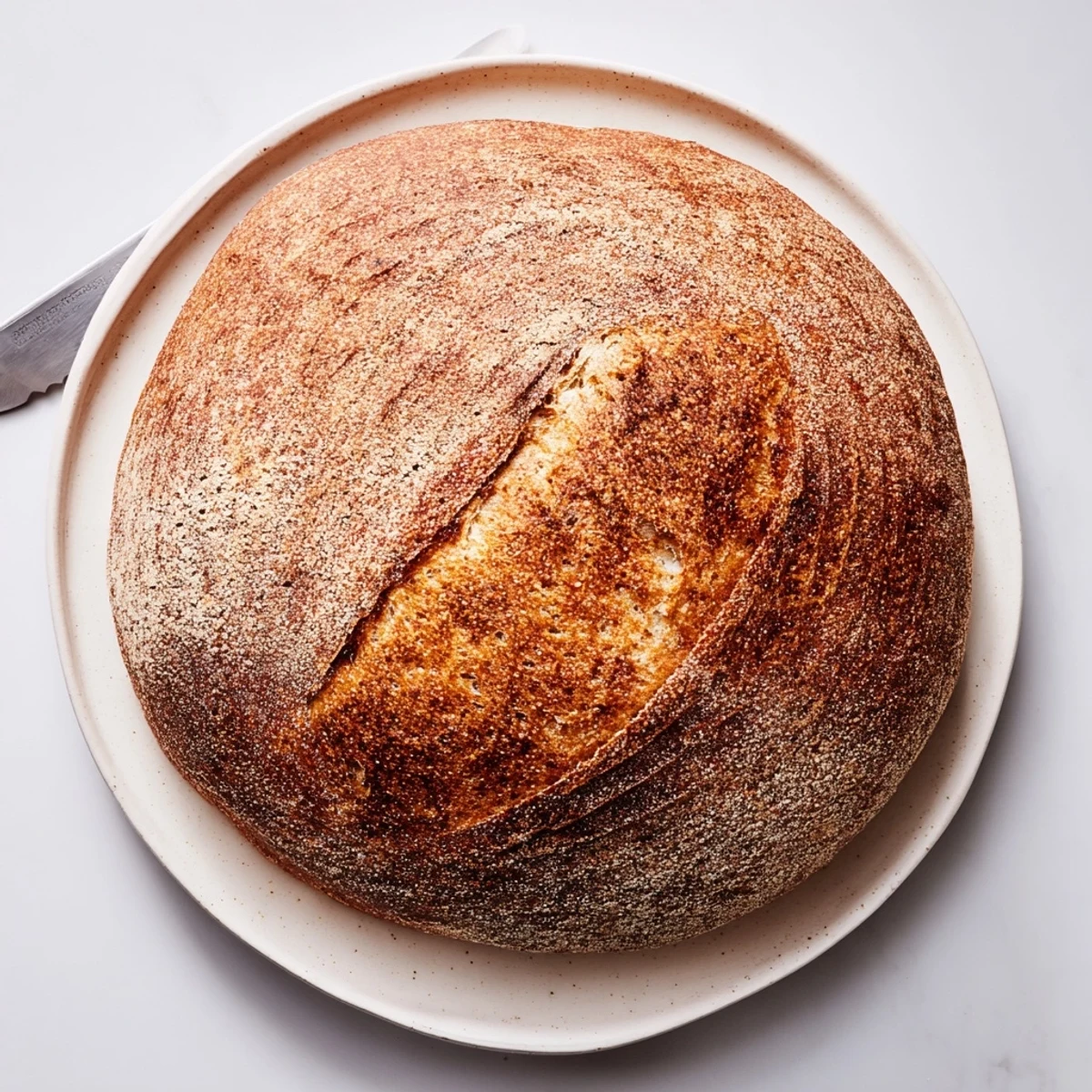
Save There is nothing quite like tearing into a loaf you created yourself. Happy baking, friend.
Recipe FAQs
- → What makes this bread rustic?
-
The rustic character comes from the high-heat baking method, which creates a thick, crackly crust and an open, airy crumb structure typical of traditional European village loaves.
- → Can I make this without a Dutch oven?
-
Yes, a heavy baking sheet or pizza stone works well. Preheat thoroughly to create the steam effect needed for proper crust development.
- → Why does the dough need to rise twice?
-
The initial rise develops flavor and gluten structure, while the 30-minute rest before baking helps the dough hold its shape and creates better oven spring.
- → How do I know when the loaf is done?
-
The crust should be deep golden brown, and the bottom should sound hollow when tapped. An instant thermometer inserted into the center should read 200°F.
- → Can I add mix-ins like herbs or cheese?
-
Absolutely. Rosemary, thyme, grated garlic, or shredded cheese can be folded in during step 2. Keep additions under 1/2 cup total to maintain proper dough structure.