
 Save
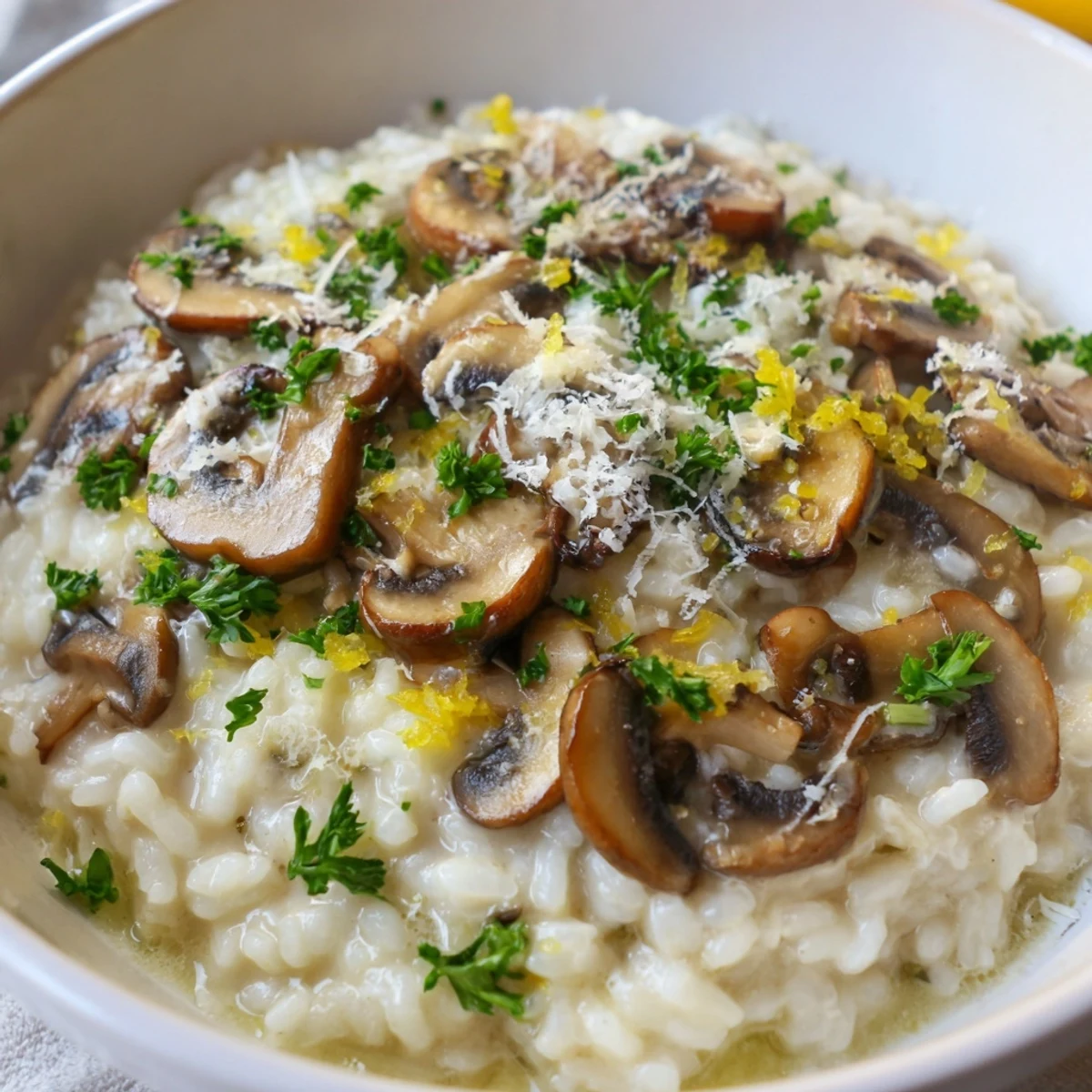
Save This dish features Arborio rice cooked gently in warm vegetable broth and white wine, absorbing flavors to create a creamy texture. Sautéed mushrooms add earthiness, while butter, Parmesan, and a touch of cream enrich the risotto. Fresh parsley brightens the presentation. Ideal for medium-difficulty cooking, it suits both weeknight meals and sophisticated dining. Adjust mushroom types or omit cream for varied depth and richness. Serve immediately to enjoy its velvety finish.
There's something about stirring risotto that demands your attention—you can't walk away, can't multitask, can't rush it. I learned this the hard way one autumn evening when I was trying to impress someone new, standing at the stove with a wooden spoon in one hand and my phone in the other, completely missing the moment the rice transformed into something velvety and alive. Now, creamy mushroom risotto is how I cook when I actually want to be present, when I want to feel each small moment of the dish coming together.
I made this for my sister last spring when she was going through a rough patch, and she sat at my kitchen counter watching the rice slowly absorb the broth like it was the most interesting thing happening in the world that day. We talked about everything and nothing, and by the time I finished stirring, she'd already laughed three times. That's when I realized risotto isn't really about the end result—it's about the 25 minutes you get to spend with someone while making something beautiful together.
Ingredients
- Cremini or button mushrooms: These are your foundation—slice them thick enough that they don't disappear but thin enough that they'll caramelize properly.
- Yellow onion: Fine chopping matters here because you want it to melt into the oil, not announce itself in chunks.
- Garlic: Two cloves is enough; too much and it bullies the delicate mushroom flavor.
- Arborio rice: Don't swap this for regular rice—the starch is what makes risotto actually creamy, not the cream.
- Vegetable broth: Keep it warm in a separate pot so every addition of liquid helps the rice cook evenly instead of shocking it with cold.
- Dry white wine: A wine you'd actually drink; cheap cooking wine tastes cheap in the final dish.
- Unsalted butter: Use good butter, the kind with real milk flavor, because you're adding three tablespoons and every one of them matters.
- Freshly grated Parmesan: Pre-grated cheese has anti-caking agents that make it grainy—grate it yourself and taste the difference.
- Heavy cream: This is optional, but it's what takes risotto from good to the kind you think about days later.
- Olive oil: A decent one that you actually like the taste of.
Instructions
- Sauté your aromatics:
- Warm the oil and a tablespoon of butter in your largest skillet over medium heat, then add the onions. You're looking for them to turn translucent and soft, about three minutes—this is where the sweetness starts. Add the garlic for just one minute so it perfumes everything without getting bitter.
- Golden the mushrooms:
- Push the onions to the side and add your mushroom slices. Don't stir constantly at first; let them sit long enough to develop a golden crust, then stir. After about eight minutes, their own liquid will have cooked off and they'll smell like something you want to eat by itself. Season them lightly, then transfer half to a small bowl for garnish.
- Toast the rice:
- Stir the Arborio rice into the mushroom mixture for about two minutes, stirring constantly. You're looking for the grains to become slightly translucent at the edges—this toasting step seals them so they'll stay al dente instead of turning to mush.
- Deglaze with wine:
- Pour in the white wine and stir until it's almost completely absorbed. The rice will smell like cooking now, deeper and more complex.
- Add broth in stages:
- Pour in about one cup of your warm broth and stir gently and frequently. Wait until most of it's absorbed before adding the next half-cup—this patient repetition is what makes risotto creamy. After 18 to 22 minutes, the rice should be tender but still have a tiny firmness when you bite it, and the whole mixture should move like lava rather than sit like porridge.
- Finish with butter and cream:
- Lower the heat to barely warm, then stir in the remaining butter, Parmesan, cream, and half your chopped parsley. Taste it and adjust salt and pepper—this is your only chance to season properly. The risotto should be loose enough to flow slightly on the plate but not so loose it's soup.
- Serve immediately:
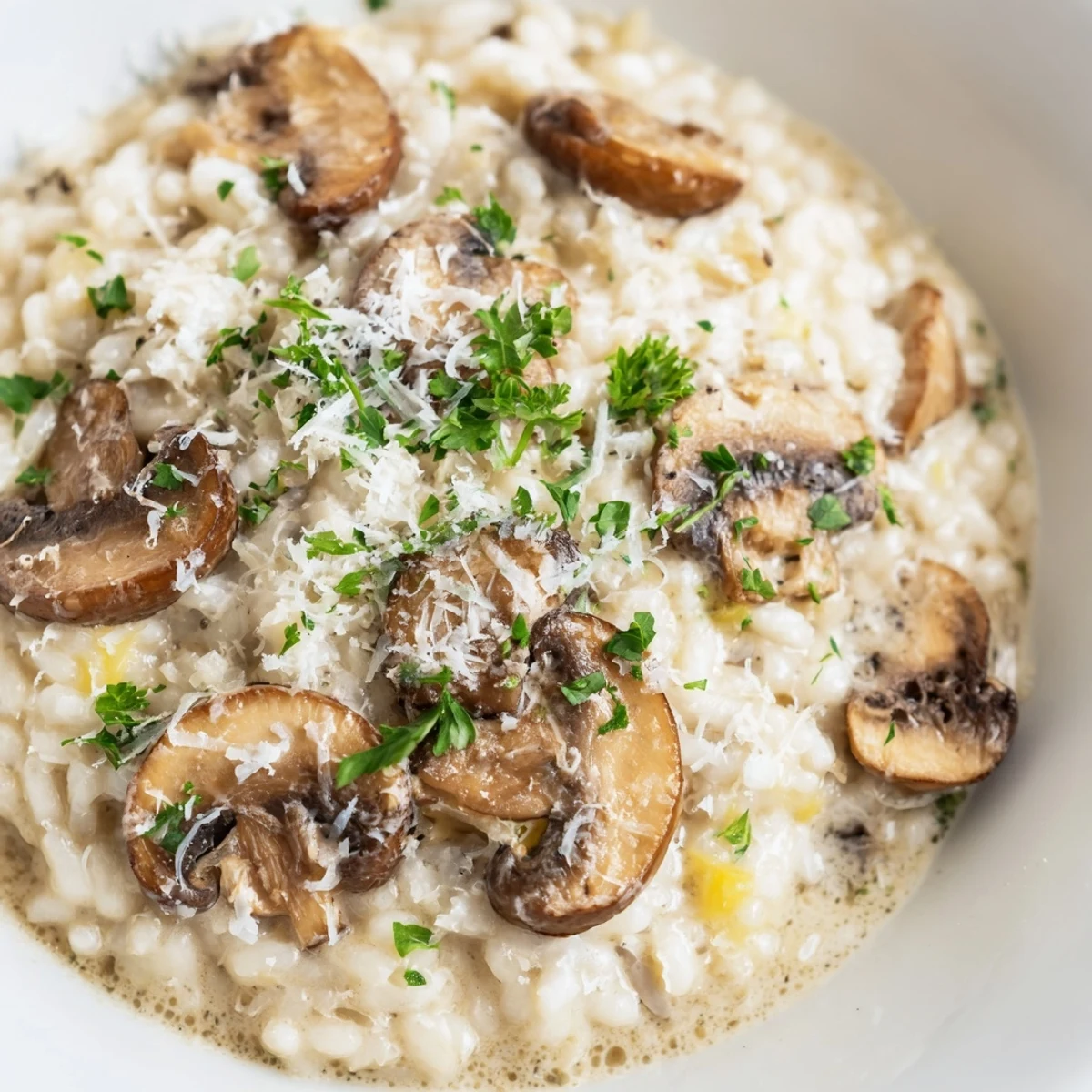
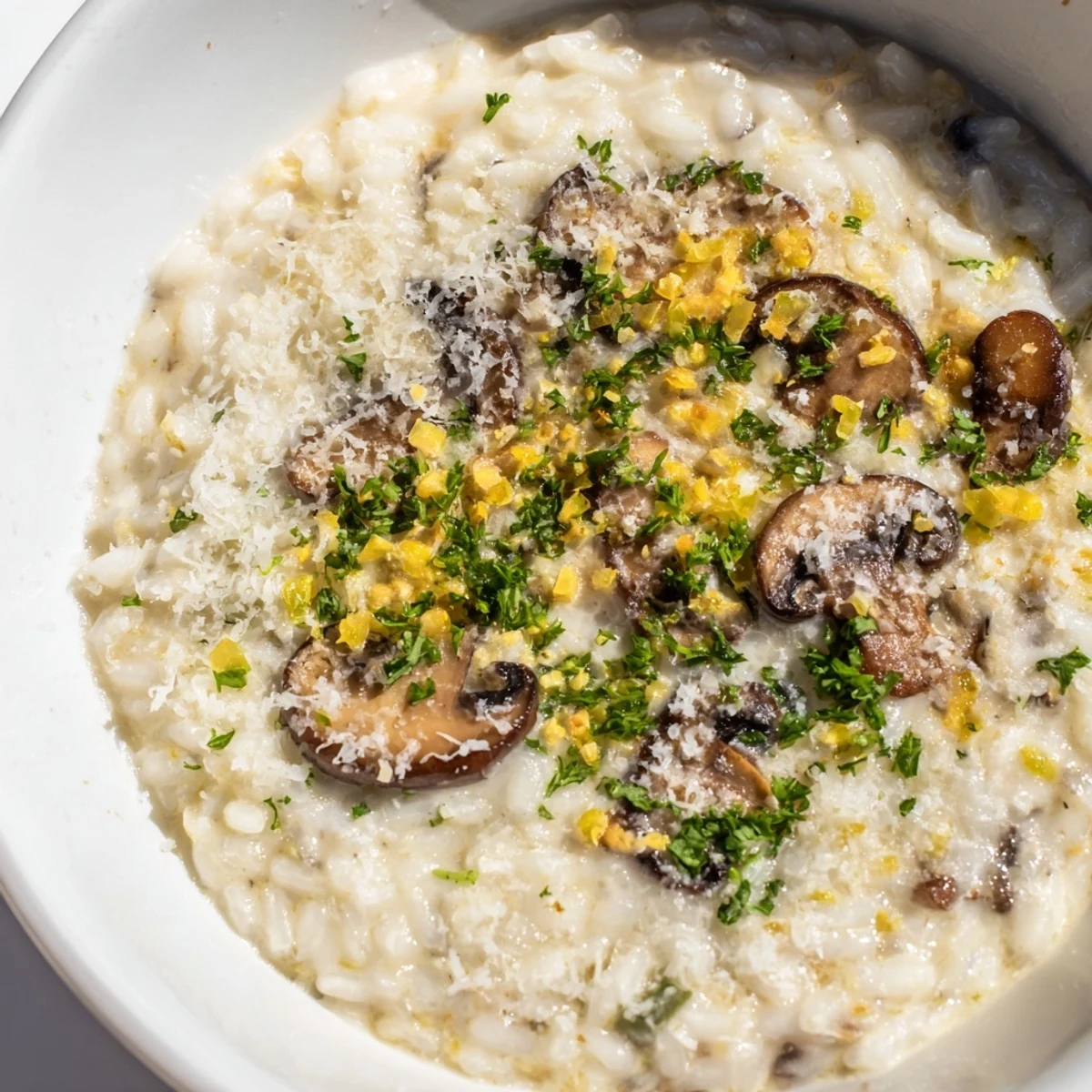
- Spoon into bowls, top with those reserved mushrooms and the rest of your parsley, and eat it while it's still warm and creamy.
 Save
Save My grandmother used to say that risotto teaches you patience, which sounds very poetic until you're actually standing there for 25 minutes, stirring. But once you've made it a few times, you understand she was right—there's no rushing it, and somehow that constraint feels freeing. Everyone who eats it after all that stirring tastes the care in every spoonful, and that matters.
Choosing Your Mushrooms
Button and cremini mushrooms are reliable and mild, but if you can find shiitake, oyster, or even a mix, they bring this deeper, almost savory note that makes the whole dish taste like autumn. I usually buy whatever looks good at the market that day—the risotto adapts beautifully. One time I used mostly oyster mushrooms and barely any cream, and honestly, it was better than my usual version. The key is slicing them all roughly the same size so they cook evenly.
Variations That Work
Once you know how risotto works, it becomes a template for countless other versions. Swap the mushrooms for roasted asparagus in spring, or use chicken broth and roasted garlic for something earthier. Some people add a splash of truffle oil at the end, others a handful of fresh herbs like tarragon or thyme. The cream is optional—I've made lighter versions with just extra broth, and they're cleaner tasting without being less satisfying.
Why This Dish Matters
Risotto sits in this lovely middle ground between comfort food and something you'd order in a nice restaurant. It's forgiving enough for a casual dinner but elegant enough to feel like an occasion. Once you've made it successfully once, you'll understand why people keep coming back to it—it's one of those foundational dishes that makes you feel more capable in the kitchen.
- Make the dish when you actually want to cook, not when you're rushed or distracted.
- Invest in decent ingredients—the Parmesan, the butter, the wine—because they're all tasted directly.
- Serve it immediately to people you like, because that's what it's made for.
 Save
Save Make this when you want to slow down for a meal, when you have someone to talk to at the stove, or when you just need to be present with something warm and real. That's what risotto is really for.
Recipe FAQs
- → What type of rice is best for this dish?
-
Arborio rice is preferred because it absorbs liquid well and releases starch, giving the dish its creamy texture.
- → Can I use different mushrooms?
-
Yes, wild mushrooms like shiitake or oyster add depth and complexity to the flavor.
- → How do I achieve the perfect risotto texture?
-
Gradually adding warm broth and stirring frequently helps the rice cook evenly and become creamy without getting mushy.
- → Is the white wine essential?
-
White wine adds acidity and balance, but you can substitute with extra broth if preferred.
- → How should I garnish the dish?
-
Reserved sautéed mushrooms and chopped fresh parsley add visual appeal and fresh herb notes.