
 Save
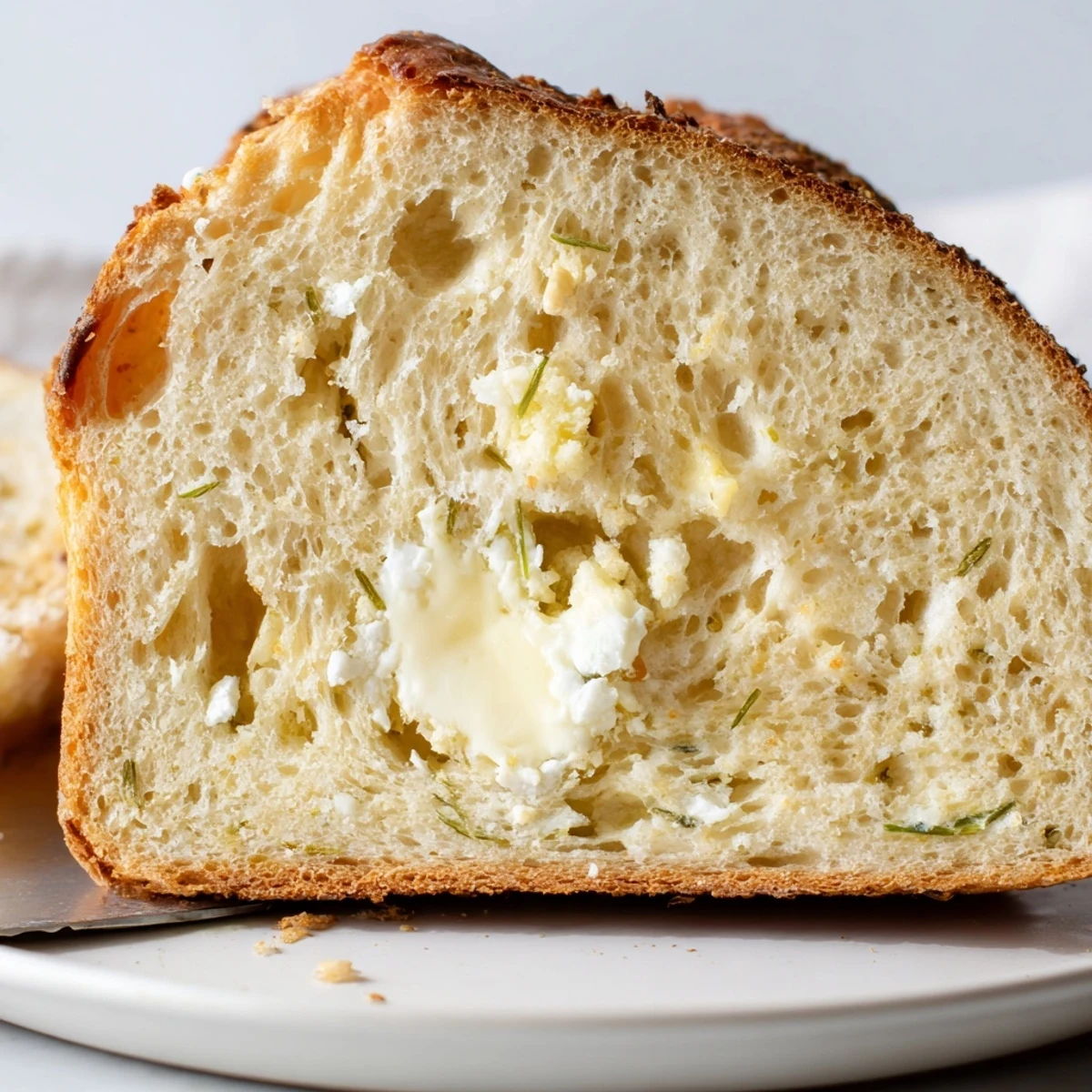
Save This tender, protein-rich loaf melds creamy cottage cheese with flour, a touch of sugar, melted butter, warm milk and an egg to yield a soft, slightly moist crumb with a subtle tang. Combine until a sticky dough forms, knead about 8 minutes, then let rise 1 hour and again 30 minutes in the pan. Bake at 350°F (175°C) for 35 minutes until golden. Cool before slicing; toast or serve with savory spreads. Swap half the flour for whole wheat or fold in chives or dill. Makes one 9x5" loaf.
There‘s a comforting rhythm to making bread, and this cottage cheese loaf first filled my kitchen with curiosity more than confidence. I was midweek, music playing a little too loud, and the hum of yeast working was punctuated by the odd clatter of measuring cups as I juggled cottage cheese into dough for the first time. The gently tangy aroma that seeped from the oven was like nothing I expected, almost hinting at cheesecake but grounded by golden crust. My favorite part: the quiet anticipation during cooling, when the bread‘s tender crumb forms its final magic.
I can distinctly remember serving thick slices of this bread at an impromptu Sunday brunch, the table crowded with friends vying for that end piece they claimed is always the best. Someone asked what made the bread so different; after that, prodding for the ‘mystery‘ ingredient became half the fun. It never lasted a full day – a good sign and a lively memory rolled into one.
Ingredients
- All-purpose flour: This gives the loaf its structure; I‘ve learned to spoon and level the flour for a reliable texture every time.
- Granulated sugar: Balances the tang of cottage cheese and gives the yeast a small boost of energy.
- Salt: Just enough to bring the flavors to life, and too much can mute the rise, so I measure with care.
- Active dry yeast: I watch for the little bubbles in water – it‘s a simple sign that it‘s awake and ready to lift the dough.
- Cottage cheese: This is the heart of the loaf, lending tenderness and subtle richness; using room temperature helps it blend seamlessly.
- Warm milk: Just warm to the touch, never hot, so the yeast stays happy and active.
- Unsalted butter: Adds flavor and helps soften the crumb; melting and letting it cool slightly avoids scrambling the eggs later.
- Egg: It binds the dough and gives extra lift; letting it come to room temp helps the rise along.
Instructions
- Prep the dry mix:
- In a large mixing bowl, toss together flour, sugar, salt, and yeast until everything is dusted and combined.
- Blend the wet ingredients:
- In a separate bowl, whisk cottage cheese, warm milk, melted butter, and egg until it‘s creamy and unified, even if there are tiny bits from the cheese.
- Form the dough:
- Pour the wet mixture into the dry mixture, then use a wooden spoon or dough hook to bring everything together into a sticky, shaggy dough.
- Knead:
- Turn the dough onto a floured surface and knead it by folding and pressing for about 8 minutes, adding sprinkles of flour if it sticks, until smooth and elastic under your hands.
- First rise:
- Place the dough in a lightly greased bowl, cover, and set in a warm spot; I tuck mine near the preheating oven and wait for it to double, which takes about an hour.
- Shape the loaf:
- Punch down the dough gently, shape into a log, and nestle it in a greased loaf pan; cover and let it puff up for another 30 minutes.
- Preheat & bake:
- Heat your oven to 350°F (175°C), then bake the loaf for about 35 minutes until the crust turns beautifully golden and tapping the bottom sounds hollow.
- Cool and slice:
- Carefully remove the bread from the pan, set it on a wire rack, and let it cool before slicing – waiting is hard but worth it for that perfect crumb.
 Save
Save One particularly chilly evening, I pulled this bread fresh from the oven and my notoriously bread-skeptical partner wandered in, lured by the scent. We tore off pieces, steam curling into the air, and spread them with salted butter – suddenly, the conversation shifted from the day‘s busyness to pure, contented silence. There‘s a quiet bond when you share something homemade.
How to Make It Your Own
The base dough is forgiving, whether you want to stir in some chopped fresh chives or a sprinkle of cracked pepper. I once tried a handful of sunflower seeds on top for crunch and never looked back. This bread loves good company, from a swipe of jam to a layer of avocado.
Serving and Storing Suggestions
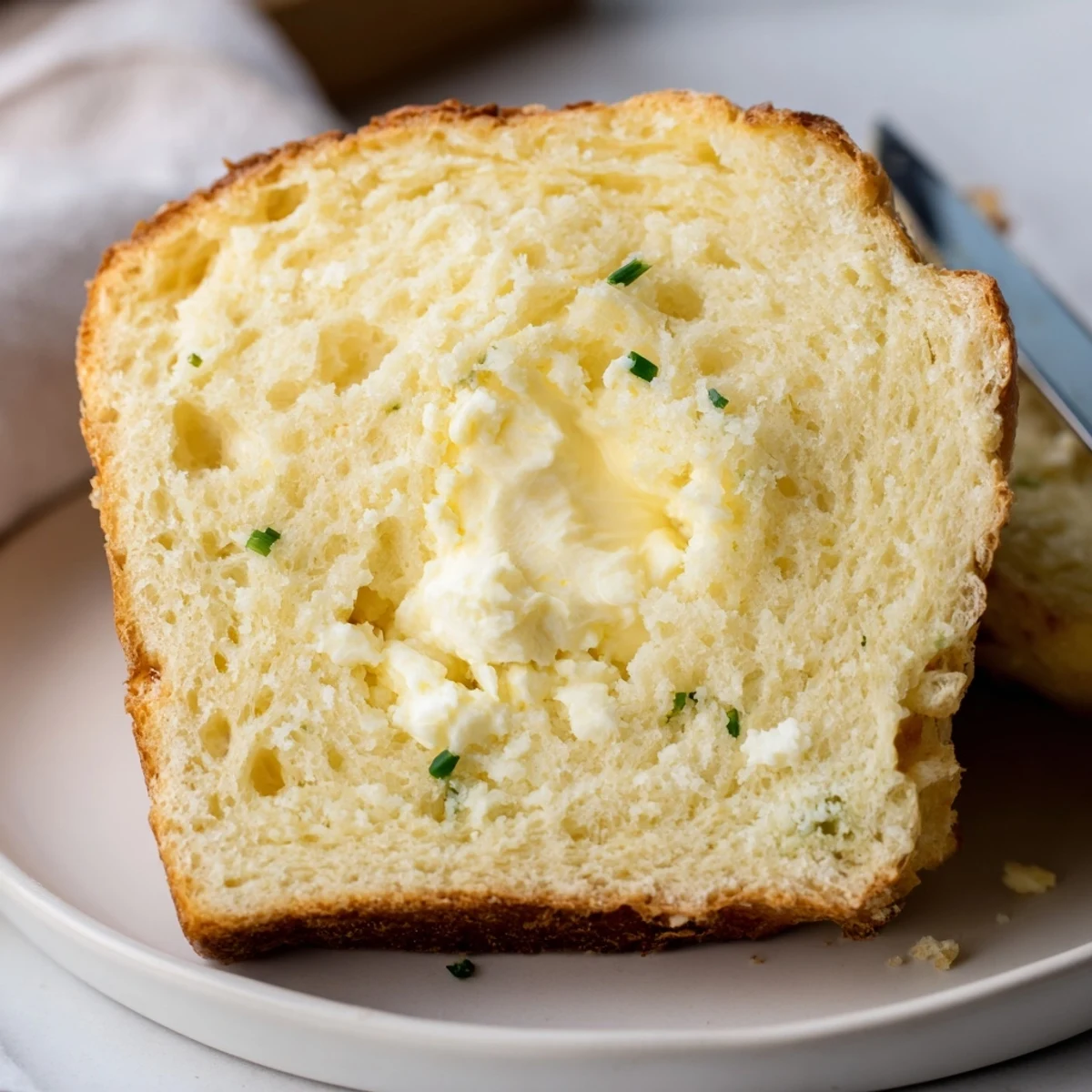
Let the bread cool completely before slicing for the cleanest slices – if you can wait, that is. I keep mine wrapped in a clean kitchen towel or in a bread box, and a quick toast brings the flavor right back even on day three. It‘s the MVP of everyday breakfast toast or open-faced sandwiches.
Troubleshooting and Easy Fixes
If the dough feels too sticky, a dusting of flour on your hands (not in the bowl) usually helps keep things manageable. Don‘t skip the wait for a full rise if you want a soft, fluffy loaf; impatience has been my undoing more than once. Baking times do vary, so checking for that hollow sound or golden crust is far more reliable than the clock.
- If you have a digital scale, use it for accuracy.
- Cover the loaf loosely with foil if it browns too fast.
- Leftovers make excellent French toast the next morning.
 Save
Save Few things beat the satisfaction of pulling your own warm, homemade bread from the oven. This cottage cheese loaf brings a subtle sense of accomplishment and a wonderfully soft slice every time.
Recipe FAQs
- → How does cottage cheese affect the loaf's texture?
-
Cottage cheese adds moisture and a tender crumb while boosting protein. Its curds create a slightly open texture and a mild tang that complements savory additions like herbs or cheese.
- → Can I use Greek yogurt instead of cottage cheese?
-
Yes. Use a similar weight of Greek yogurt, but if it's very thick or watery, adjust by draining or reducing other liquids slightly. Expect a slightly different crumb and tang.
- → How should I adjust for whole wheat flour?
-
Replace up to half the all-purpose flour with whole wheat for nuttiness. The loaf may be denser, so you might need a bit more liquid and a slightly longer knead to develop gluten.
- → How do I know when the loaf is fully baked?
-
Bake until the crust is golden and the loaf sounds hollow when tapped. For precision, the interior should register around 190–200°F (88–93°C) with an instant-read thermometer.
- → What are the best ways to serve and store the loaf?
-
Cool completely before slicing. Serve toasted with butter or savory spreads. Store wrapped at room temperature for up to 2 days, or freeze slices up to 3 months and toast from frozen.
- → Can I add herbs or cheese to the dough?
-
Yes—fold in chopped chives, dill, or grated cheese for extra flavor. If adding salty cheese, reduce added salt slightly to balance the loaf.