
 Save
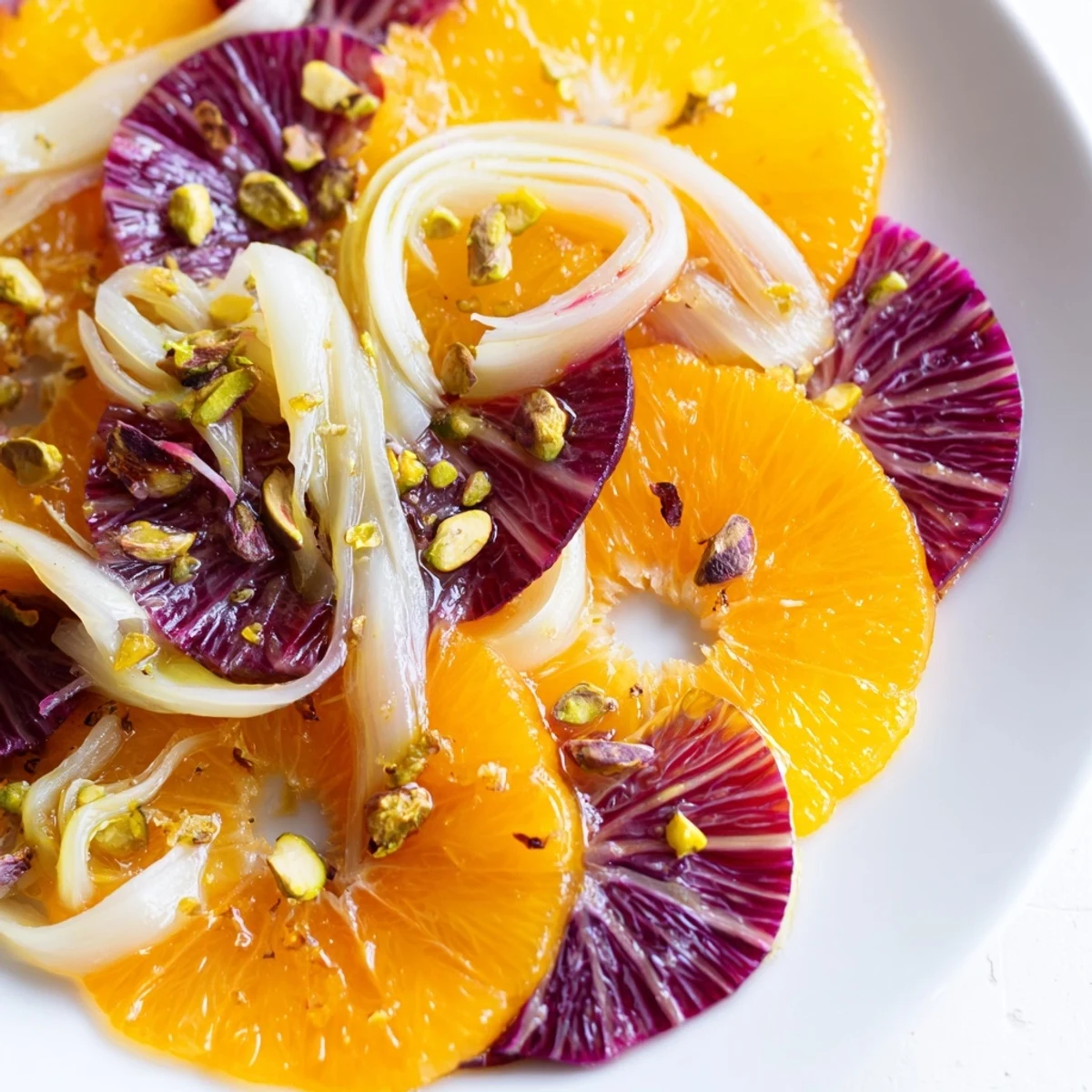
Save This vibrant winter salad combines the pleasant bitterness of radicchio with crisp fennel and sweet-tart citrus segments. Dressed with a bright lemon-Dijon vinaigrette and topped with toasted nuts, it offers a perfect balance of flavors and textures.
Ready in just 20 minutes with no cooking required, it makes an elegant starter or side dish for winter meals. The colorful presentation and Mediterranean flavor profile work beautifully with seafood, poultry, or as part of a vegetarian spread.
The first time I made this winter citrus salad was during a particularly dreary January when I craved something bright and alive. I'd just returned from a farmers market with an armful of blood oranges that seemed impossibly vibrant against the gray sky outside my kitchen window. As I sliced into the radicchio, that gorgeous bitter purple contrasting with the sunset hues of the citrus, I knew this dish would become my winter ritual.
Last December, I served this salad at our neighborhood holiday potluck, and my normally meat-loving friend Tom couldn't stop talking about it. He hovered by the serving table, explaining to anyone who would listen how the pistachios added the perfect crunch against the juicy citrus. Three people asked for the recipe that night, and I felt that little thrill that comes when a simple preparation of good ingredients resonates with others.
Ingredients
- Radicchio: Look for heads that feel heavy for their size with crisp leaves - the bitter edge of radicchio is what makes this salad so sophisticated against the sweet citrus.
- Fennel bulb: Always save those delicate fronds at the top for garnish, as they add a beautiful anise-scented finish that elevates the entire presentation.
- Citrus (oranges and grapefruit): The variety matters here - blood oranges add dramatic color, but regular navels work beautifully too, just make sure theyre heavy and fragrant when you pick them up.
- White wine vinegar: I discovered the subtle difference this makes compared to regular vinegar after years of experimenting - it has a gentler acidity that doesnt overwhelm the delicate citrus.
Instructions
- Create the perfect vinaigrette:
- Whisk the olive oil, lemon juice, white wine vinegar, honey, and Dijon until they transform into a silky emulsion. You want it just thick enough to coat the back of a spoon.
- Build your base:
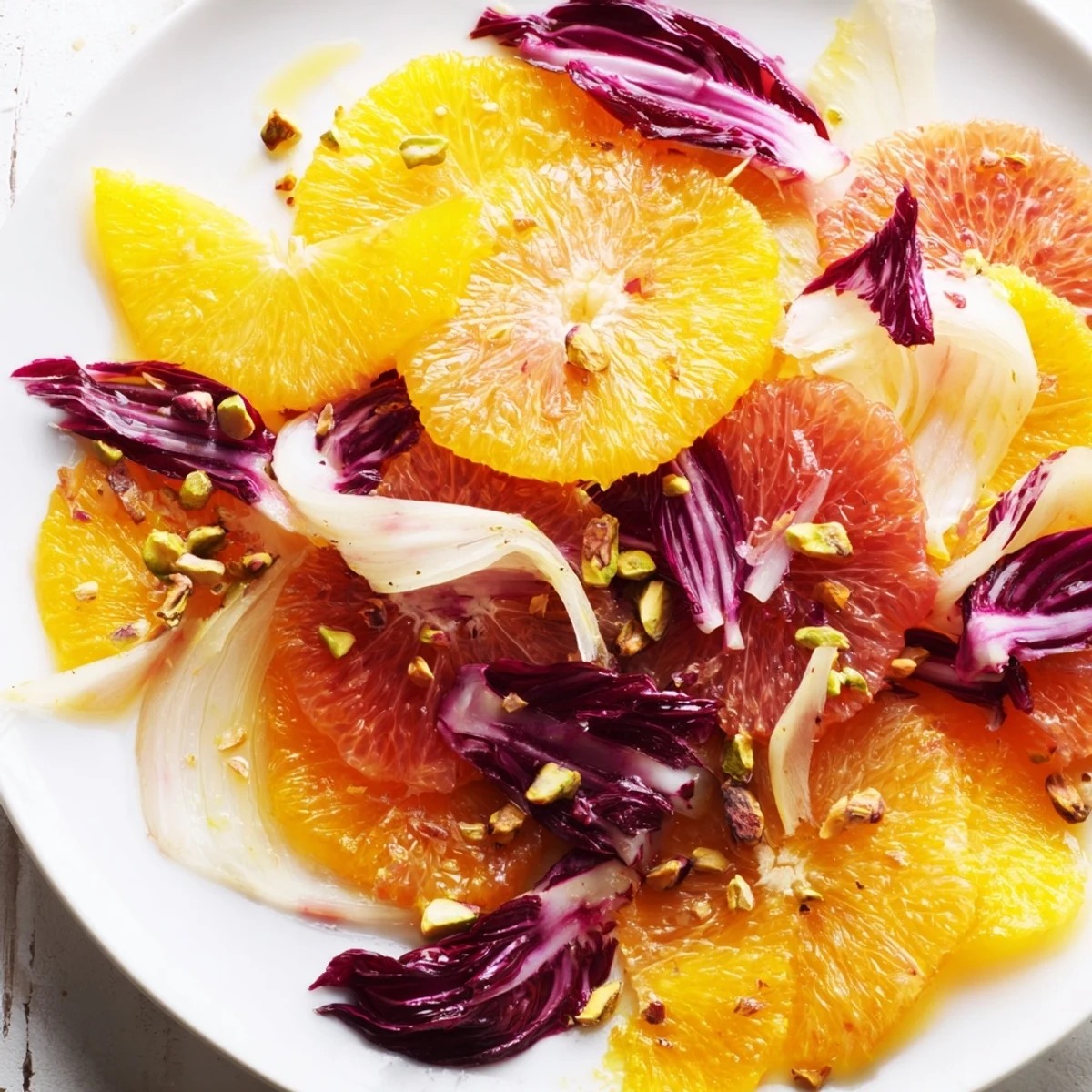
- Arrange the sliced radicchio and fennel on a large platter, creating a bed of vibrant purples and whites. I like to tear some of the radicchio by hand for texture variation.
- Layer the citrus:
- Position your orange and grapefruit rounds like overlapping tiles across the salad, alternating colors if youre using multiple varieties. This is the moment where the salad becomes truly stunning.
- Finish with flair:
- Scatter the shallots, drizzle your vinaigrette with a light hand, and finish with a generous sprinkle of toasted nuts and those feathery fennel fronds. The contrast between the crunchy nuts and juicy citrus is absolutely magical.
 Save
Save The moment that cemented my love for this salad happened during a particularly difficult winter when my mother was recovering from surgery. I made this bright plate of color and set it before her when nothing else seemed appealing. Her eyes lit up at the vibrant display, and she ate every bite, remarking how it tasted like sunshine. Sometimes food is more than sustenance - its a reminder that even in winter, brightness exists.
Citrus Selection Secrets
After years of making this salad, Ive learned that the weight of citrus in your hand tells you everything about its juiciness. The heavier it feels compared to its size, the more juice it contains. I now give each piece a gentle squeeze at the market - it should yield slightly to pressure without feeling soft or spongy. This small test has revolutionized my winter salads.
Making It Ahead
While this salad is at its absolute best when freshly assembled, Ive discovered a method for preparing it up to four hours ahead without sacrificing quality. I keep all components separate in the refrigerator - the sliced radicchio and fennel in one container with a damp paper towel, the citrus in another, and the dressing in a jar. About twenty minutes before serving, I bring everything to cool room temperature, then assemble. The flavors bloom more fully when not ice-cold.
Seasonal Adaptations
This recipe has taught me to embrace seasonality in all its forms. When blood oranges disappear in late winter, I transition to Cara Cara navels, then to Valencia oranges as spring approaches. By summer, I swap the citrus entirely for stone fruits like nectarines and the radicchio for milder greens.
- For an instant upgrade, supreme your citrus by removing not just the peel but the membranes between segments for a truly restaurant-quality presentation.
- A sprinkle of flaky sea salt just before serving creates tiny pops of flavor that wake up every bite.
- If youre serving this at a dinner party, have the components ready but assemble it where guests can watch - the process is beautiful and builds anticipation.
 Save
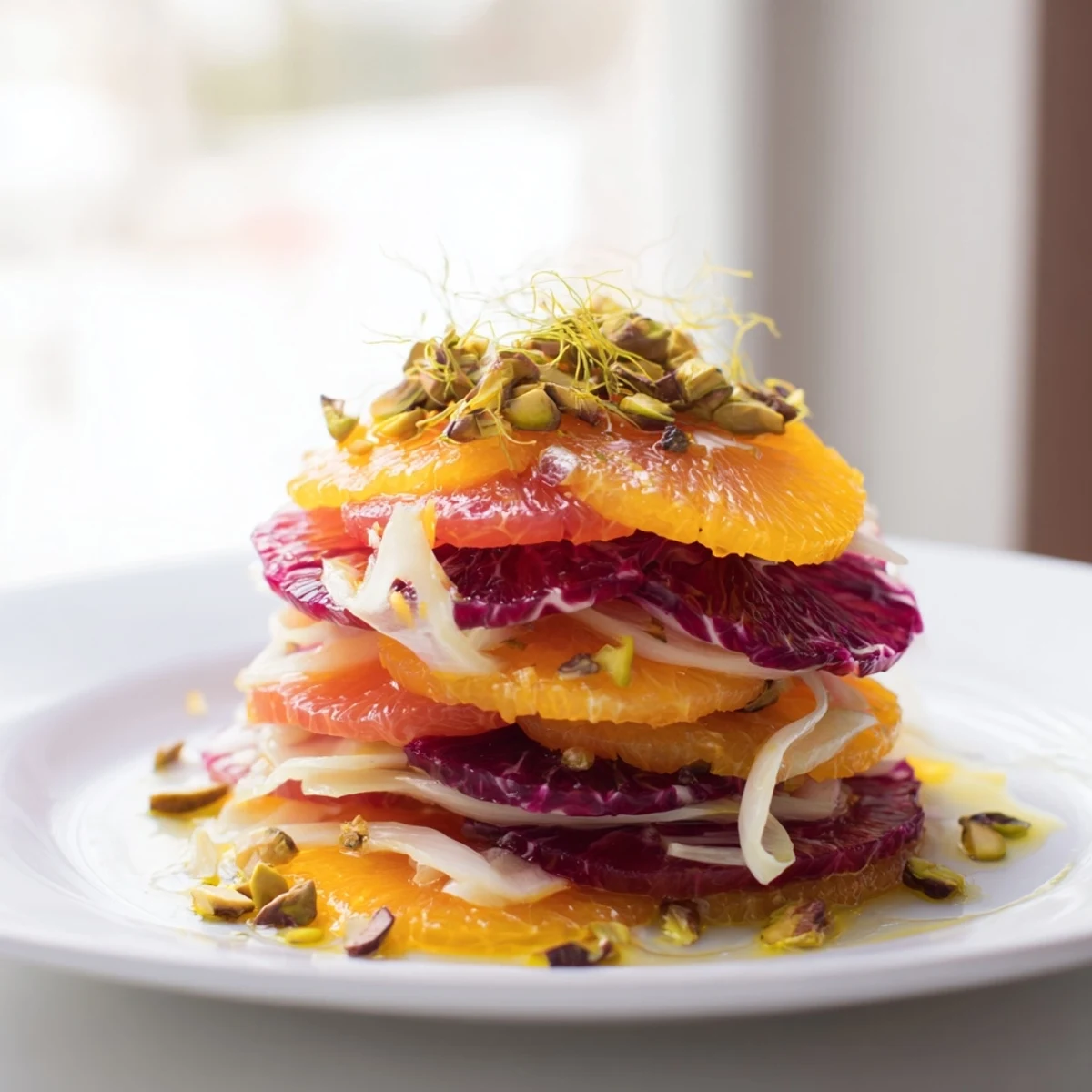
Save This winter citrus salad has become my personal reminder that even in the darkest, coldest months, nature offers brilliant color and vibrant flavor. Each time I make it, Im grateful for these small moments of beauty on a plate.
Recipe FAQs
- → Can I make this salad ahead of time?
-
You can prepare the components up to a day ahead, but assemble and dress the salad no more than 1 hour before serving for best texture and flavor. Store cut ingredients separately in the refrigerator.
- → What can I substitute for radicchio if I find it too bitter?
-
Belgian endive or arugula make excellent substitutions if you prefer a milder flavor. Red cabbage can also work for color and crunch, though with a different flavor profile.
- → What main dishes pair well with this citrus salad?
-
This salad pairs beautifully with grilled or roasted fish, seafood risotto, herb-roasted chicken, or Mediterranean lamb dishes. For vegetarian options, try it alongside creamy polenta or a bean-based entrée.
- → How do I select the best citrus for this salad?
-
Choose fruits that feel heavy for their size, indicating juiciness. The rinds should be firm but slightly springy when pressed. For visual appeal, mix different varieties like blood oranges, Cara Cara, and ruby grapefruit.
- → Can I make this salad vegan?
-
Yes, simply substitute the honey in the vinaigrette with maple syrup or agave nectar. The rest of the ingredients are naturally vegan-friendly.
- → What's the best technique for cutting citrus segments?
-
For clean segments without pith or membrane, use a sharp knife to cut off the top and bottom of the fruit, then slice away the peel and white pith. Next, carefully cut between the membranes to release pure fruit segments.