
 Save
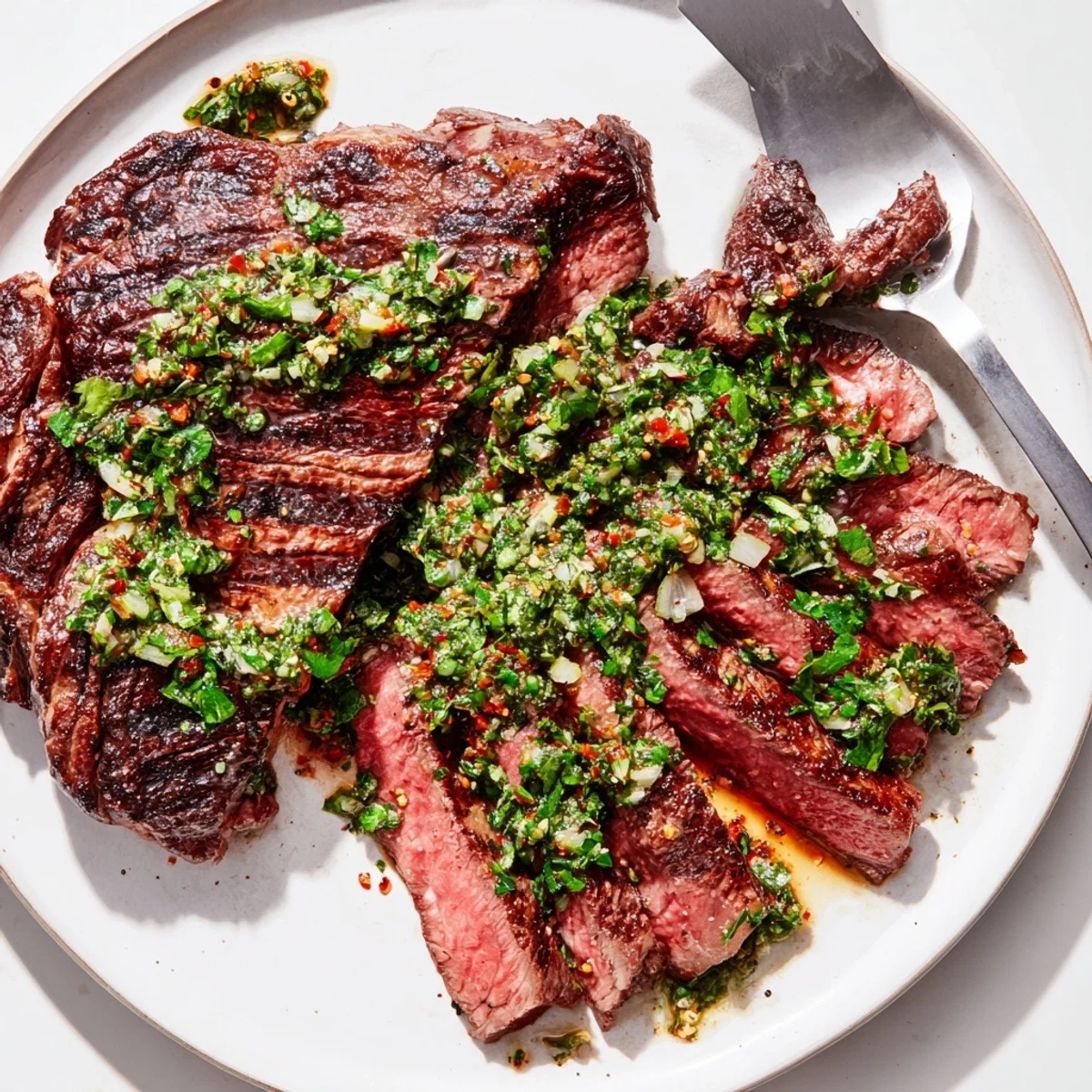
Save Brush ribeyes or sirloins with olive oil, season with salt and pepper, and grill over high heat 4–6 minutes per side for medium-rare. Let steaks rest 5 minutes, then slice against the grain and spoon chimichurri—parsley, garlic, olive oil, red wine vinegar, lemon and oregano—over the top. Make sauce ahead to meld flavors; marinate briefly for extra depth and serve with a bold red.
It was the sizzle from the grill that caught my attention long before the aroma hit me, sharp and grassy from just-chopped parsley. I’d never planned to fall for chimichurri, but watching vibrant flecks of green swirl into olive oil right on my kitchen counter, I knew dinner was about to shift gears. That first time, curiosity trumped hesitation—and the burst of garlic and citrus over a perfectly charred steak settled the matter. Sometimes the best flavors come when you don’t overthink them.
The night I cooked chimichurri steak for my cousin’s birthday, we crowded around the kitchen island, laughing while steaks hissed on the pan and herbs painted our hands green. It was messy, loud, and ended with everyone tearing off crusty bread to swipe up leftover sauce from the platter. Even the pickiest eaters at the table reached for more.
Ingredients
- Boneless ribeye or sirloin steaks: Marbled cuts hold up beautifully on intense heat and stay juicy—dab them dry with a paper towel first for a good sear.
- Olive oil: Brush it onto the steaks so the seasonings cling and the crust crisps just right.
- Kosher salt: This coarser salt seasons steak evenly and brings out its rich flavor—don’t skimp but don’t swamp it either.
- Freshly ground black pepper: Crack it fresh for a subtle kick that cuts through the fattiness.
- Fresh flat-leaf parsley: Be generous—its brightness is what makes the sauce sing and the dish authentic.
- Fresh cilantro (optional): Adds a gentle citrus note; skip it if cilantro isn’t your favorite, but it wins fans every time when included.
- Garlic: Use a fine mince, almost a paste, for punchy flavor without raw sharpness.
- Extra-virgin olive oil: Smooths out the sauce and carries the herbs over the steak—don’t substitute lesser oils if you can help it.
- Red wine vinegar: Splashes the sauce with nice tartness that balances out the oils and fat.
- Lemon juice: Brightens everything and keeps the sauce vivid—a trick that beats plain vinegar alone.
- Dried oregano: Brings an earthy base note that lingers perfectly in the chimichurri.
- Crushed red pepper flakes: For just a little heat; add more if you want a bolder kick.
Instructions
- Mix Up the Chimichurri:
- Finely chop the parsley and cilantro, then stir them with minced garlic, olive oil, red wine vinegar, lemon juice, oregano, red pepper flakes, salt, and black pepper in a bowl. Let the bowl rest on the counter so the flavors mingle and mellow together.
- Prep and Season the Steaks:
- Pat the steaks dry and brush them lightly with olive oil, then sprinkle salt and black pepper evenly on both sides—listen for that soft crackle as you grind over the meat.
- Grill to Perfection:
- Preheat your grill or grill pan until it's almost smoking, then lay the steaks down with a sizzle. Grill each side about 4 to 6 minutes, feeling with your finger for that gentle springy resistance for medium-rare, then rest the steaks under loose foil for 5 minutes so the juices settle in.
- Serve and Sauce:
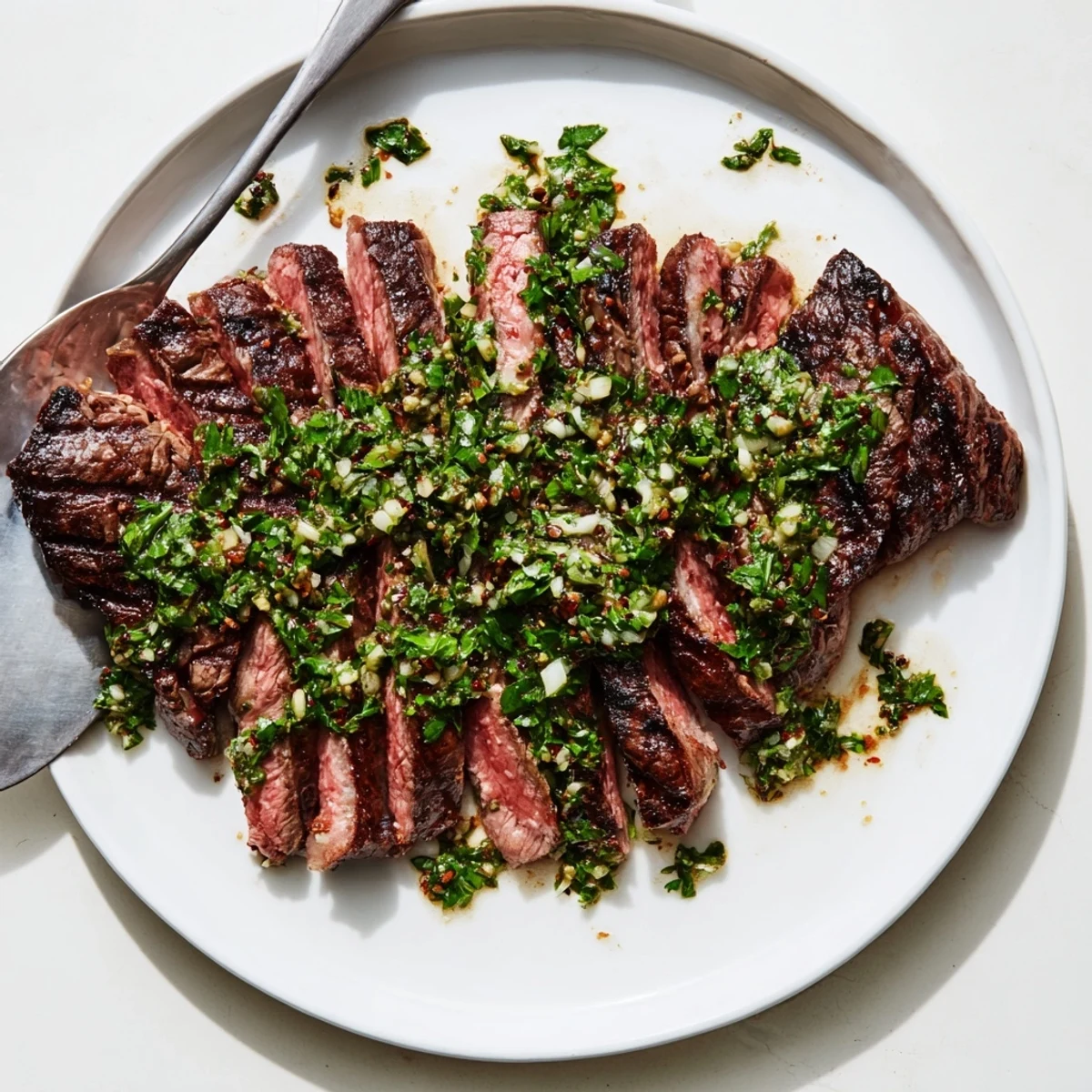
- Slice the steaks against the grain, arrange the tender strips on a platter, and spoon generous chimichurri over the top—don’t forget a side bowl of sauce for extra dousing.
 Save
Save I’ll never forget the day my friend, skeptical about green sauces, declared this was the best steak “experience” he’d had all year—graciously ignoring that my kitchen was perfumed with garlic for days after. That’s the magic of a good meal shared with the right people: it becomes part of your history, accidental fingerprints and all.
Choosing Your Cut: More Than One Right Way
While ribeye brings max juiciness and marbling, skirt or flank steak work their own magic for a more robust, chewy finish that soaks up the sauce. Grabbing what’s freshest at the butcher wins over sticking strictly to script every time. Just be ready to adjust the grilling time for thinner cuts, since they cook fast and come off with loads of charred flavor.
Herbs, Hand-Chopped or Food Processor?
Chopping by hand gives a rustic, hearty texture and releases less liquid, so your sauce doesn’t go soggy. If you’re craving convenience, a few quick pulses in the food processor will work—but I save that method when feeding a crowd or feeling rushed. Either way, wash and dry herbs thoroughly or the sauce goes muddy instead of brilliant green.
Sauce Troubleshooting and Last Touches
Sometimes, my sauce seems too thick or a little flat—if yours ever does, a splash more olive oil or vinegar wakes it right up. Taste as you go and adjust the salt or lemon to brighten and balance. Steak resting time is sacred; if you skip it, prepare for disappointed faces.
- Leftover chimichurri makes a killer marinade for future meals.
- Warm the sauce gently for leftovers; cold straight from the fridge dulls the flavors.
- Don’t be shy with that extra bowl of sauce at the table—it always disappears fast.
 Save
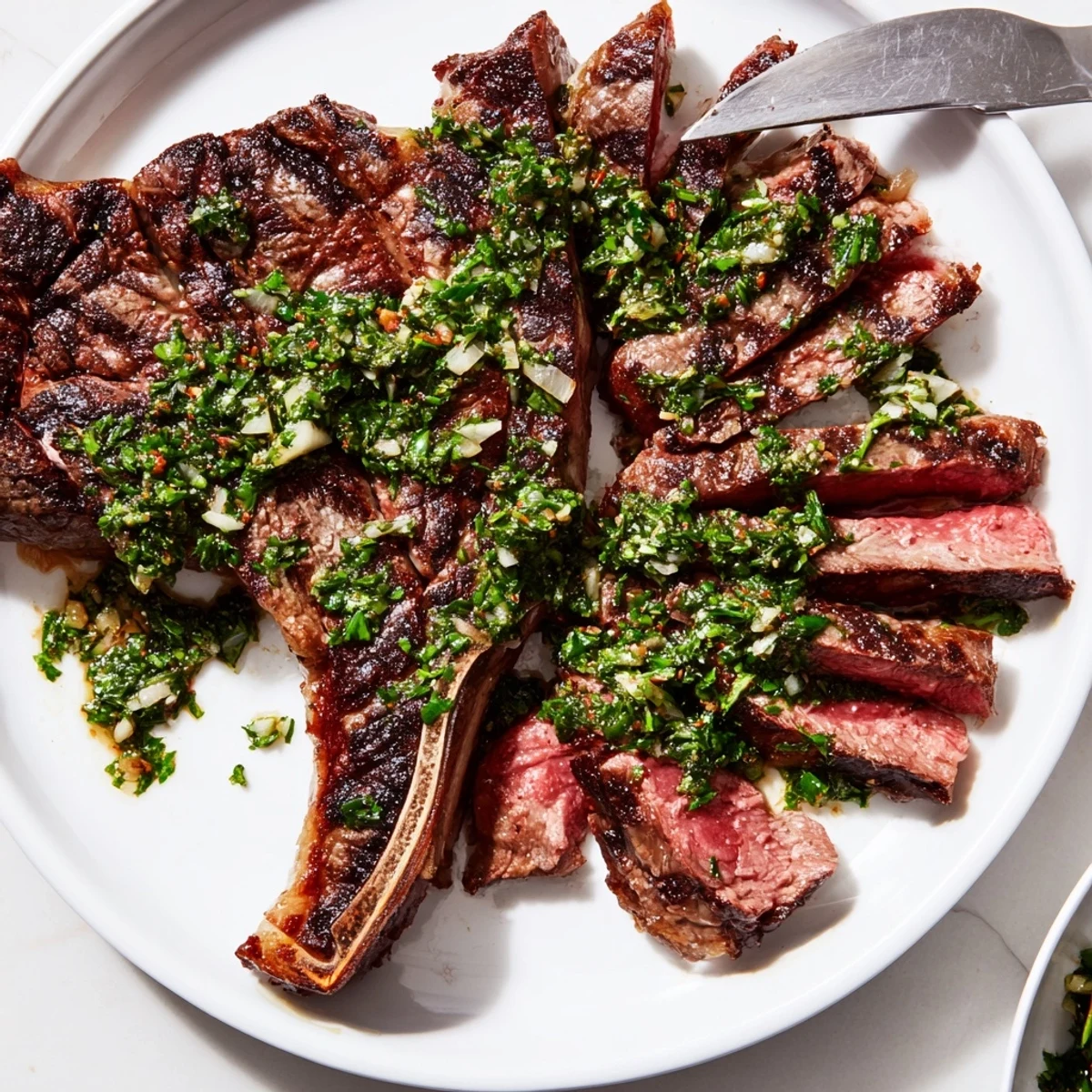
Save No matter how many times I make chimichurri steak, it turns any meal into a celebration—vivid, unfussy, and a little bit bold. Pour yourself a glass of Malbec and savor every bite with someone you love to cook for.
Recipe FAQs
- → Which steak cuts work best?
-
Boneless ribeye and sirloin are excellent for a balance of flavor and tenderness; flank or skirt can also be used if sliced thinly against the grain.
- → How long to grill for medium-rare?
-
Grill over high heat about 4–6 minutes per side depending on thickness; use 4–6 minutes as a guideline and rest 5 minutes before slicing.
- → Can the chimichurri be made ahead?
-
Yes. Making the sauce 30 minutes to several hours ahead lets flavors meld; store covered at room temperature briefly or refrigerated for longer storage, then bring to room temperature before serving.
- → Should I marinate the steak in chimichurri?
-
Marinating for up to 2 hours adds depth, but brushing and finishing with fresh chimichurri preserves brightness. For a stronger infusion, marinate briefly and reserve extra sauce for serving.
- → How should leftovers be stored?
-
Cool slices and sauce to room temperature, then refrigerate in separate airtight containers for up to 3 days; reheat gently or enjoy cold with additional chimichurri.
- → What wine pairs well with this dish?
-
Bold reds like Malbec or Cabernet Sauvignon complement the grilled beef and herbal acidity of chimichurri for a classic pairing.