 Save
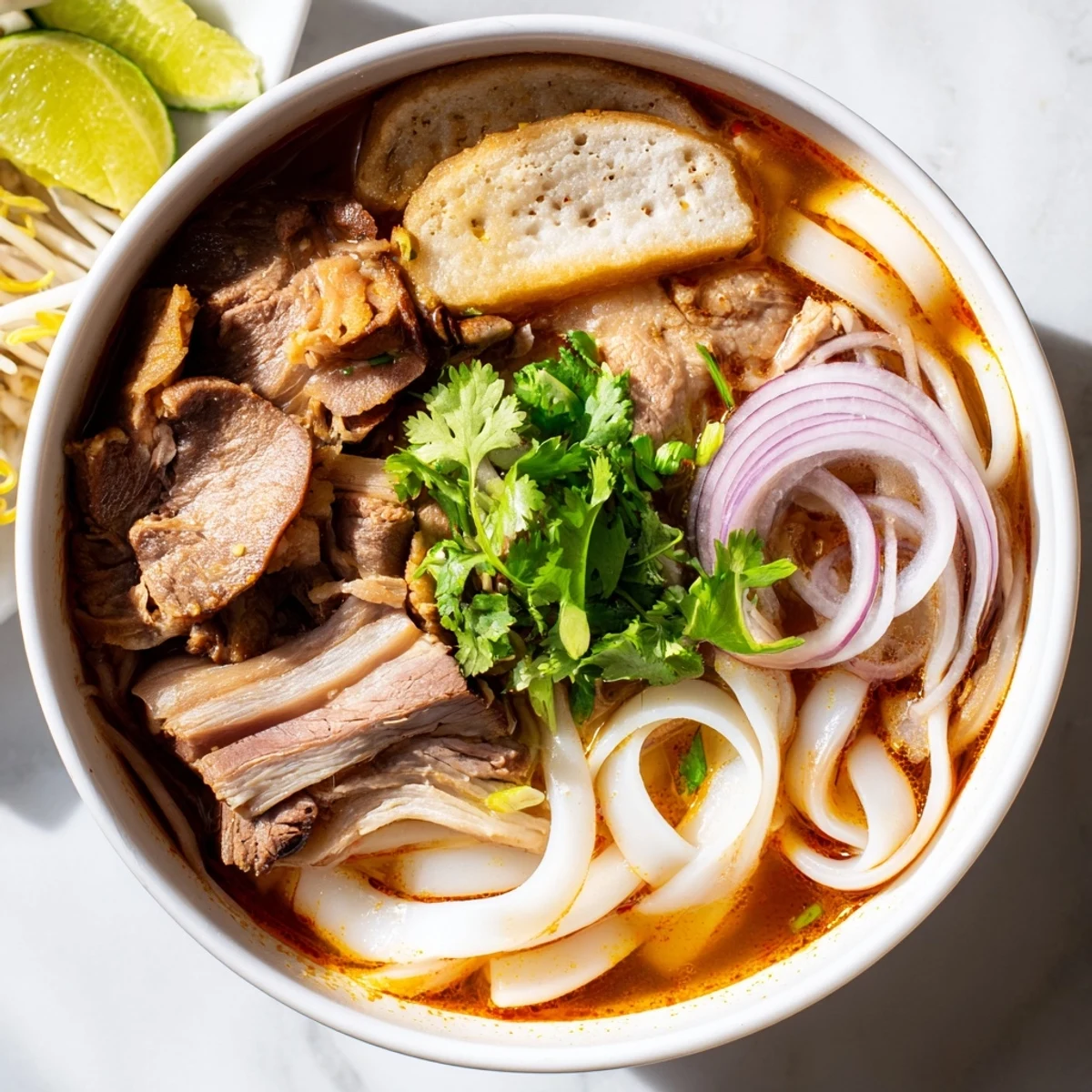
Save This classic Central Vietnamese specialty combines a rich, spicy broth infused with lemongrass, shrimp paste, and aromatic chili oil. The soup features tender beef shank, pork hock, and rice noodles, topped with fresh herbs like cilantro, mint, and Thai basil. Perfect for 6 servings, this hearty dish requires about 3 hours total time, with most of that devoted to developing the deep, complex broth flavors through slow simmering.
The first time Bun Bo Hue appeared on my dinner table, I watched my uncle char the lemongrass directly over an open flame until it released this incredible citrus perfume that filled the entire house. That smoky aroma hit me before I even saw the bowl, and I knew this soup was going to be something extraordinary. The broth had this deep rusty red color from annatto oil, and when I took my first spoonful, the heat built slowly at the back of my throat, leaving me warm from the inside out. Now whenever rain taps against my kitchen windows, that's the soup I start making without even checking a recipe.
Last winter my neighbor smelled the broth simmering through our shared kitchen wall and showed up with a bag of fresh herbs from her garden. We spent the whole afternoon around the stove, adjusting the fish sauce and taking turns tasting until the balance felt right. There's something about making this soup that brings people into the kitchen, like the broth knows it needs witnesses to its transformation.
Ingredients
- Beef shank and pork hock: These bones and collagen rich cuts create the silky body that makes the broth feel luxurious in your mouth
- Lemongrass: Bruise the stalks with the back of your knife to release those aromatic oils before adding them to the pot
- Shrimp paste: A little goes a long way, but it's the secret ingredient that gives authentic depth to the broth
- Annatto seeds: They infuse the oil with that signature reddish orange hue without adding much flavor themselves
- Thick rice noodles: The round sturdy noodles hold up better than vermicelli in this hearty broth
- Fresh herbs: The classic combination of mint, Thai basil, and cilantro cuts through the richness and brightens every bite
Instructions
- Prepare the broth base:
- Bring beef shank and pork hock to a boil for five minutes, drain and rinse thoroughly to remove any impurities that could cloud your final broth
- Build the foundation:
- Refill the pot with fresh water and add the cleaned meat along with bruised lemongrass, halved onion, smashed garlic, and sliced ginger
- Simmer patiently:
- Lower the heat and let everything gently bubble for two hours, skimming any foam that rises to the surface for a clearer broth
- Season the broth:
- Add fish sauce, salt, both types of sugar, and shrimp paste, tasting and adjusting until you hit that perfect balance of savory and sweet
- Prep the meats:
- Remove the beef shank and pork hock when tender, then slice them into bite sized pieces that will fit easily in soup spoons
- Make the chili oil:
- Heat vegetable oil with annatto seeds until the oil turns red, then sauté shallots and garlic before stirring in chili flakes
- Cook the noodles:
- Prepare the thick rice noodles according to package instructions, being careful not to overcook them since they'll soften further in hot broth
- Assemble each bowl:
- Layer noodles first, then arrange sliced meats on top before ladling the steaming broth over everything
- Finish with flair:
- Drizzle with that vibrant chili oil and let everyone add their own garnishes from platters of fresh herbs, bean sprouts, and lime wedges
 Save
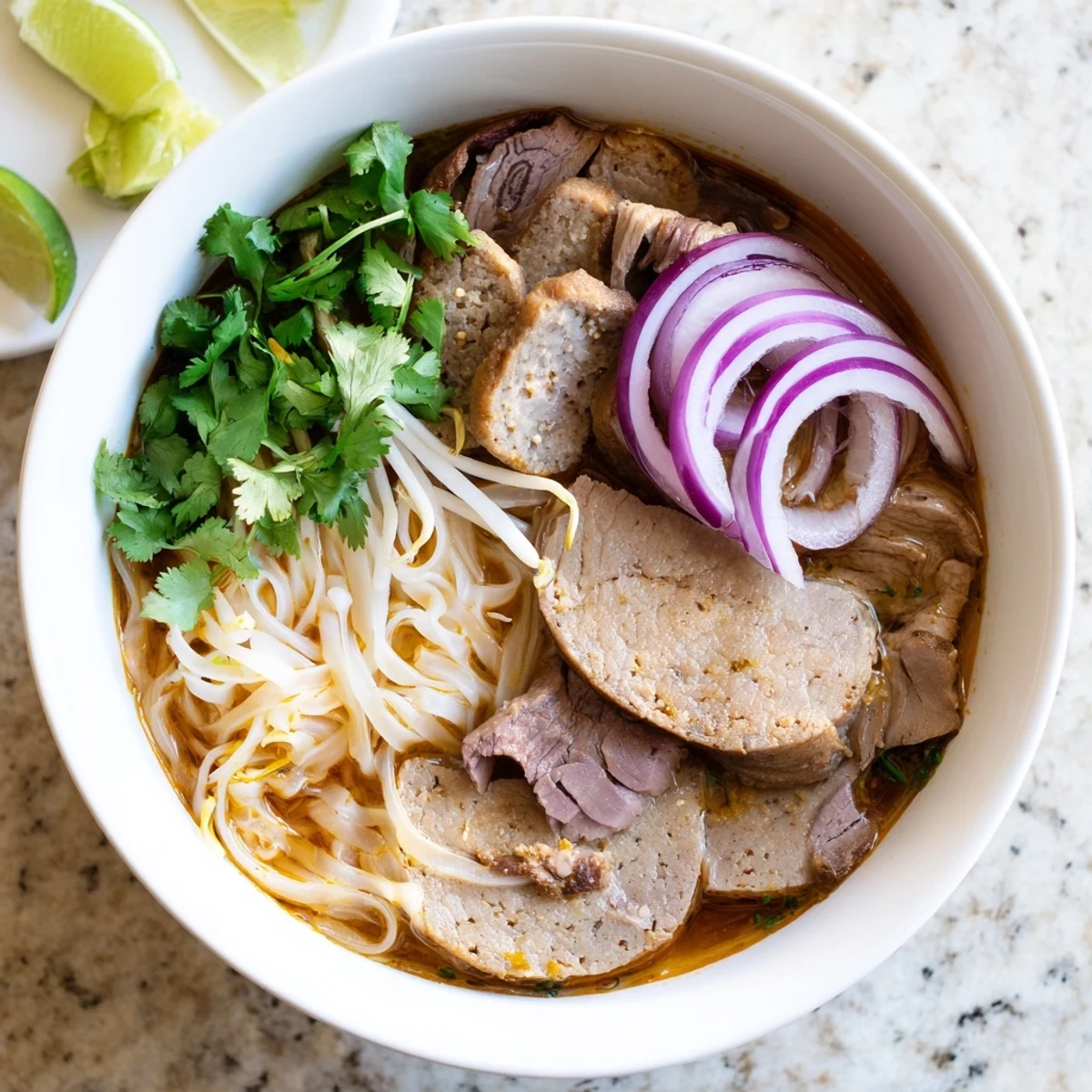
Save My cousin once confessed she'd been intimidated by Vietnamese noodle soups until she watched me make this one afternoon. Seeing how forgiving the process is, how you can adjust seasonings as you go, gave her the confidence to try it herself. Now she sends me photos of her versions, each one a little different but always greeted with excitement at her table.
Getting That Restaurant Style Broth
The secret is charring your onion and lemongrass directly over a gas flame or under a broiler before adding them to the pot. That slight bitterness from the char adds complexity you can't achieve any other way. I learned this trick from a street vendor in Hue who insisted it's what separated good broth from great broth.
Handling The Heat Level
Bun Bo Hue should have warmth but not overwhelm the other flavors. Make the chili oil separately and serve it on the side so everyone can control their own spice level. The broth itself should have just a gentle background heat that lets the lemongrass and beef shine through.
Make Ahead Strategy
The broth actually improves after a night in the refrigerator, giving the flavors time to meld and deepen. You can prepare everything up to two days in advance, storing the broth and meats separately. When you're ready to serve, just reheat the broth, refresh the noodles in hot water, and assemble like a pro.
- Never freeze the noodles, they'll turn mushy and sad
- Keep fresh herbs wrapped in damp paper towels and they'll stay perky for days
- The chili oil keeps for weeks in the refrigerator and is fantastic on other dishes too
 Save
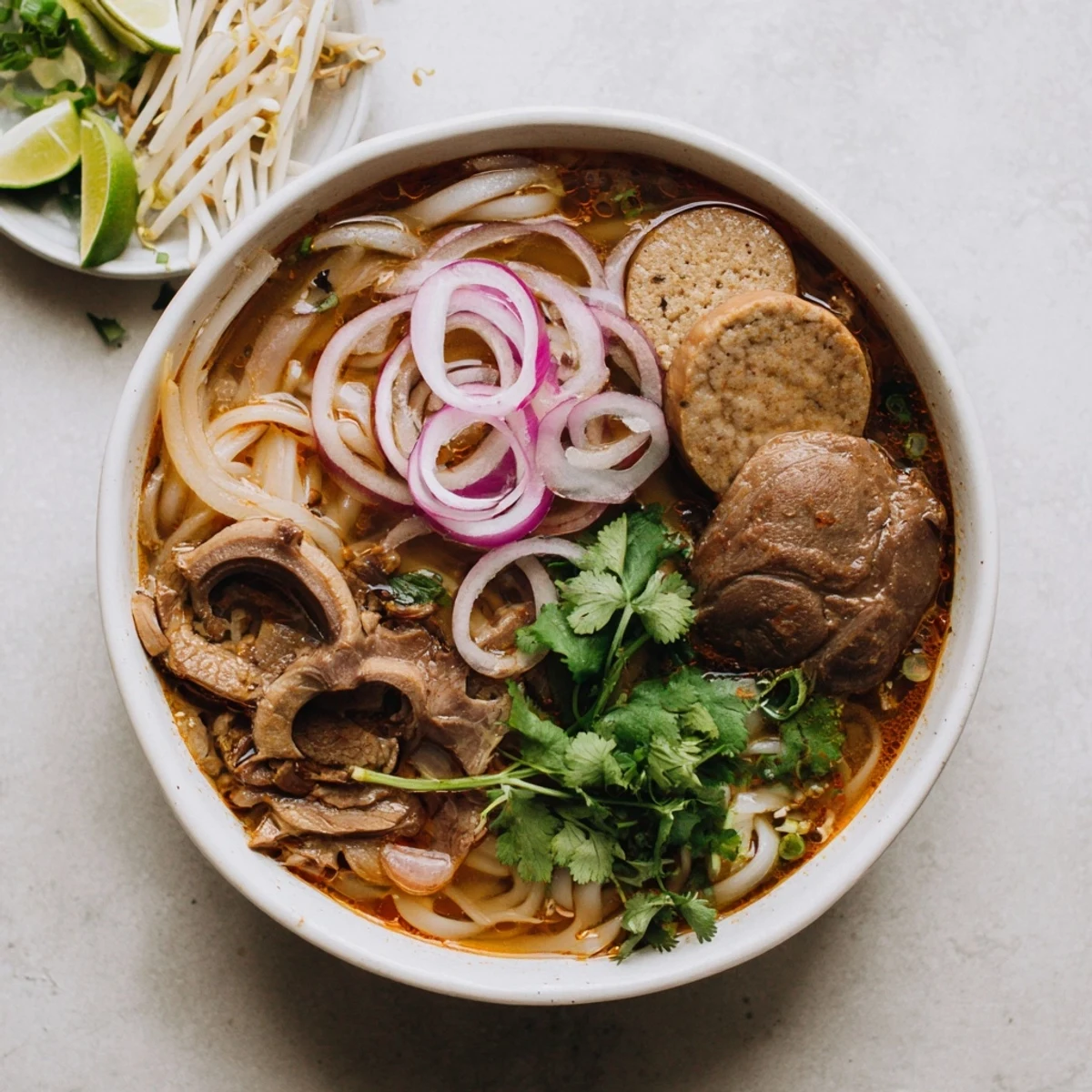
Save There's nothing quite like gathering around bowls of steaming Bun Bo Hue, customizing each one with handfuls of herbs and squeezes of lime. It's more than dinner, it's an experience that brings people together one slurp at a time.
Recipe FAQs
- → What makes Bun Bo Hue different from pho?
-
Bun Bo Hue originates from Central Vietnam and features a spicier, more complex broth with lemongrass, shrimp paste, and chili oil. The noodles are thicker and rounder than pho noodles, and the soup typically includes both beef and pork proteins.
- → Can I make this less spicy?
-
Absolutely. Reduce the amount of chili flakes in the aromatic oil and serve chili slices on the side. The lemongrass and aromatics provide plenty of flavor even with reduced heat.
- → Is shrimp paste essential?
-
Shrimp paste (mam ruoc) is traditional and adds deep umami character. While you can omit it, the broth will lack that authentic Central Vietnamese depth. Fish sauce alone doesn't provide the same complexity.
- → Where can I find thick rice noodles?
-
Look for banh hoi or bun bo Hue noodles at Asian grocery stores. If unavailable, fresh udon noodles or thick rice vermicelli make acceptable substitutes, though the texture will differ slightly.
- → Can I prepare the broth in advance?
-
Yes, the broth actually improves after resting overnight in the refrigerator. Store broth and cooked proteins separately, then reheat gently before assembling bowls. This allows flavors to meld further.