
 Save
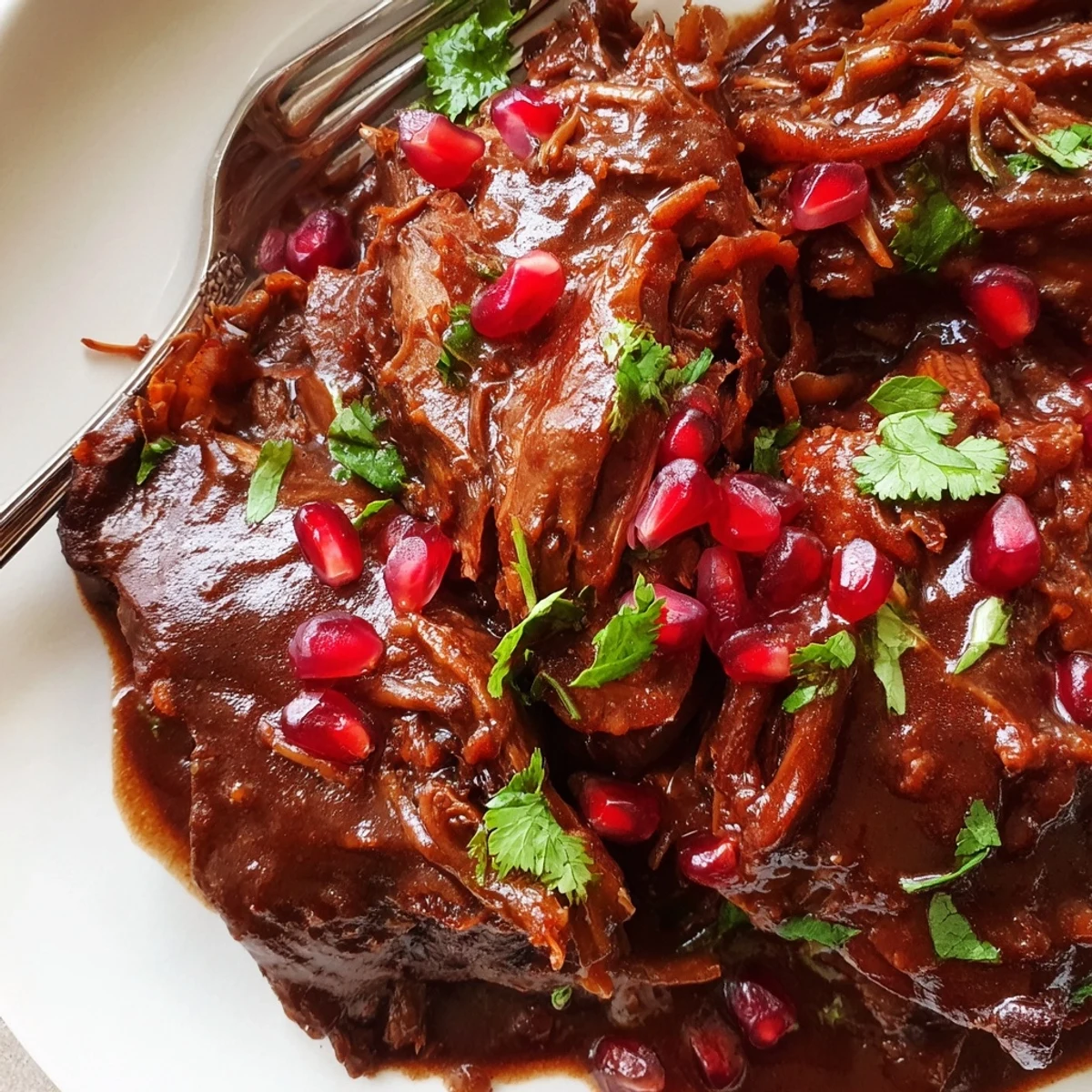
Save This dish highlights succulent lamb shoulder gently braised with aromatic spices like cumin, coriander, and cinnamon, enriched with a tangy touch of pomegranate molasses. The slow cooking tenderizes the meat, allowing the flavors to meld beautifully. Served with a thick, flavorful sauce and garnished with fresh herbs and pomegranate seeds, it’s perfect for gatherings. Preparing involves searing the lamb, sautéing vegetables, simmering with broth and pomegranate components, then a long oven braise to achieve melt-in-your-mouth texture.
I discovered pomegranate molasses entirely by accident at a tiny spice market tucked between two storefronts, where the owner's mother was visiting from Lebanon and insisted I taste everything she'd brought. That tangy-sweet bottle changed how I thought about lamb—suddenly this meat I'd roasted a hundred ways felt brand new. Now when I braise lamb shoulder with pomegranate molasses and those warm spices, the kitchen fills with this smell that makes everyone pause and ask what's cooking.
The first time I made this for my neighbor's dinner party, I was genuinely nervous about the braising time. But I tucked that lamb in the oven, set a timer, and then just... stopped worrying. When we pulled it out, the meat was so impossibly tender that everyone went quiet for a moment before diving in. That's when I realized braising isn't actually hard—it's just patient cooking, and the oven does the real work.
Ingredients
- Bone-in lamb shoulder (4 lb): The bone adds deep, savory flavor to the braising liquid, and the fat renders down to create a silky sauce—ask your butcher to trim the excess exterior fat but leave some for flavor.
- Kosher salt and black pepper: Season generously before searing; this is your only chance to season the meat directly.
- Olive oil: Use good quality for the sear—it matters more here than you'd think.
- Onions, garlic, carrots, celery: These aromatics create the base of your braising liquid and will soften into almost nothing by the end.
- Cumin, coriander, cinnamon, smoked paprika: Bloom these in the hot oil to wake up their flavors before adding liquid.
- Bay leaves and fresh thyme: These anchor the dish with earthiness and keep everything from feeling too sweet.
- Chicken or beef broth: Use homemade if you have it; the quality here carries through to the final sauce.
- Pomegranate juice and pomegranate molasses: The juice provides tang and body, while the molasses brings concentrated, almost wine-like depth—they're different things, so don't skip either one.
- Tomato paste: This adds umami and helps thicken the sauce naturally.
- Pomegranate seeds and fresh cilantro: These are your bright finish—they cut through the richness and make the dish feel alive.
Instructions
- Get your oven ready:
- Preheat to 325°F. This lower temperature is essential for gentle, even cooking that won't dry out the meat.
- Season and sear the lamb:
- Pat the shoulder dry with paper towels, then season all over with salt and pepper. Heat olive oil in a large Dutch oven over medium-high heat until it shimmers, then carefully lay in the lamb. Don't move it—let each side develop a deep brown crust for 4-5 minutes, rotating only once per side. This isn't just for color; it's building flavor.
- Build your aromatic base:
- Once the lamb is seared and set aside, add your sliced onions, garlic, carrots, and celery to the same pot. The fond stuck to the bottom is liquid gold—don't wash it away. Sauté for about 5 minutes until the vegetables soften and the onions turn translucent.
- Toast the spices:
- Stir in cumin, coriander, cinnamon, smoked paprika, bay leaves, and thyme. You'll smell them bloom almost immediately—that's when you know they're awake. Cook for just 1 minute so they don't burn.
- Deglaze and combine:
- Add tomato paste and stir it through the vegetables, coating everything. Pour in your broth, pomegranate juice, and pomegranate molasses all at once, then scrape up those browned bits from the bottom with a wooden spoon. They're concentrated flavor.
- Return the lamb and braise:
- Nestle the seared lamb back into the pot, making sure it's mostly submerged in the liquid. Cover tightly with a lid or foil and transfer to the oven.
- Let time do the work:
- Braise for 2 hours and 30 minutes, until the lamb is so tender it nearly falls apart when you poke it with a fork. You can check it at the 2-hour mark, but resist the urge to open the pot constantly—every time you do, heat escapes.
- Rest and finish:
- Remove the lamb to a cutting board and let it rest for 10 minutes while you skim excess fat from the braising liquid. If the sauce seems thin, simmer it uncovered for 5-10 minutes to concentrate the flavors and thicken slightly.
- Plate with care:
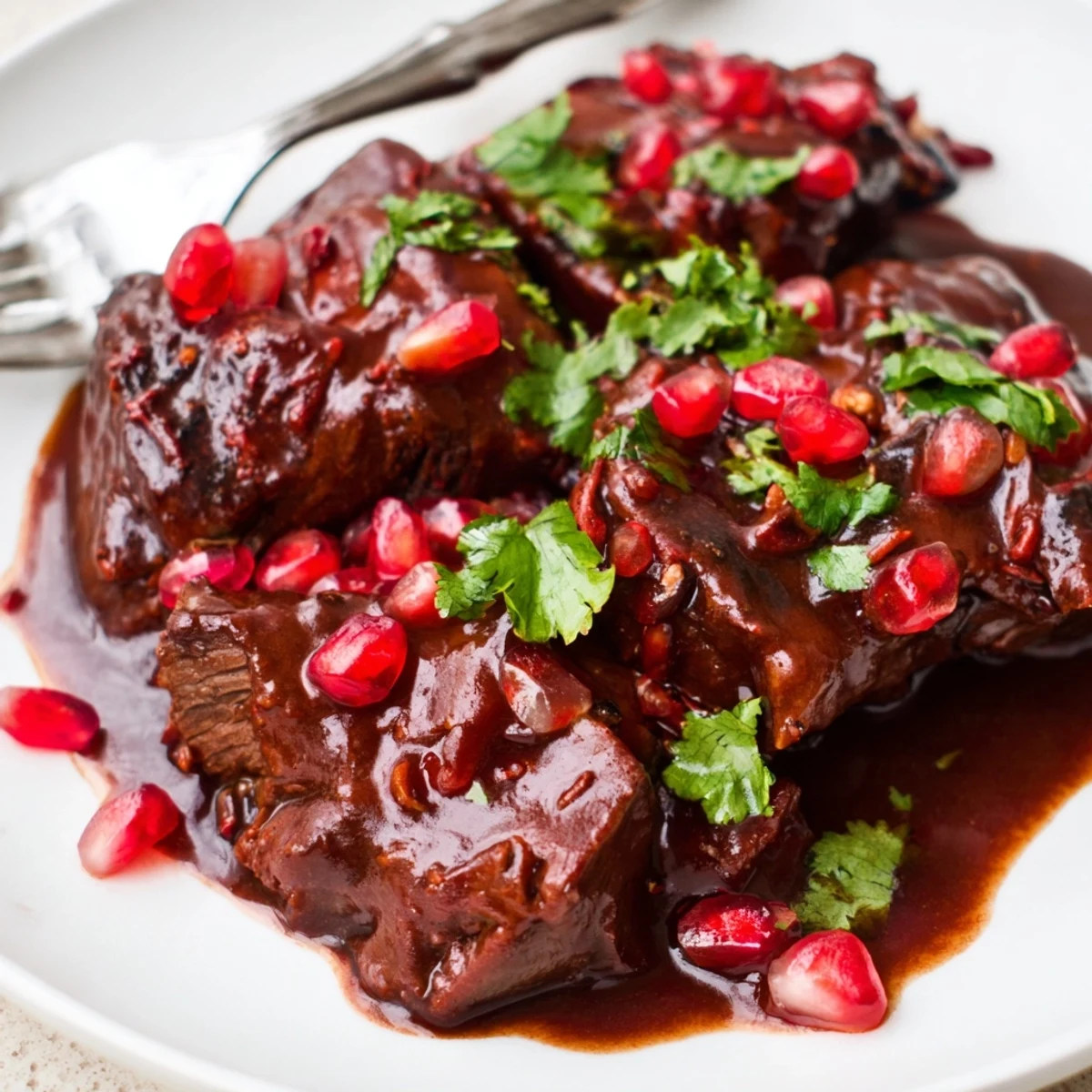
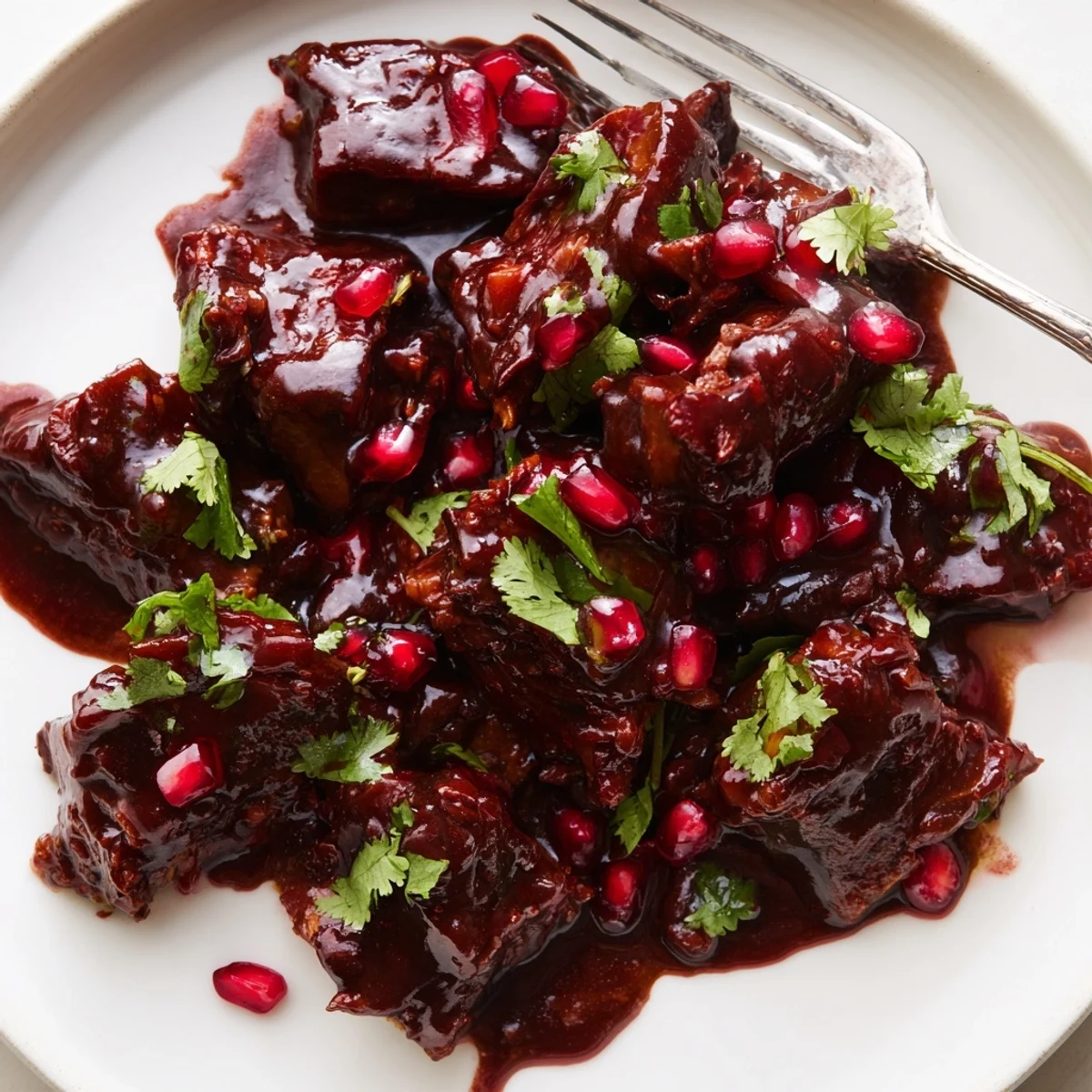
- Slice or shred the lamb into generous pieces, nestle it into a shallow bowl, spoon the dark, glossy sauce around it, and scatter pomegranate seeds and fresh cilantro on top. Let the garnish fall where it will—rustic is better than perfect here.
 Save
Save There's a moment during braising when you walk past the oven and catch that smell—cinnamon, pomegranate, lamb fat all mingling—and suddenly the dish becomes less about feeding people and more about creating a memory they'll mention years later. That's the point when you know you've done something right.
Why Pomegranate Molasses Changes Everything
Before I understood pomegranate molasses, I made lamb with red wine or tomatoes, which were fine but felt familiar. The molasses brings something different—a sophisticated tartness that isn't sharp or vinegary, but rounded and almost ancient tasting, like it's been waiting in a jar for exactly this moment. It doesn't make the dish taste like pomegranate; it makes the lamb taste more like itself. If you can't find pomegranate molasses, you can make a quick substitute by reducing pomegranate juice with a pinch of sugar, though it won't have quite the same complexity.
The Science of Low and Slow
Braising at 325°F works because it's hot enough to break down collagen in the meat slowly and evenly, turning it into gelatin without toughening the muscle fibers. This is why braising actually makes tough, inexpensive cuts tender—the long, moist heat does work that high-heat searing never could. The braising liquid becomes a flavor vehicle too, absorbing spices and aromatics while the meat seasons the liquid in return. It's collaborative cooking at its finest.
Serving and Storing
Serve this over couscous, fluffy rice, or warm flatbread to soak up every drop of sauce—the bread is almost more important than the meat itself. Leftovers actually improve after a day in the refrigerator as the flavors deepen and marry together. You can also freeze the braised lamb and sauce separately for up to three months; thaw overnight in the fridge and gently reheat in a 300°F oven until warmed through.
- Make this a day ahead if you're cooking for guests—it frees up your evening and tastes even better.
- If the sauce breaks or separates, whisk in a spoonful of cold broth off the heat to emulsify it again.
- Fresh herbs and pomegranate seeds should be added just before serving so they stay bright and don't wilt into the warm sauce.
 Save
Save This dish is the kind that brings people together around a table and keeps them talking long after the plates are cleared. It's special enough to make you feel proud but forgiving enough that you'll make it again and again.
Recipe FAQs
- → What cut of meat is best for this dish?
-
Shoulder cut is preferred for its marbling and tenderness after long, slow cooking.
- → Can I use a substitute for pomegranate molasses?
-
Yes, a mix of pomegranate juice and a touch of balsamic vinegar can mimic the tangy-sweet flavor.
- → How long should the lamb be braised?
-
Approximately 2 ½ hours in a low oven until the meat is tender and easy to shred.
- → What sides complement this lamb preparation?
-
Light grains like couscous or rice, and flatbreads balance the rich flavors well.
- → Is it necessary to marinate the meat overnight?
-
While optional, marinating overnight enhances depth of flavor and tenderness.