 Save
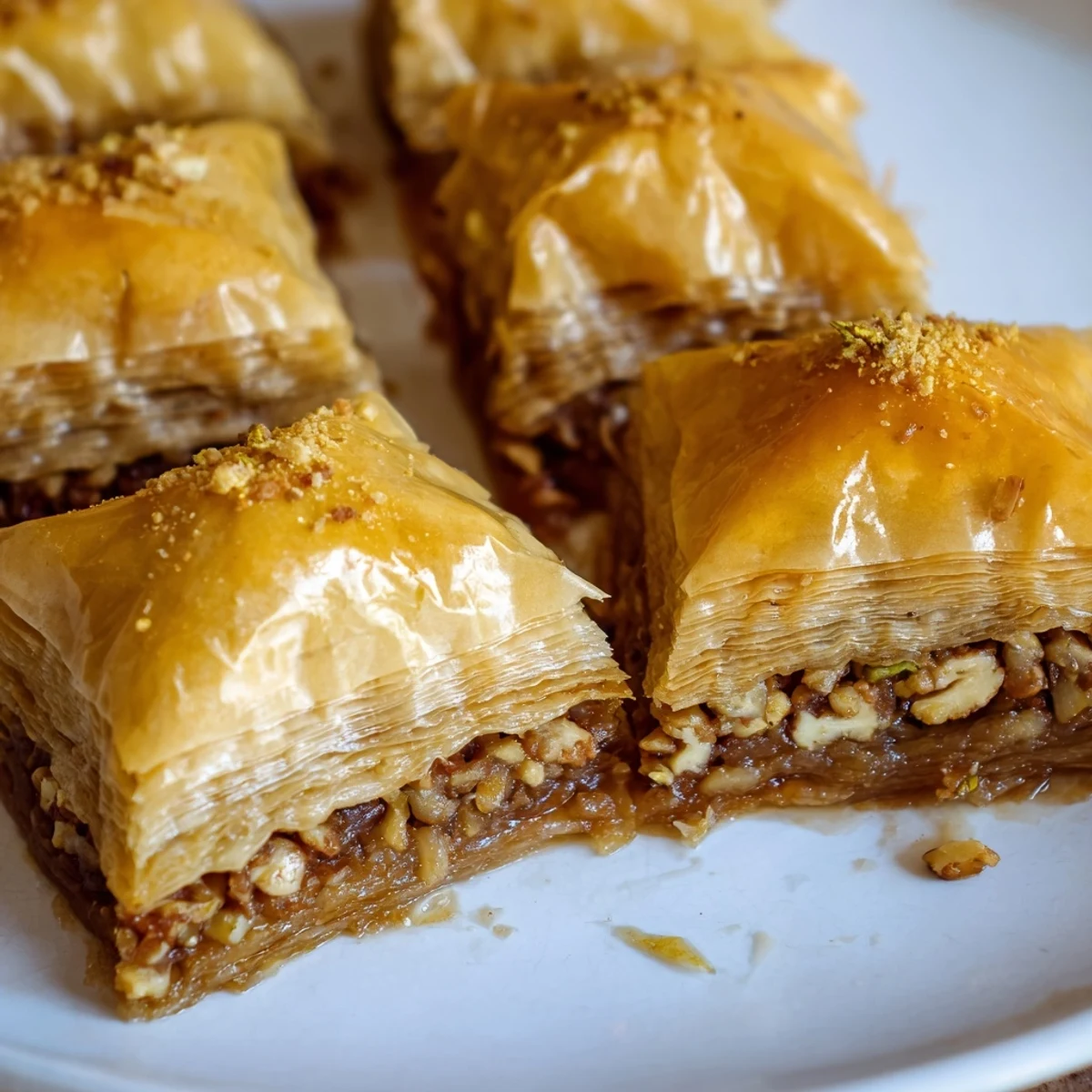
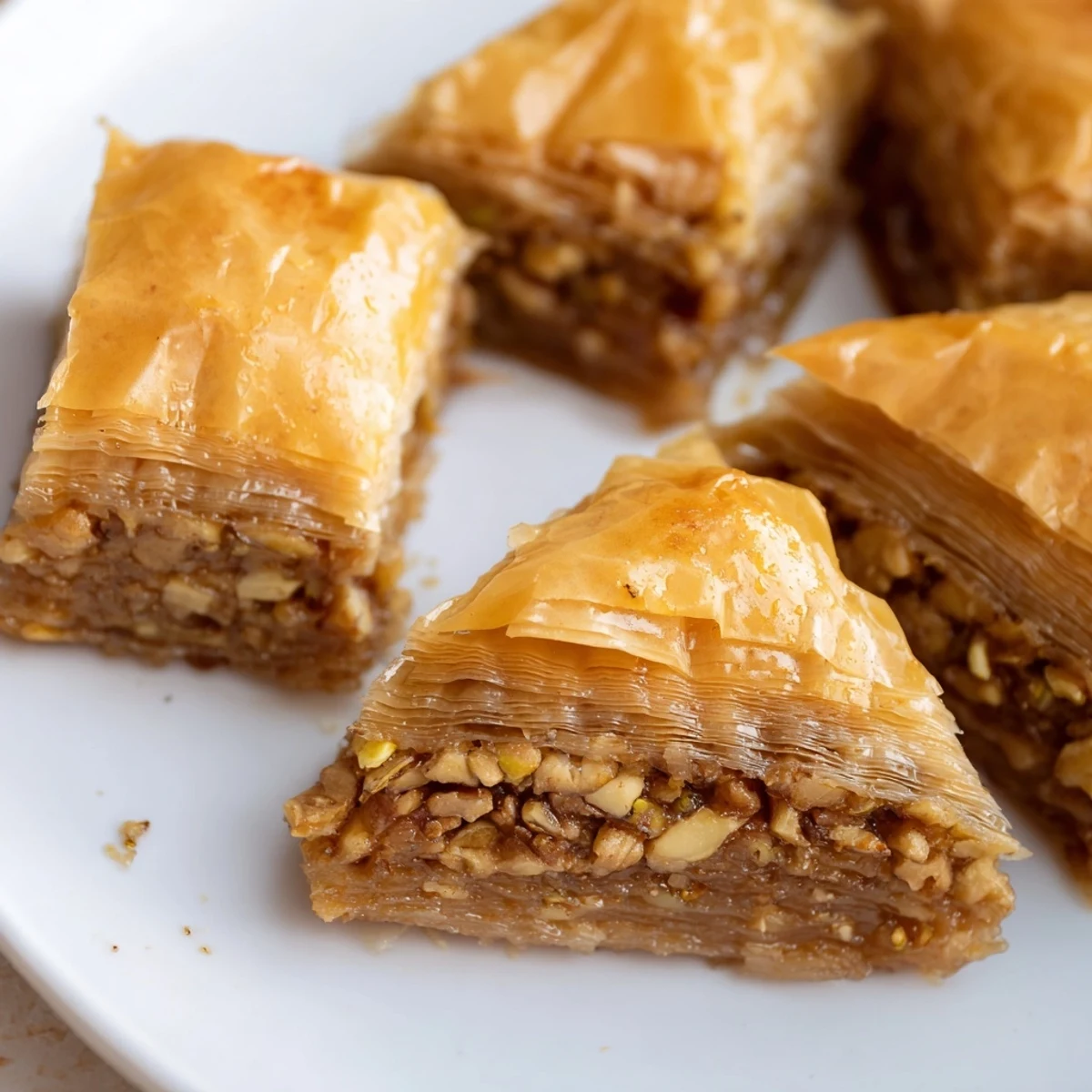
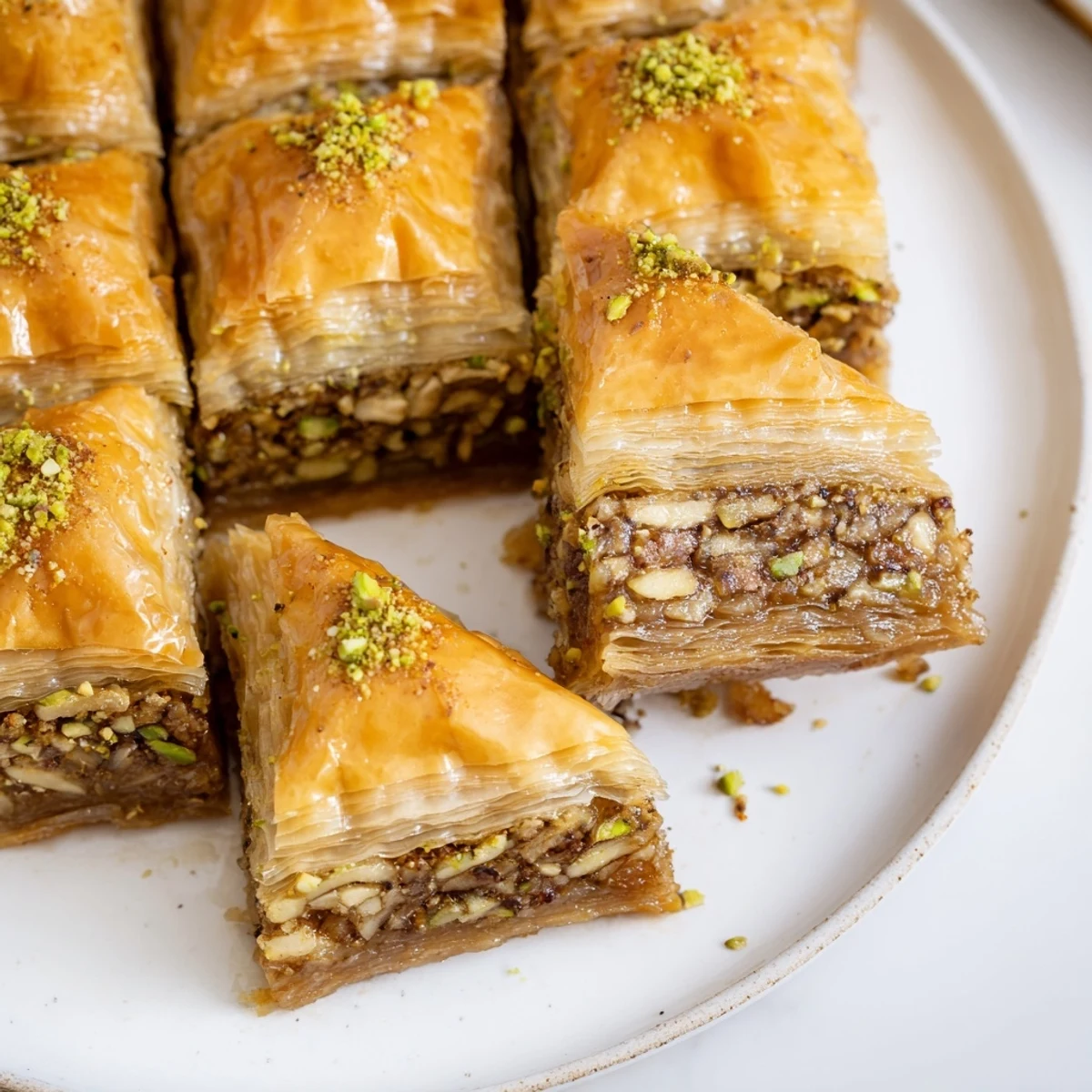
Save This traditional Bosnian dessert creates beautiful layers of crisp phyllo dough filled with a warming blend of walnuts, almonds, and pistachios scented with cinnamon and cloves. Each golden sheet is brushed with melted butter before baking to a perfect crunch. While still hot from the oven, the pastry absorbs a fragrant syrup made from sugar, honey, lemon juice, and optional rose water. The result is an indulgent sweet that balances crisp texture with syrupy richness. Best made ahead to allow flavors to deepen and syrup to fully penetrate every layer. Serve with strong Bosnian coffee or black tea for an authentic experience.
The first time I attempted baklava, my grandmother watched from her kitchen armchair, silently amused as I wrestled with tissue-thin phyllo sheets that kept tearing. She finally leaned over, took the pastry brush from my hand, and showed me that confidence matters more than perfection when working with dough this delicate. That afternoon changed everything about how I approach pastry work and patience in the kitchen.
I brought this Bosnian baklava to a neighborhood potluck last winter, and it vanished within ten minutes. Three different neighbors asked for the recipe, and one admitted she'd been thinking about those diamond shaped pastries for weeks afterward. Theres something universally comforting about honey drenched nut layers that transcends cultural boundaries.
Ingredients
- Phyllo dough: Thaw frozen sheets completely in the refrigerator overnight, then let them come to room temperature still wrapped to prevent drying out and cracking
- Walnuts: These form the traditional backbone of Bosnian baklava, so pulse them until finely ground but not turning into nut butter
- Almonds: Their subtle sweetness balances the walnuts earthiness and adds complexity to each bite
- Pistachios: Optional but lovely for color and a slightly resinous flavor that pairs beautifully with honey
- Sugar: Essential not just for sweetness but for creating that signature syrup that properly soaks into the pastry layers
- Ground cinnamon: The warm spice that makes baklava instantly recognizable and comforting
- Ground cloves: Just a quarter teaspoon adds deep warmth without overpowering the delicate nut flavors
- Unsalted butter: Melt completely and keep it warm as you work, as cold butter can tear phyllo sheets
- Water: Forms the base of your soaking syrup, helping it penetrate every crisp layer
- Honey: Adds floral depth that granulated sugar alone cannot achieve
- Lemon juice: Cuts through the sweetness and prevents the syrup from crystallizing as it cools
- Rose water or orange blossom water: That signature Middle Eastern and Balkan touch that transports you straight to Sarajevo
Instructions
- Prepare your oven and pan:
- Preheat to 180°C (350°F) and generously brush a 23x33 cm baking pan with melted butter, paying attention to the corners
- Mix the nut filling:
- Combine walnuts, almonds, pistachios if using, sugar, cinnamon, and cloves in a large bowl until evenly blended
- Layer the foundation:
- Place one phyllo sheet in the pan, brush lightly but thoroughly with butter, and repeat until you have 6 to 8 buttered sheets stacked
- Add first nut layer:
- Sprinkle one third of your nut mixture evenly across the phyllo, covering right to the edges
- Build the middle layers:
- Add 4 to 5 more buttered phyllo sheets, then another third of the nuts, followed by another 4 to 5 buttered sheets and the remaining nuts
- Finish with top layers:
- Layer the remaining phyllo sheets, buttering each one thoroughly including the very top layer
- Cut before baking:
- Use a sharp knife to cut completely through the stack into diamonds or squares, as cutting after baking will shatter the crisp layers
- Bake until golden:
- Bake for 35 to 40 minutes until the phyllo turns deep golden brown and crisp throughout
- Prepare the syrup:
- While baklava bakes, combine sugar, water, and lemon juice in a saucepan and boil for 8 to 10 minutes until slightly thickened
- Finish the syrup:
- Remove from heat and stir in honey and rose water or orange blossom water if using
- Combine and cool:
- Pour hot syrup evenly over hot baklava the moment it comes out of the oven, then let cool completely so every layer absorbs the sweet liquid
 Save
Save My aunt always said the hardest part of making baklava is waiting until the next day to eat it. She taught me that this patience transforms it from merely good to absolutely transcendent, as the syrup works its way into every buttered crevice while you sleep.
Working With Phyllo Dough
Keep unused phyllo sheets covered with a damp towel while you work, as they dry out within minutes. If a sheet tears, simply patch it with another piece and keep going since the multiple layers hide any imperfections.
Serving Suggestions
Baklava needs nothing more than a cup of strong black coffee or traditional Bosnian coffee to cut through the sweetness. The slight bitterness of coffee creates perfect balance with honey and butter.
Make Ahead Wisdom
This recipe actually improves with time, making it ideal for preparing a day before entertaining. The flavors deepen and the texture achieves that perfect syrup soaked tenderness that makes baklava legendary.
- Store in an airtight container at room temperature for up to a week
- Never refrigerate baklava as it makes the phyllo tough and loses the crisp texture
- Freeze unbaked baklava for up to three months, then bake and add syrup when ready to serve
 Save
Save Every time I serve this baklava, I think of my grandmother's hands guiding mine over that first fragile sheet of phyllo. Some recipes teach you more than cooking, they teach you about patience and the beauty of things worth waiting for.
Recipe FAQs
- → What makes Bosnian baklava different from other versions?
-
Bosnian baklava typically features a simpler nut filling focusing on walnuts with almonds and pistachios as complements, plus the signature addition of lemon juice and optional rose water in the syrup for a fragrant, balanced sweetness.
- → Why must the syrup be poured over hot baklava?
-
Pouring hot syrup onto hot pastry ensures proper absorption and creates the signature texture. The heat helps the syrup penetrate deeply while maintaining the crisp layers, preventing soggy results.
- → Can I make baklava ahead of time?
-
Yes, baklava actually improves when made a day ahead. This allows the syrup to fully absorb and the flavors to meld together. Store in an airtight container at room temperature for up to a week.
- → How do I prevent phyllo from drying out?
-
Keep unused phyllo covered with a damp towel or plastic wrap while working. Work quickly but carefully, and butter each layer immediately after placing it to prevent drying and cracking.
- → What can I substitute for rose water?
-
Orange blossom water makes an excellent alternative providing similar floral notes. If you prefer omitting floral elements entirely, the syrup still tastes delicious with just honey and lemon juice.
- → Why cut baklava before baking?
-
Cutting before baking ensures clean edges and prevents the layered pastry from shattering when sliced after cooking. Use a sharp knife and cut completely through to the bottom of the pan.