
 Save
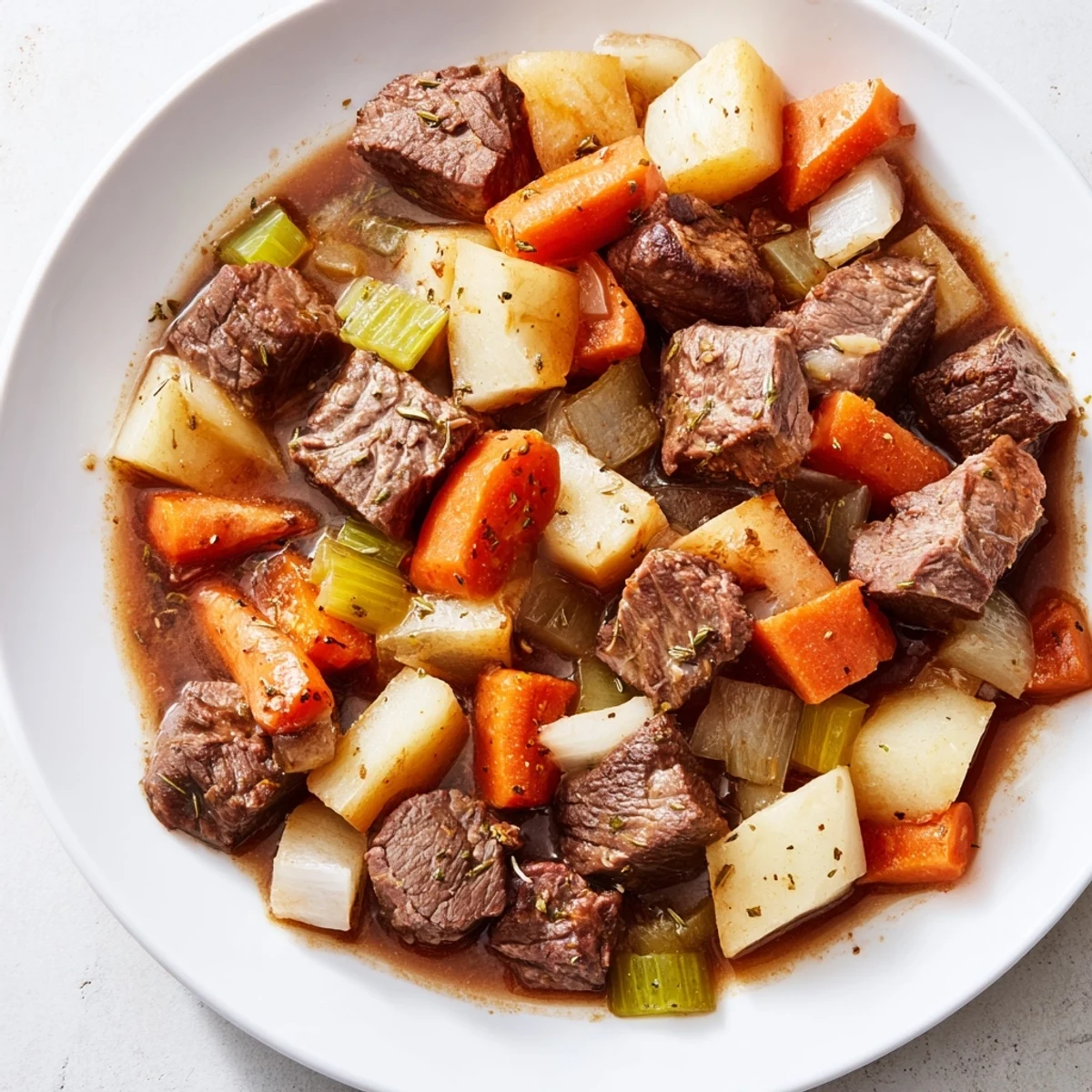
Save This dish features succulent chunks of beef slowly cooked with carrots, parsnips, potatoes, and turnips in a fragrant broth enriched with red wine and herbs. The simmering process allows flavors to meld, producing a rich and hearty meal perfect for cozy dinners. Aromatics like garlic, onion, thyme, and rosemary enhance the savory depth. Optional thickening with cornstarch adds a velvety texture, while garnishes like fresh parsley can elevate freshness. Serve with crusty bread or mashed potatoes to complete the experience.
My grandmother used to make beef stew every Sunday without fail, and the way it filled the whole house with that impossible-to-describe aroma of comfort and warmth is something I still chase after every time I make it myself. Last winter during a brutal snowstorm, I found myself staring at an empty refrigerator and a package of chuck roast I'd forgotten about. The stew that resulted wasn't fancy orInstagram-worthy, but standing over that steaming pot while snow piled up outside felt like embracing a long-lost friend.
I once made this for a group of friends who had just moved into their first apartment together, still unpacking boxes and eating takeout on the floor. When I walked in with that heavy Dutch oven, something shifted in the room. We ended up sitting cross-legged around that stew for hours, and somehow that bubbling pot made that empty space feel like home before they'd even hung up curtains.
Ingredients
- Beef chuck: Chuck roast has the perfect amount of marbling and connective tissue that breaks down beautifully during slow cooking, becoming impossibly tender while lending incredible depth to the broth
- Carrots: Use whole carrots cut into chunks rather than baby carrots, which have been treated and don't develop that same natural sweetness during long cooking
- Parsnips: These often-overlooked roots add a subtle, sweet-spicy flavor that perfectly balances the beef and becomes incredibly creamy as they simmer
- Potatoes: Yukon Gold or red potatoes hold their shape better than Russets while still becoming creamy enough to help thicken the stew naturally
- Turnips: Slightly bitter when raw but mellow into something wonderfully complex and earthy in the long simmer, adding sophistication to the flavor profile
- Onion: Yellow onions become sweet and savory as they cook down, forming the flavor backbone of the entire dish
- Garlic: Minced fresh garlic adds aromatic depth that dried garlic simply cannot replicate in a long-simmered dish like this
- Celery: Provides essential aromatic notes and subtle crunch that prevents the vegetable medley from becoming too soft
- Beef broth: Use a good-quality broth or stock, preferably homemade, because it constitutes a significant portion of the final flavor
- Dry red wine: The acid helps break down connective tissue in the meat while adding fruity complexity and depth
- Tomato paste: Concentrates into a rich, umami-packed element that deepens the color and flavor of the broth
- Bay leaves: Essential for that classic stew flavor, adding subtle floral notes that tie all the ingredients together
- Dried thyme: Earthy and slightly minty, thyme complements beef and root vegetables beautifully
- Dried rosemary: Piney and aromatic, a little goes a long way in cutting through the richness of the meat
- Salt and pepper: Season generously at each stage, not just at the end, to build layers of flavor
- Vegetable oil: A neutral oil with a high smoke point is essential for properly searing the meat without burning
- Cornstarch or flour: Optional for thickening at the end, though the potatoes and long cooking time naturally create a rich body
Instructions
- Prep the beef for maximum flavor:
- Pat the beef cubes completely dry with paper towels, then season generously with salt and pepper on all sides, as this creates a beautiful crust during searing
- Sear the beef in batches:
- Heat 2 tablespoons oil in a large Dutch oven over medium-high heat until shimmering, then add beef in a single layer without overcrowding, turning to brown all sides before transferring to a plate
- Build the aromatic base:
- Add the remaining oil to the pot and sauté the onion and celery for 3 to 4 minutes until softened and fragrant, then stir in the garlic and cook for just 1 minute until aromatic
- Develop depth with tomato paste:
- Add the tomato paste and cook for another minute, stirring constantly to caramelize it slightly and develop its rich flavor
- Deglaze the pot:
- Pour in the red wine and use a wooden spoon to scrape up all the browned bits from the bottom, then let it simmer for 2 minutes to cook off the alcohol
- Combine everything:
- Return the beef and any accumulated juices to the pot, then add the broth, bay leaves, thyme, rosemary, carrots, parsnips, potatoes, and turnips, stirring to combine
- Simmer slowly:
- Bring to a gentle boil, then reduce heat to low, cover, and simmer for 1.5 to 2 hours until the beef and vegetables are fork-tender
- Optional thickening:
- If desired, mix cornstarch or flour with 2 tablespoons water to make a smooth slurry, stir into the stew, and simmer uncovered for 5 to 10 minutes until thickened
- Final seasoning and serve:
- Remove the bay leaves, taste and adjust seasoning with salt and pepper, then serve hot with crusty bread or over mashed potatoes
 Save
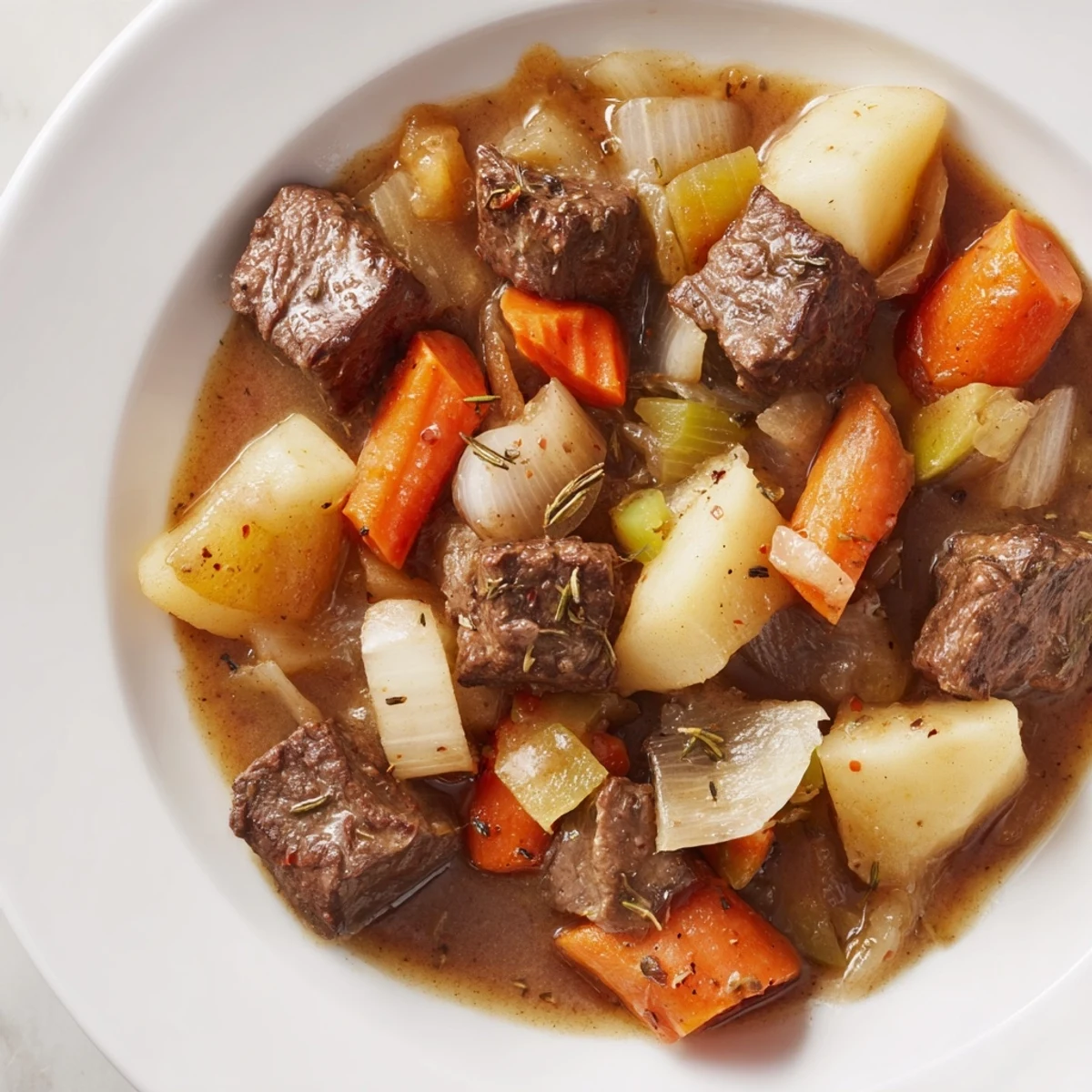
Save There's something almost meditative about making beef stew, the way the house gradually fills with those smells, the way you can leave it mostly alone while it works its magic. I've learned that the best stews happen when you're not rushing, when you can give it that occasional stir and taste, adjusting as you go. The first time I made this without following a strict recipe, just tasting and adding, I finally understood what cooks mean when they say recipes are more guidelines than rules.
Choosing the Right Wine
After years of using whatever random red wine happened to be open, I discovered that a medium-bodied wine like a Pinot Noir or Merlot works best. Too heavy and it overpowers the vegetables, too light and it disappears completely. The wine should be good enough to drink, but not necessarily something expensive, since its nuances will transform during cooking.
Timing Your Vegetables
I learned the hard way that adding all vegetables at the same time results in mushy carrots and firm potatoes. Now I add the harder vegetables like carrots and turnips first, then the softer potatoes about halfway through. This small adjustment makes a remarkable difference in the final texture, keeping each vegetable distinct but perfectly tender.
Making It Your Own
Once you've made this recipe a few times, you'll start developing your own preferences and additions. Some nights I add pearl onions for extra sweetness, other times I throw in some mushrooms during the last 30 minutes. The beauty of a classic stew like this is how forgiving it is, how it welcomes personal touches while still delivering that soul-satisfying comfort we're all craving.
- Try adding a splash of balsamic vinegar at the end for unexpected depth
- Fresh parsley added just before serving brightens the whole dish
- A piece of Parmesan rind simmered with the stew adds incredible umami
 Save
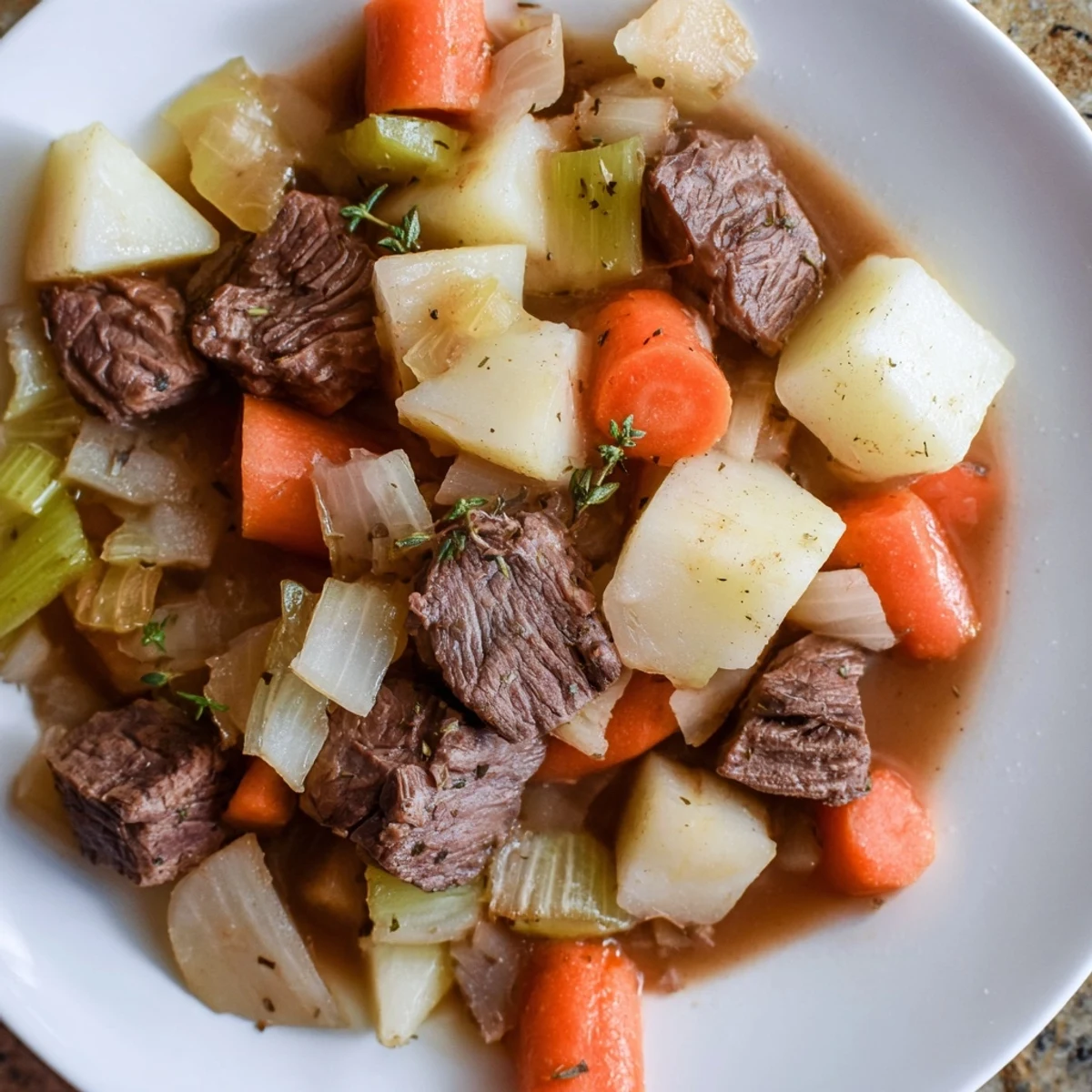
Save There's honestly nothing quite like sitting down to a bowl of this stew while it's still cold outside, steam rising up as you take that first bite. It's more than just dinner somehow, it's comfort in a bowl, a reminder that good things take time but are absolutely worth the wait.
Recipe FAQs
- → What cut of beef works best for this stew?
-
Beef chuck is ideal due to its marbling and tenderness after slow cooking, ensuring flavorful, tender pieces.
- → Can I substitute the root vegetables?
-
Yes, alternatives like rutabaga can replace turnips, while maintaining the hearty vegetable medley.
- → How can I thicken the stew if desired?
-
Mix cornstarch or flour with cold water to create a slurry and stir into the simmering pot until the texture thickens.
- → What enhances the flavor of the broth?
-
Red wine, herbs like thyme and rosemary, and sautéed garlic and onions create a deeply savory and aromatic broth.
- → Can this dish be prepared ahead of time?
-
Yes, flavors deepen when refrigerated overnight. Reheat gently before serving for best taste.