
 Save
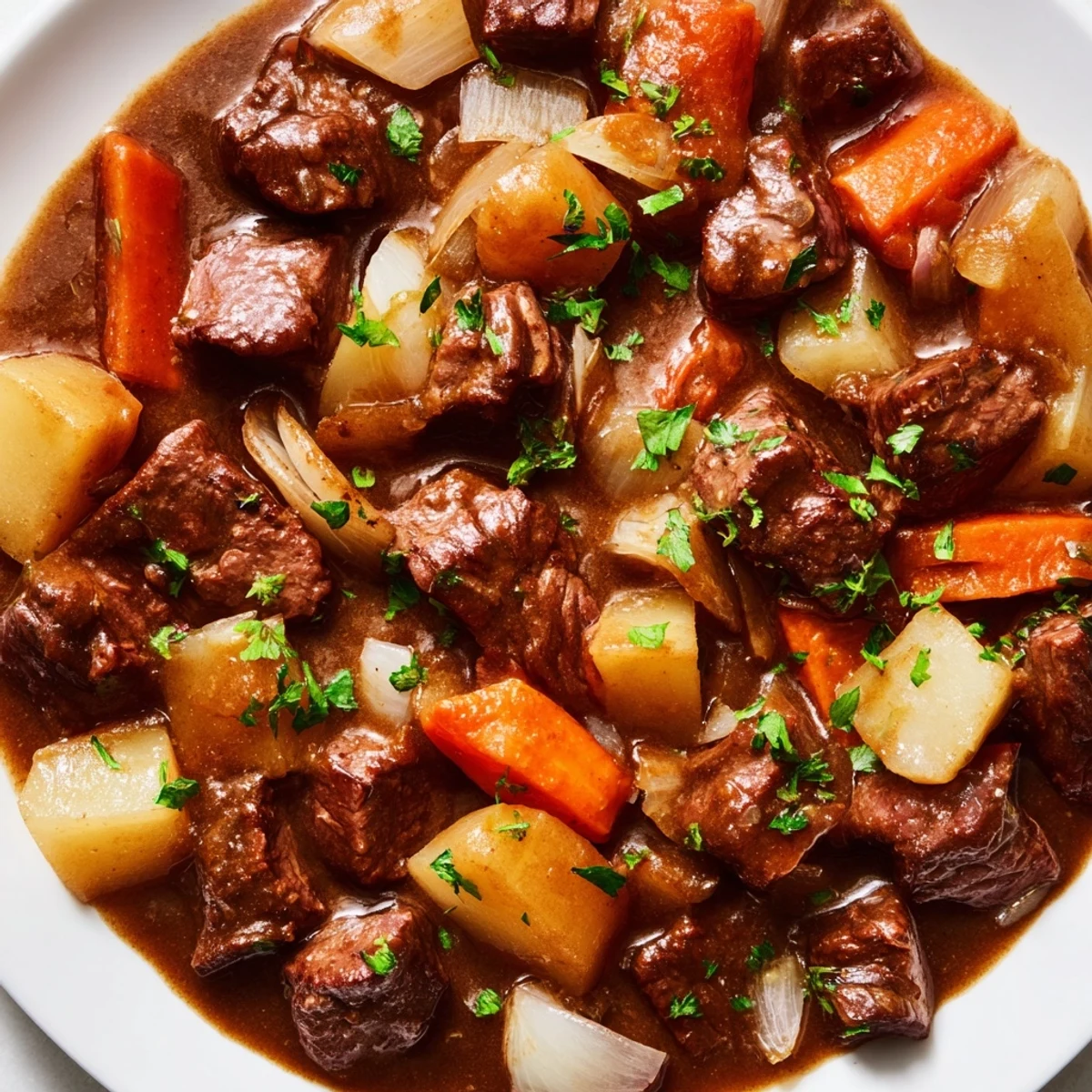
Save This dish combines succulent beef chunks with an assortment of root vegetables like carrots, parsnips, potatoes, and rutabaga, simmered slowly in a broth enriched with red wine, tomato paste, thyme, rosemary, and fresh parsley. The result is a thick, hearty bowl full of layered flavors and tender textures, ideal for a satisfying main course during cooler seasons. The slow cooking fosters a rich meld of aromas and depth, while options like gluten-free broth or cornstarch thickening make it adaptable for dietary needs.
The windows were fogged up completely, and I could hear rain tapping against the glass. My tiny apartment smelled like red wine and browning meat, and I remember thinking this is what Sunday afternoons should always feel like. I'd been nervous about attempting beef stew, worried it would turn out tough or bland like my first few attempts years ago.
My neighbor Mrs. Higgins knocked on my door while it was simmering, drawn by the aroma. She taught me that rutabaga was the secret ingredient most people forget, and now I can't imagine making this stew without it. We ended up eating bowls together at her tiny kitchen table while she told me about her mother's version, made during wartime rationing when every ingredient counted.
Ingredients
- Beef chuck: Chuck is the gold standard for stew because it has enough marbling to stay tender through long cooking. I've tried using sirloin once, and it turned tough and stringy, so I stick with chuck every time now.
- Carrots and parsnips: These sweet root vegetables balance the richness of the meat. The parsnips add this lovely, slightly nutty sweetness that regular carrots can't achieve alone.
- Onion and celery: This aromatic base builds that deep, savory foundation. Don't rush this step, even when you're hungry and impatient like I often am.
- Garlic: Fresh minced garlic adds that punch of flavor. I once used garlic powder in a pinch, and honestly, it just wasn't the same.
- Potatoes: They soak up flavor and help naturally thicken the stew. Yukon Golds hold their shape better than russets, which can sometimes fall apart.
- Small rutabaga or turnip: This is the game changer that adds a slight bitterness and complexity. Mrs. Higgins was right about this one.
- Beef broth: Use a good quality broth you would drink on its own. I learned this after using a cheap brand once and the whole stew tasted flat and salty.
- Dry red wine: The acid cuts through the richness and adds depth. Any drinkable red works, but I've had good luck with basic cabernet or merlot.
- Tomato paste: This concentrates the flavors and adds a rich, savory undertone. Don't skip it, even if it seems like a small amount.
- Dried thyme and rosemary: These woody herbs hold up beautifully to long cooking. Fresh herbs can turn bitter, so dried actually works better here.
- Bay leaves: They add this subtle, earthy background flavor. Just remember to fish them out before serving.
- Fresh parsley: Added at the end, it brings this bright, fresh note that lifts the whole dish. I grow it in my windowsill just for recipes like this.
- Olive oil: For browning the beef properly. Don't use extra virgin here, regular olive oil has a higher smoke point.
- Cornstarch or flour: This gives you control over the final thickness. I prefer cornstarch because it creates a glossy, clear finish rather than cloudy flour.
Instructions
- Prep your beef for the best browning:
- Pat those cubes completely dry with paper towels, then season generously with salt and pepper. Any moisture on the surface will steam the meat instead of creating that gorgeous brown crust we're after.
- Brown the beef in batches:
- Heat your Dutch oven over medium high heat with two tablespoons of olive oil until it's shimmering. Add the beef in a single layer and let it develop a deep brown crust for about 3 to 4 minutes per side. Don't crowd the pot or the meat will steam instead of brown, and transfer each batch to a plate to catch all those juices.
- Sauté the vegetables:
- Add that remaining tablespoon of oil to the pot, then toss in your onion, carrots, parsnips, celery, and rutabaga. Let them soften and develop some color for about 5 minutes, stirring occasionally. Add the garlic for just one minute at the end so it doesn't burn and turn bitter.
- Build the flavor base:
- Stir in the tomato paste and let it cook for a full minute. This step caramelizes the sugars in the paste, which deepens the overall flavor of the whole stew.
- Deglaze and start the simmer:
- Pour in that red wine if you're using it, and use your wooden spoon to scrape up every bit of browned goodness from the bottom of the pot. Let it bubble for 2 to 3 minutes until it reduces slightly, then add back your beef along with any accumulated juices.
- Add the liquids and herbs:
- Pour in your beef broth and tuck in the bay leaves, thyme, and rosemary. Bring everything to a gentle simmer, watching as the liquid turns this beautiful deep brown.
- The long, slow cook:
- Reduce your heat to low, cover the pot with a heavy lid, and let it cook undisturbed for 1.5 hours. Check on it occasionally to give it a gentle stir, but try not to lift the lid too often or you'll lose valuable heat.
- Add the potatoes:
- Stir in your diced potatoes, cover again, and continue simmering for another 30 minutes. You'll know it's done when the beef yields easily to a fork and the vegetables are tender all the way through.
- Thicken to your liking:
- If you prefer a thicker stew, whisk the cornstarch or flour with two tablespoons of cold water until smooth, then stir it into the bubbling stew. Let it simmer uncovered for 5 to 10 minutes until it coats the back of a spoon.
- Finish with fresh herbs:
- Fish out those bay leaves and stir in your fresh parsley. Give it a taste and adjust the seasoning if it needs more salt or pepper.
- Serve it up:
- Ladle hot into bowls and garnish with extra fresh parsley if you're feeling fancy. The steam that rises up when you first break the surface is pure magic.
 Save
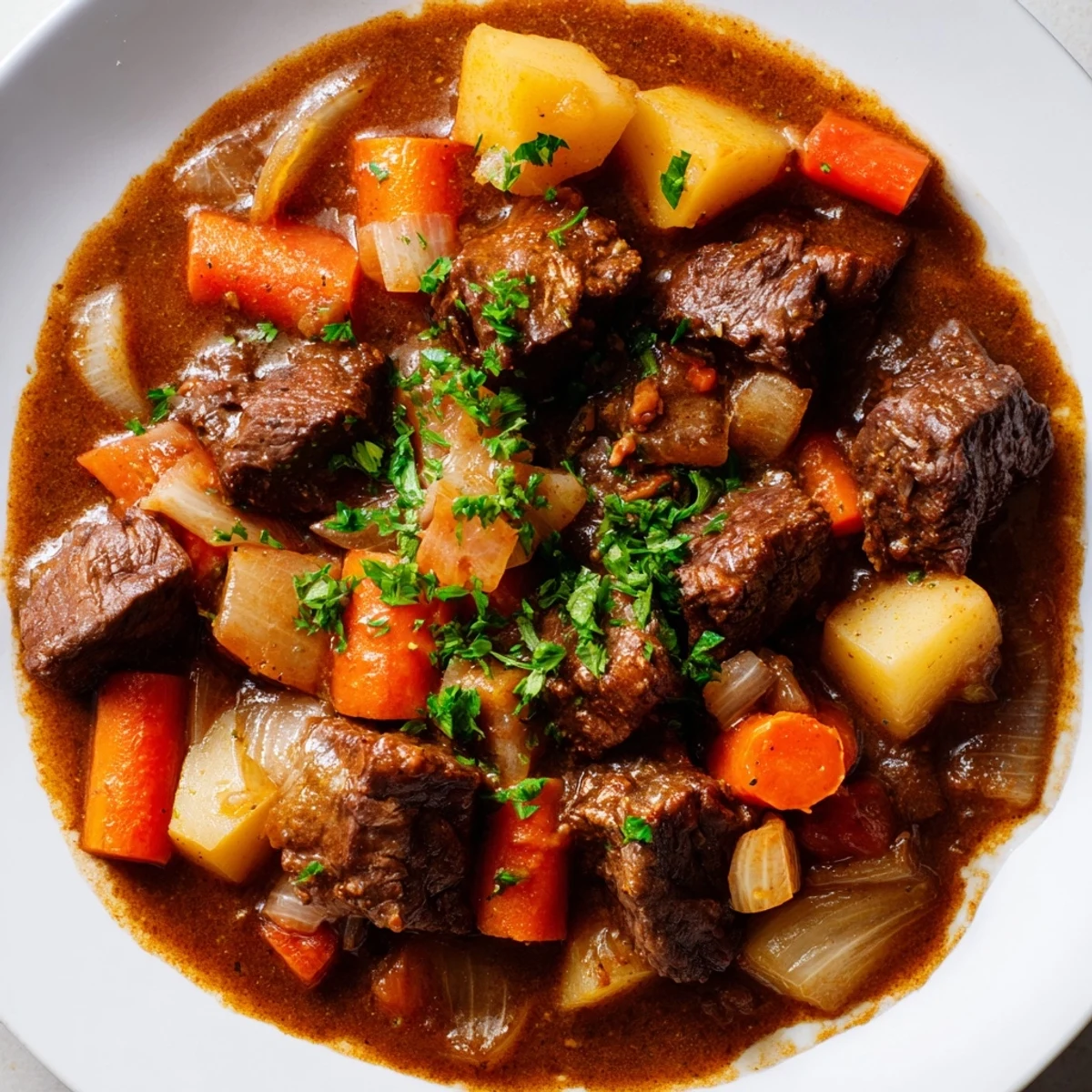
Save Last winter, my sister came over after a terrible breakup and we sat at the counter eating this stew straight from the pot. She said it was the first thing that actually tasted good in weeks, and somehow that simple compliment meant more than any elaborate meal I've ever prepared.
Make It Your Own
I've learned that beef stew is incredibly forgiving once you understand the basics. Sometimes I throw in a diced sweet potato if I'm craving extra sweetness, or add a splash of balsamic vinegar at the end for brightness.
The Wine Question
When I first started cooking, I was intimidated by recipes that called for wine. Now I keep boxed red wine specifically for cooking, it stays fresh longer and I never feel guilty using a cup for stew.
Serving Suggestions That Work
This stew deserves to be the star of the show, but the right sides can elevate it even further. I've served it many different ways depending on my mood and what's in the pantry.
- Crusty bread for soaking up every last drop of broth
- A simple green salad with sharp vinaigrette to cut the richness
- Mashed potatoes if you want to go full comfort food mode
 Save
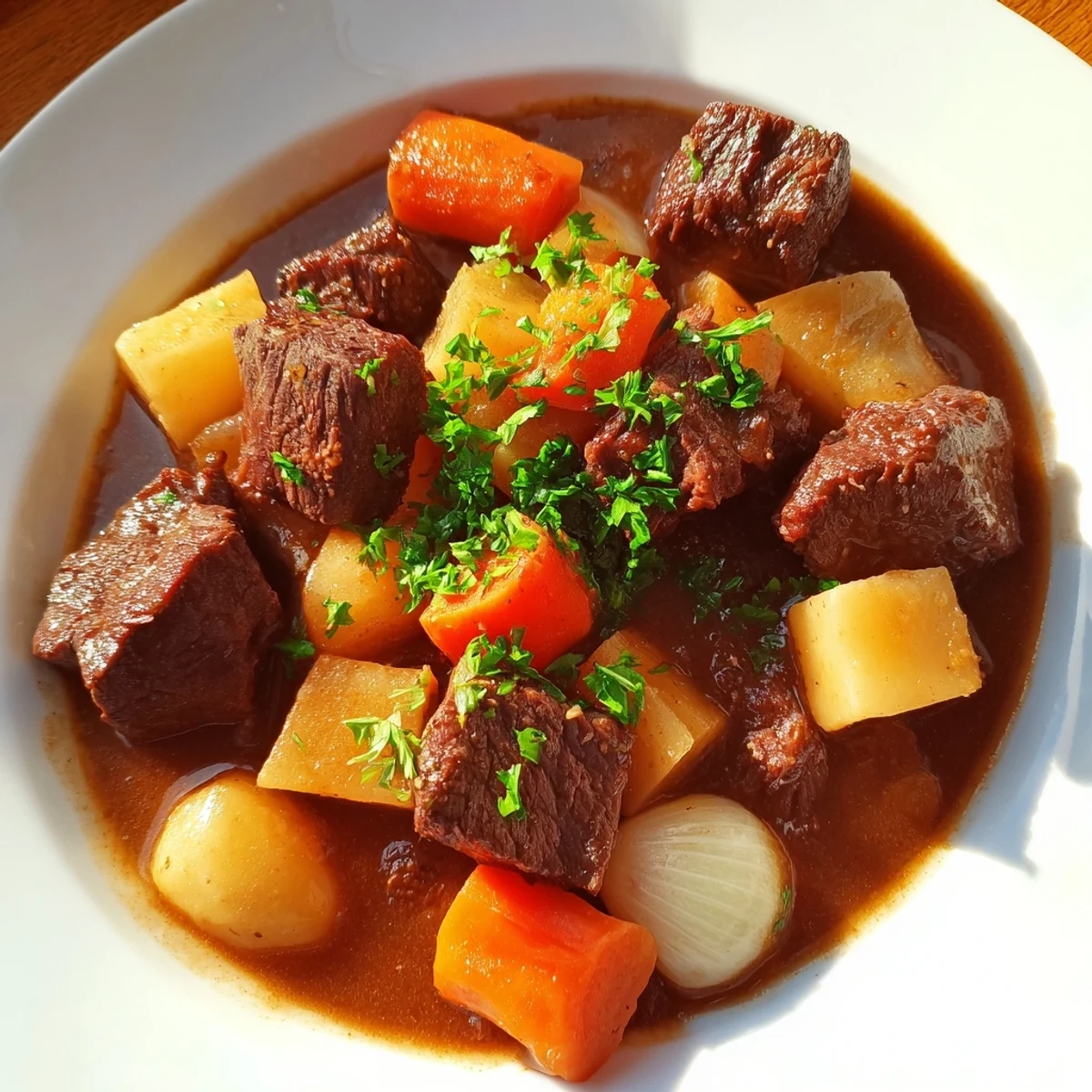
Save There's something deeply satisfying about a recipe that rewards patience and simple ingredients, and this beef stew has never let me down. Whether it's a rainy Sunday or just a Tuesday that needs saving, this stew is there.
Recipe FAQs
- → What cuts of beef work best?
-
Beef chuck cut into cubes is ideal due to its marbling, which breaks down during slow cooking to yield tender, flavorful meat.
- → Can I substitute the root vegetables?
-
Yes, swappable options include sweet potatoes, celeriac, or turnips to provide similar texture and earthiness.
- → Is red wine necessary in the liquid base?
-
Red wine adds depth and acidity but can be omitted or replaced with additional broth for a milder profile.
- → How can I thicken the stew if needed?
-
Mix cornstarch or flour with cold water before stirring into the simmering stew and cook until thickened.
- → What herbs enhance the flavor here?
-
Dried thyme and rosemary paired with fresh parsley balance the richness with aromatic freshness.
- → Can this dish be prepared in a slow cooker?
-
Yes, after browning the beef and sautéing veggies, transfer everything to a slow cooker and cook on low for 8 hours.