
 Save
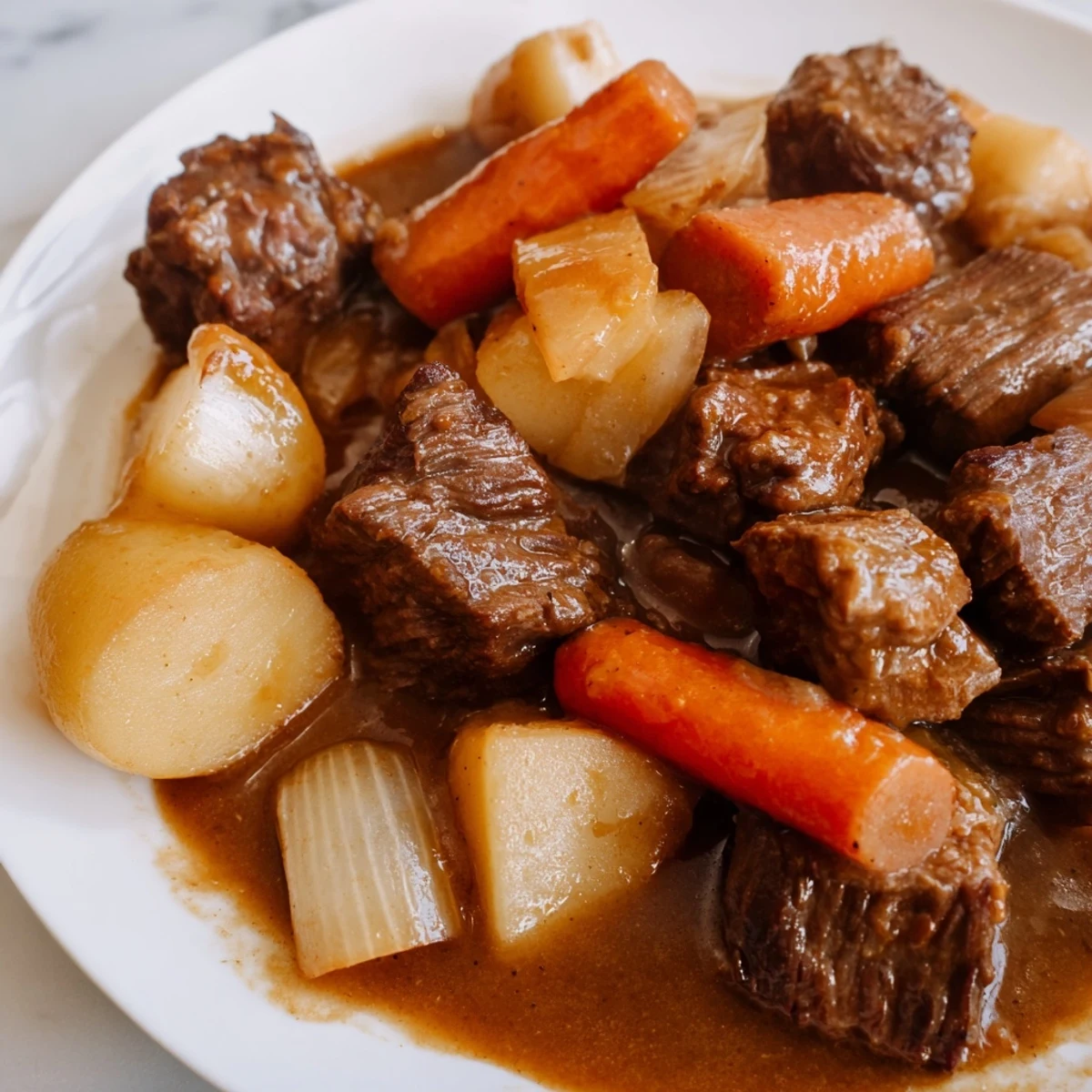
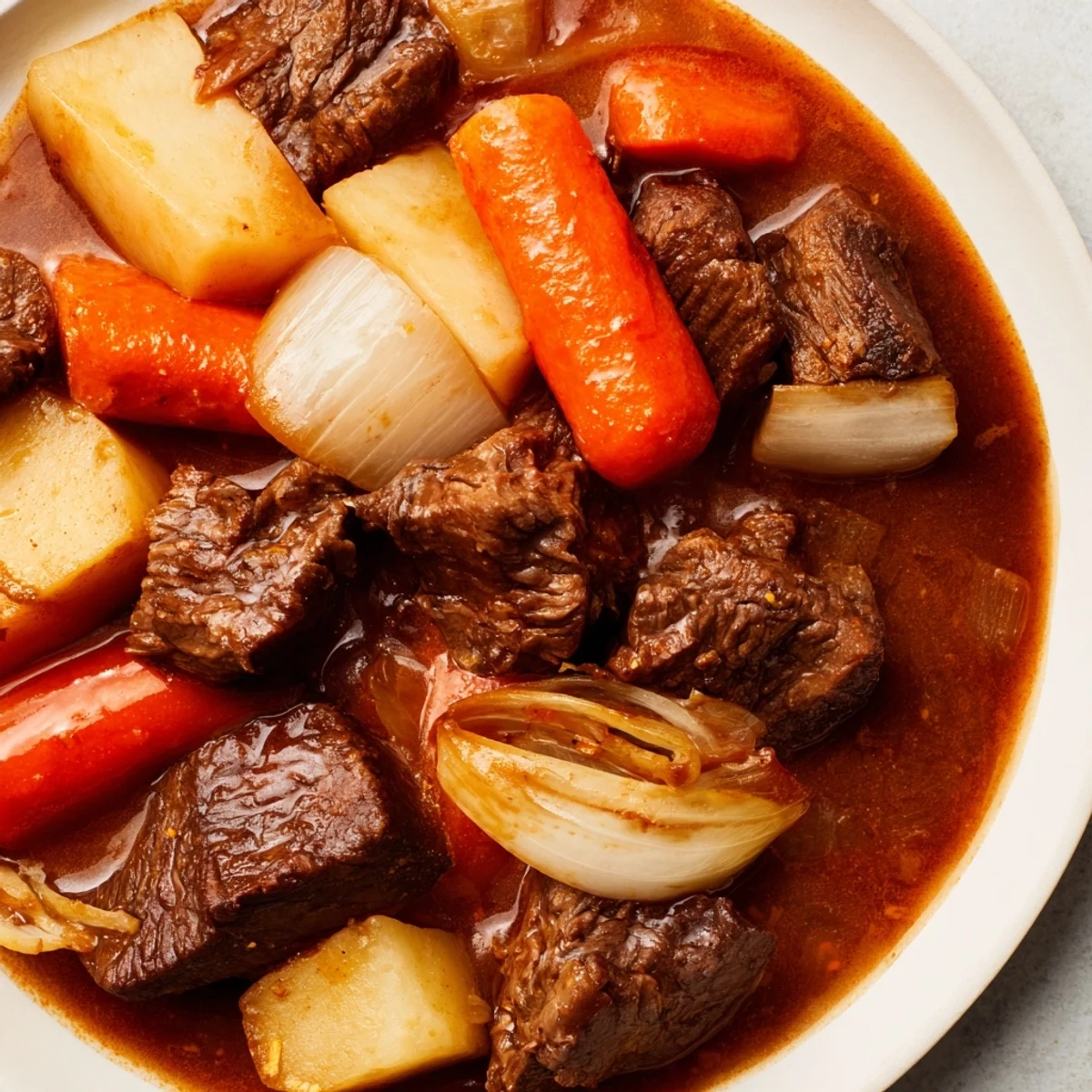
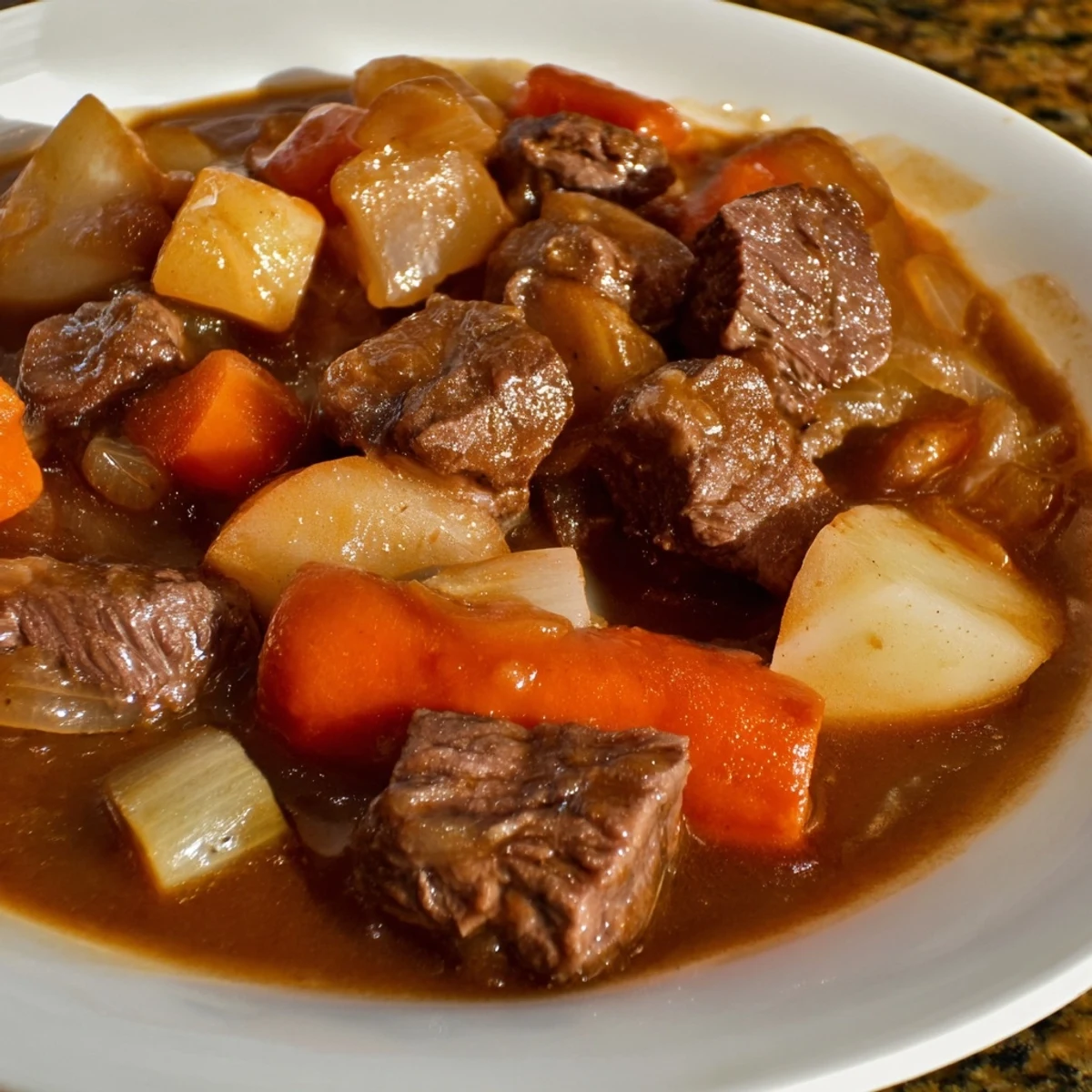
Save This hearty dish features tender beef cubes gently browned and simmered with a medley of root vegetables including carrots, parsnips, potatoes, turnip, and rutabaga. Aromatic herbs and red wine enrich the savory broth, which is simmered slowly to develop deep flavors and tender textures. Optional thickening with cornstarch creates a comforting, rich consistency perfect for a satisfying meal.
The first snowfall had just started sticking to the windows when I decided beef stew was the only logical response to the weather. I'd spent the morning at the farmers market, talking to an elderly farmer who insisted parsnips were the unsung hero of proper stewing. Something about that conversation, plus the way my kitchen felt cold and empty, made me realize I needed something that would fill the whole house with warmth for hours.
Last February, when my sister came over after a terrible week at work, I put a pot of this on the stove around noon. We spent the entire afternoon letting it bubble away, occasionally lifting the lid to check on things, and by dinner time the kitchen smelled like something out of a storybook. She took three bowls home with her and called me the next morning to say it was the first time she'd slept properly in days.
Ingredients
- Beef chuck: Chuck is the absolute gold standard for stewing because all that marbling melts into the broth while cooking, creating incredible richness and naturally tender meat
- Parsnips and carrots: These root vegetables develop a natural sweetness during the long simmer that balances the savory beef beautifully
- Tomato paste: This little tube concentrates flavor and adds that gorgeous deep color to the broth while thickening it slightly
- Dry red wine: The acid and tannins in wine cut through the richness of the beef while adding complexity you cannot get from stock alone
- Fresh herbs: Dried thyme and rosemary hold up better than fresh herbs during long cooking, infusing the stew with woody, aromatic notes
Instructions
- Prepare and season the beef:
- Pat those cubes completely dry with paper towels, then season them generously with salt and pepper. This drying step is what creates that gorgeous crust during searing.
- Sear the beef in batches:
- Heat your oil in a large Dutch oven over medium-high heat and brown the beef in batches, turning to get all sides. Don't rush this step because those browned bits on the bottom of your pot are pure flavor gold.
- Build the flavor base:
- Cook your onion and celery in the same pot for about 4 minutes until softened, then add garlic for just one minute more. Stir in the tomato paste and let it cook for a minute to deepen its flavor.
- Deglaze and assemble:
- Pour in the red wine and use your wooden spoon to scrape up all those browned bits from the bottom. Return the beef and its juices to the pot, then add stock, bay leaves, thyme, and rosemary.
- First simmer:
- Bring everything to a boil, then reduce heat to low, cover, and let it gently simmer for about an hour. Your kitchen will start smelling incredible right about now.
- Add the root vegetables:
- Stir in carrots, parsnips, potatoes, turnip, and rutabaga if you are using them. Cover again and continue simmering for another 45 to 60 minutes until everything is fork tender.
- Thicken if desired:
- Mix cornstarch and cold water until smooth, then stir it into your stew and let it simmer uncovered for 5 to 10 minutes. This step is completely personal depending on how thick you like your stew.
- Final seasoning:
- Remove those bay leaves and taste your stew, adding more salt and pepper if needed. Serve it hot in bowls that feel substantial in your hands.
 Save
Save This recipe became my winter tradition after the year I accidentally made enough to feed my entire apartment building. The smell had drawn neighbors to my door, and suddenly my small stew dinner had turned into a potluck that lasted until midnight. Now I always make a double batch.
Making It Your Own
The beauty of beef stew is how forgiving it is once you understand the basic technique. I have added everything from Guinness to balsamic vinegar, and each variation brings something slightly different to the table.
Serving Suggestions That Work
Crusty bread is non negotiable in my house because that broth deserves to be soaked up properly. Sometimes I serve it over mashed potatoes when I want something extra indulgent, especially on Sunday nights.
Storage and Reheating
This stew keeps beautifully in the refrigerator for up to four days and actually improves as the flavors continue to meld together. I freeze portions in freezer bags laid flat, which saves space and makes reheating incredibly convenient.
- Let the stew cool completely before refrigerating to prevent condensation from thinning out your sauce
- Reheat gently over low heat, adding a splash of water or stock if it has thickened too much
- The potatoes may soften slightly upon reheating, but the flavor will be even better than the first day
 Save
Save There is something deeply satisfying about a recipe that asks so little of you but gives back so much comfort in return.
Recipe FAQs
- → What cut of beef works best for this dish?
-
Beef chuck is ideal because it becomes tender and flavorful after slow simmering.
- → Can I substitute the root vegetables?
-
Yes, sweet potatoes or other sturdy root vegetables like turnips can add variety and sweetness.
- → How do I thicken the broth?
-
Mix cornstarch with cold water and stir into simmering stew for a thicker consistency.
- → Is red wine necessary?
-
Red wine enhances depth and richness but can be omitted or replaced with extra stock.
- → How long should the stew simmer?
-
Simmer low and slow for about 2 hours to ensure tender beef and vegetables.