
 Save
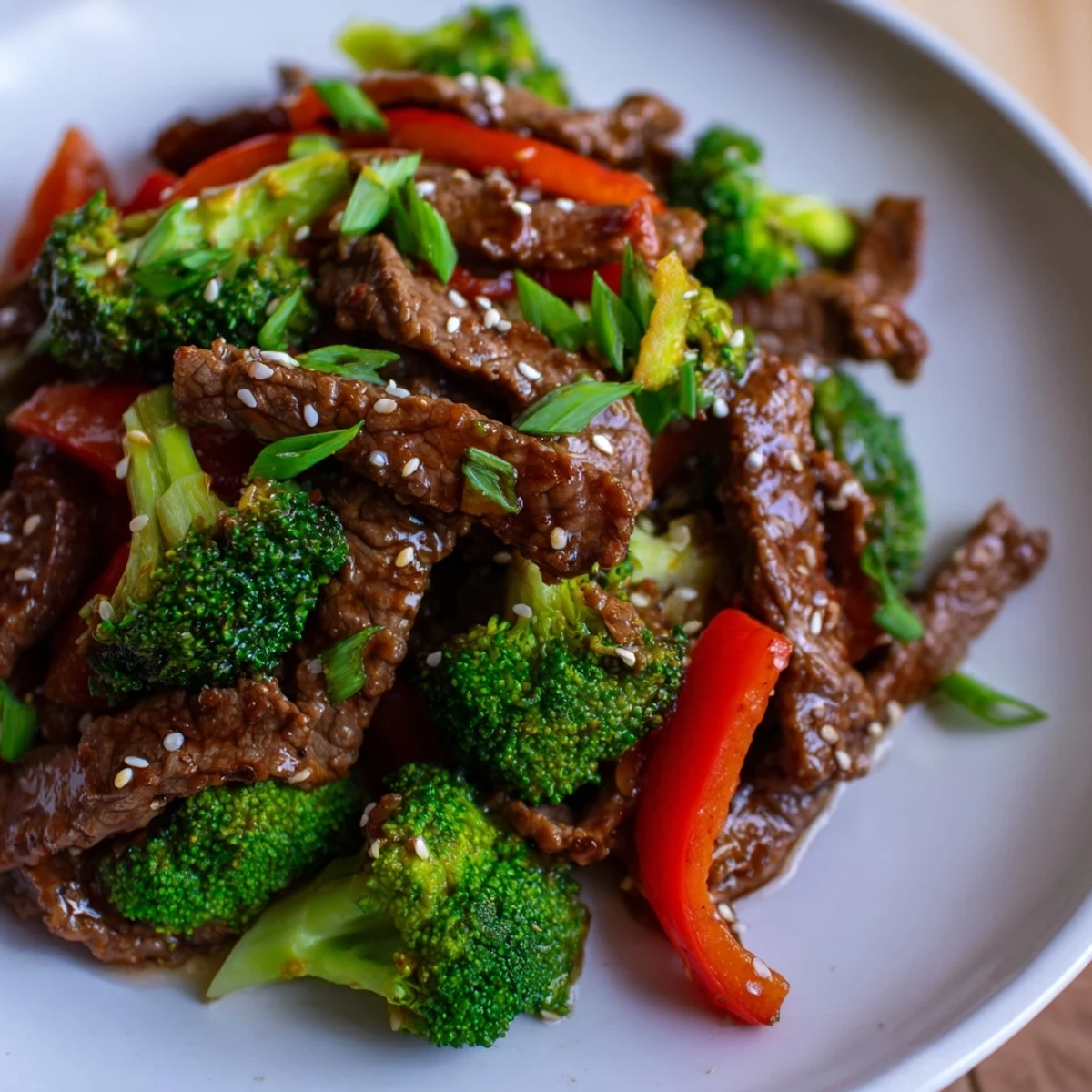
Save This dish features thinly sliced beef quickly cooked with crisp broccoli florets and a vibrant ginger glaze. A combination of soy sauce, oyster sauce, honey, and fresh ginger creates a fragrant coating that brings savory and sweet flavors together. The stir fry is finished with sesame seeds and scallions for texture and color, making it perfect for a fast, satisfying weeknight dinner. Suitable for easy customization with different vegetables or proteins, it pairs well with steamed rice or noodles.
There's something about the sizzle of hot oil hitting a wok that pulls me right back to a small kitchen in San Francisco where my friend Marcus taught me that beef and broccoli isn't just takeout food—it's a lesson in timing and technique. The first time I nailed the glaze, the kitchen filled with this incredible ginger-forward aroma that made everyone stop what they were doing. Now I make this whenever I want to prove to myself that 30 minutes can feel like a real accomplishment.
I remember making this on a Wednesday night when my partner came home completely exhausted, and within twenty minutes we were sitting down to something that tasted far more impressive than the effort demanded. The steam rising off the rice, the brightness of the green broccoli catching the kitchen light, the way the sauce clung to everything—it transformed what could've been a tired evening into something almost celebratory.
Ingredients
- Flank steak (1 lb), thinly sliced against the grain: Slicing against the grain breaks up the muscle fibers and makes every bite tender, which is the whole secret to restaurant-quality beef.
- Broccoli florets (1 lb): Cut them roughly the same size so they cook evenly and stay crisp instead of turning to mush.
- Vegetable oil (2 tbsp): Use canola or peanut oil because they handle high heat without burning and won't overpower the ginger.
- Garlic (2 cloves), minced: Fresh garlic is non-negotiable here—it blooms instantly in the hot oil and becomes the backbone of the whole dish.
- Red bell pepper (1), sliced: Optional but worth it for the visual pop and that subtle sweetness that balances the savory glaze.
- Scallions (2), sliced: These are your last-minute brightness, added raw at the end so they stay green and fresh.
- Sesame seeds (1 tbsp): Toasted if you can find them—they add a nutty depth that changes everything.
- Low-sodium soy sauce (1/4 cup): Low-sodium lets you control the salt and taste the other flavors instead of just salt.
- Oyster sauce (2 tbsp): This is the umami backbone—don't skip it even though it sounds mysterious.
- Honey or brown sugar (2 tbsp): The sweetness balances the salty-savory elements and helps the glaze cling to the beef and vegetables.
- Fresh ginger (1 tbsp), finely grated: This is where the magic happens—freshly grated ginger gives you both the flavor and tiny flecks that add texture.
- Rice vinegar or apple cider vinegar (1 tbsp): A touch of acid brightens everything and prevents the glaze from feeling heavy.
- Toasted sesame oil (1 tsp): A little goes a long way; this is finishing oil, not cooking oil, for that warm, nutty aroma.
- Cornstarch (1 tbsp) mixed with water (2 tbsp): This slurry thickens the glaze so it clings instead of pooling at the bottom of the pan.
Instructions
- Make the glaze first:
- Whisk together soy sauce, oyster sauce, honey, grated ginger, vinegar, and sesame oil in a small bowl. This is your roadmap for flavor, so taste it as you go and adjust sweetness or saltiness to your preference.
- Prep the thickener:
- Mix cornstarch and water in a separate bowl until smooth. Set both bowls within arm's reach because once the wok gets hot, you're moving fast.
- Sear the beef:
- Heat 1 tablespoon of oil in a large skillet or wok over high heat until it shimmers. Add the beef in a single layer and let it sit for a full minute before stirring—this creates a crust instead of steaming it.
- Get the beef out:
- Stir the beef for another 1–2 minutes until the outside is browned, then remove it to a plate. Don't worry if it's not cooked through; it'll finish cooking when it goes back in the glaze.
- Build the aromatics:
- Add the remaining oil to the pan. Toss in the minced garlic and listen for the sizzle—30 seconds is all you need before it starts to brown and turn bitter.
- Cook the vegetables:
- Add broccoli (and red pepper if using) and stir constantly for 2–3 minutes until they're bright green and just tender with a little resistance when you bite one. You want them crisp, not soft.
- Bring it together:
- Return the beef to the pan and pour in the ginger glaze. Stir everything to coat and bring it to a gentle simmer.
- Thicken the glaze:
- Give the cornstarch slurry a quick stir to recombine it, then pour it into the pan while stirring. In 1–2 minutes the sauce will go from thin to glossy and clingy, coating everything in a beautiful sheen.
- Final flourish:
- Scatter scallions and sesame seeds over the top right before serving. Their freshness against the hot, savory stir fry is what makes this feel special.
 Save
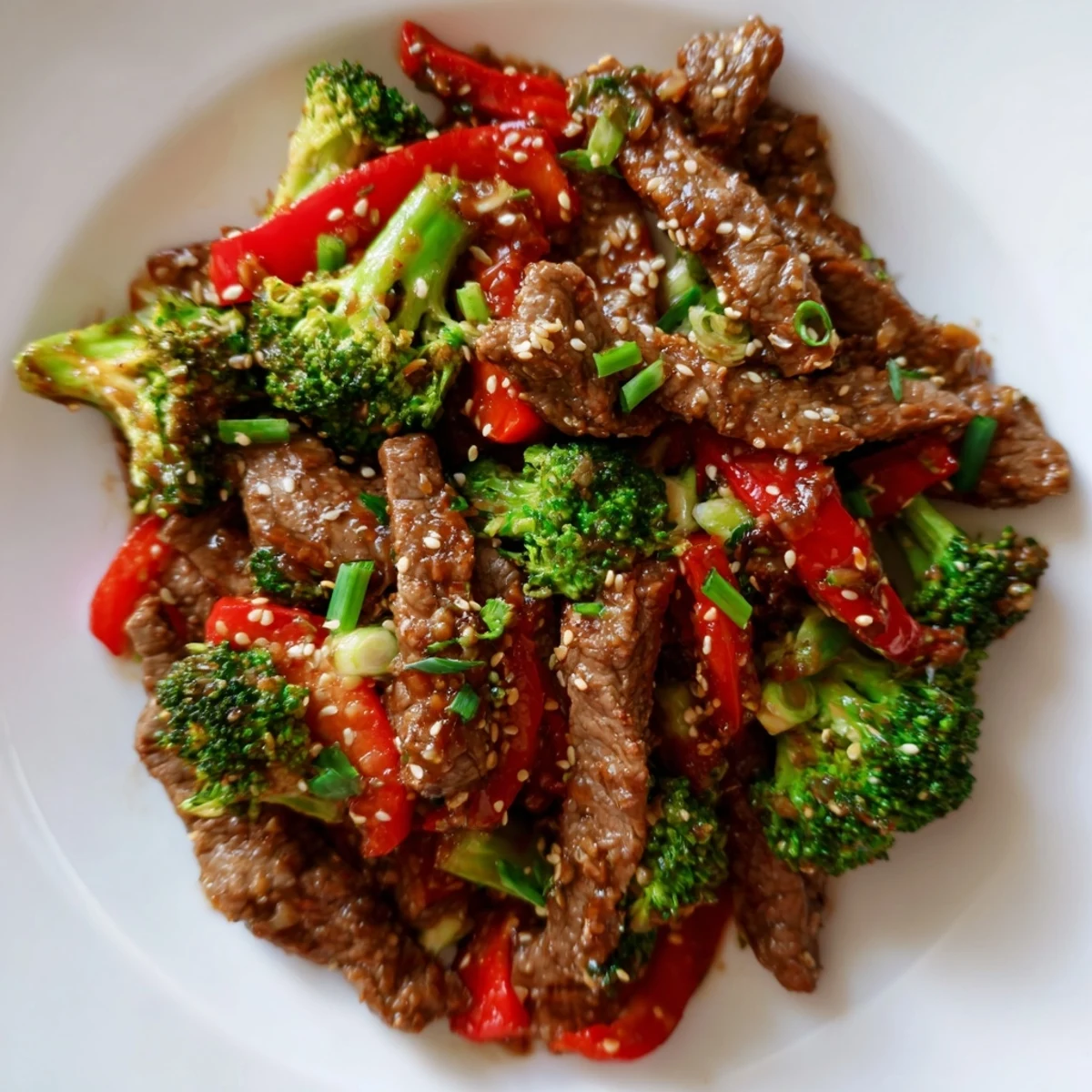
Save This dish taught me that some of the most satisfying meals come from understanding a few core principles rather than following a recipe rigidly. The first time a guest asked for seconds and said it rivaled their favorite restaurant, I realized I'd internalized something deeper than just cooking instructions.
Why the Glaze Matters
The ginger glaze is where this stir fry transcends being just another weeknight dinner. When you combine salty, sweet, sour, and that warm ginger heat all at once, your brain lights up in a way that plain soy sauce never could. I learned this the hard way by making a version without the oyster sauce once—it tasted flat and one-dimensional. The magic is in the balance, and each component plays a role.
Timing Is Everything
Stir frying thrives on momentum. Everything needs to be prepped and within reach before you turn on the heat, because once the wok is hot, there's no time to hunt for your garlic or broccoli. I set up my station like mise en place at a restaurant—beef sliced, broccoli cut, garlic minced, glaze mixed—and only then do I turn on the flame. This prep work is genuinely half the battle.
Customizing Without Losing the Plot
The beauty of this dish is that it accepts substitutions without falling apart. Chicken works if you prefer it, and I've used tofu for vegetarian friends with genuinely good results. You can add snap peas, carrots, or mushrooms—just remember that everything cooks at different speeds, so add denser vegetables (like carrots) earlier and tender ones (like snap peas) later.
- Swap beef for chicken breast cut thin, or use extra-firm tofu pressed and cubed.
- Add vegetables based on how long they take: carrots first, then broccoli, then snap peas or zucchini toward the end.
- If you need it gluten-free, use tamari instead of soy sauce and check that your oyster sauce alternative doesn't contain wheat.
 Save
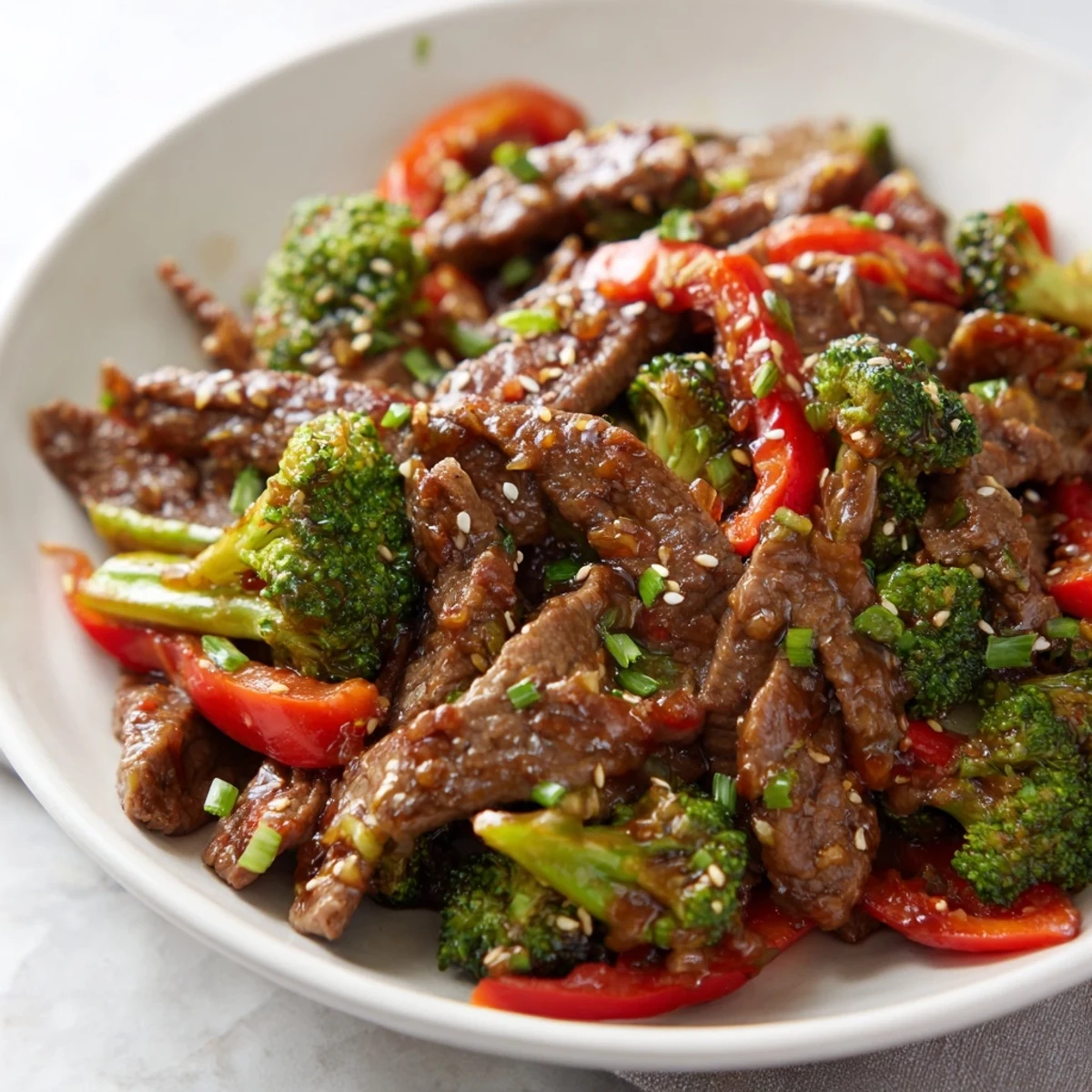
Save This is the kind of dish that reminds me why I love cooking—it's fast enough for a busy weeknight, delicious enough to feel like you did something real, and flexible enough that you can make it your own. Serve it over jasmine rice or noodles and watch how quickly it disappears from the table.