
 Save
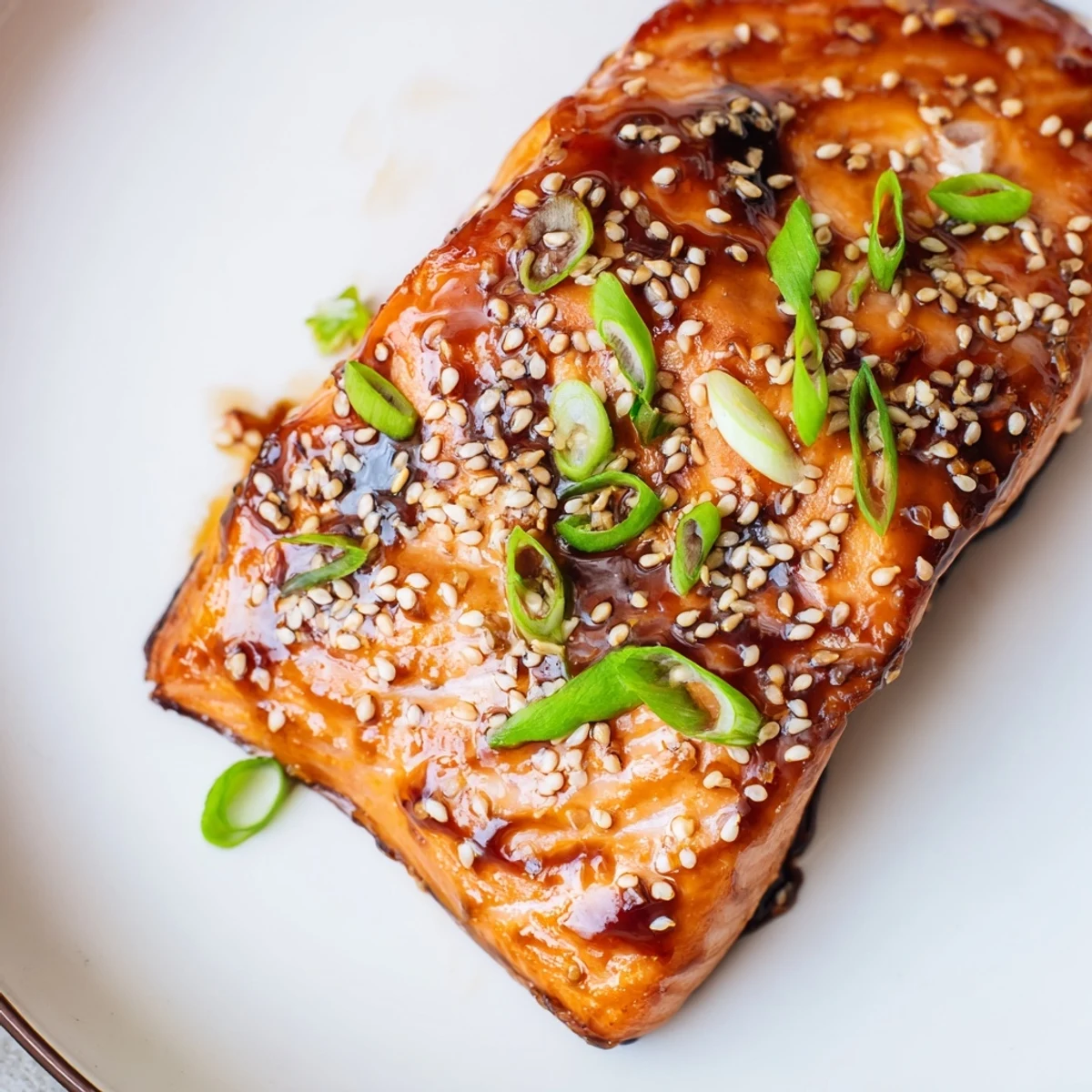
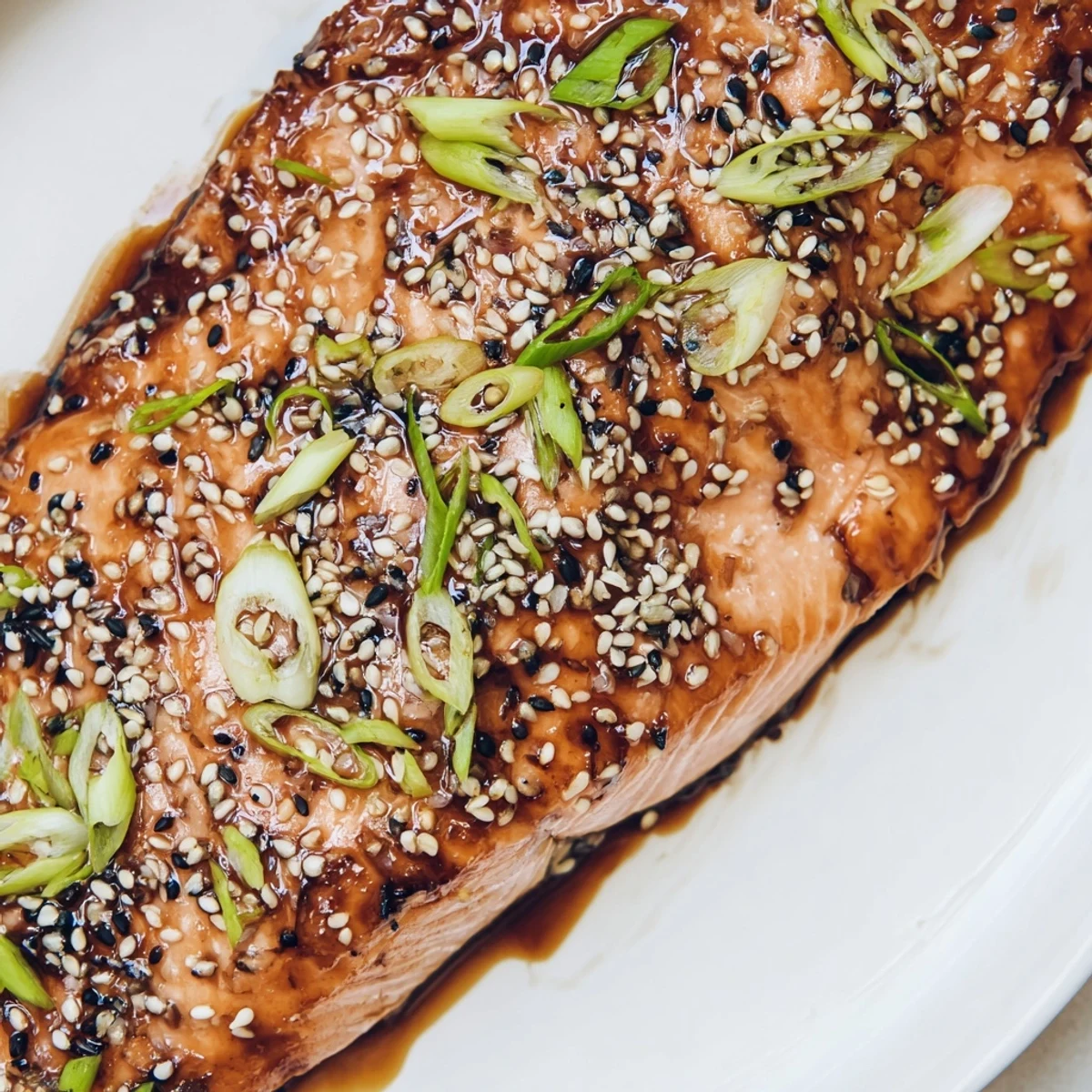
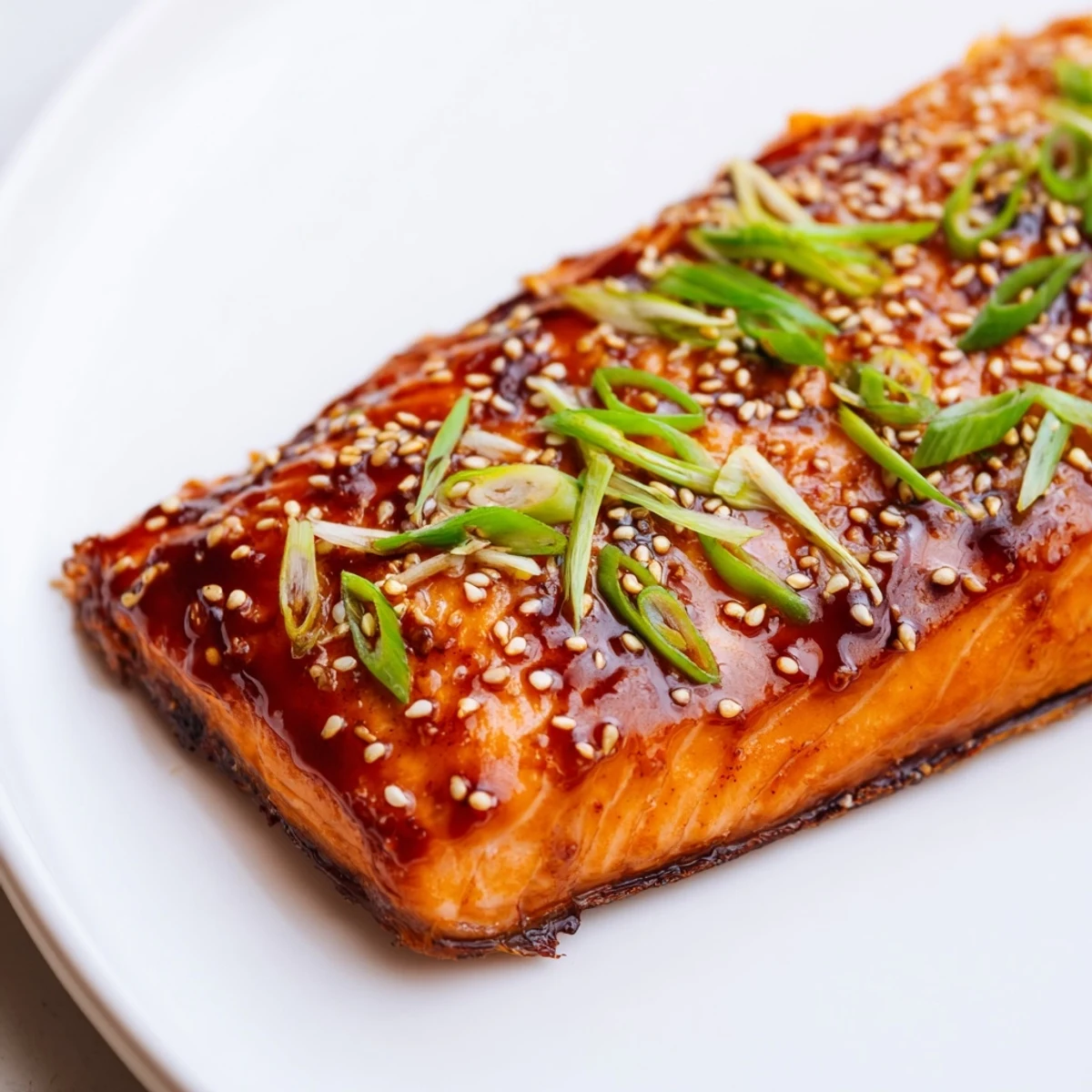
Save This dish features succulent salmon fillets brushed with a homemade teriyaki glaze made from soy sauce, mirin, and ginger. After baking until flaky, the fish is broiled briefly for a caramelized finish. Top with toasted sesame seeds and spring onions for a delightful crunch that complements the sweet and savory flavors perfectly. Serve alongside steamed rice or greens for a complete meal.
I discovered this recipe on a Tuesday evening when my partner brought home a beautiful salmon fillet and a bottle of mirin from the Asian market, both gleaming under the kitchen light like they were waiting for something special. I had no real plan, just a vague memory of teriyaki glaze from a restaurant we loved, so I improvised—mixing soy sauce and honey while the oven preheated. Twenty minutes later, the kitchen smelled like caramel and the ocean, and I knew this would become a weeknight staple.
I made this for my sister's surprise birthday dinner, and she took one bite, closed her eyes, and asked me to promise I'd make it again next month. That moment—when someone tastes something you've cooked and just goes quiet for a second—that's why I keep coming back to this recipe.
Ingredients
- Salmon fillets (4, about 150 g each): Look for fillets with skin still attached if you can, it keeps them moist and gives you something to hold onto while brushing the glaze.
- Soy sauce (80 ml or ⅓ cup, low sodium preferred): Low sodium gives you control over the final saltiness—the glaze will concentrate as it cooks, so don't over-salt early.
- Mirin (2 tbsp): This sweet Japanese rice wine is the secret to authentic teriyaki flavor, but honestly, dry sherry works if you're in a pinch.
- Honey or brown sugar (2 tbsp): Pick whichever you have on hand; they create that glossy, caramelized finish that makes people think you've been cooking all day.
- Rice vinegar (1 tbsp): The acid cuts through the sweetness and keeps the glaze from tasting one-dimensional.
- Fresh ginger, grated (2 tsp): Use a microplane if you have one—you'll get a finer texture and more flavor punch than chopping.
- Garlic cloves, minced (2): Fresh garlic makes all the difference; jarred garlic will taste tired by comparison.
- Sesame oil (1 tsp): A little goes a long way here—it's intensely aromatic and builds the umami depth.
- Cornstarch slurry (1 tbsp cornstarch mixed with 2 tbsp water): This thickens the sauce so it clings to the salmon instead of pooling on the plate.
- Sesame seeds, toasted (2 tbsp): Toast them yourself in a dry pan for 2-3 minutes until fragrant—the difference between store-bought toasted and truly toasted is worth those three minutes.
- Spring onions, thinly sliced (2): The freshness and slight bite of raw spring onions balance the rich, sweet glaze perfectly.
- Fresh coriander or parsley, chopped (1 tbsp, optional): If you have it, it adds color and a brightness that makes the whole plate feel alive.
Instructions
- Get your oven ready and line your tray:
- Preheat the oven to 200°C (400°F) and line a baking tray with parchment paper—this prevents sticking and makes cleanup a joy instead of a chore.
- Build the glaze:
- In a small saucepan, combine soy sauce, mirin, honey, rice vinegar, ginger, garlic, and sesame oil. Bring to a gentle simmer over medium heat, stirring occasionally so nothing sticks to the bottom and the flavors start opening up.
- Thicken the sauce:
- Stir in the cornstarch slurry and keep stirring until the sauce turns glossy and coats the back of a spoon (about 2 minutes). Once it thickens, take it off the heat right away—overcooked glaze can separate.
- Prepare the salmon:
- Place your salmon fillets skin-side down on the parchment paper, then brush generously with the teriyaki glaze, saving a little to drizzle at the end. Don't be shy with it—the glaze is the star here.
- Bake the salmon:
- Slide the tray into the oven and bake for 12–15 minutes, checking around the 12-minute mark by gently pressing the thickest part with a fork—it should flake easily when it's done. The flesh will go from translucent to opaque as it cooks.
- Add a caramelized finish (optional but recommended):
- Turn your oven to broil and slide the salmon back in for 1–2 minutes just until the glaze caramelizes and darkens slightly. Watch it carefully because this part goes from perfect to overdone in seconds.
- Plate and garnish:
- Transfer each fillet to a plate, drizzle with the reserved glaze, then scatter toasted sesame seeds, fresh spring onions, and coriander over the top. Serve immediately so everything is warm and the sesame seeds still have that snap.
 Save
Save One evening, my friend Marcus watched me make this and said, 'This is better than the restaurant version,' and I realized that the restaurant probably uses the exact same ingredients—they just have faith that simple things done well are worth eating. That shifted how I cook entirely.
The Magic of Teriyaki at Home
Teriyaki is one of those sauces that seems mysterious until you realize it's just salt, sweet, acid, and aromatics in perfect balance. Making it fresh means you control every element—you can adjust the honey if you want it less sweet, add more ginger if you love that bite, or squeeze in lime juice if you want something brighter. The store-bought bottles are convenient, but they'll never taste as alive as what you make in your saucepan in under five minutes.
Why Salmon Deserves More Than Just Salt and Oil
Salmon's richness can handle bold flavors in a way that delicate white fish cannot. The glaze doesn't overpower it; instead, it plays against the buttery flesh and adds complexity. This is why baking it works so well—you get the moisture-locking benefit of the oven, the glaze clings and caramelizes, and the whole thing comes together without any real fuss.
Building Your Own Variations
Once you understand how this recipe works, you can play with it endlessly. Try adding a pinch of chili flakes if you want heat, or swap the sesame oil for a drizzle of sriracha mixed into the glaze at the end. Some nights I serve it over jasmine rice, other nights with sautéed green beans and a squeeze of lemon. The structure is solid enough to hold your experiments.
- For gluten-free, use tamari instead of regular soy sauce without changing anything else.
- Mirin can be swapped for apple juice or a splash of honey thinned with a little water if you can't find it at your market.
- This recipe doubles beautifully if you're feeding a crowd, and the glaze scales up perfectly with the proportions.
 Save
Save This is the kind of recipe that makes you feel like you've discovered something, even though it's simple. Serve it warm, sit down, and taste what happens when care meets speed.
Recipe FAQs
- → How do I know when the salmon is done?
-
The salmon is done when it flakes easily with a fork and the flesh is opaque throughout the fillet.
- → Can I use store-bought teriyaki sauce?
-
Yes, you can use store-bought sauce, but making it fresh allows you to control the sweetness and sodium levels.
- → Is this dish gluten-free?
-
It can be gluten-free if you substitute regular soy sauce with tamari or a certified gluten-free soy sauce.
- → What should I serve with this salmon?
-
Steamed jasmine rice, quinoa, or sautéed stir-fried vegetables like bok choy and broccoli pair perfectly.
- → Can I substitute mirin?
-
If mirin is unavailable, dry sherry or a small splash of apple juice can be used as an alternative.