
 Save
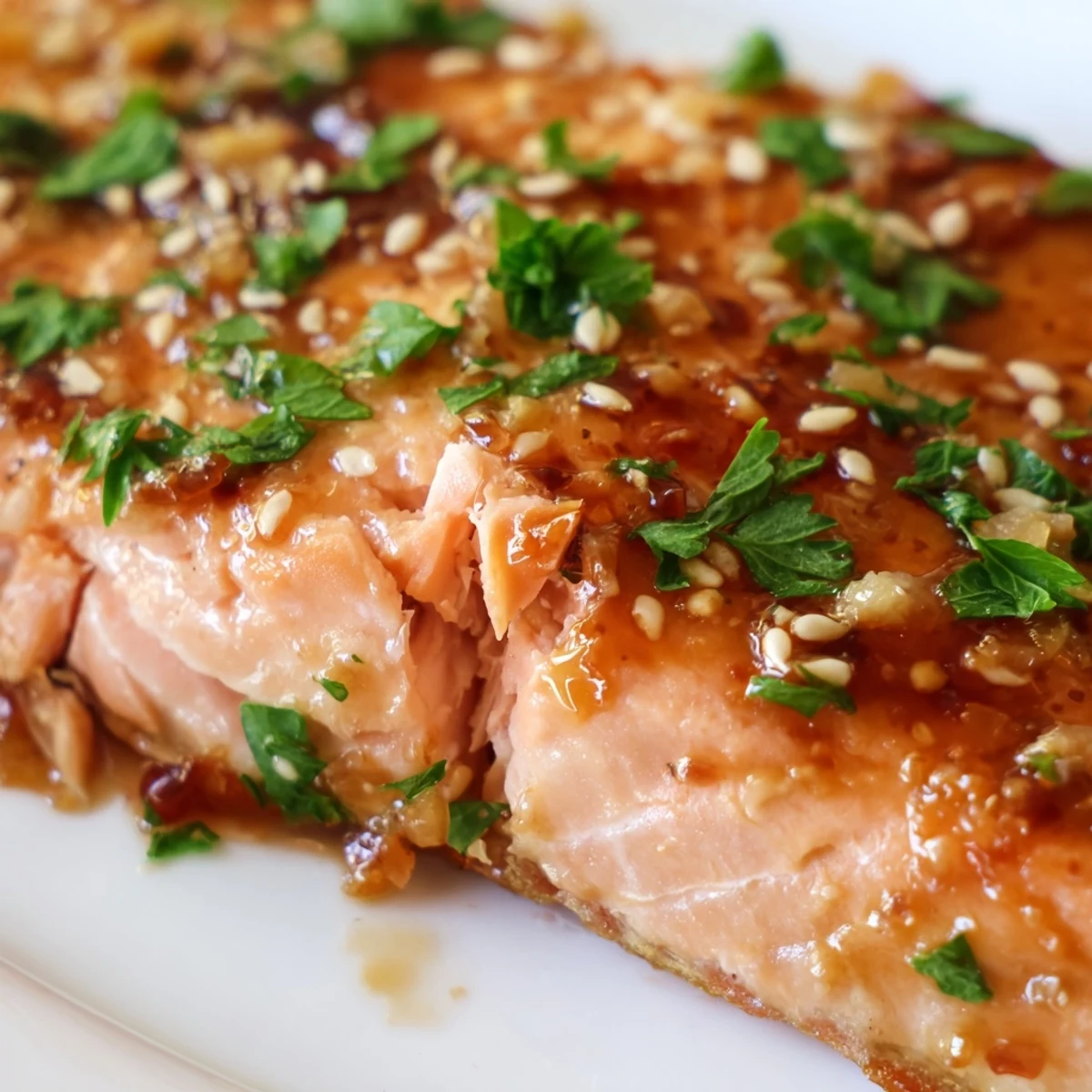
Save This dish features tender salmon fillets baked to perfection beneath a luscious honey garlic glaze. The blend of sweet honey, savory soy sauce, and fresh garlic creates a rich, caramelized coating that enhances the natural flavors of the fish. Ready in under 30 minutes, it’s an effortless way to enjoy a nutritious, satisfying meal. Garnished with fresh parsley and sesame seeds, each bite delivers a harmonious balance of taste and texture, ideal for a weeknight supper.
There's something about the smell of honey and garlic hitting a hot oven that makes everything feel effortless. I discovered this glaze one weeknight when I had salmon thawing and wanted something faster than my usual routine but still restaurant-worthy. The first time I made it, I was shocked at how the flavors caramelized into this glossy, almost sticky coating that tasted nothing like the sum of its parts. It became the recipe I keep coming back to when I want dinner to feel special without the stress.
I remember making this for my partner after a long day when they didn't want takeout but needed comfort food that wasn't complicated. Watching them plate it and taste that first bite, the way their expression shifted when the glaze hit their tongue—that's when I knew this recipe had staying power. Now whenever someone asks what I cook when I want to impress without fussing, this is my answer.
Ingredients
- Salmon fillets (4, about 150 g each): The skin acts as a natural shield, keeping the flesh tender, but if you prefer skinless, that works just as well; just reduce baking time by a minute or two.
- Honey (3 tablespoons): This is your sweet anchor—use a good quality honey if you can, because it caramelizes differently than cheap supermarket stuff.
- Soy sauce (3 tablespoons): Go for gluten-free tamari if that matters to you; it tastes nearly identical but behaves beautifully in this glaze.
- Fresh lemon juice (2 tablespoons): Bottled works, but fresh squeezed transforms this from good to genuinely memorable—the acidity cuts through the richness perfectly.
- Garlic (3 cloves, minced): Don't use a press; mincing by hand gives you better texture, and you won't get those harsh bitter bits.
- Olive oil (1 tablespoon): This helps the glaze emulsify and slide over the salmon instead of pooling.
- Black pepper and salt (½ teaspoon and ¼ teaspoon): These are gentle amounts—you want to enhance, not overpower the delicate fish.
- Fresh parsley, sesame seeds, and lemon wedges (for garnish): These feel optional but completely change the final moment; the brightness and nuttiness matter.
Instructions
- Set your oven temperature:
- Preheat to 200°C (400°F) and line your baking tray with parchment paper or a light coating of oil. This matters because it prevents sticking and makes cleanup feel like a gift to future you.
- Build your glaze:
- In a small bowl, whisk honey, soy sauce, lemon juice, minced garlic, olive oil, black pepper, and salt together until it looks smooth and pourable. Give it a taste—it should hit sweet, salty, and bright all at once.
- Arrange and coat:
- Place salmon fillets skin-side down on your prepared tray, spacing them so heat circulates around each one. Spoon the glaze over each fillet, letting some pool around the edges.
- Bake gently:
- Slide into the oven for 12–15 minutes, watching until the flesh just flakes with a fork and the thickest part looks opaque. The exact time depends on fillet thickness, so start checking at 12 minutes.
- Optional caramelization:
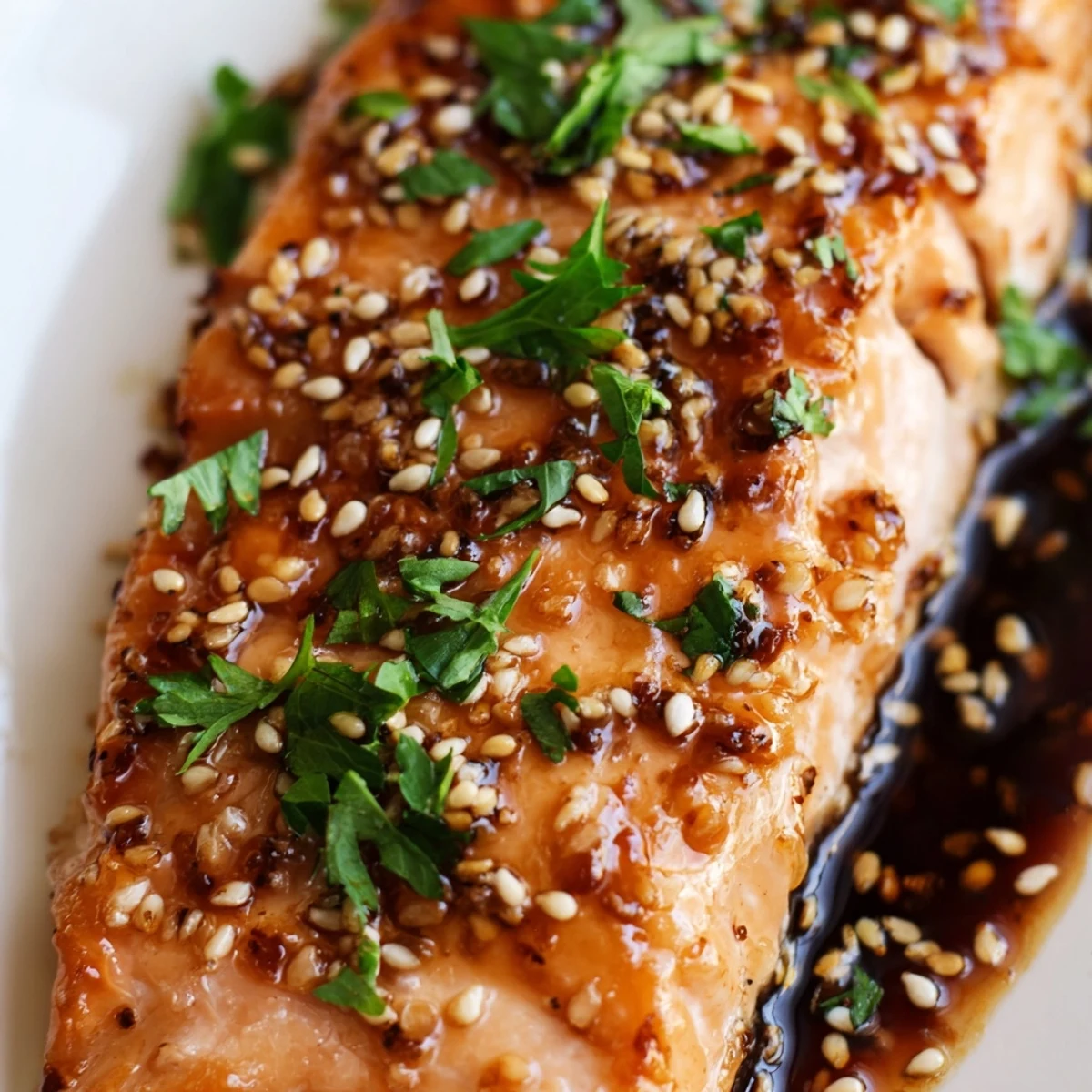
- If you want that glossy, slightly charred top, turn on the broiler for 2 minutes—but stay close, because the line between caramelized and burnt is shorter than you'd think.
- Finish and serve:
- Let the salmon rest for 2 minutes straight out of the oven, then scatter parsley and sesame seeds across the top and squeeze fresh lemon over everything. This final moment is where the flavors sing.
 Save
Save This dish became a turning point in my cooking when I realized simple ingredients done carefully beat complexity every single time. The moment someone tells you they can taste each element without any of them screaming for attention—that's when you know you've nailed it.
Why This Glaze Works
The magic of honey and garlic together is that honey's sweetness doesn't feel cloying because the soy sauce brings umami depth and the lemon juice adds brightness that pulls everything into balance. When it hits the hot salmon, the proteins caramelize slightly and the glaze becomes almost sticky, clinging to the fish instead of sliding off. I've tried this with maple syrup, brown sugar, and even agave, and honey remains the one that feels most integrated rather than like a topping.
Scaling and Variations
This recipe doubles easily if you're cooking for more people—just make sure your oven space allows the fillets to sit without crowding, or bake them in two batches. You can also make the glaze ahead and store it in the fridge for up to three days, which means some mornings I'll prep this so dinner practically cooks itself. The flexibility here is part of why I reach for it so often.
Serving and Pairing
Steamed rice or quinoa underneath catches the glaze beautifully, and roasted vegetables alongside feel right without being fussy. I've also served this cold the next day on a salad, which sounds unconventional but works surprisingly well. The glaze stays glossy and the salmon stays tender.
- Roasted broccoli or asparagus absorbs the extra glaze and becomes addictively good.
- A crisp white wine like Sauvignon Blanc or a light Pinot Grigio balances the sweet glaze and rich fish perfectly.
- Leftovers flake beautifully into grain bowls or onto morning toast with avocado if you have any remaining—though somehow there rarely is.
 Save
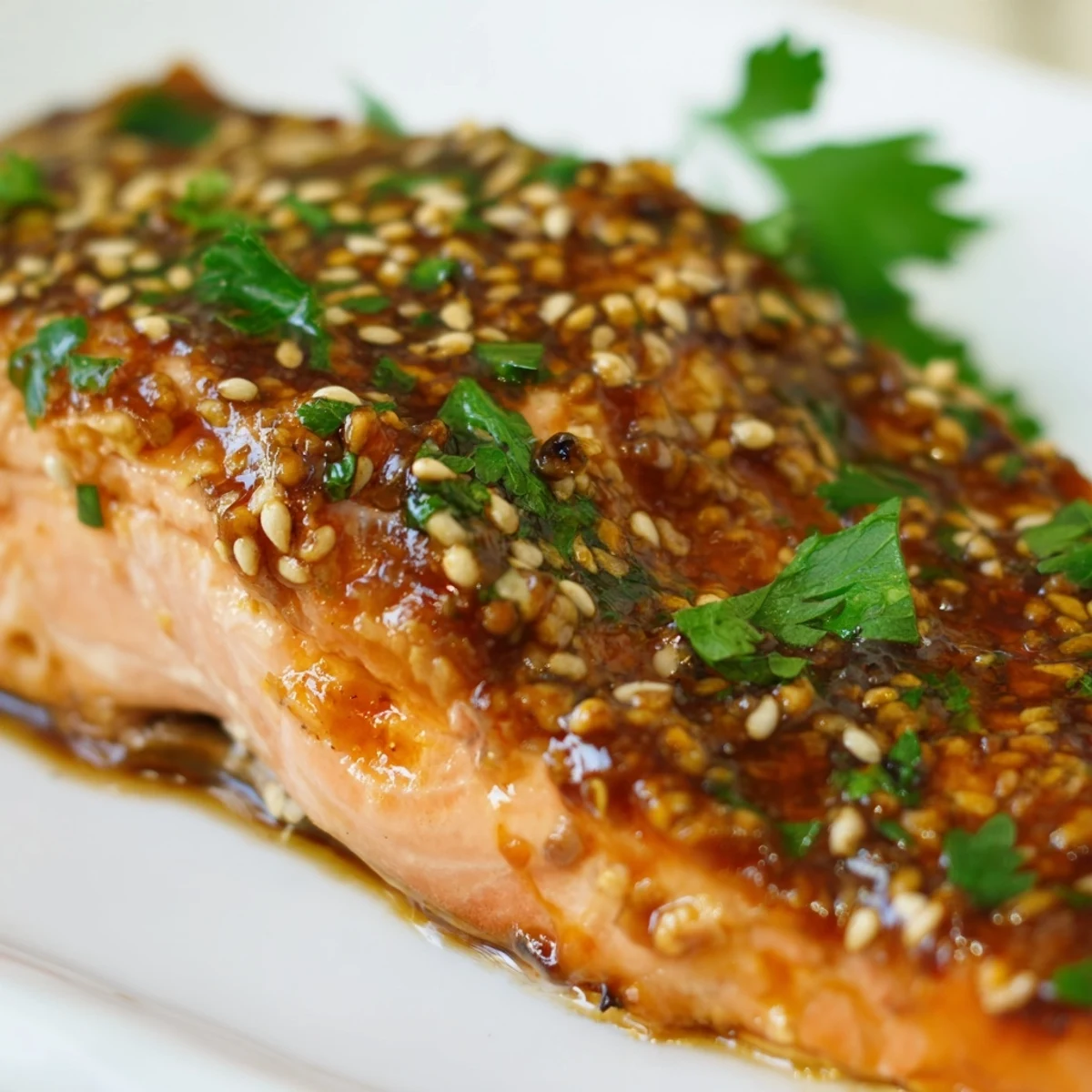
Save This recipe has earned its place in my regular rotation because it asks so little of me while delivering something that feels genuinely nourishing and delicious. Make it once and you'll understand why.
Recipe FAQs
- → How do I ensure the salmon stays moist while baking?
-
Coating salmon with the honey garlic glaze helps seal in moisture. Baking at a moderate temperature and avoiding overcooking are key to retaining juiciness.
- → Can I use skin-on salmon fillets for this dish?
-
Yes, skin-on fillets work well and help hold the salmon together during cooking, but you can use skinless if preferred.
- → Is it necessary to broil the salmon after baking?
-
Broiling for a short time caramelizes the glaze, adding a slightly crisp texture and deeper flavor, but it can be skipped if desired.
- → What are good side dishes to serve with this salmon?
-
Steamed rice, quinoa, or roasted vegetables complement the flavors and provide a balanced meal.
- → Can I adjust the sweetness or spiciness of the glaze?
-
Yes, add red pepper flakes for heat or use maple syrup instead of honey for a different sweetness profile.