
 Save
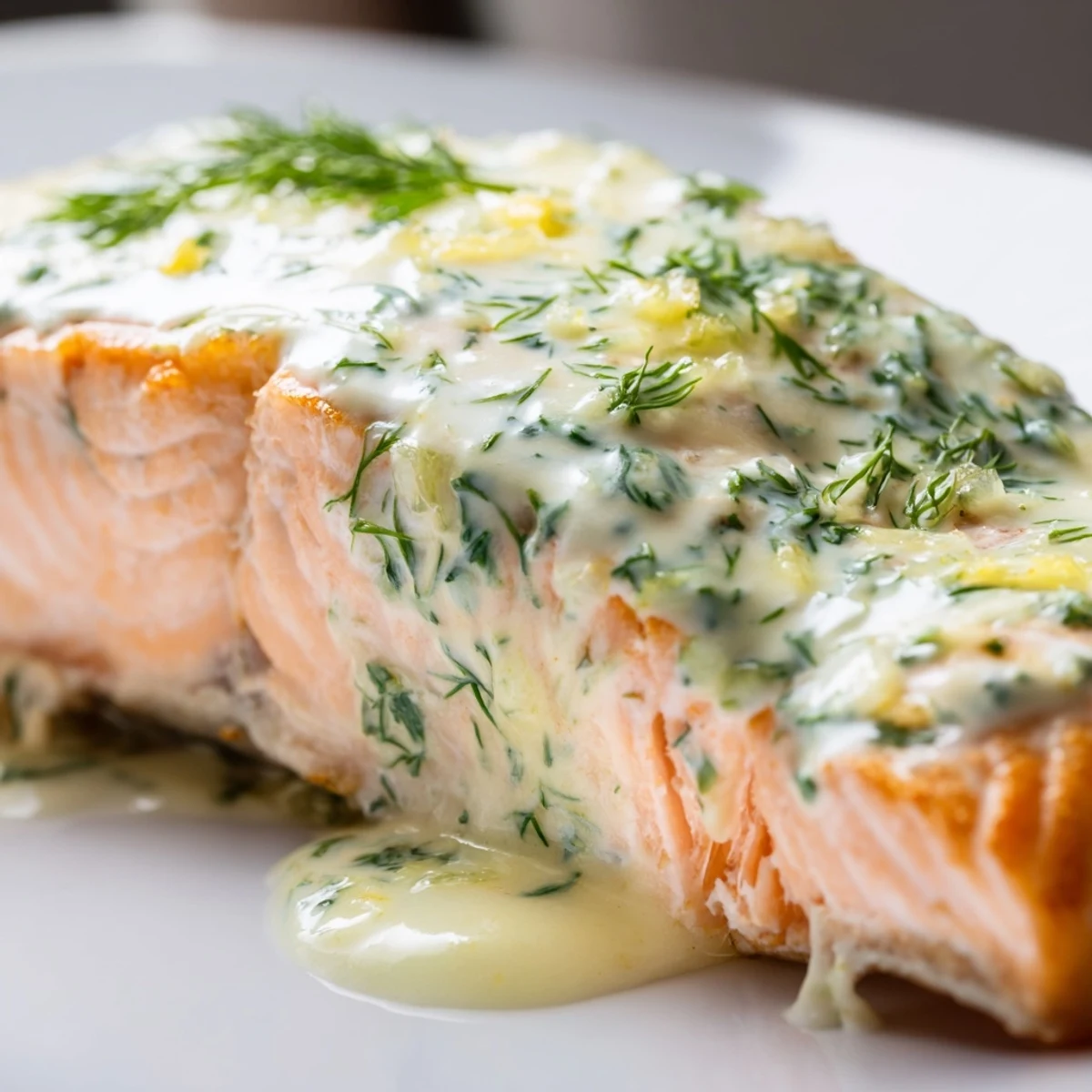
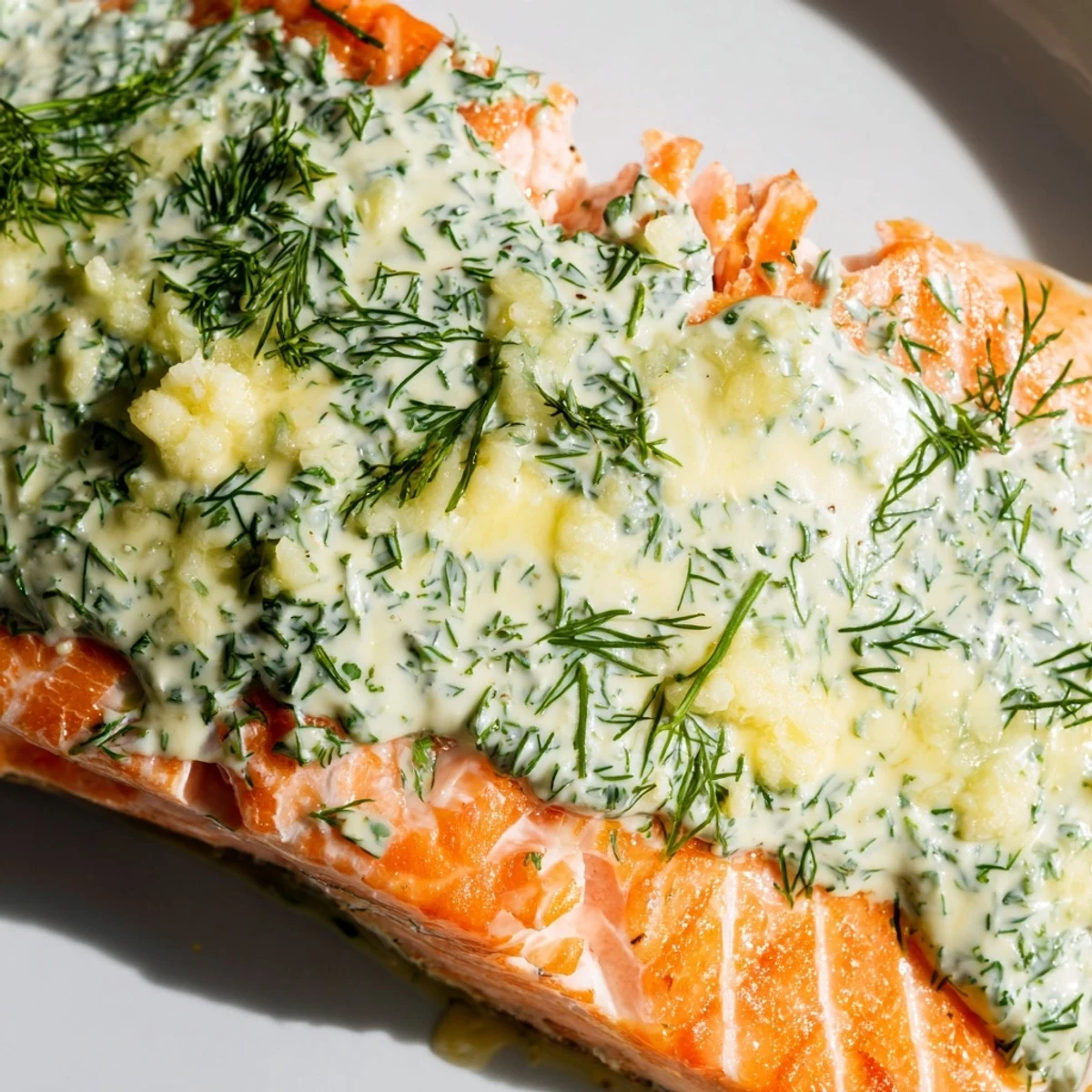
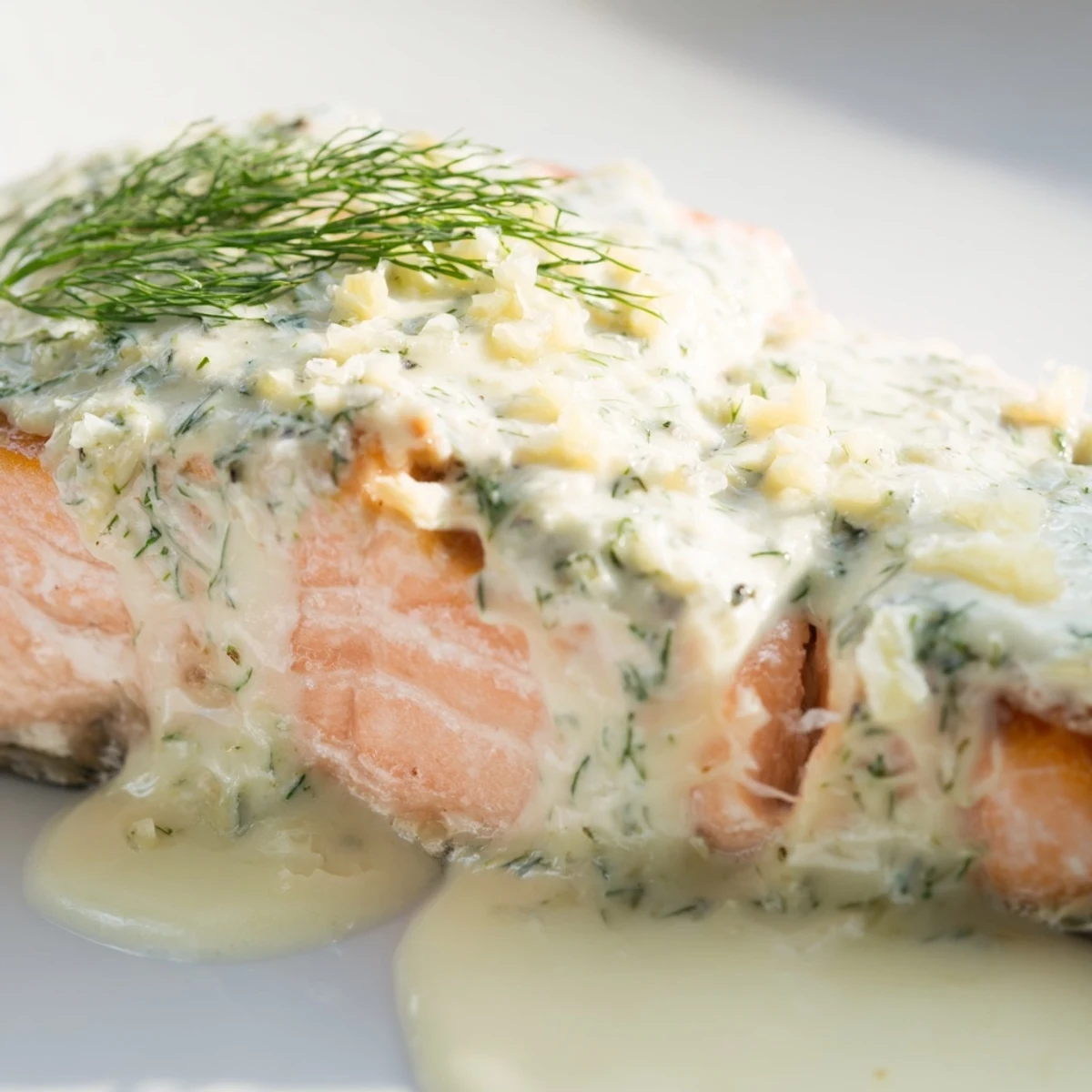
Save This dish features tender salmon fillets baked to flaky perfection, topped with a rich garlic butter blend and a fresh dill sauce. Simple preparation and quick cooking make it ideal for weeknights or elegant dinners. The balance of lemon, garlic, and dill complements the salmon’s natural flavor, enhanced further by a creamy sauce made with sour cream and mayonnaise. Serve alongside steamed vegetables or roasted sides for a wholesome, satisfying meal.
There's something about the smell of garlic butter hitting a hot oven that pulls me back to a dinner party where everything felt on the brink of falling apart. The table wasn't set, I'd forgotten to chill the wine, but then I slid those salmon fillets into the oven and suddenly the kitchen smelled like a restaurant. Twenty minutes later, everyone was seated, forks in hand, and all the chaos dissolved into appreciation for something simple and elegant.
I learned this recipe from watching my neighbor Marion pull a sheet of salmon from her oven one evening, and what struck me wasn't the skill involved—it was how relaxed she seemed about feeding six people. She didn't fuss, didn't taste and retaste, just moved with quiet confidence. Now when I make it, I think of how she taught me that good cooking doesn't require drama.
Ingredients
- Salmon fillets (4, 6 oz each): Look for fillets that smell like the ocean, not fishy—that fresh scent means quality. Skinless makes for easier eating, and uniform thickness helps them cook evenly on the same pan.
- Olive oil: Just enough to coat and help browning without overpowering the delicate fish.
- Salt and pepper: Don't skip seasoning the fish itself before the butter goes on; it makes all the difference in flavor.
- Unsalted butter: Melted butter carries garlic better than any oil, and unsalted lets you control the saltiness.
- Garlic cloves (3, minced fine): Mincing small means the pieces cook quickly and disperse into the butter and salmon without any harsh edges.
- Fresh lemon juice and zest: The acid brightens everything and keeps the dish from feeling heavy, while zest adds visible flecks of brightness.
- Sour cream: The base of the sauce—rich, slightly tangy, and forgiving if your measurements aren't perfect.
- Mayonnaise: This quiets any sour cream bite and makes the sauce luxuriously smooth without needing cream or eggs.
- Fresh dill: Chopped just before using so it stays green and fragrant, not gray and musty from sitting out.
- Dijon mustard: A small amount adds depth that no one can quite identify, which is exactly the goal.
Instructions
- Heat your oven and prep the pan:
- Preheat to 400°F and line your sheet with parchment paper if you have it—cleanup matters, and it prevents sticking. Even if you skip the parchment, a light coating of nonstick spray saves effort later.
- Dry the salmon:
- Pat each fillet with a paper towel so the surface is dry; moisture keeps the fish from browning slightly at the edges. This small step changes the texture from steamed to properly cooked.
- Season and oil:
- Lay fillets on the sheet and drizzle with olive oil, then season both sides with salt and pepper. Don't be timid with the seasoning—fish needs it more than you think.
- Make and apply the garlic butter:
- In a small bowl, whisk together melted butter, finely minced garlic, lemon juice, and zest. The mincing matters because larger pieces will burn before the salmon finishes cooking. Spoon this mixture over each fillet, letting it pool slightly on the fish.
- Bake until just cooked:
- Slide the sheet into the oven for 14 to 18 minutes, depending on fillet thickness. You're looking for flesh that flakes gently when you press it with a fork, and an internal temperature of 145°F if you're using a thermometer. Overcooked salmon is dry salmon, so watch the time carefully.
- Build the dill sauce:
- While the oven works, combine sour cream, mayonnaise, fresh dill, lemon juice, and a tiny pinch of Dijon mustard in a bowl. Stir until smooth, then taste and adjust salt and pepper. This is best made fresh so the dill doesn't darken.
- Plate and serve:
- Transfer the hot salmon to plates, then spoon the dill sauce generously over the top so each bite gets the creamy tang.
 Save
Save The first time I made this for my partner, they went quiet after the first bite in a way that made me nervous until they asked for the recipe. That moment—when food surprises someone pleasantly—is when cooking stops being a task and becomes an act of attention.
Flavor Layers That Work Together
The genius of this dish is how each element supports the others without competing. The garlic butter soaks into the salmon, keeping it tender while adding richness. The dill sauce comes in cool and tangy, cutting through that richness and making you want another bite. The lemon threads through both, brightening everything so it never feels heavy. It's a conversation between flavors, not a shouting match.
Timing and Temperature Matters
The oven temperature of 400°F is high enough to set the outside of the salmon without drying out the inside, which is the whole balance this recipe relies on. Checking the internal temperature with a thermometer removes all guessing—145°F is the magic number where salmon is safely cooked but still tender. If you don't have a thermometer, watch for the flesh to become opaque and flaky, and err on the side of slightly underdone because the residual heat will carry it to perfect.
Serving and Pairing Ideas
This salmon is elegant enough to serve at a dinner party but casual enough for a Thursday night when you don't want to spend an hour cooking. Steamed asparagus soaks up the sauce beautifully, roasted potatoes ground it into a full meal, and a cold Sauvignon Blanc beside it tastes like you planned the whole thing carefully. Leftovers are excellent flaked into a salad the next day if anyone actually has leftovers.
- Serve the salmon hot straight from the oven while the butter is still soft and glossy.
- Make the dill sauce just before serving so the herbs stay bright green and fragrant.
- If you're cooking for a crowd, you can prep everything in advance and bake just before guests arrive.
 Save
Save This recipe lives in my regular rotation because it never disappoints and because it makes ordinary Tuesday nights feel a little bit special. After you make it once, you'll know why.
Recipe FAQs
- → What is the best way to ensure salmon stays moist when baking?
-
Using a garlic butter mixture helps lock in moisture, and baking at 400°F for a short time keeps salmon tender and flaky.
- → Can I prepare the dill sauce ahead of time?
-
Yes, the dill sauce can be mixed a few hours in advance and refrigerated to let flavors meld.
- → What sides pair well with baked salmon in garlic butter?
-
Steamed asparagus, roasted potatoes, or a crisp white wine like Sauvignon Blanc complement the flavors perfectly.
- → Is it necessary to remove the skin from salmon fillets before baking?
-
Skinless salmon fillets are used here for ease, but salmon with skin can be baked similarly if preferred.
- → How can I add a bit of heat to this salmon dish?
-
Sprinkling paprika or chili flakes before baking adds a subtle spicy kick without overpowering other flavors.