
 Save
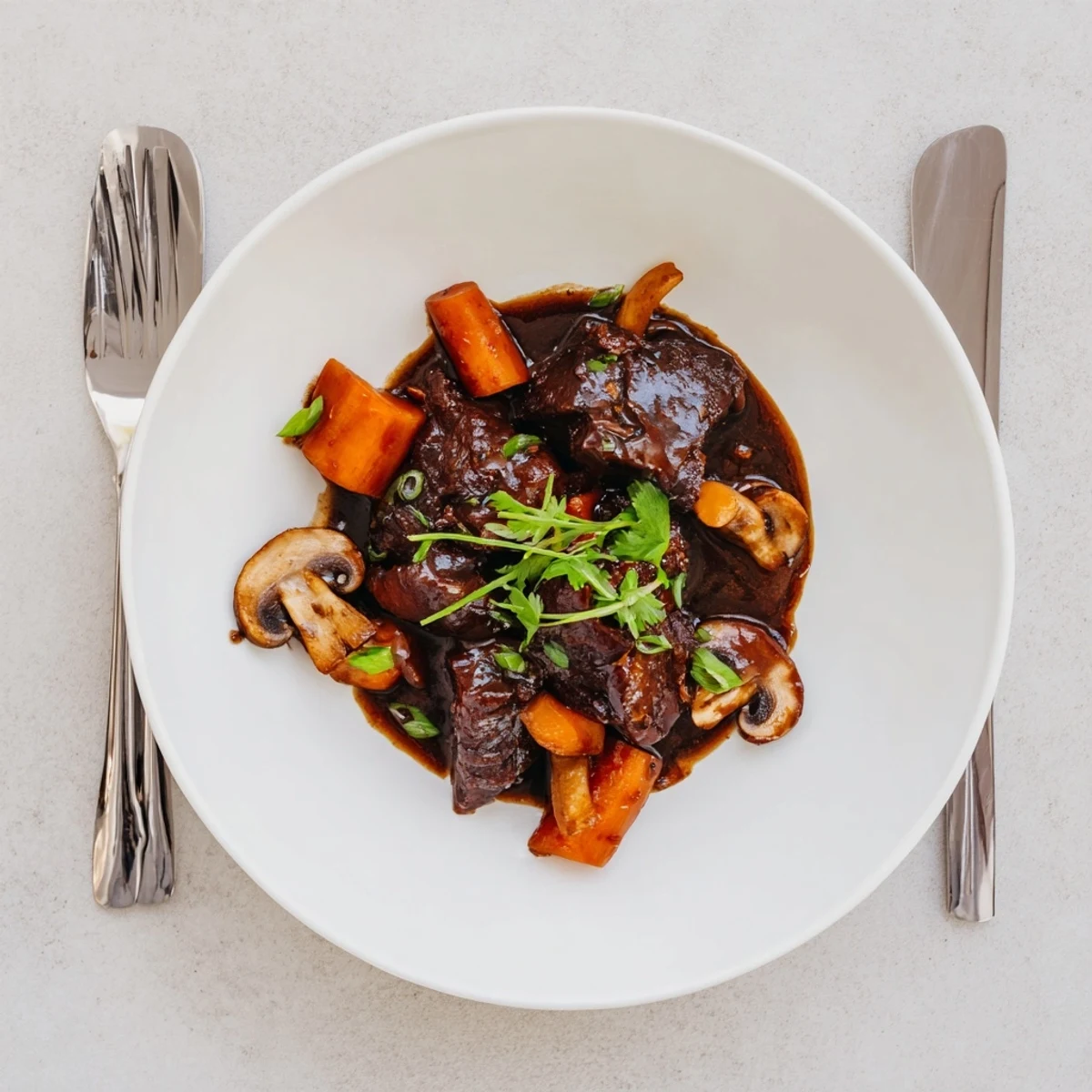
Save This Asian-inspired dish transforms tough beef cheeks into meltingly tender meat through slow braising. The beef is marinated in soy sauce and Shaoxing wine, then seared before being cooked with shiitake and cremini mushrooms, carrots, and aromatics.
The braising liquid combines beef stock with oyster sauce, dark soy sauce, hoisin, brown sugar, and warm spices like star anise and cinnamon. After 3 to 3.5 hours of gentle cooking, the beef becomes fork-tender while the sauce develops rich, complex flavors.
Serve garnished with spring onions, fresh coriander, and sliced chili alongside steamed jasmine rice or creamy mashed potatoes for a complete, satisfying meal.
The first time I made beef cheeks, I was skeptical about how such a tough cut could transform into something meltingly tender. My grandmother had always taught me that the least expensive cuts often hold the most flavor, but standing in front of the butcher counter, I hesitated. That evening, as the kitchen filled with the warm aroma of star anise and cinnamon, I understood what she meant. The beef cheeks had dissolved into a rich, glossy sauce that coated the back of a spoon perfectly.
Last winter, during a particularly brutal cold snap, I invited three friends over for what I called a comfort dinner experiment. We ended up lingering at the table for hours, sopping up the dark, umami-rich sauce with steamed rice and talking about everything except the weather. One friend, usually reserved about trying new things, went back for thirds and asked for the recipe before she even put on her coat.
Ingredients
- 1.2 kg beef cheeks, trimmed: These collagen-rich cuts transform from tough to meltingly tender during long braising, becoming more flavorful than pricier cuts
- 2 tbsp soy sauce: Use a quality soy sauce as it forms the savory foundation of the marinade and braising liquid
- 1 tbsp Shaoxing wine: This Chinese cooking wine adds depth and complexity that regular sherry cant replicate
- 1 tsp freshly ground black pepper: Freshly ground makes a noticeable difference in the final flavor balance
- 250 g shiitake mushrooms: Their meaty texture and earthy flavor stand up beautifully to long cooking
- 200 g cremini mushrooms: These add a milder, nutty flavor that complements the more intense shiitakes
- 2 medium carrots: They become sweet and tender, adding a counterpoint to the rich beef
- 1 large onion: Rough chopping creates rustic texture and natural sweetness as it breaks down
- 4 cloves garlic: Mincing ensures the garlic flavor disperses evenly throughout the sauce
- 2-inch piece fresh ginger: Slice rather than mince to infuse subtle warmth without overpowering
- 500 ml beef stock: A rich, good-quality stock forms the backbone of the braising liquid
- 2 tbsp oyster sauce: This adds an incredible umami punch and silky body to the sauce
- 2 tbsp dark soy sauce: Provides that deep, mahogany color and caramel-like sweetness
- 1 tbsp hoisin sauce: Adds a complex sweet-salty note that makes the sauce irresistible
- 1 tbsp brown sugar: Balances the saltiness and encourages caramelization
- 1 star anise: This single pod infuses an incredible licorice-like aroma throughout the dish
- 1 cinnamon stick: Warm spice that pairs beautifully with Asian flavors and beef
- 2 tbsp sesame oil: Use toasted sesame oil for its distinctive nutty aroma
- 2 tbsp vegetable oil: A neutral oil with a high smoke point perfect for searing
- 2 spring onions: Fresh green onion cuts through the richness with bright, sharp flavor
- Fresh coriander: Adds a bright, herbal finish that lifts the heavy dish
- 1 red chili: Optional heat for those who like a bit of spice with their comfort food
Instructions
- Marinate the beef:
- Combine the beef cheeks with soy sauce, Shaoxing wine, and black pepper in a bowl. Cover and refrigerate for at least 30 minutes, though overnight marinating yields the deepest flavor penetration.
- Prepare your cooking vessel:
- Preheat your oven to 150°C (300°F) or set your slow cooker to low setting. This long, gentle cooking temperature is what transforms tough collagen into gelatin.
- Sear the beef:
- Heat vegetable oil in a Dutch oven over medium-high heat. Sear the marinated beef cheeks on all sides until deeply browned, about 2 to 3 minutes per side, then remove them from the pot.
- Build the flavor base:
- Add sesame oil to the same pot and sauté onions, garlic, and ginger for 3 minutes until fragrant. The kitchen should smell incredible at this point.
- Add vegetables:
- Toss in carrots and both types of mushrooms, cooking for another 5 minutes until they take on some color. The mushrooms will shrink considerably as they release moisture.
- Combine everything:
- Return the beef cheeks to the pot and pour in the beef stock, oyster sauce, dark soy sauce, hoisin sauce, and brown sugar. Add the star anise and cinnamon stick, then stir to combine everything thoroughly.
- Start the braise:
- Bring the mixture to a simmer, cover with a tight-fitting lid, and transfer to the oven. If using a slow cooker, simply set it to low and cover.
- Cook low and slow:
- Braise for 3 to 3.5 hours, or until the beef cheeks yield easily to a fork. Check halfway through and add a splash of water if the sauce has reduced too much.
- Finish the dish:
- Remove and discard the star anise and cinnamon stick. Taste the sauce and adjust the seasoning with salt and pepper as needed.
- Serve and garnish:
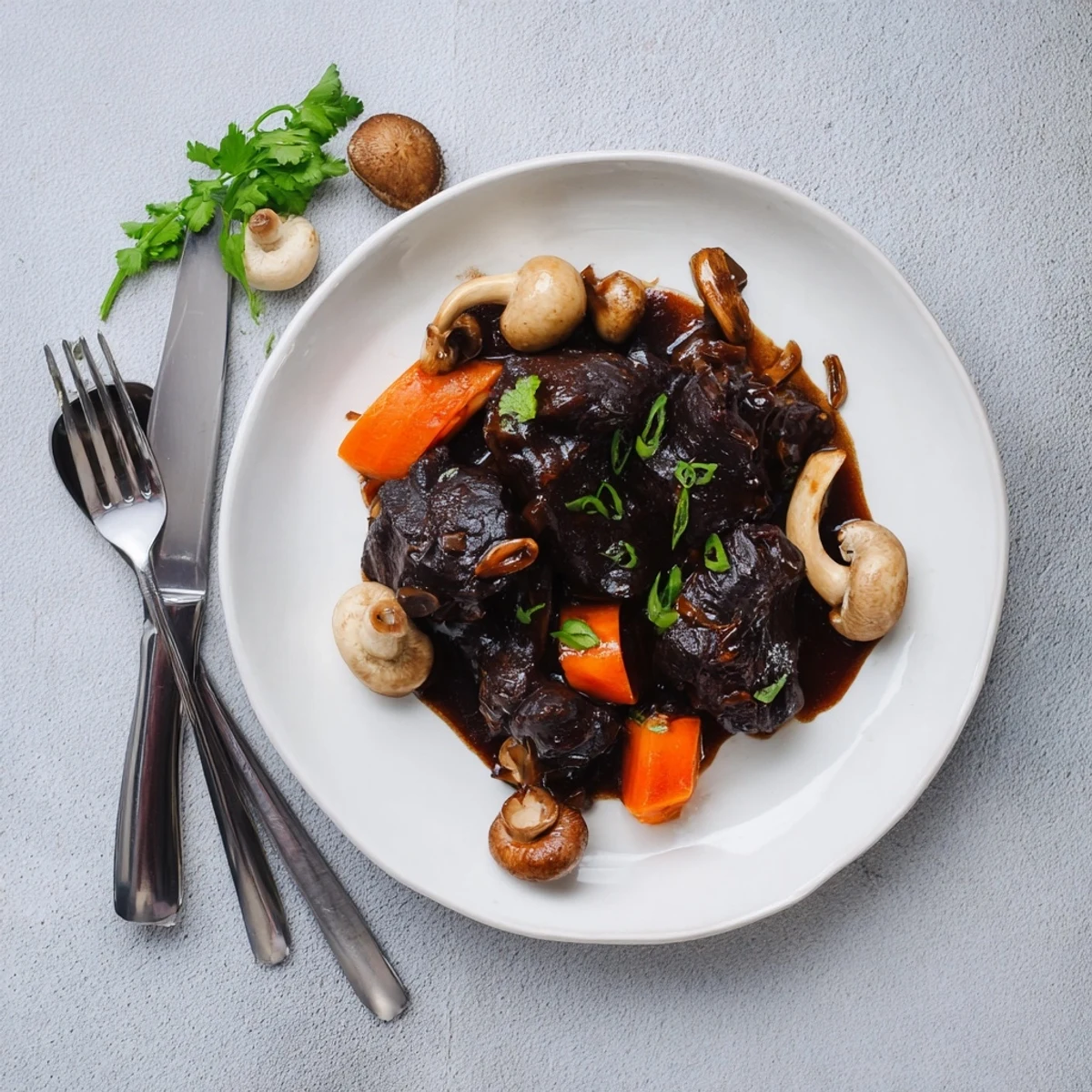
- Plate the beef cheeks with plenty of that glossy sauce, then scatter with spring onions, fresh coriander, and sliced chili if you like heat.
 Save
Save This recipe has become my go-to for dinner parties because it looks impressive yet requires almost no active cooking time. I love that I can prep everything in the morning, let it braise unattended, and serve something that tastes like I spent all day in the kitchen. The best part is watching peoples faces when they take that first bite of beef that literally melts in their mouth.
Choosing The Right Cut
Beef cheeks come from the facial muscle of the cow and are worked constantly throughout the animals life, which is why theyre so tough initially. That same constant exercise means theyre packed with flavor and connective tissue that transforms into luxurious richness. If your butcher doesnt carry beef cheeks, beef short ribs make an excellent substitute, though they may need slightly less cooking time.
The Art Of Asian Braising
Asian braising differs from Western techniques in its emphasis on building layers of umami through sauces and aromatics rather than relying solely on wine and herbs. The combination of oyster sauce, hoisin, and dark soy sauce creates that characteristic glossy finish and complex flavor profile. This style of braise results in a sauce thats meant to be spooned over rice rather than just an accompaniment to the meat.
Make It Ahead
Like most braised dishes, this recipe improves with time as the flavors deepen and meld together. You can make it up to three days ahead and reheat gently on the stove. The fat will rise to the top when chilled, making it easy to remove if you prefer a lighter sauce.
- Let the dish cool completely before refrigerating, and store it in the same pot you cooked it in
- Reheat over the lowest possible setting to prevent the beef from toughening up
- Add a splash of water or stock when reheating if the sauce has thickened too much
 Save
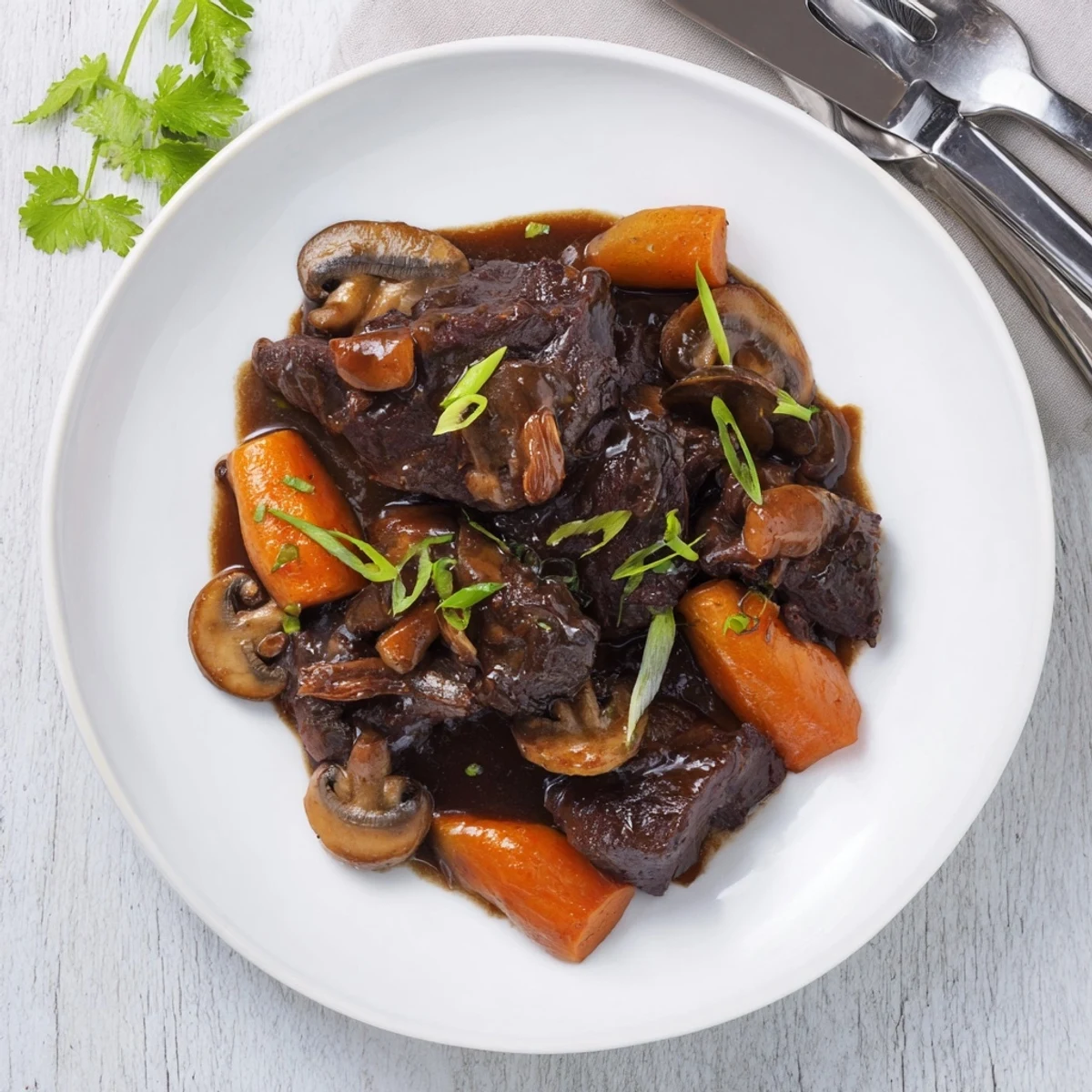
Save Theres something profoundly satisfying about turning an inexpensive, overlooked cut of meat into a dish that feels like a special occasion. Serve this with steamed jasmine rice and watch a quiet dinner become a memory worth repeating.
Recipe FAQs
- → What cut of beef works best for this dish?
-
Beef cheeks are ideal for slow braising as they become incredibly tender. If unavailable, substitute with beef short ribs, though you may need to slightly adjust the cooking time.
- → Can I make this gluten-free?
-
Yes, simply use gluten-free soy sauce and check that your oyster sauce and hoisin sauce are certified gluten-free. Most Asian grocers carry suitable alternatives.
- → What's the best way to serve this?
-
Steamed jasmine rice pairs perfectly with the rich sauce. Creamy mashed potatoes also work beautifully. Add steamed bok choy or spinach in the final minutes for extra vegetables.
- → Can I use a slow cooker instead of oven?
-
Absolutely. After searing the beef and sautéing the aromatics, transfer everything to your slow cooker and cook on low for 6 to 8 hours or on high for 4 to 5 hours until tender.
- → How long does this keep?
-
This dish tastes even better the next day as flavors continue to develop. Store in an airtight container in the refrigerator for up to 4 days or freeze for up to 3 months.
- → What can I add for extra flavor?
-
A splash of black vinegar or spoonful of miso paste adds depth. For heat, include more sliced chilies or a drizzle of chili oil. Fresh herbs like Thai basil can also brighten the dish.