
 Save
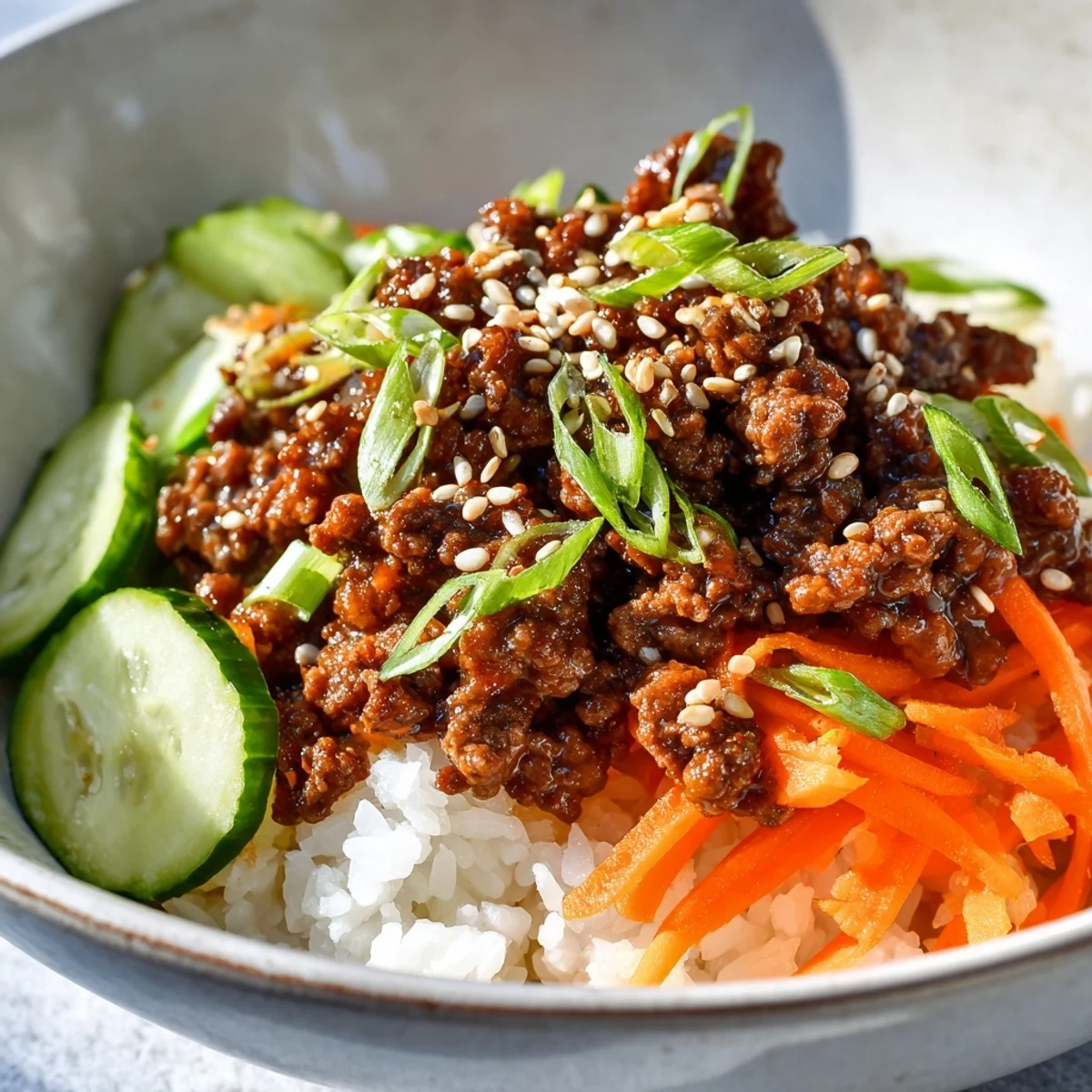
Save These Asian Korean beef bowls combine savory ground beef with a bold, sweet-spicy sauce featuring soy sauce, brown sugar, sesame oil, garlic, ginger, and gochujang. Served over fluffy jasmine rice and topped with crisp julienned carrots, refreshing cucumber slices, and scallions, each bowl offers a perfect balance of textures and flavors. Ready in just 25 minutes, this dairy-free main dish serves four and is easily customizable with protein swaps or spice adjustments. Optional toppings like kimchi and fresh cilantro add extra layers of authentic Korean flair to this satisfying weeknight dinner.
The smell of sesame and sizzling beef hitting a hot skillet still takes me back to my tiny apartment kitchen, where I discovered that Korean flavors could transform an ordinary Tuesday into something worth celebrating. I remember standing on tiptoes to reach my highest cabinet shelf, pulling down that bright red tub of gochujang I had bought on impulse, and wondering if I had just spent money on something I would never use again. That first bite, with the sweet and savory sauce clinging to each grain of rice, answered my question immediately.
My roommate walked in mid-cooking that first time, drawn by the aromatics, and asked what restaurant I had ordered from. The look on her face when I told her it was just ground beef and some pantry staples was absolutely priceless. We ate standing up at the counter, both too impatient to bother with proper table settings, trading satisfied mmms between bites.
Ingredients
- 500 g (1 lb) lean ground beef: Ground beef is the traditional choice here, but I have learned that the fat content really matters for carrying all those bold Korean flavors without becoming greasy
- 60 ml (1/4 cup) low-sodium soy sauce: Regular soy sauce can make the dish overwhelmingly salty, so starting with low-sodium lets you control the seasoning more precisely
- 2 tbsp light brown sugar: This subtle sweetness balances the salty soy sauce and creates that gorgeous caramelized coating on the beef
- 1 tbsp sesame oil: Do not even think about skipping this, it is the foundation of that unmistakable Korean aroma we all love
- 4 garlic cloves, minced: Fresh garlic is non-negotiable here, the jarred stuff just does not have the same punch when cooked quickly
- 1 tbsp freshly grated ginger: I have tried pre-minced ginger in a pinch, but grating it yourself releases so much more of those spicy aromatic oils
- 1 tbsp gochujang: This Korean chili paste adds depth beyond just heat, with a slight fermentation flavor that makes the dish taste authentic
- 2 tsp rice vinegar: Just enough acidity to cut through the richness and brighten all the other flavors
- 300 g (1 1/2 cups) jasmine rice: Jasmine rice has a natural floral sweetness that pairs beautifully with Korean seasonings, though short-grain works too
- 2 medium carrots, julienned: Fresh carrots add a crucial crunch that contrasts with the tender beef and soft rice
- 1 small cucumber, thinly sliced: The cool cucumber provides a refreshing break from the rich, seasoned beef
- 4 scallions, thinly sliced: Both the white and green parts bring a mild onion flavor that ties everything together
- 2 tbsp toasted sesame seeds: These add little pockets of nutty flavor and a satisfying crunch in every bite
Instructions
- Get your rice going first:
- Rinse the rice under cold water until it runs clear, which removes excess starch and keeps the grains separate. Combine with 480 ml water in a saucepan, bring to a boil, then reduce to a simmer, cover, and cook for 12 to 15 minutes until the water is absorbed and the rice is tender.
- Whisk up the sauce:
- In a small bowl, combine the soy sauce, brown sugar, sesame oil, minced garlic, grated ginger, gochujang, and rice vinegar. Whisk until the brown sugar has completely dissolved and the mixture is smooth.
- Brown the beef:
- Heat a large skillet over medium-high heat and add the ground beef. Use your spatula to break it up into small crumbles as it cooks, letting it brown for about 5 minutes until fully cooked through.
- Add the sauce:
- Pour the sauce over the browned beef and stir constantly for 2 to 3 minutes. The sauce will bubble and thicken slightly, coating each piece of beef in that glossy, flavorful glaze.
- Assemble your bowls:
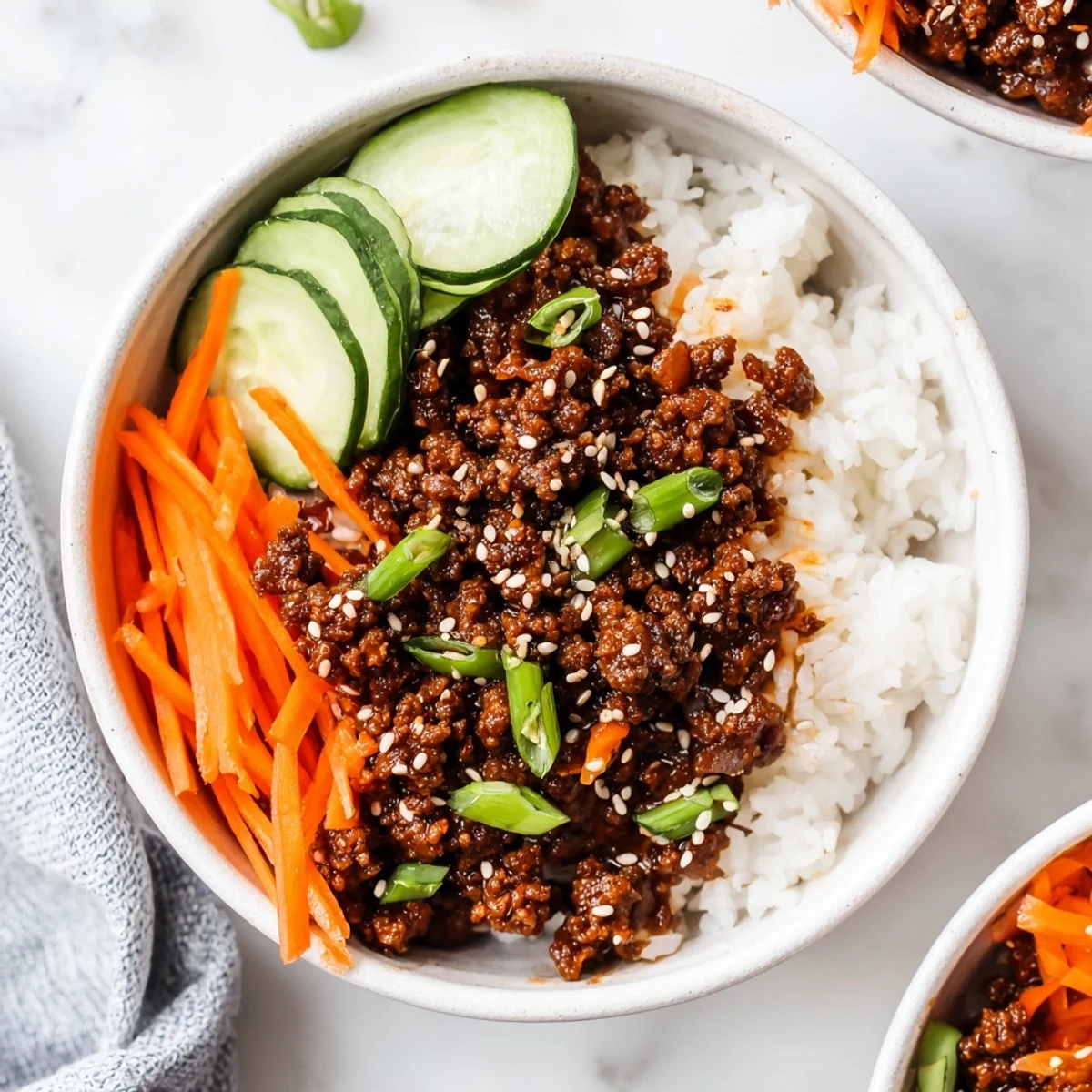
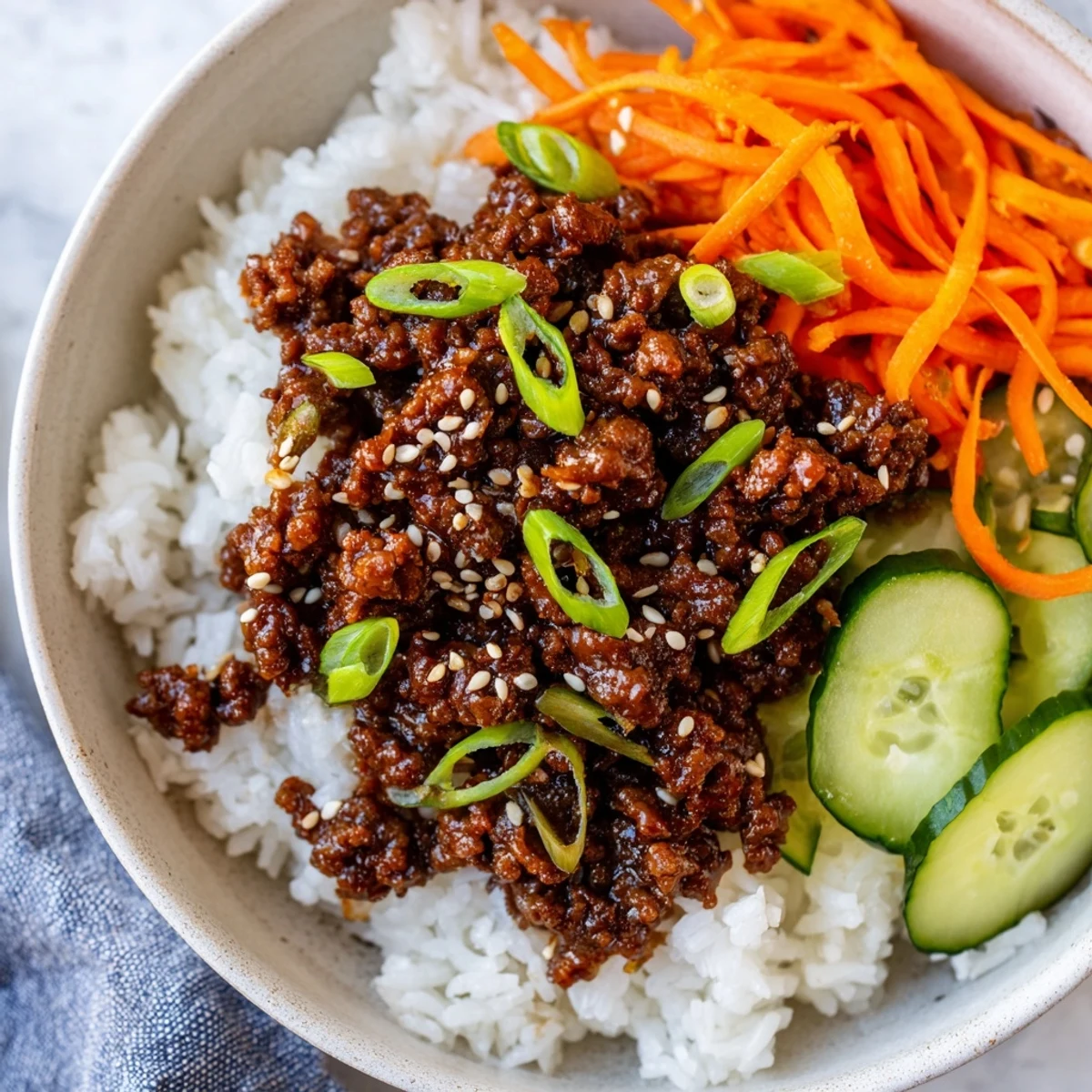
- Divide the fluffy rice among four bowls and top with generous portions of the saucy beef. Arrange the julienned carrots, sliced cucumber, and scallions in sections on top, then sprinkle with sesame seeds and add any optional toppings you like.
 Save
Save This recipe has become my go-to for feeding a crowd with minimal effort. I have served it at casual dinner parties where guests built their own bowls, and there is something so communal and happy about everyone leaning over their creations, adding extra scallions, negotiating who gets the last spoonful of beef.
Making It Your Own
The beauty of these bowls lies in how adaptable they are to whatever you have in the refrigerator. I have made countless variations based on what was available, and each one has been delicious in its own way.
Protein Swaps That Work
Ground turkey or chicken both work beautifully here and absorb the sauce just as well as beef. For a vegetarian version, crumbled extra-firm tofu or a plant-based ground meat alternative will give you that same texture and carry the bold flavors without any meat at all.
Perfecting Your Bowl Setup
After making these bowls more times than I can count, I have learned that preparation is key to a stress-free cooking experience. The actual cooking happens fast, so having everything ready before you turn on the heat makes the whole process feel effortless and fun.
- Prep all your vegetables and toppings before starting the beef
- Measure out your sauce ingredients into the bowl ahead of time
- Have your serving bowls ready to go before you start cooking
 Save
Save These Korean beef bowls have saved more weeknights than I can count, delivering those bold, satisfying flavors in less time than it takes to decide on takeout. Once you make them, you will understand why they have earned a permanent spot in my regular dinner rotation.
Recipe FAQs
- → Can I make these beef bowls gluten-free?
-
Yes, simply substitute tamari for the soy sauce and ensure your gochujang is certified gluten-free. The rest of the ingredients are naturally gluten-free.
- → What protein alternatives work well in this dish?
-
Ground turkey or chicken are excellent lighter options. For a vegetarian version, use crumbled firm tofu or plant-based ground meat substitute.
- → How spicy are these Korean beef bowls?
-
The spice level is moderate with gochujang. You can reduce or omit it for a milder dish, or add red pepper flakes to increase the heat to your preference.
- → Can I prepare components in advance?
-
The sauce can be made up to 3 days ahead and refrigerated. Vegetables can be sliced a day in advance. For best results, cook the beef fresh and serve immediately over hot rice.
- → What other toppings can I add?
-
Fried eggs, pickled vegetables, fresh spinach, bean sprouts, sliced radishes, or avocado all complement the flavors beautifully. Sriracha mayo makes an excellent extra drizzle.
- → How should I store leftovers?
-
Store the beef mixture, rice, and vegetables separately in airtight containers in the refrigerator for up to 3 days. Reheat the beef gently and add fresh toppings before serving.